REVIEW · DUBLIN
Belfast and Giant’s Causeway in Italian or Spanish
Book on GetYourGuide →Operated by Irlanda Tours · Bookable on GetYourGuide
A basalt cliff looks like it was built for storytelling. This tour pairs the Giant’s Causeway with Belfast’s political sites and murals, which I find a smart combo for a one-day Northern Ireland taste. I love the chance to get an easy, guided explanation for UNESCO, plus the quick sprint through the city’s landmarks. The main drawback is simple: Belfast time is tight, so you’ll need to choose what you want most.
You’ll leave Dublin early, ride north with scheduled stops, then spend real time walking at the Causeway before heading into Belfast for a guided overview and your own time. The day runs about 12 hours with the longest drive just over 2 hours, and you’ll go with an Italian- or Spanish-speaking guide. Plan for a long day, comfy shoes, and weather gear, because Northern Ireland doesn’t do dry, predictable afternoons.
In This Review
- Quick take: the best parts (and what to plan for)
- From Dublin pickup to Northern Ireland: the day’s pace
- Giant’s Causeway: prismatic rocks and real sea air
- What you should do in the 1.5 hours
- Legends, UNESCO, and the way your guide frames the place
- The drive to Belfast: what changes when you cross from cliffs to conflict
- Belfast’s guided highlights: murals, Peace Wall, and key landmarks
- Why this “see it first, then explore” format works
- Your 1.5 hours on your own: how to make it count
- Carrick-a-Rede isn’t included: plan around that gap
- Bus comfort and timing: what the schedule really feels like
- Italian or Spanish guide: when language helps and when it can’t
- Value check: is $93 a good deal for this day?
- Who should book this tour, and who should skip it
- Should you book Belfast and Giant’s Causeway in Italian or Spanish?
- FAQ
- How long is the tour?
- Where do you meet in Dublin?
- What languages is the guide speaking?
- What time is spent at Giant’s Causeway?
- How much time do you have in Belfast on your own?
- Does the tour include the Carrick-a-Rede rope bridge?
- Is food or drink included?
- What should I bring?
- Do I need a passport?
- What currency is used in Northern Ireland?
Quick take: the best parts (and what to plan for)
- Giant’s Causeway walk with guided context and legends you can actually follow
- UNESCO World Heritage Site explained in plain language by your guide
- Belfast political murals + Peace Wall as a crash course in modern history
- City highlights like City Hall, the Albert Clock Tower, and the prison area
- Titanic Museum stop (or at least a look) if you time it right
- Short solo window in Belfast, so your priorities matter
From Dublin pickup to Northern Ireland: the day’s pace
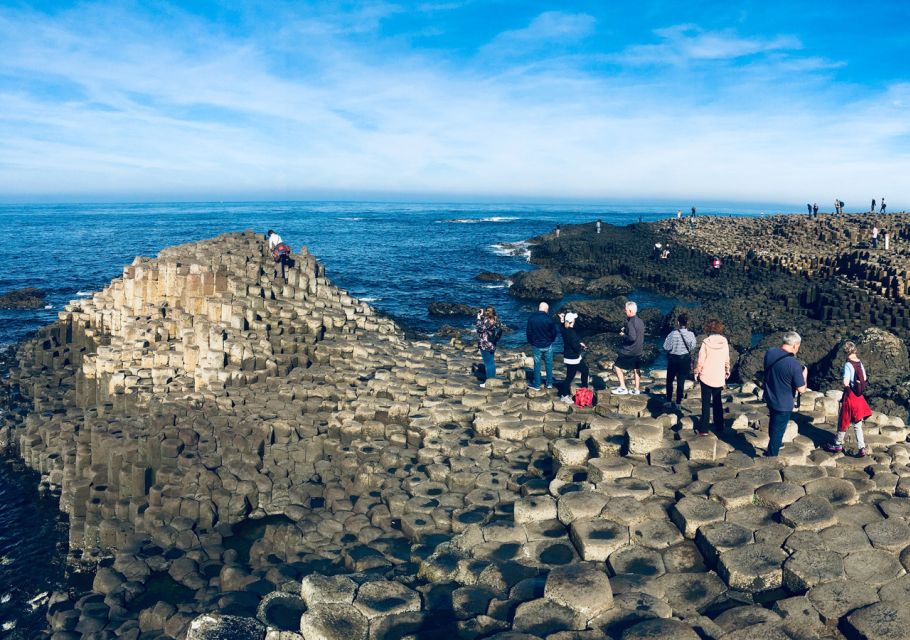
Your day starts outside the Riu Plaza The Gresham Dublin on O’Connell Street Upper. From there, you’re on a coach headed north with a couple of timed breaks along the way, including one short café stop. This is the kind of tour where the driving isn’t optional—it’s the price of seeing both coasts and two very different places in one shot.
I like that the schedule is structured: you get a point-by-point plan, and you’re not left guessing when to move. The tradeoff is that you’re also not free to wander en route. If you’re the type who likes long, slow stops and spontaneous detours, you’ll feel boxed in by the clock.
You can also read our reviews of more tours and experiences in Dublin.


Giant’s Causeway: prismatic rocks and real sea air
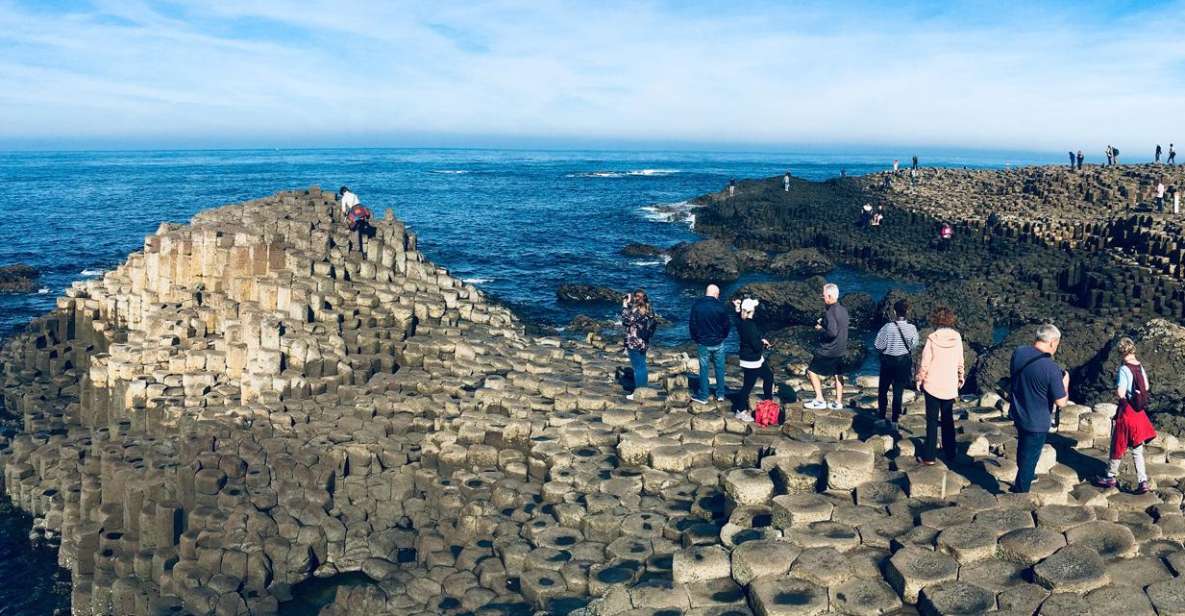
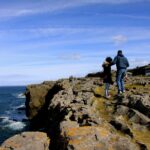
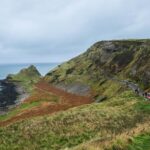
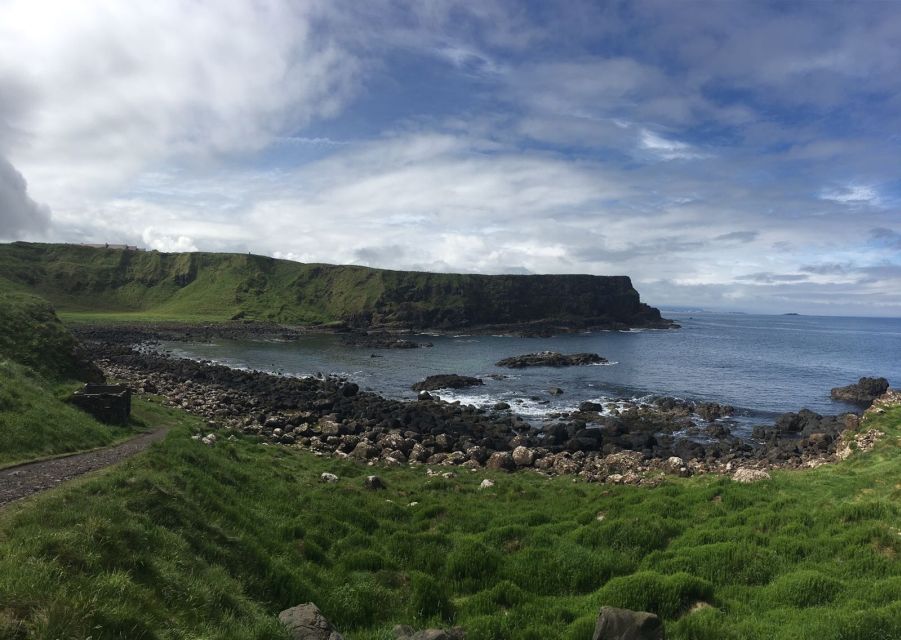
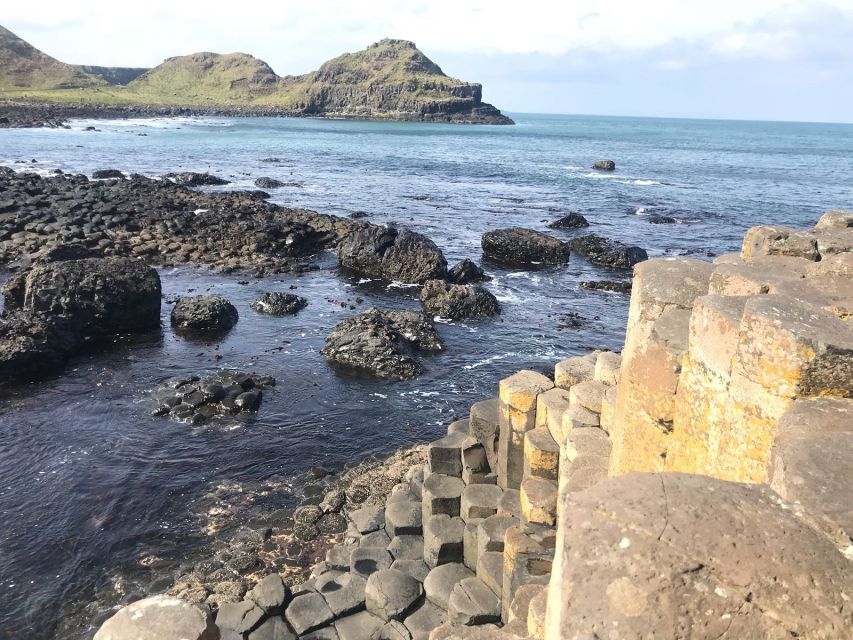
The Causeway is the star, and you get about 1.5 hours on site for visiting, walking, and taking it all in. What makes it so compelling is the mix of geology and myth: sharp-edged rocks, the sea acting like a constant background drumbeat, and a place that people have been trying to explain for centuries.
I love that your guide doesn’t just point and tell you it’s pretty. You’ll hear the legends connected to the site, plus why it’s been recognized as a UNESCO World Heritage Site. That guided story helps the visuals click, especially if you’ve seen references from pop culture or just know the name.
What you should do in the 1.5 hours
You’ll have enough time to do a meaningful loop, but not enough time to treat it like a full-day hike. I’d focus on:
- Comfortable viewpoints first, so you’re not racing while you’re still deciding where to stand
- A steady walking pace early, because the best photo spots can get busy
- Staying flexible for weather, since coastal wind can change the whole vibe fast
Also remember this is a walking experience. Even if you’re not doing a long hike, comfortable shoes matter.
Legends, UNESCO, and the way your guide frames the place
This tour is built around guided explanation, and that part matters at both stops. At the Causeway, your guide shares the reasoning and stories that help turn a big nature site into a place with meaning. The goal is to make UNESCO feel less like a label and more like a living site with a clear why.
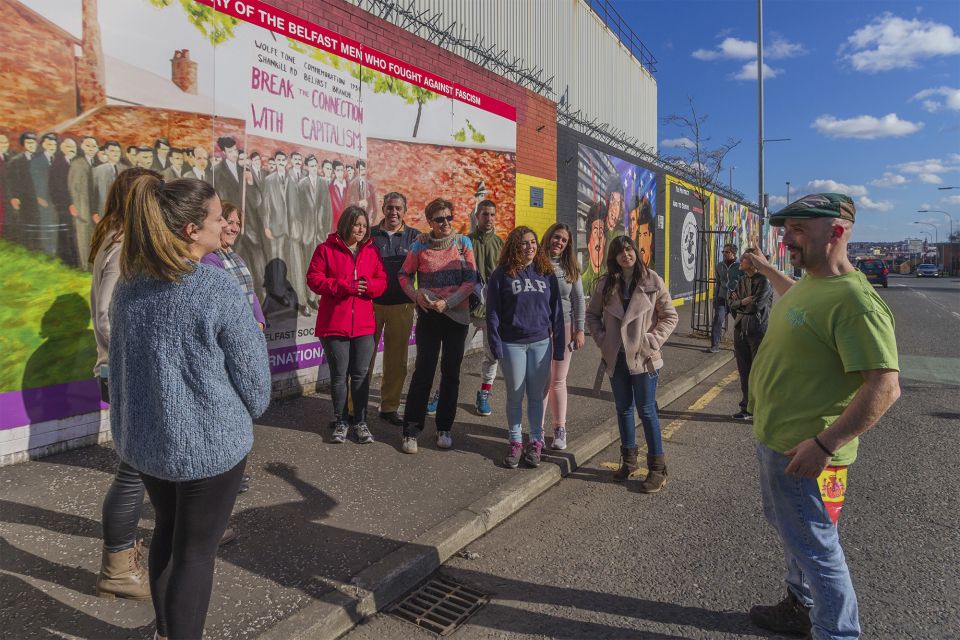
Belfast has the same logic: you’re seeing street art, buildings, and memorial-style spaces, but the guide is the translator. If you’ve ever felt lost walking through politically heavy places, this structure helps.
One caution, based on what I’ve seen from similar day-trip experiences: guide style can vary. For some people, the tone feels engaging and clear; for others, it can get a bit too salesy or overly dramatic. If you rely on the guide to set the day’s context, go in ready to ask questions early rather than waiting for the later part of the narration.
The drive to Belfast: what changes when you cross from cliffs to conflict
After the Causeway, you’ll head to Belfast with a scenic drive and a scheduled break on arrival. This is where the day pivots. Instead of basalt and legends, you’ll deal with human stories—territory, identity, and a city shaped by conflict and rebuilding.
It’s also where your expectations should adjust. Belfast can feel less like a postcard city and more like a city you understand by connecting dots. If you come wanting a single grand boulevard, you may be underwhelmed. If you’re curious about history you can see with your own eyes, it clicks quickly.


Belfast’s guided highlights: murals, Peace Wall, and key landmarks
Your Belfast overview is designed as a political and architectural sampler. You’ll see major visual anchors tied to the city’s past, including the political murals and the Peace Wall. These aren’t random decorations. They’re a record of disagreement, memory, and community narratives—painted where you can’t miss them.
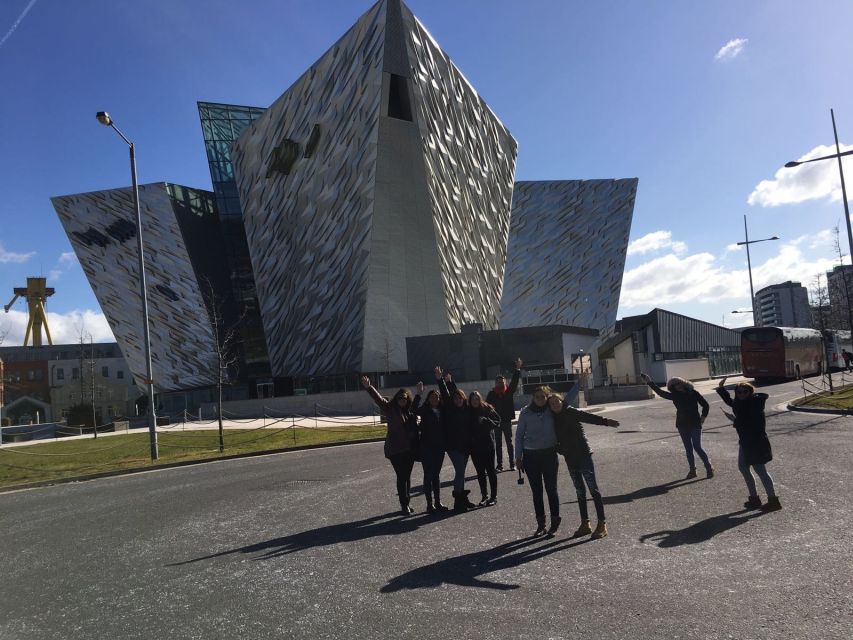
You’ll also get stops around landmarks like Albert Clock Tower and City Hall, plus an area associated with the prison and the famous Titanic Museum. Even if you don’t go inside everything, the value is in the layout: you get the geography of where these stories live in the city.
Why this “see it first, then explore” format works
Belfast moves fast—by foot, by mood, and by the kinds of streets you turn down. Having the guide show the big points helps you later during your free time. Without that, you’d likely spend your solo hour walking around wondering what you’re looking at.
Your 1.5 hours on your own: how to make it count
After the guided portion, you’ll have about 1.5 hours to explore independently. That’s both a gift and a limitation. It’s long enough to grab coffee and do one focused activity, but it’s not long enough to feel like you “covered” Belfast.
Here’s the decision that makes or breaks this part:
- If you want museum time, you may only fit one major stop.
- If you want street-level atmosphere, you might skip museums and slow down near the sites you just learned about.
One practical hint: don’t try to plan ten things in your head before you arrive. Pick one priority—something tied to politics you want to revisit, or one cultural anchor—and build your route around that.
Carrick-a-Rede isn’t included: plan around that gap
This tour specifically does not include the Carrick-a-Rede rope bridge. If that rope bridge is on your must-do list, you’ll need a different day plan (or a separate add-on) to get it. Nothing about the Causeway experience itself feels “incomplete” because of this, but the missing piece will matter to some travelers—especially those who love rope-bridge views.
Bus comfort and timing: what the schedule really feels like
The entire day is about 12 hours, and the longest coach ride is around 2 hours and 15 minutes. That doesn’t sound extreme on paper, but you’re also stacking that with early pickup, short stops, and two main sightseeing blocks.
I’d pack your mindset like this:
- Expect a lot of sitting
- Use breaks to reset, not to cram extras
- Keep snacks in mind if you’re the kind of person who gets hungry between planned stops (food and drink aren’t included)
One other logistics detail that can affect comfort: the tour has a rule against luggage or large bags. So if you’re carrying a big backpack, plan to keep it compact. Also bring rain gear—coastal weather can flip from mild to windy fast.
Italian or Spanish guide: when language helps and when it can’t
The tour comes with an Italian- or Spanish-speaking live guide. If you’re comfortable in one of those languages, this is a real plus, because the explanation is the point—not just the pictures.
If you’re traveling with limited language skills, you might still understand the big landmarks, but the emotional meaning of the murals and the UNESCO story can be harder to catch. In that case, use the guided section to get your bearings fast, and then focus your independent time on visuals you can recognize.
Value check: is $93 a good deal for this day?
For $93 per person, you’re paying for guided interpretation plus two major Northern Ireland highlights in one day. That’s not a small price, but it becomes more reasonable when you compare what it would cost you to coordinate transport on your own while also trying to understand political sites without context.
Here’s the honest value math:
- If you love guided stories and want structure, this price can feel fair.
- If you mostly care about being at places you can self-tour, you might feel the schedule is too tight—especially in Belfast.
- If the guide’s storytelling style isn’t your thing, you’ll feel the cost more strongly, since the experience isn’t just sightseeing—it’s narration.
One more practical value point: you’re not paying extra for meals or entry items (food/drink aren’t included). That means the day’s real total depends on your spending habits once you’re on your own in Belfast.
Who should book this tour, and who should skip it
This is a great fit if you:
- Want a one-day plan that includes both nature and history
- Follow Game of Thrones or just like places with strong storytelling energy
- Enjoy learning through a guide, especially for politically sensitive sites
- Like the idea of seeing major Belfast landmarks even if you can’t do deep museum time
You might want to skip or consider a different format if you:
- Want several hours in Belfast for museums like Ulster or Titanic in a relaxed way
- Dislike long bus days and prefer slower travel
- Are very sensitive to group timing, because both the drives and the short free window shape the day
Should you book Belfast and Giant’s Causeway in Italian or Spanish?
If your goal is a high-impact day—UNESCO cliffs plus Belfast’s political landmarks with real guide context—this tour is a solid choice. The best part is the pairing: the Causeway gives you nature that feels epic, and Belfast gives you places that explain the world around them.
If you’re the type who wants deep museum time or long wandering, treat the Belfast portion as a highlight reel rather than a full exploration. In that case, book only if you’re genuinely excited to learn the stories quickly and pick one or two top priorities during your solo hour.
FAQ
How long is the tour?
The duration is approximately 12 hours.
Where do you meet in Dublin?
You meet outside of Hotel Riu Plaza The Gresham Dublin, at 23 O’Connell Street Upper, North City, Dublin (D01 C3W7).
What languages is the guide speaking?
The tour includes a live speaking guide in Spanish or Italian.
What time is spent at Giant’s Causeway?
You get about 1.5 hours at Giant’s Causeway for visiting, free time, and walking.
How much time do you have in Belfast on your own?
You’ll have about 1.5 hours for break time and free time in Belfast.
Does the tour include the Carrick-a-Rede rope bridge?
No. The tour does not include the Carrick-a-Rede rope bridge.
Is food or drink included?
No. Food or drink isn’t included.
What should I bring?
Bring comfortable shoes and rain gear.
Do I need a passport?
No passport is needed.
What currency is used in Northern Ireland?
Northern Ireland uses pound sterling, and your guide will tell you where you can pay with euros.