REVIEW · DUBLIN
Dublin Full-Day Tour through Boyne Valley
Book on Viator →Operated by Ger Healy · Bookable on Viator
The Boyne Valley hits you fast. This private day links prehistoric Ireland, early Christianity, and medieval power in one clean route.
I like how hotel pickup and a private vehicle keep the day from turning into a stressful bus scramble. It’s a straightforward way to see a lot of big-hitter sites without losing hours to getting around.
I also like the way your guide, Ger Healy, helps the day run with confidence. One standout from a past group: Gerry helped them get access to the inner chamber at Newgrange, which is the kind of detail that can make this tour feel truly special.
The main thing to consider is cost and add-ons: this price is per group (up to 6), and several major admissions like Newgrange and Trim Castle are not included.
In This Review
- Key things to know before you go
- Why this Boyne Valley day works from Dublin
- Price and logistics for a private group up to 6
- Mellifont Abbey: the first Cistercian abbey in Ireland
- Newgrange and Brú na Bóinne: 5,000-year-old ritual space
- Hill of Slane: the Paschal fire and the Saint Patrick story
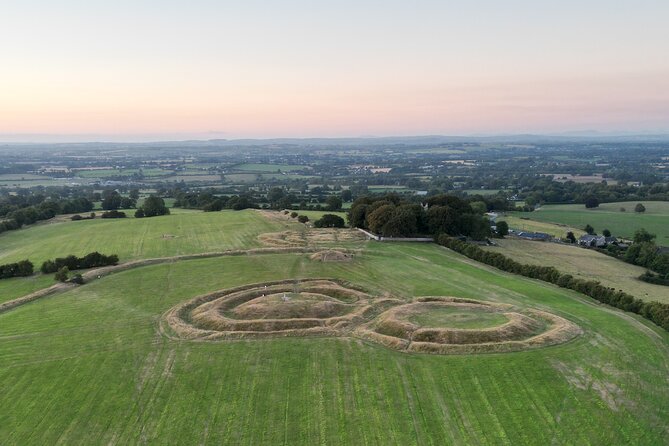
- Hill of Tara: ancient seat of power and national memory
- Bective Abbey: a second Cistercian chapter by the Boyne
- Trim Castle: Ireland’s biggest Anglo-Norman keep
- How to pace the day and what to bring
- Should you book this Dublin Full-Day Tour through Boyne Valley?
- FAQ
- How many people are in a group?
- How long is the Dublin Full-Day Tour through Boyne Valley?
- Do you pick me up from my hotel?
- What language is the tour in?
- Which stops have admission included?
- What admissions are not included?
- How much is the Newgrange tour + exhibition fee?
- Is lunch included in the tour price?
- Is the tour suitable for people with moderate physical fitness?
- Can I cancel for a full refund?
Key things to know before you go
- Private transportation + parking fees covered means more time at sites and less time hunting a spot.
- Mellifont Abbey and Bective Abbey show you early Irish monastic life on the River Boyne.
- Newgrange is the long stop (about 3 hours) and admission is extra, so plan for it.
- Hill of Slane and Hill of Tara bring the Saint Patrick legend and ancient seat-of-power stories together in one day.
- Trim Castle is built for scale: three-story keep, curtain walls, and walkways for big views and photo stops.
- A realistic 6–8 hour pace with bottled water included helps you handle a full day out of Dublin.
Why this Boyne Valley day works from Dublin
Most Dublin day trips feel like a speedrun. This one is different because it’s built around places that reward slow attention, not quick window-shops. You start with early monastic Ireland, then shift into prehistory at Newgrange, and end with medieval muscle at Trim Castle.
What I like is the “story arc” the day naturally creates. You’re not just collecting attractions. You’re moving through eras that shaped Ireland’s identity in very different ways: sacred ritual from thousands of years ago, Christian storytelling tied to 5th-century legend, and the administrative role of castles in the Anglo-Norman world.
Also, it’s private. That matters more than people think. With a group size capped at 6, you get less friction. If you need a few extra minutes to photograph, read plaques, or step aside for mobility reasons, it’s easier for the guide to flex.
You can also read our reviews of more tours and experiences in Dublin

Price and logistics for a private group up to 6
This tour is priced at $1,087.16 per group (up to 6 people), running about 6 to 8 hours. That price sounds high until you do the math the way you’d do for a taxi split or a private guide in a big city. If you’re traveling with friends or family, this becomes a practical way to buy time and reduce hassle.
From a logistics standpoint, you get several things that usually cost extra on other tours:
- Private transportation
- Parking fees
- Bottled water
- Mobile ticket
- Hotel pickup (you’re picked up from your hotel)
A big detail for your planning: it operates Monday to Sunday, 7:00 AM to 6:00 PM, with the overall availability window running from 12/14/2024 to 02/01/2027. Since you’re out of Dublin for most of the day, the early start hours are part of why you can cover so much.
If you’re comparing value, watch for the admissions not included. Newgrange is an extra fee per booking, and Trim Castle is also not included. But the day still delivers strong value because several other sites have free or included admission. You’re not paying full tickets everywhere.
Mellifont Abbey: the first Cistercian abbey in Ireland
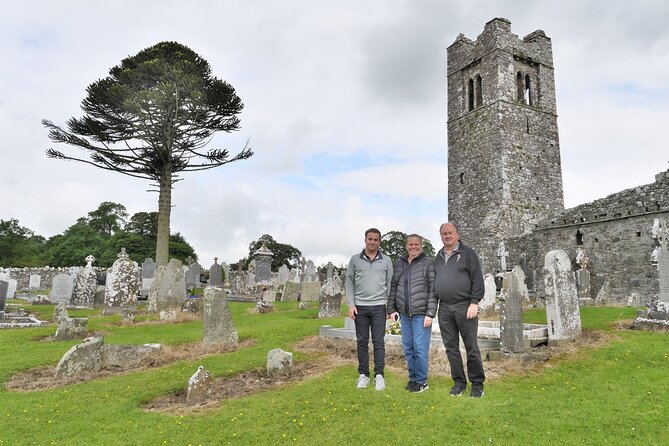
Your first stop is Mellifont Abbey, near Drogheda in County Louth. This place matters because it was founded in 1142 by Saint Malachy, Archbishop of Armagh. It’s described as the first Cistercian abbey in Ireland, which makes it more than just pretty ruins.
You’ll have about 45 minutes here, with admission free. That free entry is a nice bonus: it gives you time to focus on atmosphere and details without thinking about whether the ticket price is “worth it” for that specific segment of the day.
What to expect: Cistercian sites tend to be about order and stone discipline. Even when the original buildings are gone, you can still sense the rhythm—doorways, remnants of walls, and the way the site’s layout shapes walking paths. If you like monastic architecture, this is a smart opening act before you head into more famous legend-heavy stops.
A consideration: abbey sites can involve uneven ground and some uneven walking. The tour is listed as moderate physical fitness, so wear sturdy shoes and plan for a short walk over natural surfaces.
Newgrange and Brú na Bóinne: 5,000-year-old ritual space
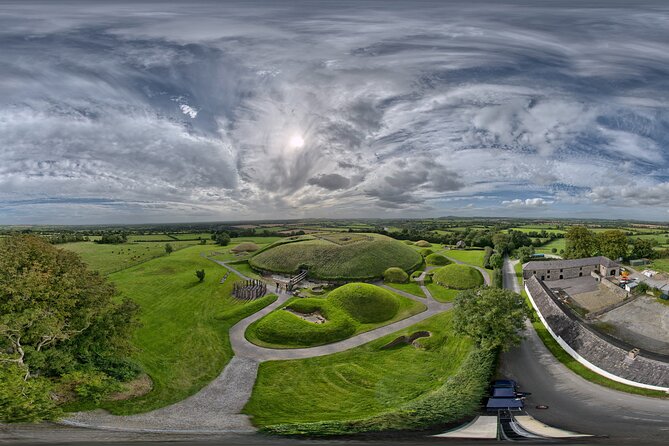
Next comes the main event: Newgrange in County Meath, part of the Brú na Bóinne UNESCO World Heritage Site (with Knowth and Dowth). Newgrange dates to around 3200 BC, which means it predates Stonehenge and the Great Pyramids of Giza.
You’ll spend about 3 hours here, and admission is not included. The Newgrange tour + exhibition costs €18.00 per booking.
This is the stop where planning pays off. In at least one real example from a past group, Gerry helped them access the inner chamber at Newgrange. That kind of access can turn your visit from interesting to unforgettable, because Newgrange is designed for specific viewing moments and ritual intent. If your day schedule depends on weather or timing, a guide who understands how to keep things moving matters.
Practical advice: because you’re here for the longest stretch, use the time well. Give yourself a slow pass for the big shapes first, then circle back for the finer stonework and burial mound design. Even if you don’t memorize every detail, you’ll start to understand why this site has been described as legendary—because it’s built with purpose you can still feel today.
And one more thing: Newgrange is a prehistoric structure. That means your expectations should be about scale, form, and human ingenuity—not crowds of daily-life rooms. Go in ready to appreciate it for what it is: a ceremonial monument from a world that left behind carefully made stone.
Hill of Slane: the Paschal fire and the Saint Patrick story
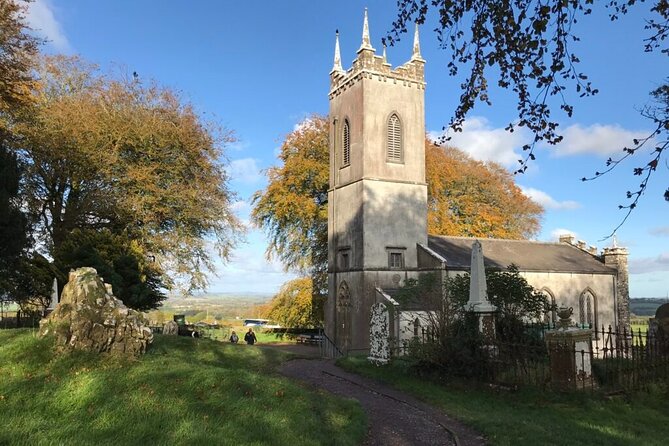
After the prehistoric world, the day shifts into legend and early Christian history at Hill of Slane. You’ll have about 35 minutes, and admission is included.
This is the site tied to a story about Saint Patrick. The legend says he lit the first Paschal fire there in 433 AD, as a challenge to pagan high kings near Tara. Whether you treat the story as history, tradition, or both, it gives Slane a special kind of meaning. It’s a place where Ireland’s Christian narrative gets anchored to a physical location.
Why I like pairing Slane with what comes next: it sets up Tara. You don’t just jump from “old monument” to “other old hill.” You go from the Christian challenge to the earlier political center the story references. That link makes your time feel connected instead of random.
What to watch for: hill sites can involve stairs and short walks with uneven surfaces. With moderate physical fitness, you should be fine if you wear footwear with traction and take your time.

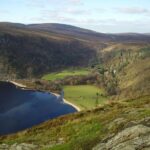
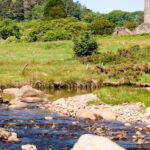

Hill of Tara: ancient seat of power and national memory
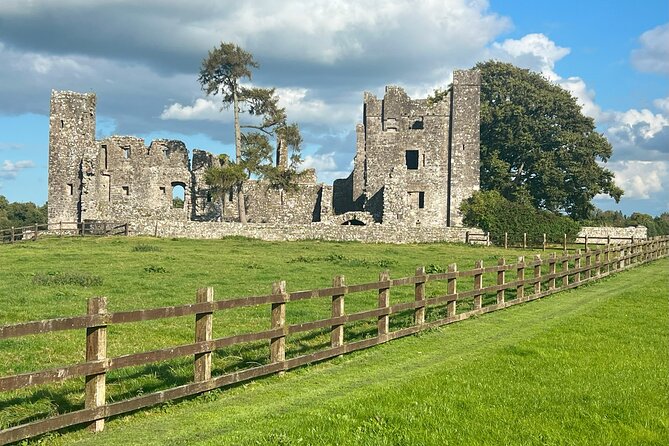
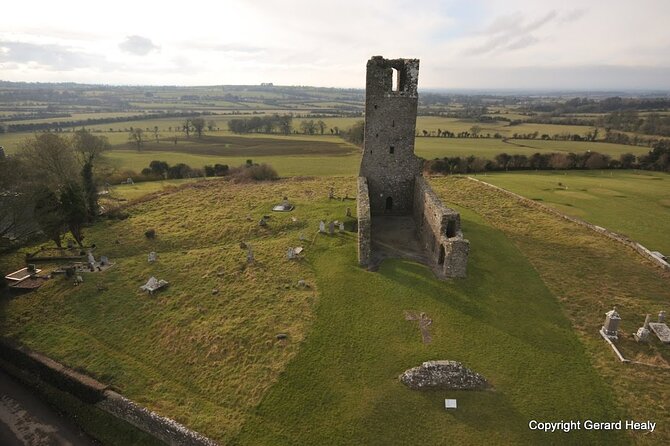
Then you head to Hill of Tara. You get about 45 minutes, and admission is included here too.
Tara is described as the ancient seat of power in Ireland, and it’s also important in Ireland’s more recent history as an independent, fledgling nation. That dual meaning matters. Many archaeological sites are just old. Tara feels like it has layers—ancient authority stories on top of modern identity.
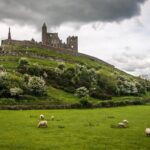
If you’re the type who likes reading signage and connecting the dots, Tara is a good place for it. You’ll see the kind of sites where the layout and location do some storytelling for you. Even with ruins, hills like this are about views and presence: you can feel why power would want a position like this.
The main drawback isn’t the hill itself—it’s time pressure. Forty-five minutes can disappear quickly if you stop for photos and read everything. If you’re aiming for both photos and learning, a private guide helps you make a sensible pace.
Bective Abbey: a second Cistercian chapter by the Boyne
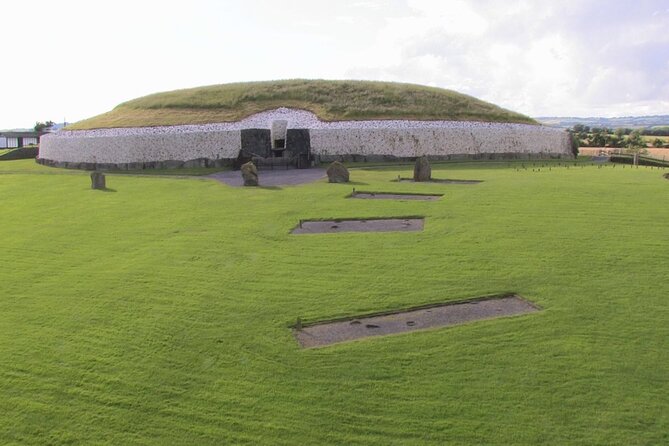
You’ll then visit Bective Abbey, near the River Boyne in County Meath. This stop takes about 35 minutes, and admission is free.
Bective Abbey was founded in 1147 by Murchad O’Melaghlin, the King of Meath. It’s noted as the second Cistercian abbey in Ireland, following Mellifont. So think of this as the day’s monastic follow-up: same religious tradition, different setting, and a chance to compare how the Cistercian story played out across the region.
What I like here is the contrast. When you’ve just been at Tara or Slane, you might be in legend mode. Bective brings you back to stone, order, and a quieter kind of past. Even if you don’t know much about Cistercians, the setting makes you slow down.
A practical note: since it’s near a river system, expect it could be damp or cool depending on the season. Bring a layer you can add or remove easily.
Trim Castle: Ireland’s biggest Anglo-Norman keep
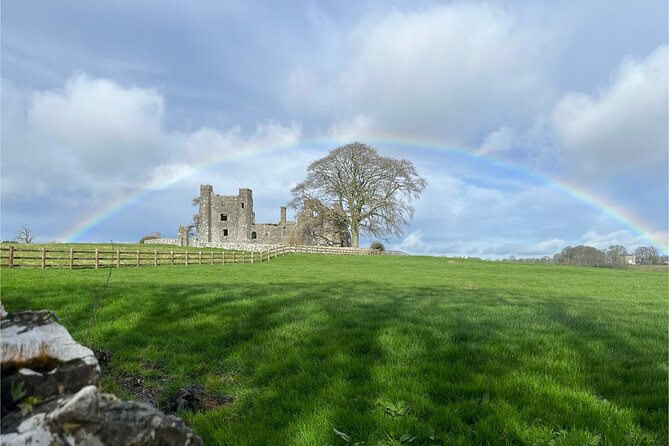
Your final major historic stop is Trim Castle in Trim, County Meath. You get about 2 hours here, and admission is not included.
Trim is described as the largest Anglo-Norman castle in Ireland. It was built over about 30 years by Hugh de Lacy and his son Walter in the late 12th century. The keep is monumental: a three-story, cruciform shape, surrounded by curtain walls, a moat, and defensive towers.
It’s also a site with pop-culture fingerprints: it was a filming location for Braveheart, and historical figures like King John and Richard II are connected to visits there. Even if you’re not a movie buff, it helps you picture how impressive this stronghold must have felt when it was active.
What you’ll appreciate today: the site is managed by the Irish Government and includes modern walkways. That means you can explore the interior spaces and get a sense of the structure without needing to guess where everything used to be.
One consideration: since it’s a castle with multiple levels and open areas, expect a bit more walking than at the abbeys. If you have any mobility limitations, this is the stop where you’ll want to go carefully and use the guide’s pacing to avoid rushing.
How to pace the day and what to bring
This tour is built for a full day, roughly 6–8 hours, with multiple historic sites. That’s a lot of entrances, signage, and walking. Here’s how I’d set yourself up so you enjoy it rather than just tolerate it.
First, bring comfortable shoes. You’ll likely walk on uneven ground at abbey sites, then do more stairs and ramped pathways at a castle like Trim.
Second, plan for lunch. Lunch is not included. You won’t be stuck, but you should expect to handle food on your own during the day. A simple strategy is to bring snacks so you can keep energy steady while you’re on the move, then handle your main meal when the schedule gives you room.
Third, do a small weather check before you leave Dublin. Hill sites can feel windy, and outdoor monuments don’t offer much shelter. Layers help you stay comfortable across changing conditions.
Finally, if Newgrange access is a priority for you, remember that the day includes time specifically for it. With a private guide, you can usually keep things coordinated better than on a group bus day, which is exactly what matters when timing controls what you can see.
Should you book this Dublin Full-Day Tour through Boyne Valley?
If you’re excited by early Ireland—prehistoric engineering, Christian legend tied to named hills, and monastic and medieval sites—this is a strong choice. It’s also a good fit if you want a private, hotel-pickup experience that takes you out of Dublin efficiently and keeps your day structured.
Book it if:
- You’re traveling in a group of up to 6 and want the cost to feel sensible per person.
- Newgrange is on your must-see list and you’re open to spending time there (about 3 hours).
- You like seeing the way Ireland’s history layers over one another, instead of grabbing one quick highlight.
Consider a different option if:
- You hate extra ticketing, because Newgrange and Trim Castle admissions are not included.
- You’d rather do fewer stops and linger longer at just one site. This day is packed by design.
Overall, I think the value comes from how well the day connects eras—and from the fact that your guide, Ger Healy, keeps the flow tight. When that works, you don’t just see monuments. You come away understanding why this valley matters.
FAQ
How many people are in a group?
This is a private tour/activity, and the group size is up to 6 people.
How long is the Dublin Full-Day Tour through Boyne Valley?
It runs for about 6 to 8 hours.
Do you pick me up from my hotel?
Yes. Pickup is offered, and the driver picks you up from your hotel.
What language is the tour in?
The tour is offered in English.
Which stops have admission included?
Admission is included for Hill of Slane and Hill of Tara. It’s free for Mellifont Abbey and Bective Abbey.
What admissions are not included?
Admission is not included for Newgrange and Trim Castle.
How much is the Newgrange tour + exhibition fee?
The Newgrange tour + exhibition fee is €18.00 per booking.
Is lunch included in the tour price?
No. Lunch is not included.
Is the tour suitable for people with moderate physical fitness?
Yes, it lists moderate physical fitness as the requirement.
Can I cancel for a full refund?
Yes. Free cancellation is available if you cancel up to 24 hours in advance of the experience start time.