REVIEW · DUBLIN
Women Of Ireland: Trailblazers & Pioneers
Book on Viator →Operated by Unearthed Tours · Bookable on Viator
Women’s history has a way of changing how you see a city. This Dublin walk spotlights Ireland’s fearless women, turning familiar streets like St Stephen’s Green into a living timeline of independence, the 1916 Rising, suffrage, and modern Ireland. It’s also short and practical: you’re out for about 1 hour 30 minutes, with a guide leading you from stop to stop so you don’t waste time hunting clues.
I like that it’s built for real people, not just trivia collectors: you get a small-group format (up to 14) and a guide can adapt to different comfort levels. I also like that the route stays walkable and focused, with stops at Dubh Linn Gardens and other meaningful spots. One thing to note: you don’t go inside RCSI or Dublin Castle, so it’s story-and-streets, not a museum-style visit.
In This Review
- Key things that make this tour worth your time
- Women of Ireland, real Dublin streets, not a lecture
- Price and timing: a 90-minute plan that won’t mess up your day
- Small-group size: what “max 14” changes on the sidewalk
- Where you start: St Stephen’s Green and Countess Markievicz
- Royal College of Surgeons: women during the 1916 Rising (from outside)
- Mercer Street Upper: Margaret Anne Cusack, the Nun of Kenmare
- Ship Street Great: suffragettes and Hannah Sheehy-Skeffington
- Dubh Linn Gardens: Veronica Guerin, plus an actual garden visit
- Dublin Castle area finish: Anne Devlin and modern Ireland
- What to expect from the guide style (and why it matters)
- Who this tour suits best
- A realistic drawback to consider before you book
- Should you book Women Of Ireland: Trailblazers & Pioneers?
- FAQ
- How long is the tour?
- Where does the tour start?
- What time does the tour start?
- Where does the tour end?
- How big is the group?
- Is transportation included?
- Is admission included for all stops?
- Does the tour enter RCSI or Dublin Castle?
- Is lunch included?
- Can I cancel for a refund?
Key things that make this tour worth your time
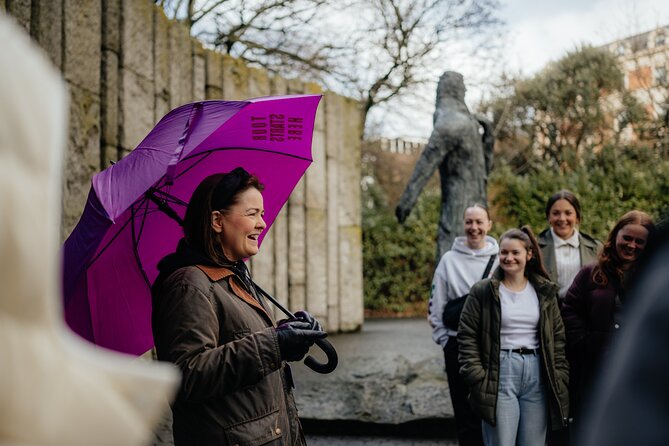
- Small group (max 14): easier questions and less crowd noise as you learn the threads of women’s history in Dublin.
- Women across several turning points: independence politics, the 1916 Rising, suffragettes, and journalism all show up on the route.
- Short, efficient route (about 90 minutes): good first-or-second afternoon plan when you want substance without a long commitment.
- Dubh Linn Gardens included: unlike some city walks, this one actually enters a key location rather than stopping only at the gates.
- Centered around walkable Dublin landmarks: St Stephen’s Green and the Dublin Castle area keep it simple to follow.
- Eco-friendly and mobile ticket: a low-fuss setup that keeps the experience straightforward from start to finish.
Women of Ireland, real Dublin streets, not a lecture
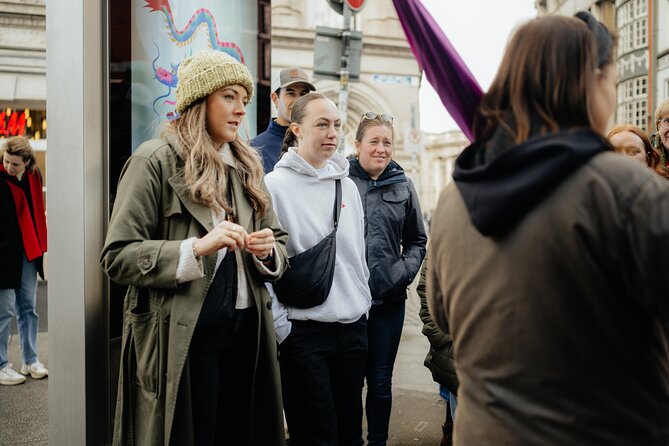
This is the kind of tour that fixes a common problem in city sightseeing. You arrive in Dublin ready for names like Oscar Wilde or James Joyce, and then you realize the biggest stories are often missing half the cast. Here, the focus is on women who were creative, inventive, and downright determined—people who pushed back, organized, or changed what was possible.
What makes it work is the pacing and the route. You don’t sit in one place and get a long talk. Instead, you move through the city in compact segments, and each stop adds one more piece of the bigger picture. You’ll come away seeing how political change, public protest, and even journalism connect to everyday Dublin street corners.
Also, you’re not looking at women’s history as a side theme. The tour is organized around major chapters, including the fight for independence and the 1916 Rising, then it shifts into the suffragette movement and into later figures like Veronica Guerin. That structure helps your brain keep the timeline straight.
If you want a tour that feels practical, readable, and grounded in places you can point to on a map, this fits well. It’s also friendly for mixed backgrounds: a guide can tailor the level of detail so you don’t feel lost or bored.
You can also read our reviews of more tours and experiences in Dublin.



Price and timing: a 90-minute plan that won’t mess up your day
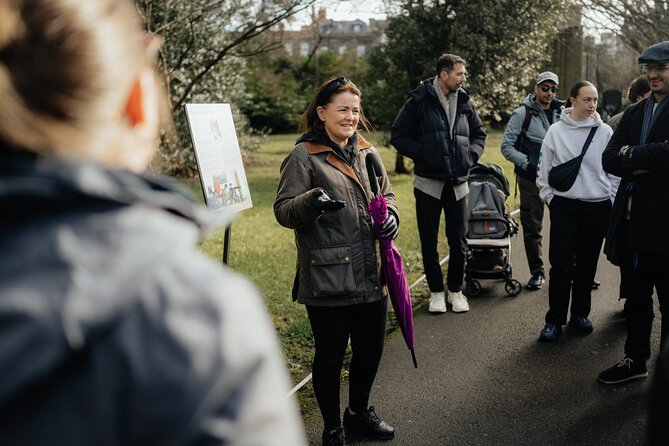
The price is $17.35 per person, and for a guided small-group walk in central Dublin, that’s a smart spend. You’re not paying for a private car, and you’re not buying a meal. Instead, you’re paying for time with a guide and the ability to turn streets into a story.
The tour runs about 1 hour 30 minutes, starting at 11:00 am. That timing matters. It’s long enough to learn several figures and get your bearings, but short enough that you can still do other things that same afternoon, like museums, pubs, or a second neighborhood walk.
The tour uses a mobile ticket, which is ideal in a city where you may have spotty phone reception at random corners. Bring your phone charger if you can, but you should be set as long as you can display the ticket when you meet the guide.
One planning note: the tour meets at St Stephen’s Green and finishes by Dublin Castle’s gardens. That means your day ends in a different area than where it begins. It’s convenient if you’re heading toward the center anyway, but if you’re only comfortable with one area, you may want to plan your next stop before you set off.
Small-group size: what “max 14” changes on the sidewalk
A lot of walking tours say small group, then you end up in a bundle of 20 people with someone repeating instructions loudly at the back. Here, the cap is 14 travelers, which changes the experience.
With fewer people, you get:
- easier eye contact with the guide
- fewer interruptions
- more chances to ask questions when something doesn’t click
It also keeps the tour moving. A 90-minute schedule works best when there’s less congestion at each stop. And because the tour is focused on specific figures, you’ll likely enjoy it more when you can hear the explanation without straining.
This is also the kind of group size that can be calmer if you’re traveling solo or as a couple. You’re not swallowed by a crowd, and you can absorb the stories without feeling like you’re part of a rush.
Where you start: St Stephen’s Green and Countess Markievicz
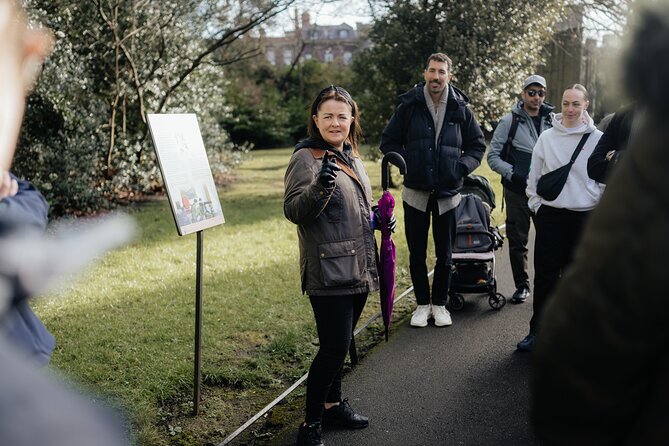
You begin at the Wolfe Tone Sculpture in St Stephen’s Green. That’s a good choice because the park area is easy to orient around, and it’s a central starting point for a walking route.
The first stop focuses on a bust of Countess Markievicz and her role in the fight for independence. This opener matters because it sets the tone. You’re not starting with a random biography fact. You’re starting with a political figure tied to independence, and that political frame carries through the rest of the walk.
It lasts about 15 minutes, and there’s no admission ticket required for this segment. If you like your tours to build momentum quickly, this is a solid first chapter. It also helps you understand why later stops about protests and activism feel connected rather than separate.
Royal College of Surgeons: women during the 1916 Rising (from outside)
Next you go to the Royal College of Surgeons. Important detail: the tour does not enter the RCSI building. You’ll spend about 15 minutes there, with the guide covering women who held RCSI during the 1916 Rising, including Margaret Skinneder.
Admission is not included for this stop. The good news is that you’re not required to pay for entry because the tour is described as not entering. Still, it’s worth knowing you won’t get a behind-the-scenes visit here. If you were hoping to see interior rooms or exhibits, plan to do that separately on your own.
Why this stop is valuable anyway: learning from outside doesn’t make the stories weaker—it just keeps the walk efficient. You’ll get the context, the names, and the significance of women’s involvement, and you move on before the morning starts to drag.
This stop is also a good checkpoint. If you’re new to Irish history, the 1916 Rising topic can anchor you fast. If you already know the broad strokes, it adds a more personal dimension by highlighting women connected to the institution.






Mercer Street Upper: Margaret Anne Cusack, the Nun of Kenmare
From RCSI, the route heads to Mercer Street Upper for the story of Margaret Anne Cusack, known as The Nun of Kenmare. This is another 15-minute stop with no admission ticket required.
This segment is especially good if you like women’s history that isn’t only about politics and public protest. The title you get on this stop tells you the guide is going to connect her identity and impact to the social fabric of Ireland, not just one headline moment.
It also helps with variety. After hearing about independence and the Rising, you get a different kind of influence—more about service and presence. That pacing keeps the tour from feeling like one topic repeated at different locations.
Ship Street Great: suffragettes and Hannah Sheehy-Skeffington
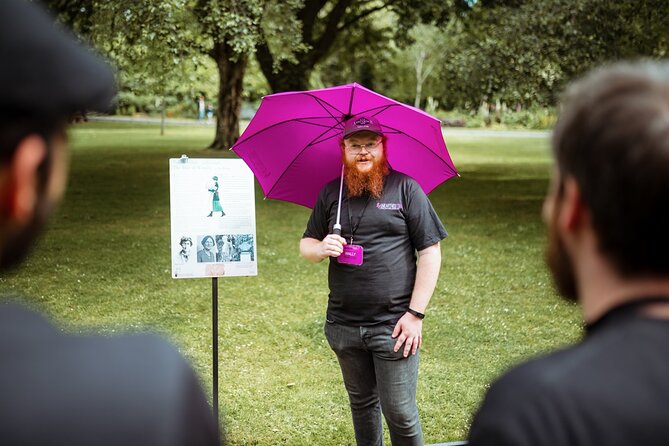
Next comes Ship Street Great, where the guide explains the suffragette movement with Hannah Sheehy-Skeffington as a key figure. Again, plan on about 15 minutes, and admission is free for this stop.
For me, suffrage stories land best when they connect directly to street-level details: where people gathered, where ideas circulated, and how public life shifted. Even without extra museum time, this kind of stop can help you picture the movement as something lived, not just written about in books.
It’s also a useful bridge to the later parts of the route. You’ll notice that the tour keeps returning to courage: not always the same style of courage, but courage in action—whether it’s fighting for independence, shaping institutions, or pushing for political change.
Dubh Linn Gardens: Veronica Guerin, plus an actual garden visit
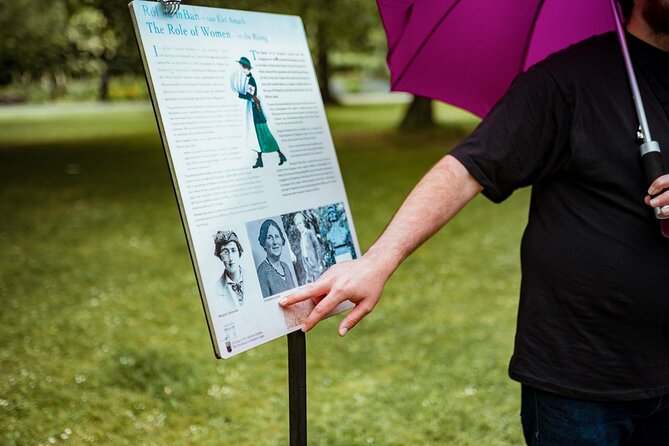
Then you reach Dubh Linn Gardens and learn about Veronica Guerin. Here’s a difference-maker: the tour enters the gardens, rather than only pausing at the entrance.
This is about 15 minutes, and admission for this stop is free. If you’ve only done Dublin walking tours that stay on sidewalks, this feels like a nice change of pace. Gardens are also naturally better for reflection, and they give the stories a quieter stage.
Veronica Guerin is a name that signals a shift toward public scrutiny and modern Ireland. The tour’s structure sets you up for that transition: earlier stops are about independence and major movements, and now you’re moving into the world of reporting and public impact.
If you like taking photos, this is where you’ll likely enjoy it most. You get greenery, a calmer atmosphere, and a chance to slow down for a moment—still with a guide explaining how the story fits into Dublin’s larger picture.
Dublin Castle area finish: Anne Devlin and modern Ireland
The tour ends at the Dublin Castle area (specifically finishing in the gardens of Dublin Castle, near Dame St). The stop focuses on Anne Devlin, and the guide also talks about modern Ireland.
Just like RCSI, the tour does not enter Dublin Castle, and admission is not included for this segment. It’s still a strong finish. Dublin Castle is a recognizable center point, and ending there helps you tie the earlier political threads to the Ireland you see today.
This last segment is also a good chance to ask the guide what to do next. Since the tour ends near a major landmark, you can use that momentum to plan your afternoon—whether that’s wandering the surrounding streets, visiting a museum, or continuing with your own self-guided exploration.
What to expect from the guide style (and why it matters)
This tour lives or dies on the guide. The route is compact, and the topics are emotionally and politically charged. A guide who can pace things well keeps it from feeling heavy, and helps you actually absorb what you’re hearing.
Based on the guide approaches highlighted for this experience, expect someone who can handle different levels of history background and keep the tone light-hearted without losing the point. You’ll also want a guide who tells small side stories to make each stop feel real in your mind. That kind of storytelling is exactly what helps a short tour feel longer in a good way.
If you’re the type who likes your tours to be clear and organized—start with one figure, then move outward—that should work well here. The 15-minute blocks at each location keep you from getting lost.
Who this tour suits best
I’d recommend this women’s history walking tour if:
- you want a short, high-impact Dublin plan
- you’re tired of only hearing about famous Irish men
- you like connecting people to specific places you can walk to
- you want a small-group format so the tour feels personal
It can also work well as an intro tour. In about 90 minutes, you’ll see a chain of meaningful stops and learn how women figure into major Irish chapters—from independence to the Rising to suffrage and later public life.
If you’re looking for a long museum day, this isn’t that. You’re not going inside RCSI or Dublin Castle, and you’re not given lunch time. This is best as a focused walking experience you add to the rest of your itinerary.
A realistic drawback to consider before you book
Because the tour doesn’t enter RCSI or Dublin Castle, it’s possible you’ll want more “inside access” at those landmarks. If you’re someone who loves interior exhibits and architectural details up close, you might feel a bit limited.
The trade-off is time and flow. You’re getting the route kept moving, and you’re spending your time hearing stories rather than lining up at doors. Still, it helps to go in with the right expectation: this is about women’s footsteps around Dublin streets, not a full-site tour of major institutions.
Should you book Women Of Ireland: Trailblazers & Pioneers?
If you want a tour that makes Dublin feel more complete, I think you should book it. The price is low enough that you can fit it in without stressing your budget, and the structure is tight enough to give you a satisfying learning arc in about 90 minutes.
It’s also a smart choice if you care about women’s history told through place, not just through names on a page. You’ll walk from St Stephen’s Green toward the Dublin Castle area, hitting meaningful stops like Mercer Street Upper, Ship Street Great, and Dubh Linn Gardens—and ending with a discussion of modern Ireland tied to Anne Devlin.
Just make sure it matches your style. If you need interior access, plan separate time for museums or castle grounds on your own. If you’re happy with a guided, story-driven walk, this one is a strong value.
FAQ
How long is the tour?
It runs for about 1 hour 30 minutes.
Where does the tour start?
You meet at the Wolfe Tone Sculpture in St Stephen’s Green, Dublin.
What time does the tour start?
The start time is 11:00 am.
Where does the tour end?
It ends in the gardens of Dublin Castle near Dame St.
How big is the group?
The tour is limited to a maximum of 14 travelers.
Is transportation included?
No private transportation is included.
Is admission included for all stops?
Admission is free at some stops, but admission is not included for the Royal College of Surgeons and Dublin Castle areas (and the tour does not enter those sites).
Does the tour enter RCSI or Dublin Castle?
No. The tour does not enter RCSI and does not enter Dublin Castle.
Is lunch included?
No lunch is included.
Can I cancel for a refund?
Yes, you can cancel for free up to 24 hours before the experience’s start time. If the tour is canceled due to not meeting the minimum number of travelers, you’ll be offered a different date/experience or a full refund.