REVIEW · DUBLIN
10-Day Ultimate Small-Group Tour of Ireland from Dublin
Book on Viator →Operated by Overland Ireland LTD · Bookable on Viator
Ten days, one tight route, lots of Ireland. This small-group tour (max 15) turns big-name places into a smooth plan, with air-conditioned Mercedes Sprinter transport, nine nights of good lodging, and admissions handled for you. On past departures, guides such as Pat O’Mara, David Armitage, and Jack Healy have brought history to life with humor and smart pacing, so you’re not just driving past stops.
I love that so many of the day’s “must-dos” are already built in: Rock of Cashel, Blarney Castle, the Cliffs of Moher, Ross Castle, Kylemore Abbey, Giant’s Causeway, Carrick-a-Rede, Ardara Distillery tasting, and the walking tour in Derry. You’ll also like the rhythm of scheduled sights plus free time in places like Kinsale, Dingle, Galway, and Belfast, so evenings can be yours. One trade-off: you’ll be on the move a lot (driving averages about 2.5 hours per day), and some outdoor stops depend on weather—if they’re canceled, there’s no refund.
In This Review
- Key highlights worth your attention
- Price and logistics: what you’re really paying for
- Small-group experience: why the bus size matters in Ireland
- Day 1: Rock of Cashel, Blarney Castle, then Kinsale’s harbor energy
- Day 2: Ring of Kerry highlights without the full loop, plus Kenmare and Ross Castle
- Day 3: Slea Head Drive and the Dingle Peninsula at photo speed
- Day 4: Sheepdog work, the Burren, and the Cliffs of Moher from land
- Day 5: Ferry to Inis Oírr and a sea-view Cliffs cruise, then Galway
- Day 6: Galway morning walking (optional) plus Connemara and Kylemore Abbey
- Day 7: Benbulben folklore and a castle hotel in Lough Eske
- Day 8: Slieve League cliffs, Ardara whiskey tasting, and Derry’s walls
- Day 9: Giant’s Causeway, Carrick-a-Rede, Dunluce Castle, and Belfast
- Day 10: Titanic Belfast, then back to Dublin
- What to expect in your day-to-day schedule
- Gear, pace, and small practical tips
- Should you book this 10-day Ireland tour?
- FAQ
- Where does this tour start and end?
- What time does the tour start?
- How long is the tour?
- What’s included in the price?
- Are lunch and dinner included?
- Is there free time during the trip?
- How many people are in the group?
- What about weather and refunds?
- What luggage can I bring?
- Is the tour refundable if I cancel?
Key highlights worth your attention
- Max 15 people keeps the pace human and the coach size friendly for Ireland’s narrower roads
- Major admissions included at Rock of Cashel, Blarney Castle, Cliffs of Moher, Ross Castle, Kylemore Abbey, Giant’s Causeway, Carrick-a-Rede, and more
- Guide-led history with personality, including leaders like Pat O’Mara, David Armitage, and Jack Healy
- Two island/water moments with the Shannon crossing plus a ferry to Inis Oírr and a Cliffs of Moher cruise
- Free time built in, so you can choose pubs, music, and wandering at your own speed
- A smart balance of icons and regional stops, from the Burren to Connemara to Donegal
Price and logistics: what you’re really paying for
At $3,853.34 per person for about 10 days, this isn’t “cheap Ireland.” It’s closer to you buying convenience plus access. You get nine nights in selected local boutique hotels/guesthouses, breakfast each morning (9 breakfasts), and transport to every stop by Mercedes Sprinter.
Then there’s the value of included entry fees and guided experiences. Rock of Cashel, Blarney Castle, Cliffs of Moher, Ross Castle, Kylemore Abbey, Giant’s Causeway, Carrick-a-Rede, the distillery tasting, and the Titanic experience are all on the list, plus the Derry walking tour. If you tried to build this yourself, you’d spend real time coordinating tickets, ferries, and reservation-style logistics.
The most honest way to decide is this: if you hate planning (routes, ticket windows, where to sleep, which town to base in), the price starts to look reasonable. If you’re the type who loves solo flexibility and is comfortable driving, you could spend less—but you’ll pay in your time and effort.
You can also read our reviews of more tours and experiences in Dublin.

Small-group experience: why the bus size matters in Ireland
This tour caps at 15 travelers, which changes the whole feel of Ireland travel. Smaller groups make it easier to get on and off the bus fast, manage narrow roads, and actually talk with your guide without shouting.
It also helps when plans shift. Past feedback highlights guides who can react quickly when conditions change, instead of just forcing you to wait. For example, one group credited David Armitage for rerouting during a major storm with solid alternative options.
And yes, guide personality is a big deal here. Several write-ups focus on humor and storytelling—Pat O’Mara and Jack Healy in particular—and the way guides mix regional history with practical tips for where to eat and what to do in the evenings.
Day 1: Rock of Cashel, Blarney Castle, then Kinsale’s harbor energy
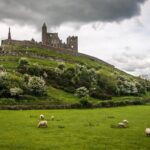
Your first day kicks off with the drive out of Dublin toward County Tipperary. The Rock of Cashel is a classic: medieval round tower, chapel, cathedral, and castle on a limestone outcrop that’s been drawing people for over a thousand years. It’s a strong opener because you get context for Ireland’s old power centers right away.
Next comes County Cork and Blarney Castle & Gardens. The included admission covers Blarney Castle, and you can take part in kissing the Blarney Stone if you’re up for the climb. Even if you’re not thrilled by tourist rituals, the gardens are a lovely place to slow down and look at the grounds at your own pace.
Then you finish in Kinsale, the West Cork harbor town many people use as a first base because it’s easy to wander. You’ll have free time in the streets and around the waterfront, and it’s a good town for a first night where you can judge the local pace.
Day 2: Ring of Kerry highlights without the full loop, plus Kenmare and Ross Castle
Day 2 aims at the Ring of Kerry viewpoints along the Wild Atlantic Way, without forcing the entire loop. You start with Kenmare, known for colorful streets and an easy welcome, which makes it a good early stop when everyone is still getting used to the schedule.
You’ll then pass through Killarney National Park with stops including Moll’s Gap and Ladies View for panoramic lake-and-mountain views. After that, Ross Castle puts you at the water’s edge of Lough Leane, where the 15th-century fortress helps you picture clan life and local legends.
You end in Dingle, which tends to win people over quickly. Expect lively harbor energy, traditional music culture, and seafood as a default option for dinner. Even with a set itinerary, Dingle gives you that “this is why I came” feeling.
Day 3: Slea Head Drive and the Dingle Peninsula at photo speed
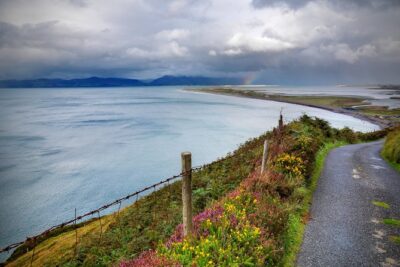
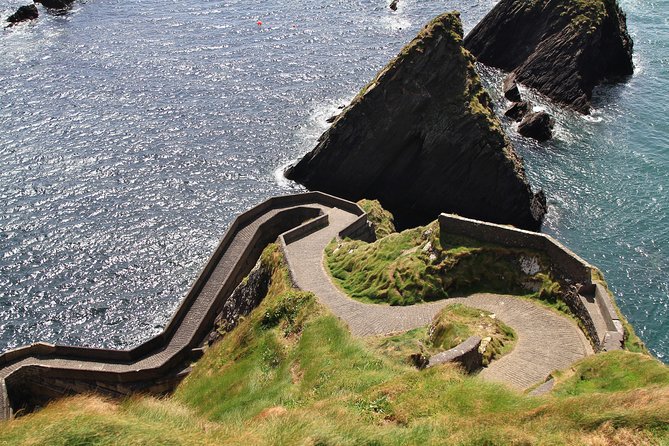
Day 3 is all about one of Ireland’s best coastal drives: Slea Head Drive along the Dingle Peninsula. The bus stops for photo moments at rugged headlands and scenic stretches, with chances to see ancient beehive huts and small harbors along the way.
If you like scenery more than museums, this day is built for you. The Included time here helps because you’re not trying to navigate every turn on your own while keeping track of timing.
After returning to Dingle around lunchtime, the rest of the afternoon is free. That matters. You can do a relaxed second pass through the town, grab seafood, or find traditional music without rushing back to the bus.

Day 4: Sheepdog work, the Burren, and the Cliffs of Moher from land
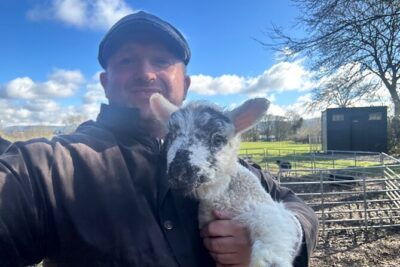
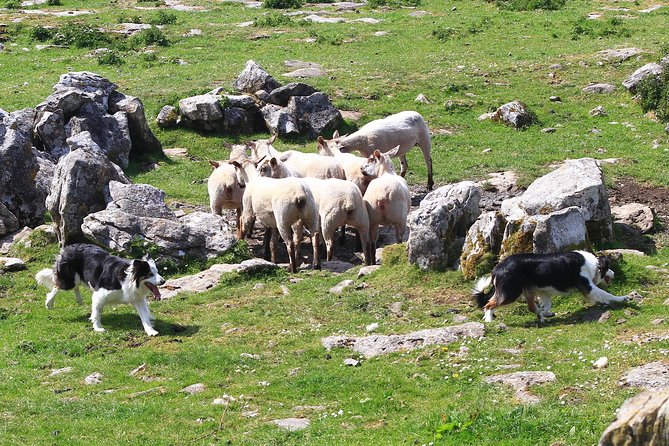
You leave Dingle and head north through Connor Pass, then toward golden sands in the Castlegregory area. Then comes a highlight that many people remember long after the photos: the West Kerry Sheep Dog Demonstrations.
This isn’t just a show. It’s the logic of herding—farmer and dog working together across fields—played out in a way that feels genuinely Irish. On Tuesday departures, the sheepdog stop shifts to Atlantic Sheepdogs near Grange, so the experience stays in the schedule even if the specific location changes.
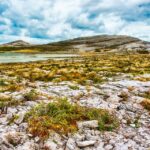
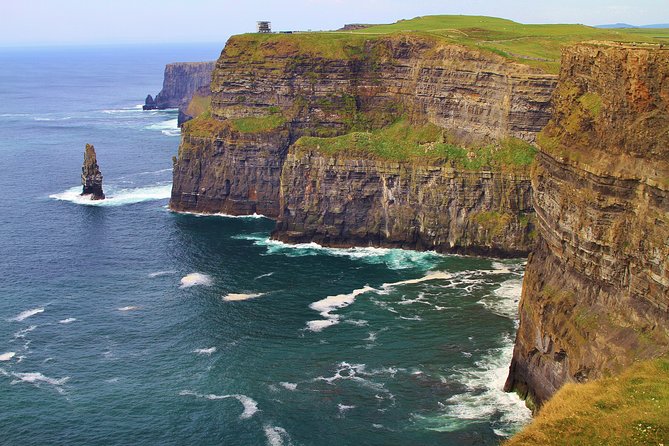
From there, the route shifts to County Clare and the otherworldly limestone feel of the Burren National Park. Then it’s on to the Cliffs of Moher, where you’ll have time to stroll the cliff edge and take in those sweeping Atlantic views. Expect wind and changing light; that’s part of the magic.
You finish the day in Doolin or Ennistymon, with evening time for music and craic. This is a good pairing because the cliffs are an intense “wow,” and the pub atmosphere helps you land the day.
Day 5: Ferry to Inis Oírr and a sea-view Cliffs cruise, then Galway
Today starts with the ferry trip to Inis Oírr, the smallest and most remote of the Aran Islands. White-sand beaches, ancient ruins, and villages with a long rhythm of daily life make this a change of pace from mainland Ireland.
When you return, you get a Cliffs of Moher cruise. Seeing the cliffs from the water gives you angles you can’t get from walking the edge, and it’s a great photo reset after the land view.
Then back on land, you drive through the Burren National Park again, which is useful if you like rare plants and archaeological history in a place that looks almost prehistoric. You finish in Galway, with free time in the city center where music, art, and food make wandering easy.
Day 6: Galway morning walking (optional) plus Connemara and Kylemore Abbey
Day 6 starts in Galway, and you can either do a “Welcome to Galway” walking tour or strike out on your own. The walking option is about getting your bearings fast—narrow streets, historic landmarks, and the City of the Tribes story.
Then you head into Connemara, where mountains, lakes, and small villages define the mood. The star stop is Kylemore Abbey, with included entry to the Victorian walled gardens. It’s one of those places where the setting does half the work, but the gardens give you that quiet walk time you’ll want after driving days.
You end in Westport, a harbor-bay town with pleasant streets and coastal views. It’s a good evening location because it’s not chaotic, and you can keep plans simple—walk, eat, and call it a night.
Day 7: Benbulben folklore and a castle hotel in Lough Eske
Your morning is another Westport free-time block, including a chance to see Westport House area and stroll around the quay. This kind of “buffer time” helps if you want to move slower than the itinerary.
Then you head through County Sligo and stop at Benbulben, a dramatic mountain tied to Irish legend about Diarmuid and Gráinne. Even without heavy background, it’s the kind of viewpoint that makes you understand why stories grow in places like this.
You finish at Lough Eske Castle, a historic castle hotel by Lough Eske. The included overnight stay is a real treat point in the middle of the trip—space to unwind when the itinerary has been intense.
One practical note: some recent feedback called out that rooms in Northern Ireland can feel cramped and hot. If that would stress you, think about packing light layers and asking about room comfort details when you arrive.
Day 8: Slieve League cliffs, Ardara whiskey tasting, and Derry’s walls
Day 8 pushes into Donegal’s dramatic coast. Your first major stop is Slieve League, among the highest sea cliffs in Europe. You’ll stand at viewpoints above the Atlantic and feel how exposed this part of Ireland can be.
Then you drive the Glengesh Pass, a winding mountain road where the views keep changing with each turn. It’s one of those routes that’s better from a bus with stops than from a car if you’re trying not to over-focus on navigation.
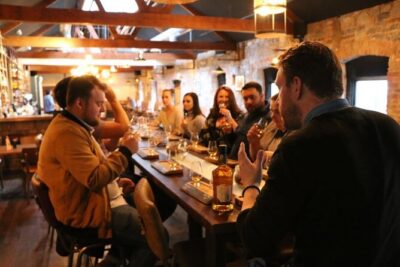
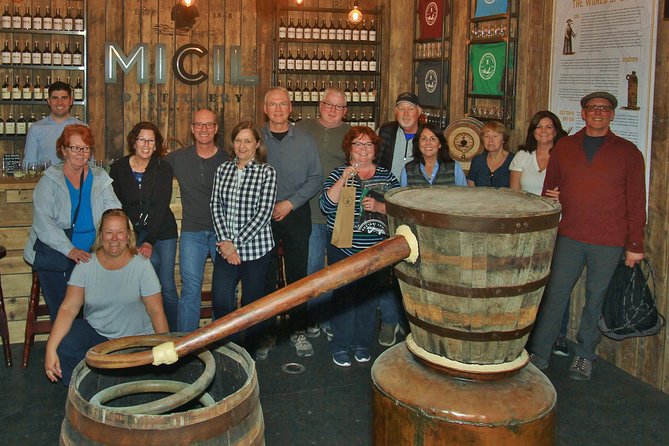
Next is the Sliabh Liag Distillers – Ardara Distillery stop with a tour and tasting. You’ll learn the craft of Irish whiskey and sample what George Bernard Shaw famously called liquid sunshine.
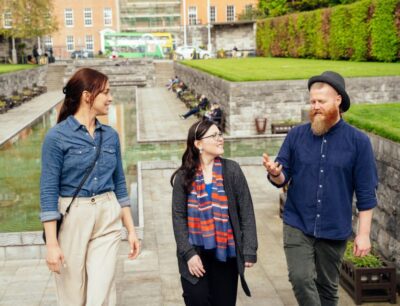
In the afternoon you move to Derry and take a guided walking tour focused on the Troubles and the city’s iconic 17th-century walls. It’s heavy material, but guided context can make it easier to process. Evening time is free for pubs and restaurants in the city.
Day 9: Giant’s Causeway, Carrick-a-Rede, Dunluce Castle, and Belfast
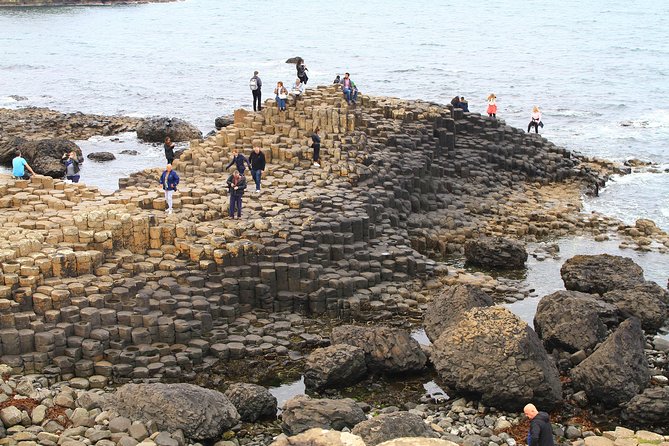
This is a day for serious icons. The Giant’s Causeway stop includes the experience at the UNESCO site, walking among hexagonal basalt columns created by ancient volcanic activity. It’s one of the few places where the scenery feels engineered by nature’s math.
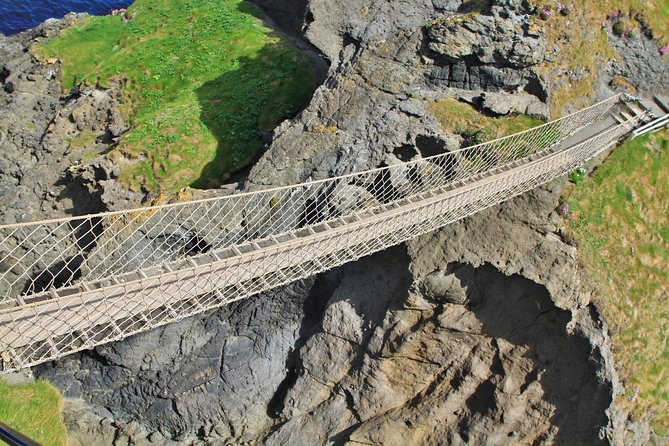
Next comes Carrick-a-Rede Rope Bridge, with access dependent on weather. If it’s open, crossing gives you that “you’re really up there” feeling, with Atlantic views dropping below you.
You also visit Dunluce Castle. Even if ruins aren’t your thing, the castle’s position on the cliffs is what people remember—dramatic, scenic, and a bit movie-like.
Then you finish in Belfast with free time around the Cathedral Quarter. It’s a good place to end because you can keep the night easy: street art, pubs, and a relaxed walk when you don’t want one more big attraction.
Day 10: Titanic Belfast, then back to Dublin
You start with free time in Belfast, especially around the Cathedral Quarter. Use this time to browse shops, see murals, and decide where you want your last meal before the schedule catches up.
Then it’s Titanic Belfast, included entry to an award-winning interactive museum on the site where Titanic was designed and launched. It’s hands-on and storytelling-driven, and it tends to land well even if you’re not a “ship person.”
In the afternoon you return to Dublin for your final drop-off time, with your guide sharing local tips if you’re continuing on in the city. The tour ends at Heuston Station, which makes it easy to take trains or trams after.
What to expect in your day-to-day schedule
Expect a routine: morning departure, a few key stops, lunch on your own, then an afternoon arrival in the next town. Driving time averages about 2.5 hours per day, but some days feel longer because of stop-and-go timing and the walking involved at major sites.
Free time is real here—built into several evenings. That’s where you’ll get the Ireland you remember: a pub with live music, a relaxed waterfront walk, or a second look at a town street after you’ve learned the lay of the land from your guide.
Included meals are only breakfast. Lunch and dinner are your responsibility, so build your budget for that. If you want a smoother trip, pick one “nice meal” per day and keep the rest practical.
Gear, pace, and small practical tips
Come ready for weather swings. The trip recommends packing light layers, a raincoat, and sunscreen. That’s especially smart for cliffs and coastal stops where wind can change quickly.
Baggage rules matter. You can bring a maximum of one suitcase up to 143 lbs (65 liters) plus one carry-on. If you travel with a lot of heavy gear, you’ll feel it during transfers.
If you’re thinking about accessibility or health concerns, there’s a note that alternative options may be arranged if certain activities can’t be done. It’s worth mentioning needs up front so planning can be handled early.
Should you book this 10-day Ireland tour?
Book it if you want a guided, efficient route that hits Ireland’s biggest visual stops plus the west-coast towns that make the country feel human. The included admissions, ferry moments, and walking tour in Derry are the kind of things that would take real planning to replicate yourself.
Skip it (or at least compare options) if you hate moving every day. This itinerary is packed with major sights, and the trade-off is constant transit plus outdoor/weather uncertainty at a few stops like Carrick-a-Rede.
If you do book, I’d plan to enjoy the evenings. That’s where the small-group style shows up: you’re not just rushing through places—you’re able to choose how your day ends, whether that’s music in Doolin, a second Dingle wander, Galway food, or a Belfast pub stop after Titanic.
FAQ
Where does this tour start and end?
It starts at Ashling Hotel Dublin 10–13 Parkgate St, Stoneybatter, Dublin 8, and it ends at Heuston Station in Dublin 8 (Heuston, Heuston Station, St John’s Rd W).
What time does the tour start?
The start time is listed as 8:00 am.
How long is the tour?
The duration is 10 days (approx.).
What’s included in the price?
Included are 9 nights of accommodation, breakfast (9), professional tour guide service, transportation in an air-conditioned Mercedes Sprinter, and a long list of included admissions and experiences such as Rock of Cashel, Blarney Castle entry, Cliffs of Moher entrance, Ross Castle, ferry to Inis Oírr, Cliffs of Moher cruise, Kylemore Abbey entry, Giant’s Causeway experience, Carrick-a-Rede rope bridge, Ardara distillery tour and tasting, Slieve League, Titanic Belfast, Shannon Ferry crossing, and a Derry walking tour.
Are lunch and dinner included?
No. Lunch and dinner are not included unless specifically specified, and food and drinks are generally not included.
Is there free time during the trip?
Yes. The trip includes free time throughout.
How many people are in the group?
The tour has a maximum of 15 travelers.
What about weather and refunds?
If activities or experiences are cancelled due to weather conditions, no refund is provided.
What luggage can I bring?
You’re allowed a maximum of 1 suitcase (maximum is 143 lbs or 65 liters) and 1 carry-on bag.
Is the tour refundable if I cancel?
The experience is listed as non-refundable and cannot be changed for any reason.