REVIEW · DUBLIN
Complete tour of Dublin in Italian
Book on Viator →Operated by Senza Meta - La Dublino dei Dublinesi Tour in Italiano/inside Dublin walking tour · Bookable on Viator
Italian stories make Dublin click fast. This Dublin walking tour in Italian strings together the city’s most famous landmarks with the kind of street-level context that’s hard to find on your own, with a guide who speaks Italian so nothing gets lost in translation. You’ll hear stories and anecdotes that connect the big names of Dublin to everyday life, from nightlife to cathedrals to old university legends. I love the clarity of an Italian guide and the way each stop gets a short, story-shaped explanation.
Here’s what I especially like: the pace gives you time to take photos and videos, and there’s also a planned break so you can handle the basics without stress. I also appreciate that the guide facilitates interaction and keeps attention even across the group, which matters when you’ve booked a language-specific tour and want to ask questions.
One possible drawback: this is a 3-hour walk with quick stops, so you won’t have long inside-the-buildings time. If you’re the type who wants to linger for hours or go deep into one site, you may feel a bit rushed.
In This Review
- Key highlights that make this tour worth it
- The Route: a 3-hour Dublin loop from Molly Malone to Temple Bar
- Temple Bar nightlife district: what to notice in 20 minutes
- Christ Church Cathedral: old stones plus the stranger stories
- Dublin Castle and Victoria Gardens: Vikings and Normans, seen from outside
- Molly Malone Statue: the legend behind the famous song
- Dublinia: Vikings and the connection you can actually picture
- St Patrick’s Cathedral: saints, myths, and the story of place
- Ha’penny Bridge: why this bridge is Dublin’s most talked-about detail
- Trinity College Dublin: truth vs legend in Ireland’s oldest university
- Why the Italian guide is the real value
- Photos, bathroom breaks, and food/music tips that help after the tour
- Price and timing: is $29.03 good value for this format?
- Who should book this Dublin in Italian walking tour?
- Should you book it?
- FAQ
- How long is the Dublin in Italian walking tour?
- What language is the tour guide?
- Where does the tour start and end?
- Is there a mobile ticket?
- Are any admission tickets mentioned for the stops?
- What happens if I cancel?
Key highlights that make this tour worth it
- Italian-first explanations so you get full meaning, not just “tourist words.”
- Story-driven stops that link places like Dublin Castle and Trinity College to legend and local life.
- Short, efficient visits with built-in time for photos and a bathroom break.
- A less-touristy feel thanks to stops that don’t always get top billing on the biggest mass tours.
- Practical guidance for music and food, including recommendations so you don’t get fleeced.
- Small-group energy (up to 30) that makes questions feel normal, not disruptive.
The Route: a 3-hour Dublin loop from Molly Malone to Temple Bar
The tour starts at the Molly Malone Statue on Suffolk St (Dublin 2). From there, you move through a compact route that covers a lot of Dublin’s identity in a short window, ending in Temple Bar, the city’s best-known nightlife neighborhood.
Why this matters: Dublin can feel spread out if you’re relying on buses or trams every time. This kind of walking loop helps you get your bearings fast. It also means you’ll see both “postcard Dublin” and the historical anchors that tourists often race past.
The tour is scheduled for about 3 hours, and it’s described as “complete” in the sense that it balances landmarks with the stories behind them. You’ll also have confirmation at booking and a mobile ticket, which is handy if you’re juggling reservations across multiple cities.
You can also read our reviews of more tours and experiences in Dublin.



Temple Bar nightlife district: what to notice in 20 minutes
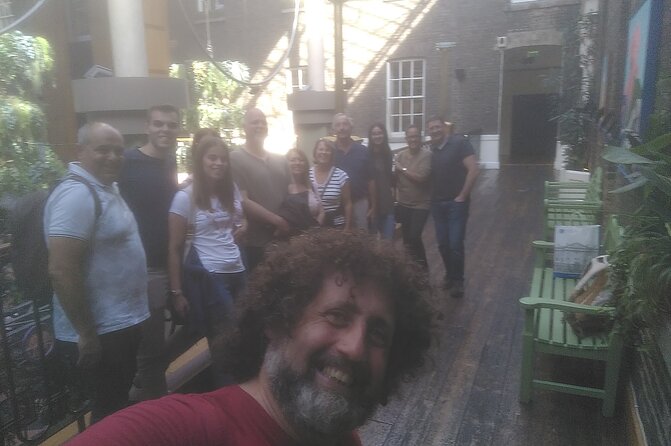
Your first stop is Temple Bar. You’re not stuck inside a bar; you’re walking through the nightlife district and getting the story behind it—how it became the symbol of Dublin’s evenings.
What you’ll actually do here is look, listen, and learn. Even in a short 20-minute stop, a good guide helps you read the area instead of just photographing signs and pub fronts. You’ll learn what makes Temple Bar Dublin-specific, and how it fits into the city’s broader social life.
Practical thought: if you’re not a nightlife person, it’s still a smart orientation point. Temple Bar is also a good marker for where you’ll end—so by the time you finish, you already understand the neighborhood’s role.
Christ Church Cathedral: old stones plus the stranger stories
Next up is Christ Church Cathedral. The plan is an outside look—20 minutes—focused on the cathedral’s history, legends, and some of the strangest anecdotes.
Outside-only can sound limiting, but it’s actually a strong way to start learning. You’ll see the scale and setting, then the guide stitches together why it exists here and what people have said about it over time. With the Italian commentary, that narrative stays clear, and you’re not left guessing at “what you’re supposed to notice.”
If you like places that come with legends, this stop is built for you. If you want long interior time, treat this as the “orientation and myth” chapter, then plan separate time later if you’re curious to go inside.
Dublin Castle and Victoria Gardens: Vikings and Normans, seen from outside
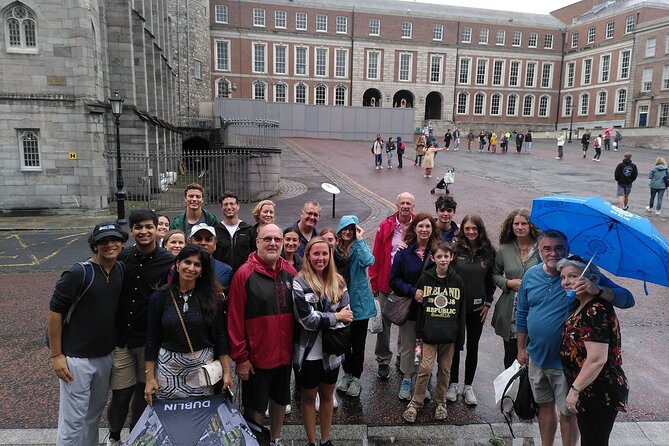
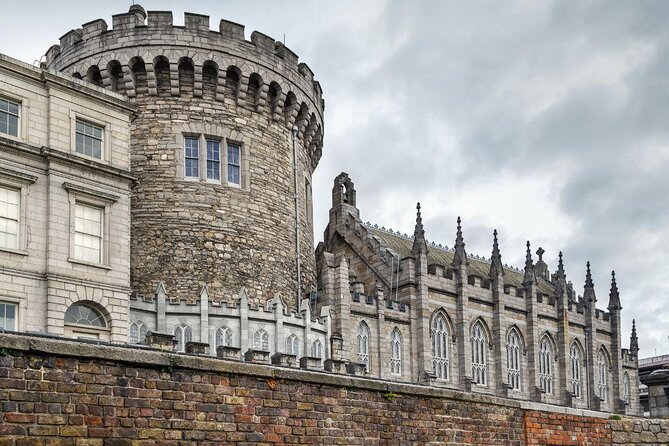
Then you shift to Dublin Castle, plus the Victoria Gardens, also from the outside for about 20 minutes. This is where the tour connects Dublin to two major forces: the Normans and the Vikings.
The value here is perspective. Dublin Castle often shows up on lists as a landmark, but with context it becomes a timeline in stone and structure. You’ll also get a quick sense of how power and settlement shaped the city’s layout, even if you’re only seeing the exterior.
A consideration: because the stop is relatively short and outside-focused, this is about understanding the site’s role, not exhausting details. Think of it as the “big-picture map” before you wander later under your own steam.
Molly Malone Statue: the legend behind the famous song
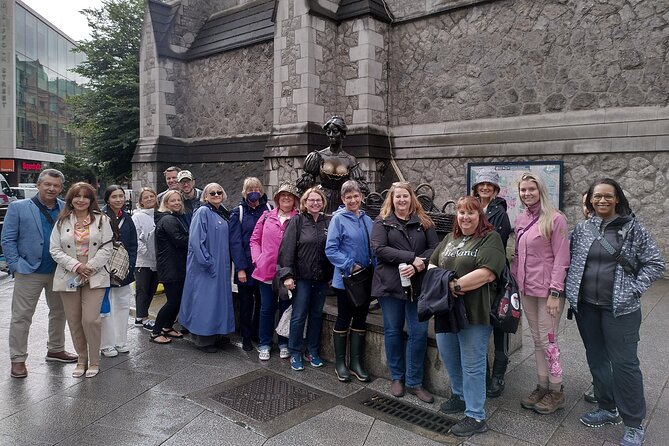
You’ll pause at the Molly Malone Statue for about 10 minutes, and the guide uses this spot to explain the history and the legend of Ireland’s most famous girl.
This kind of stop is surprisingly useful if you grew up hearing songs and myths but never understood their roots. With an Italian guide, the story lands cleanly: you’re not just learning a name—you’re learning why the tale stuck.
Also, Molly Malone works as a reset point in the walk. It’s short, easy, and it gives you a cultural anchor you can carry into the next stops.






Dublinia: Vikings and the connection you can actually picture
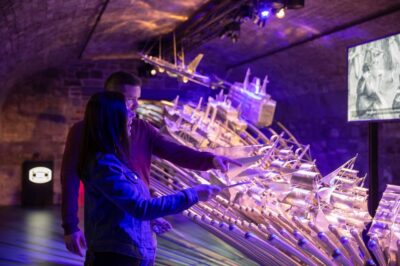
The tour includes a short stop at Dublinia for about 10 minutes. The focus is how deeply Dublin’s history connects to the Vikings who founded it.
This is one of the more “meaningful in a short time” stops. Even if you don’t linger, a guide can help you build a mental model: where the Vikings fit into the later Dublin you see today, and how that shows up in the city’s identity.
If you’re the type who likes cause-and-effect stories—how one era leads to another—this is a good stop to check off early. Then, when you later see Viking references around Dublin, they’ll make more sense.
St Patrick’s Cathedral: saints, myths, and the story of place
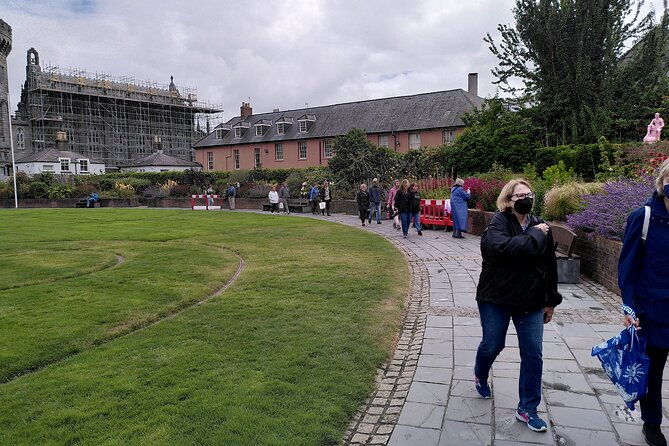
You’ll make another 10-minute stop at St Patrick’s Cathedral. The plan here is to learn the history and legends tied to the cathedral and the saint it honors.
This stop works best when you’re open to how religion and storytelling shaped public memory. Even as an outside visit, it gives you context for why certain figures matter in Irish culture, and why legends keep repeating across centuries.
Consideration: if you’re very strictly factual and dislike legend, you may find this stop a little more story-heavy than you prefer. But the tour is clearly built to treat Dublin as both history and narrative.
Ha’penny Bridge: why this bridge is Dublin’s most talked-about detail
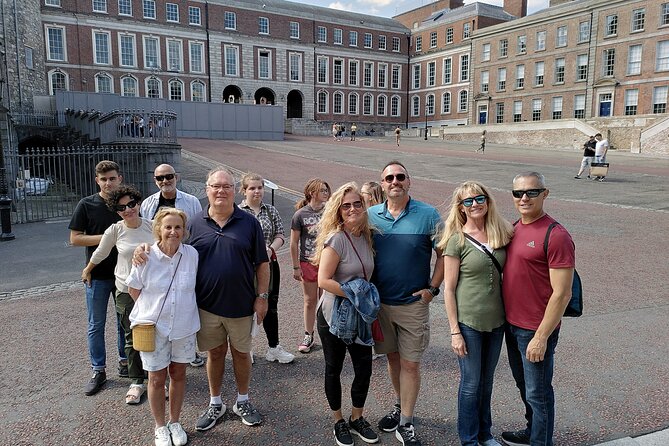
Next is Ha’penny Bridge, a brief 5-minute stop. The guide’s job here is simple: explain what makes Dublin’s most fascinating bridge unique.
A short stop can still be worthwhile if the guide points out what you’d miss. Bridges are easy to pass without meaning. A good explanation turns it into a clue about how Dublin grew, moved, and traded value—often literally and socially.
If you love “small details with big stories,” this is your moment. If you’re tired from walking, it’s also short enough that it won’t drain you.
Trinity College Dublin: truth vs legend in Ireland’s oldest university
The tour finishes with Trinity College Dublin for about 10 minutes. This is billed as the oldest university in Ireland, or maybe, and the guide uses that ambiguity to highlight how parts of Ireland live between truth and legend.
This is a clever final chapter. After cathedrals, castles, and statues, you end on education and myth—an angle that feels very Dublin. You’ll likely leave with more questions than you started with, which is often the best sign a guide gave you real context.
And since the tour ends in Temple Bar, you can use the rest of your evening with smarter instincts. You’ll know you’re stepping into a neighborhood with history, not just a nightlife zone.
Why the Italian guide is the real value
The headline feature here is that the guide speaks Italian, with enough detail that explanations don’t turn into a blur. The tour is built around making history and social context understandable without language barriers.
I like this approach because it changes how you experience a city. You stop thinking in fragments—photos, names, dates—and you start understanding relationships: why one era leads to another, why legends grow around real places, and how neighborhoods evolved.
The review notes also highlight specific guide strengths. You’ll see mentions of guides like Elisa, described as highly prepared and available for questions during walking and city discovery, and Giulio, praised for moving through Dublin with history and stories and even adding a local sweet during the walk. That kind of human warmth matters on a tour like this because it keeps the group engaged instead of drifting into passive sightseeing.
Also, you get logistical support: the guide helps with interaction between participants and gives advice to make your stay easier and more pleasant. You’re not just dropped at a list of stops.
Photos, bathroom breaks, and food/music tips that help after the tour
This tour includes built-in flexibility so you can actually enjoy it. You’ll have time for photos and videos, and there’s a break to use the bathroom if needed. That sounds basic, but on a walking tour it’s the difference between a fun morning and a cranky scramble.
One of the most practical inclusions is recommendations for where to listen to music and where to eat and drink, with an emphasis on avoiding tourist traps. That’s especially useful in Temple Bar. It’s easy to spend your whole first night in the most expensive places without realizing it, so having a guide’s guidance helps you spend your time and money better.
Coffee and/or tea aren’t included, so plan to grab that on your own if you want it.
Price and timing: is $29.03 good value for this format?
At $29.03 per person for about 3 hours, this is priced for value rather than luxury. And for your money, you’re not just paying for walking instructions. You’re paying for:
- a professional Italian-speaking guide
- short but meaningful storytelling at major landmarks
- photo time
- a break for bathrooms
- advice on food and music
The tour typically gets booked about 20 days in advance, which tells me it’s a schedule many people choose. If your trip dates are fixed, I’d treat it as something to lock in earlier rather than “maybe later.”
The group size max is 30, which keeps it small enough for questions without turning into a stampede.
One more note that affects value: the itinerary lists admission as free for each stop, and most stops are designed as outside looks or short orientation stops. That means you’re paying for context more than entry fees. If you want inside-only museum immersion, this might not replace a ticketed attraction day—but for orientation and storytelling, it’s strong.
Who should book this Dublin in Italian walking tour?
Book it if you:
- want a Dublin overview that covers history, legends, and neighborhood vibe in one morning/afternoon block
- need an Italian guide to fully follow explanations
- like walking tours that explain why places matter, not just where they are
- want practical recommendations for music and food right after you finish
Skip it (or plan extra time elsewhere) if you:
- need long time inside major sites
- prefer silent touring with no storytelling
- want a super slow pace with lots of independent wandering
It’s also a good fit for solo travelers, couples, and small groups since the guide facilitates interaction and supports logistical needs.
Should you book it?
Yes—if your goal is to understand Dublin quickly and accurately in Italian, this is a solid choice. The route ties together Temple Bar, cathedrals, Dublin Castle, Trinity College, and the story spots in between, and the guide’s job is to make the connections make sense. For the price, you’re getting real guidance plus practical after-tour tips, not just a walk and a few photos.
If you’re the kind of traveler who wants to spend hours inside buildings or you’re chasing deep museum content, you’ll probably want this plus a separate longer attraction day. But as a first, second, or even rainy-day orientation plan, it’s the kind of tour that leaves you feeling like Dublin is speaking back to you.
FAQ
How long is the Dublin in Italian walking tour?
It lasts about 3 hours.
What language is the tour guide?
The tour is in Italian, with an expert guide who speaks Italian.
Where does the tour start and end?
The tour starts at the Molly Malone Statue on Suffolk St, Dublin 2, and ends in Temple Bar.
Is there a mobile ticket?
Yes, the tour uses a mobile ticket.
Are any admission tickets mentioned for the stops?
The itinerary indicates admission tickets are free for the listed stops.
What happens if I cancel?
This experience is non-refundable and cannot be changed for any reason.
—
If you want, tell me your travel dates and what you already plan to do in Dublin, and I’ll suggest the best time slot to book this so it sets up the rest of your day well.