REVIEW · DUBLIN
Dublin: Hop-on Hop-off Bus Tour
Book on GetYourGuide →Operated by DoDublin · Bookable on GetYourGuide
Dublin gets loud fast, so a bus loop helps you get your bearings. I like that this hop-on hop-off ride keeps you close to the big sights while still letting you pause for photos, museums, or just a slow walk. Two things I really like are the live English guide and the way the route threads together the city’s culture—from Trinity to Guinness—without you needing a strict plan.
You’ll also appreciate the practical freedom of a 24-hour or 48-hour ticket, so you can match your day to the weather and your stamina. One possible drawback: Dublin traffic can slow the ride, and a few routes may feel less speedy than you’d hope, even though the commentary keeps things fun.
In This Review
- Key things to notice before you ride
- Why a hop-on hop-off loop is the smart way to see Dublin
- Price and value: does $36 make sense for a Dublin starter plan?
- Where you board and how often the buses run
- The double-decker ride: what it feels like in real life
- The route in chunks: how to plan your hop-ons without overthinking it
- O’Connell Street to the National Museum/Galleries: starting with Dublin’s public face
- Trinity College and the Book of Kells: the headline stop
- Stephen’s Green and Grafton Street: picnic energy meets lively streets
- Museums and science stops: small breaks that keep the day fun
- Cathedrals and heritage: from Dublinia to St Patrick’s
- Whiskey stops and pub culture: Teeling, Jameson, and Roe & Co
- Guinness Storehouse: why it’s on almost every first-timer list
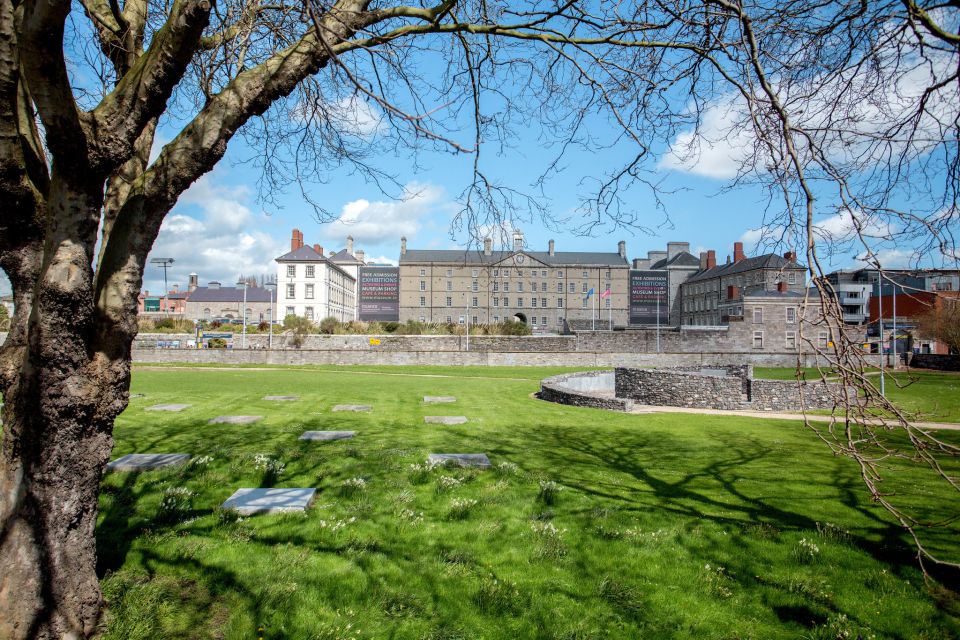
- Castle and Chester Beatty Library: history in the middle of the modern city
- Kilmainham and the Royal Hospital Museums: Dublin’s big history zone
- Phoenix Park and Dublin Zoo: space, air, and a change of pace
- Docklands Tour option: an extra 1 hour 45 minutes perspective
- Live guide style and multilingual audio: how to get the most out of the narration
- Tips for timing your day: beat the crush and plan around traffic
- Who this tour suits best (and who should skip it)
- Should you book the DoDublin hop-on hop-off bus tour?
- FAQ
- How long is the hop-on hop-off ticket valid?
- Where does the tour start?
- What time do the buses run on the original route?
- How long is the Docklands Tour option?
- What is included in the ticket besides the bus ride?
- Are entrance fees included for attractions like Guinness and Trinity?
- Is there a free child ticket?
Key things to notice before you ride
- Double-decker hop-on hop-off means you can stay on, or hop off for one or two targeted stops
- Live guiding in English plus multilingual audio keeps the info coming in your preferred way
- Many major Dublin highlights are on the same loop, so you avoid lots of point-to-point transit
- Free entry to the Little Museum of Dublin is a real bonus if you like character-driven history
- Guide/driver style matters, and the experience is often boosted by humor, sing-alongs, and jokes
- A Docklands extension option gives you a second-angle route that runs for about 1 hour 45 minutes
Why a hop-on hop-off loop is the smart way to see Dublin
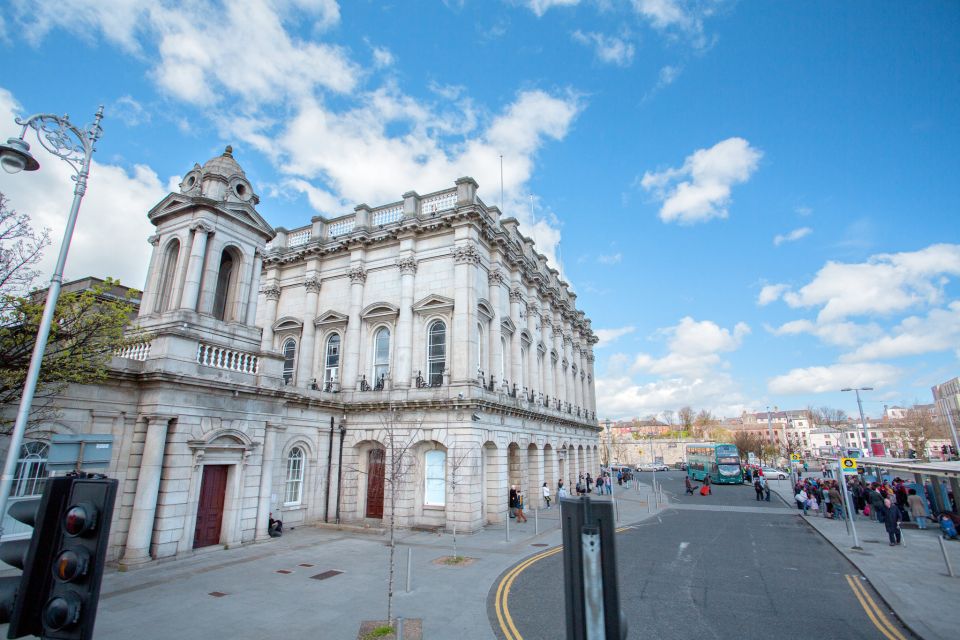
Dublin is compact, but it’s not small. Streets are busy, attractions are spread out across several neighborhoods, and walking everything in one day can feel like a test of willpower. This kind of bus tour is built for pacing: you can ride the full circuit to orient yourself, then pick the stops that actually pull you in.
I also like that the tour is not only about landmarks. The route is timed around the places that make Dublin feel like Dublin—university life around Trinity, literary and arts stops near the center, and bigger-picture history when you swing toward Kilmainham and Phoenix Park.
You can also read our reviews of more tours and experiences in Dublin.



Price and value: does $36 make sense for a Dublin starter plan?
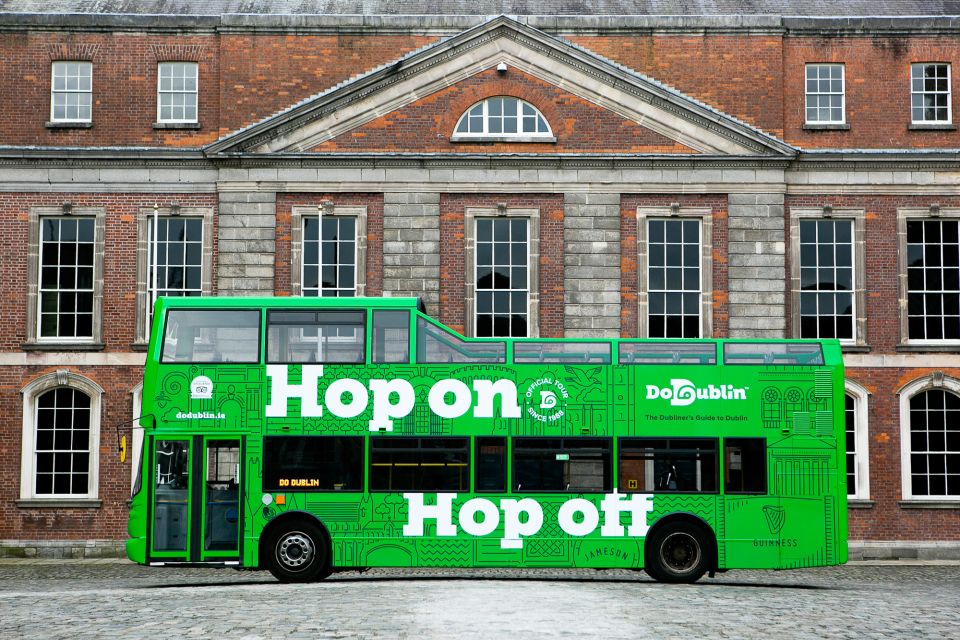
At $36 per person, the value depends on how you travel. If you’re doing a short visit with limited time, a hop-on hop-off ticket can act like a “transport + orientation” combo: you pay once, then decide how many attractions you want to tackle with that saved time.
Here’s the practical logic. You get either 24 hours or 48 hours to use the bus, and the stops cover a lot of ground where you’d otherwise spend time jumping between buses, trams, or taxis. If you hop off only twice or three times, it can still be worth it because the bus does the heavy lifting—getting you near the sites and back again—while you choose what to pay entrance fees for.
Just know what isn’t included: entrance fees are not included unless specified. So think of the ticket as paying for the ride and guidance, while the attractions are your optional add-ons.
Where you board and how often the buses run
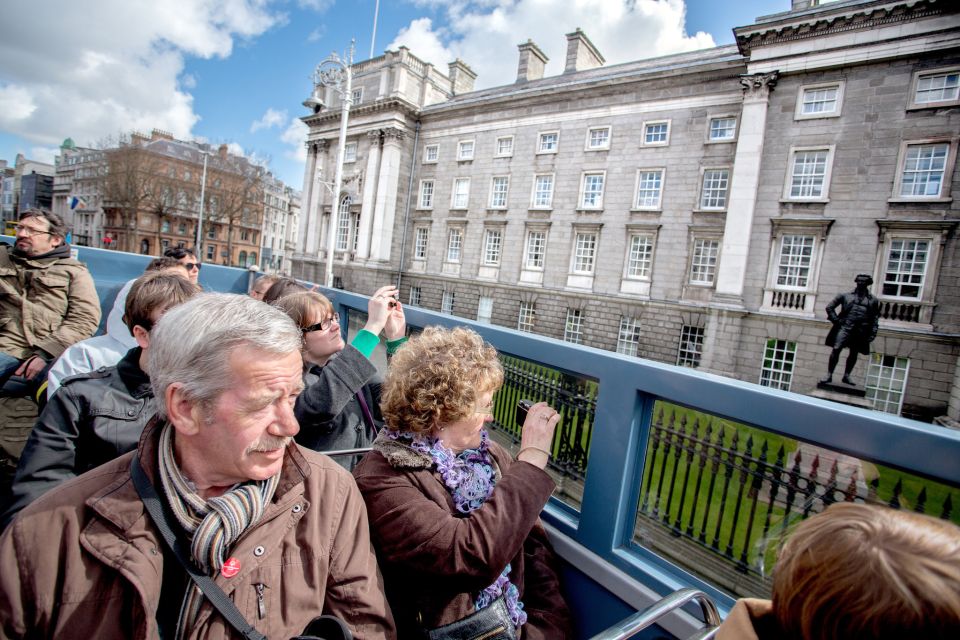
You start near O’Connell Street / DoDublin HQ, with the main stop listed as Rotunda, Dublin Bus Head Office, 59 O’Connell Street Upper. That’s a good base because it’s central and easy to find, plus it keeps the tour loop from feeling like an inconvenient detour on day one.
Service runs from 09:00 to 18:00 on the original loop, with frequent departures:
- Buses every 30 minutes from 09:00 to 10:00
- Every 20 minutes until 16:00
- Every 30 minutes until 18:00
That schedule matters because hop-on hop-off tours work best when you can wait a few minutes and still keep your day moving. If you’re trying to fit in Guinness, Trinity, and one cathedral visit without stress, the frequency helps.
The double-decker ride: what it feels like in real life
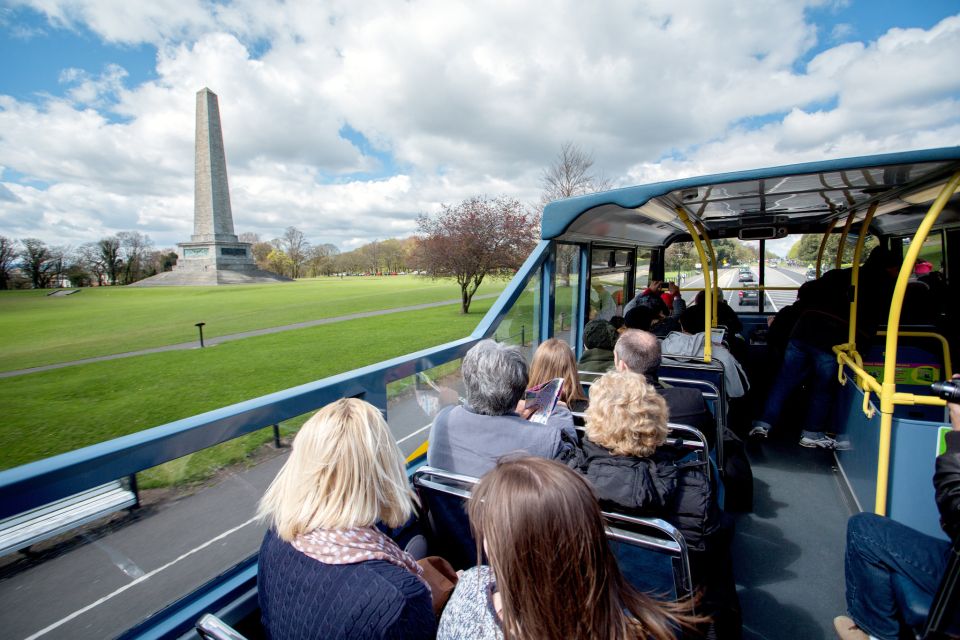
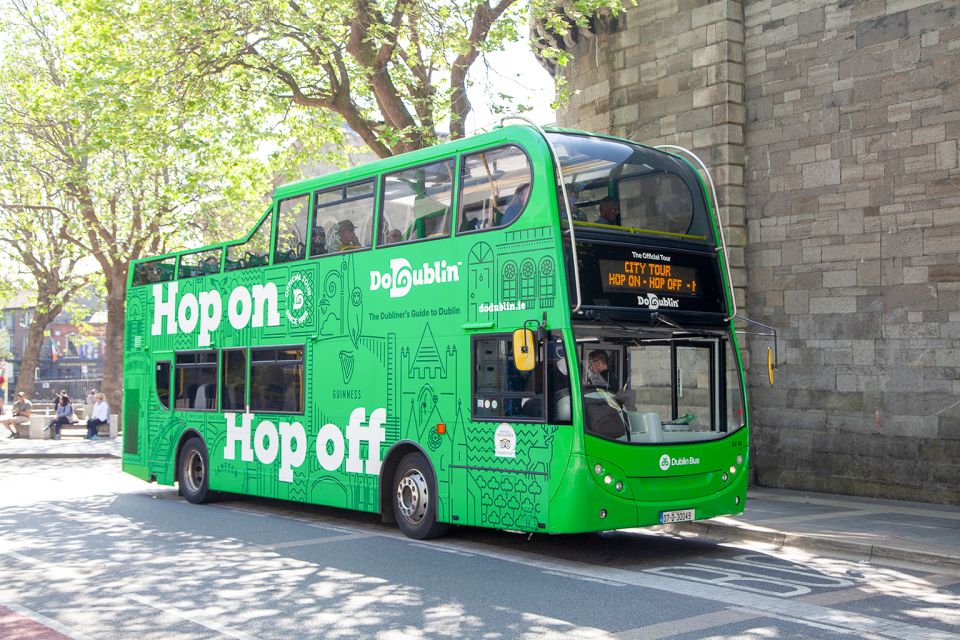
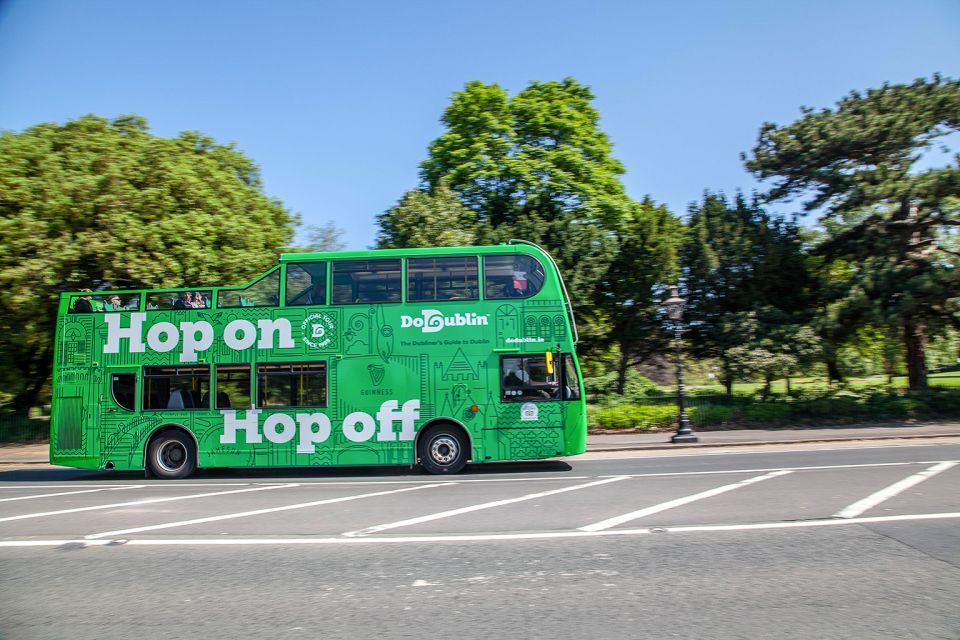
This is a double-decker bus, so you’ll usually get better sightlines than you would from a standard city bus. You’ll be able to sit up top for skyline views when the route swings through open areas, then switch to the lower deck when you want faster boarding or easier photo angles.
The commentary is also part of the value. You get live tour guide narration in English, and you also have an audio guide that covers Spanish, Chinese, German, Italian, Russian, English, Portuguese, French, and Irish. That means the information stays available even if the live guide is hard to hear over street noise.
And one more thing: the experience often leans lively. Guides and drivers named in past trips—like Martin, Ray, Brendon, Fiona, and Tyrone—are described for humor and personal touches. If you like history told with energy (including Irish songs like Molly Malone), this tour style can be a plus.
The route in chunks: how to plan your hop-ons without overthinking it
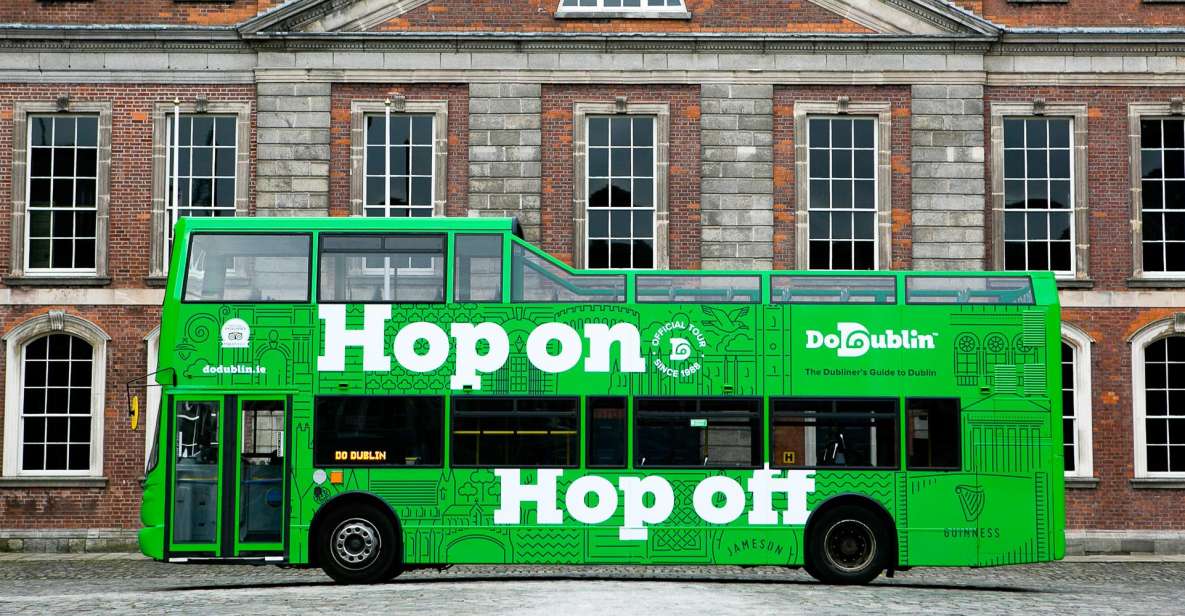
You can treat the bus route like three zones:
- Central classics: museums, galleries, cathedrals, and shopping streets
- University and riverside culture: Trinity College and nearby stops
- History on the edges: Kilmainham area and then Phoenix Park
You don’t need to map every stop in advance. A simple approach works: ride the first loop to get your bearings, then hop off where you want more time. Use the bus to bounce between clusters rather than trying to walk everything in one long straight line.






O’Connell Street to the National Museum/Galleries: starting with Dublin’s public face
Right from the start, the route lines up several institutions that show Dublin’s big themes: art, culture, and public history. You pass by stops like:
- General Post Office area (iconic in Dublin’s modern story)
- National Library of Ireland
- National Gallery of Ireland
- Leinster House and the Natural History Museum
This is where the tour earns its keep for first-timers. Even if you don’t go inside every building, you’ll see how Dublin’s center mixes civic power with museums and education.
If you’re the type who likes to choose one “big museum moment,” this zone is where you can decide quickly. You’ll also have enough nearby stops to make it easy to pair one indoor visit with a short walk to a nearby green space or street scene.
Trinity College and the Book of Kells: the headline stop
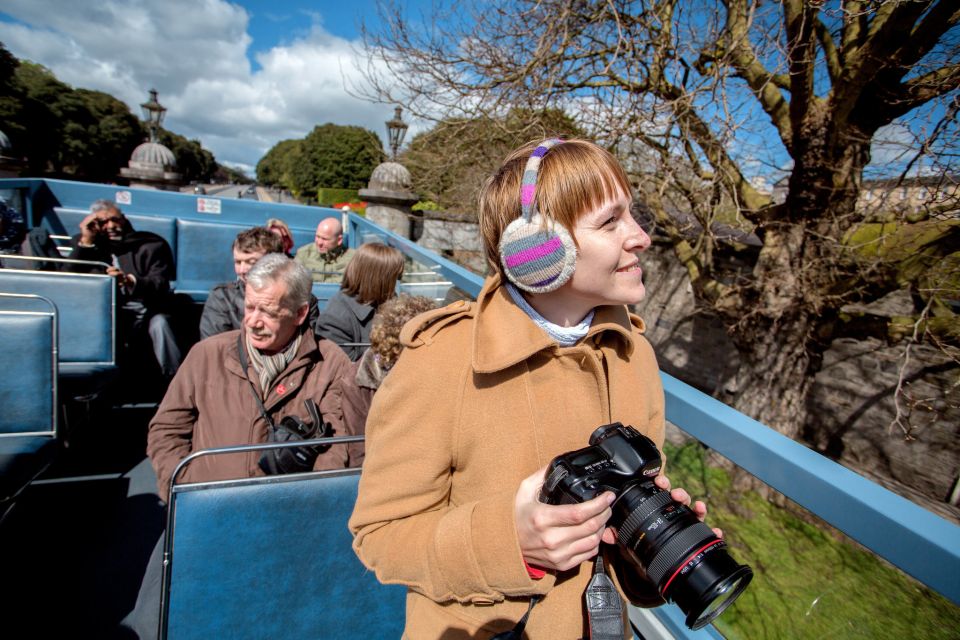
Trinity College is one of those Dublin anchors. The bus gets you close to Trinity College Dublin and the Irish Whiskey Museum nearby, which is a fun pairing if you want something lively after a formal visit.
The top draw here is the Book of Kells. If it’s on your must-do list, build your time around it. This is the type of attraction where you’ll want to be present, not rushing in and out between bus departures.
Tip from how people plan their day on this route: get off around the time you can settle in for a focused visit. Then use the bus again when you’re ready to keep moving to your next theme—cathedrals, shopping streets, or a whiskey stop.
Stephen’s Green and Grafton Street: picnic energy meets lively streets
One of the best parts of this route is how it gives you access to Dublin’s calmer center. You can stop by St Stephen’s Green, then connect toward Grafton Street, where you’ll find that classic Dublin street energy.
This is an easy place to build your own mini-plan. If you want downtime, treat St Stephen’s Green as your reset button. If you want to people-watch and stroll, do Grafton Street next. Because the bus is waiting at the stops, you’re not committing to one long walking route.
Also nearby is a stop that’s often worth the quick jump: The Little Museum of Dublin. It’s included with your ticket, so if you like quirky, neighborhood-flavored storytelling, this stop can be a good use of time without adding another entrance fee.
Museums and science stops: small breaks that keep the day fun
The route touches several culture stops that work well in between heavier attractions:
- Writers Museum (great if you enjoy literature and Dublin’s wordsmith culture)
- Science Gallery Dublin
- Oscar Wilde’s Birthplace (another “quick stop” kind of moment)
These are ideal when you don’t want only cathedral-sized stops. You can hop off, spend a short while, then hop back on while you’re still fresh.
It also helps that the bus loop is close enough that you can avoid the stress of trying to fit these locations precisely into a walking map. You can just decide in the moment what you want more of.
Cathedrals and heritage: from Dublinia to St Patrick’s
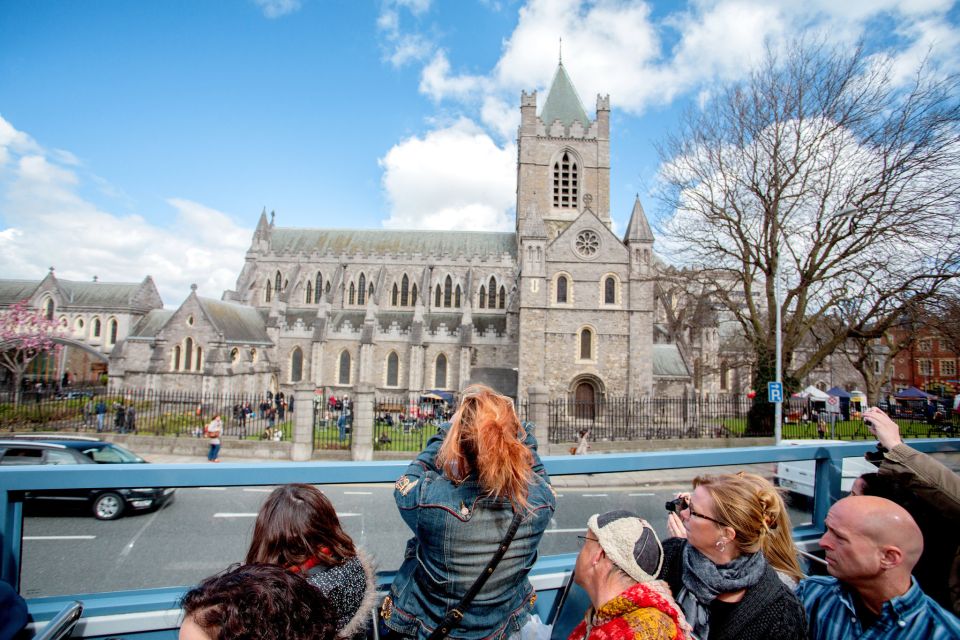
Dublin’s churches aren’t just pretty—they’re part of the story of how the city grew, changed, and survived. This tour route gives you access to key landmarks such as:
- Christ Church Cathedral and Dublinia
- St Patrick’s Cathedral and Marshes Library
These stops are best when you plan for time to look slowly. If you cram them back-to-back, you can miss the details. If you pace it with a museum or a green-space break in between, the cathedral visits land better.
A bonus for many visitors: the bus makes it easy to pair a heritage stop with a nearby museum or a quick lunch break before you head farther out toward the whiskey and Guinness areas.
Whiskey stops and pub culture: Teeling, Jameson, and Roe & Co
If Dublin has a personality, whiskey is one of the major ways it shows up. This tour passes multiple whiskey distillery-related stops, including:
- Teeling Whiskey Distillery
- Jameson Distillery Bow St.
- Roe & Co & Pearse Lyons Distillery (listed along James’s Street)
I like these stops because they’re flexible. If you want a full tour, you can plan a longer visit. If you just want a taste of the story, you can treat it as a shorter stop and spend more time at a cathedral or a museum instead.
Just remember the practical rule: entrance fees are generally not included. So check what you want to pay for ahead of time, then choose which distillery experience fits your schedule and budget.
Guinness Storehouse: why it’s on almost every first-timer list
The bus route includes Guinness Storehouse at St James Gate. This is one of those attractions that’s popular for a reason: it’s a complete visitor experience, not just a single exhibit.
Because it’s such a standout stop, I recommend giving it protected time. If you’re doing just one paid attraction besides Book of Kells, Guinness is often the right pick. Then you can use the bus the rest of the day to reach other sights without spending extra transit time.
Also, the tour route makes it easy to continue onward afterward—either staying near the center for additional cathedrals and castles, or heading toward the next historical area.
Castle and Chester Beatty Library: history in the middle of the modern city
The route also includes:
- Dublin Castle and Chester Beatty Library
- Plus stops that align you with Temple Bar and City Hall
Even if you aren’t planning a full indoor visit at every stop, these areas are great for walking photos and quick orientation. Dublin Castle, for instance, sits in a place where you can see how historical power and modern streets meet.
Temple Bar is also part of the story, even if you’re using it mainly as a waypoint. The bus gets you there without the hassle of navigating every side street.
Kilmainham and the Royal Hospital Museums: Dublin’s big history zone
When the route goes toward Kilmainham, it shifts from city-center strolling to heavier, more memorable history. Key stops include:
- Irish Museum of Modern Art
- Kilmainham Gaol
- Royal Hospital area and Museum of Modern Art (as listed on the route)
- Collins Barracks – National Museum of History
- Heuston Rail Station
This is the zone where I’d slow down. If you’re interested in history with emotional weight—like Kilmainham Gaol—you’ll want actual time there, not just a quick look.
And the bus helps because this isn’t just one attraction. You can choose one major indoor site and pair it with one nearby museum stop, keeping your day structured without needing a private car.
Phoenix Park and Dublin Zoo: space, air, and a change of pace
The tour reaches Phoenix Park, and that’s a big deal in Dublin. It’s listed as once a 17th-century royal hunting park, and the size of it makes you feel like you’re getting a different city once you arrive.
You also get access to Dublin Zoo from here, which is a common reason families and wildlife-minded visitors want this stop. Even if you don’t plan to spend hours, Phoenix Park works as a reset: fresh air, more room to breathe, and views that don’t look like the streets of central Dublin.
If you have a 48-hour ticket, Phoenix Park is a smart target for your second day. By then, you’ll know what you loved most from day one, and you can fit this big-open-space stop without rushing.
Docklands Tour option: an extra 1 hour 45 minutes perspective
There’s also a Docklands Tour option. It departs at 5 past the hour from the second stop on the original route, and the first departure is 09:05 with the last at 18:05. The ride lasts 1 hour and 45 minutes.
If your goal is more than the classic center loop—especially if you want a wider angle at Dublin’s waterfront side—this can be a good add-on. It’s also useful if you’re trying to fill time without committing to a full second day.
Live guide style and multilingual audio: how to get the most out of the narration
The biggest praise in this experience is the human factor. People specifically mention guides and drivers such as Brendon (mixing live commentary with audio), Gareth and Cam (funny and highly informative), Damian, Steven, Fiona, Ray, and Martin. A common theme is that the best rides feel interactive—welcoming new passengers, adding personal commentary, and keeping things light with song and jokes.
That doesn’t mean you only get laughs. The live guide is also tied to the route’s landmarks, so you get context for what you’re seeing—why the place matters, and what to notice while you’re there.
If you prefer to listen at your own pace, rely on the audio guide languages listed earlier. That’s especially helpful if you have mixed language needs in your group.
Tips for timing your day: beat the crush and plan around traffic
Here’s how to make this tour work well for real life:
- Start with one full ride to choose your top stops, then hop off with a plan.
- For the biggest draws like Book of Kells and Guinness Storehouse, reserve your time so you’re not chasing the next bus while waiting in line.
- Use the bus between clusters. Don’t try to walk from Dublin Castle to Phoenix Park in one shot.
- Build in a buffer for traffic. If streets get slow, the commentary keeps the ride moving, but your timing for paid attractions may need slack.
The route is frequent, which helps you adjust. Still, it’s smart to treat the major attractions as anchor points and keep the rest flexible.
Who this tour suits best (and who should skip it)
This hop-on hop-off bus tour is a great fit if you:
- want a first-timer Dublin plan that covers major sights
- like to choose attractions on the fly
- prefer to sit and listen for context, then hop off for visits
- travel with mixed interests (history, art, whiskey, family-friendly stops)
It may not be your best choice if you already know Dublin well and prefer walking routes where you control every step, or if you’re the type who wants deep, slow, one-neighborhood study rather than coverage across the city.
Should you book the DoDublin hop-on hop-off bus tour?
I’d book it if you want convenience and flexibility without building a complicated itinerary. For the price, you’re not just buying a seat—you’re buying an easy day structure, plus live English guiding and multilingual audio that helps you understand what you’re seeing.
If Book of Kells and Guinness are on your list, this tour is a strong way to connect the dots. Add the included Little Museum of Dublin, then use hop-on hop-off freedom to shape the rest of your time around what you enjoy most.
FAQ
How long is the hop-on hop-off ticket valid?
You can choose a ticket valid for 24 hours or 48 hours, which lets you hop on and off as often as you like during that window.
Where does the tour start?
The tour starts at O’Connell Street / DoDublin HQ, with the listed option at Rotunda, Dublin Bus Head Office, 59 O’Connell Street Upper.
What time do the buses run on the original route?
The first tour departs at 09:00 and the last tour departs at 18:00, with buses running every 30 minutes from 09:00 to 10:00, every 20 minutes until 16:00, and every 30 minutes until 18:00.
How long is the Docklands Tour option?
The Docklands Tour lasts 1 hour and 45 minutes. It departs at 5 past the hour from the second stop on the original route, with the first at 09:05 and the last at 18:05.
What is included in the ticket besides the bus ride?
The ticket includes the hop-on hop-off tour for the selected duration, complimentary entry to the Little Museum of Dublin, and audio guidance in multiple languages.
Are entrance fees included for attractions like Guinness and Trinity?
Entrance fees are not included unless specifically stated. The tour ticket mainly covers the hop-on hop-off transport and included items.
Is there a free child ticket?
Yes. One child under 15 is free with a paying adult. Additional children cost €10 for a 24-hour ticket and €15 for a 48-hour ticket.