REVIEW · DUBLIN
Dublin: Windmill Lane Recording Studios Tour
Book on GetYourGuide →Operated by Windmill Lane Recording Studios · Bookable on GetYourGuide
Dublin has a music workshop you can tour. Windmill Lane Recording Studios has shaped Irish and global hits since 1978, and the guided walk takes you straight into the places where that sound was built. I love the working-studio vibe, with tour guides who are also musicians and producers, so the explanations land in real-world terms.
I also love the finale: a commissioned binaural recording that gives you a 360-degree sound moment. One thing to plan around: it’s a historic three-story building with limited access and no lift, so mobility-impaired guests may find it difficult to participate.
In This Review
- Key Tour Takeaways
- Windmill Lane: A Dublin Studio With Global Credibility
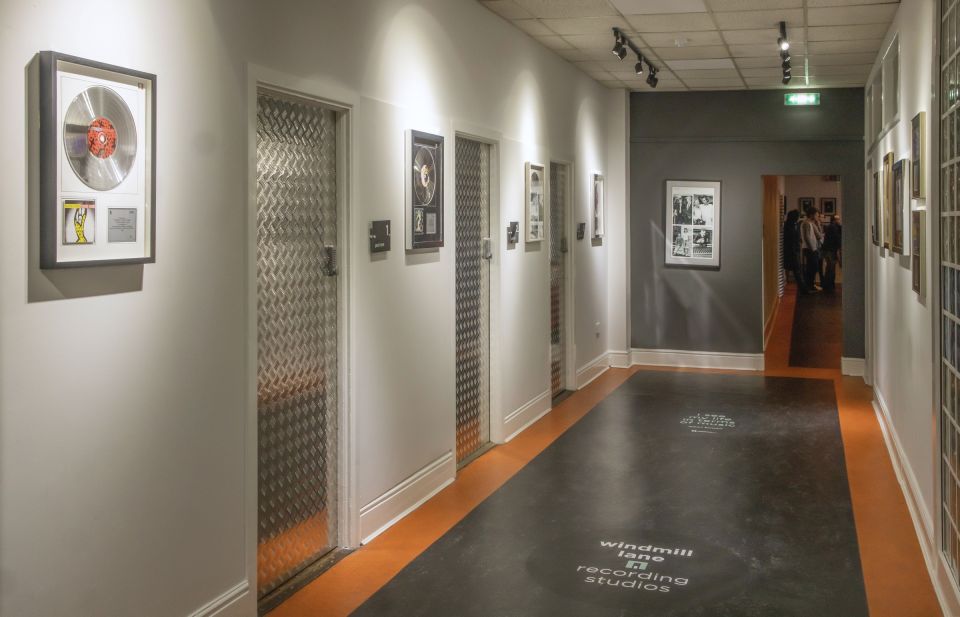
- Meeting at the Studios: Metal Doors, Real Rooms, Real Timing
- Studio 1 Walkthrough: Seeing the Room Behind the Sound
- How Recording Tech Evolved: From Early Devices to Modern Software
- Live Room Listening: When You Hear the Process, Not Just the Result
- The Binaural 360-Degree Finale: A Sound Demo You Can Feel
- Guides Make the Difference: Maeve, Aidan, Zara, Maria, Stefan, and More
- Price and Value: Is $25 Worth It for a 1-Hour Tour?
- Who Should Book This Tour (And Who Might Skip It)
- Practical Tips: What to Know Before You Go
- Should You Book Windmill Lane Recording Studios?
- FAQ
- How long is the Dublin Windmill Lane Recording Studios tour?
- What is included in the $25 ticket price?
- Where does the tour start and end?
- Are cameras or large bags allowed?
- Is the tour suitable for children?
- Is the tour accessible for wheelchair users or mobility impairments?
Key Tour Takeaways
- Studio 1 access: see the room tied to huge numbers of major releases
- Musician-led explanations: guides use real production language, not museum talk
- Tech timeline: how recording gear evolved from early devices to modern computer software
- Live-room recording demo: you listen while the guide explains what’s happening
- Binaural 360-degree audio: a special end-of-tour sound experience
- No cameras, no big bags: plan to travel light inside a working studio
Windmill Lane: A Dublin Studio With Global Credibility
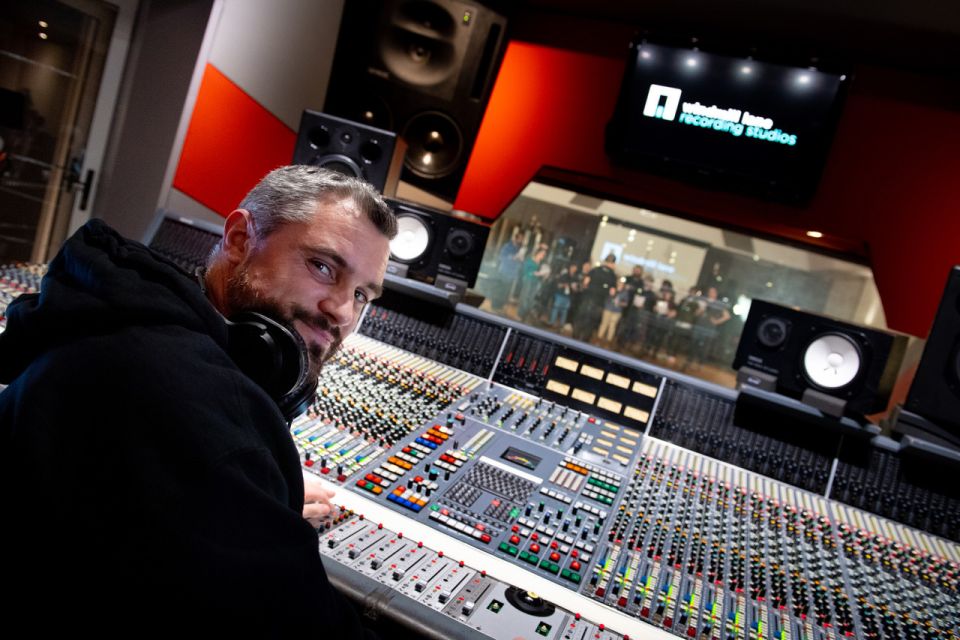
Windmill Lane isn’t a fake movie set. It’s a working recording studio in Dublin County, and that matters because the tour stays grounded in how the process actually runs. You’re stepping into a place that’s been active since 1978, and the guide connects the dots between famous names and the technical choices that made those records work.
From the start, you’ll hear how the building helped shape both the Irish scene and the wider music world. Expect to get stories tied to artists like U2, Lady Gaga, Hozier, Westlife, The Cranberries, Kylie Minogue, Riverdance, and The Rolling Stones—and you may also hear additional big-ticket names referenced along the way.
What I find most satisfying is that this tour isn’t only about star power. The best parts focus on the craft: mic placement, room sound, levels, mixing, and how recording technology changed over the decades.
You can also read our reviews of more tours and experiences in Dublin.



Meeting at the Studios: Metal Doors, Real Rooms, Real Timing

Your tour starts at Windmill Lane Recording Studios. From there, you’ll follow your English-speaking guide through the studio spaces, and the total time is about 1 hour (you’ll want to check start times when you book).
A quick note on pace: this isn’t a slow wander where you can linger wherever you please. It’s structured, which keeps the story flowing and helps you get the important rooms and demonstrations in the time you have.
One more practical detail that affects your experience: you’re inside a place that runs sessions. That means you can’t treat it like a typical indoor attraction where cameras are expected. You’ll want to be ready to follow staff instructions and keep movement smooth.
Studio 1 Walkthrough: Seeing the Room Behind the Sound
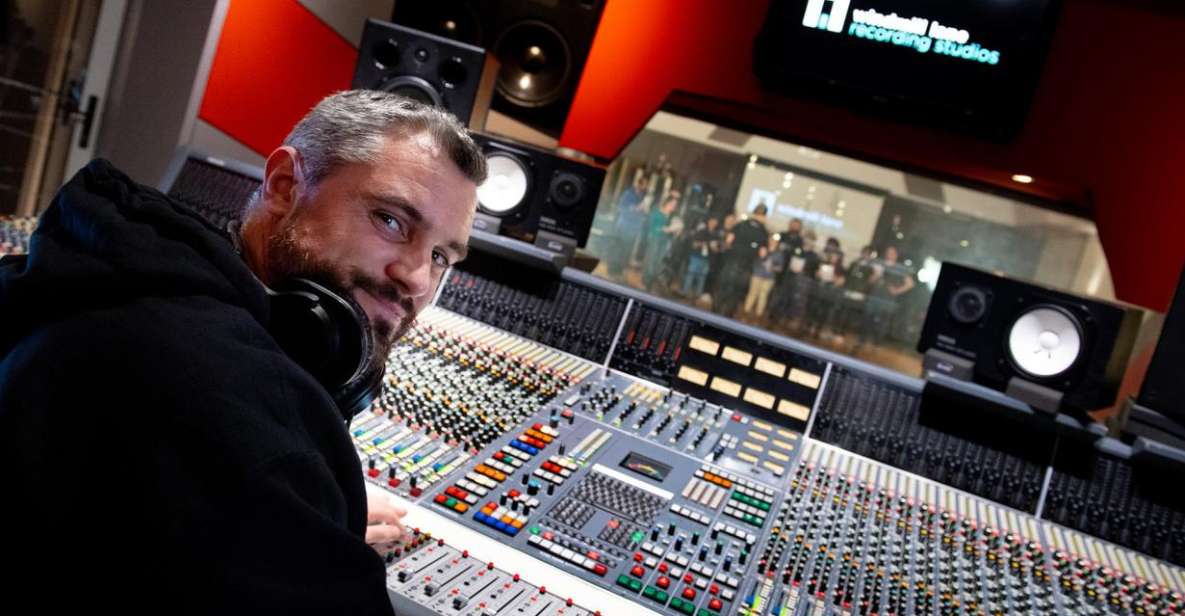
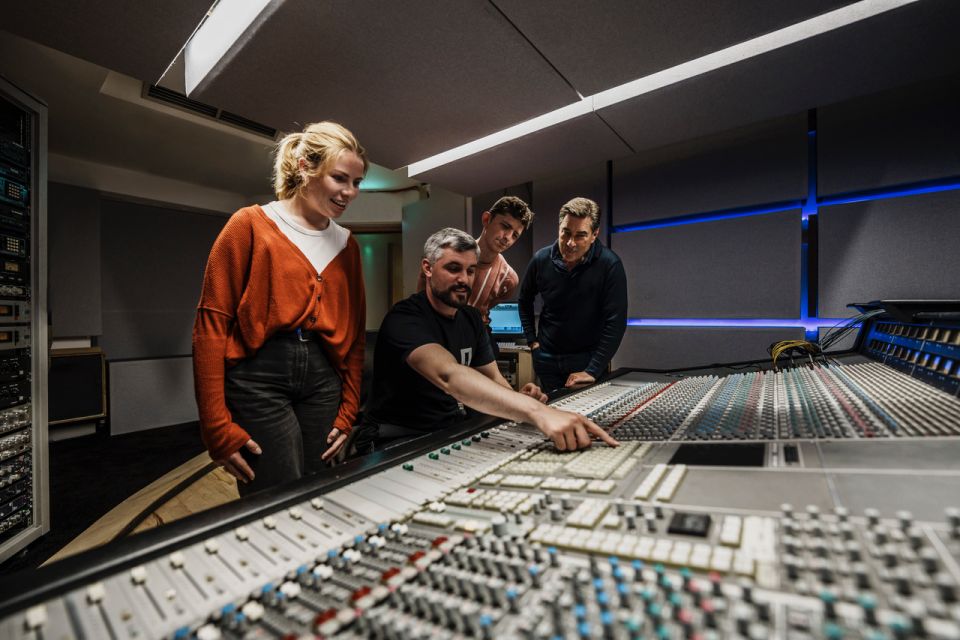
Studio 1 is the headliner. You’ll tour the iconic space and get why it’s earned that reputation. Even if you don’t know studio-speak, you’ll understand the “why” fast: a room’s design and setup influence how instruments sit in the mix, how vocals carry, and what kind of character a record ends up with.
What makes this stop meaningful is that the guide doesn’t just point. They explain how engineers use the room to shape the recording. In plain terms, you’re learning that sound is built, not just captured.
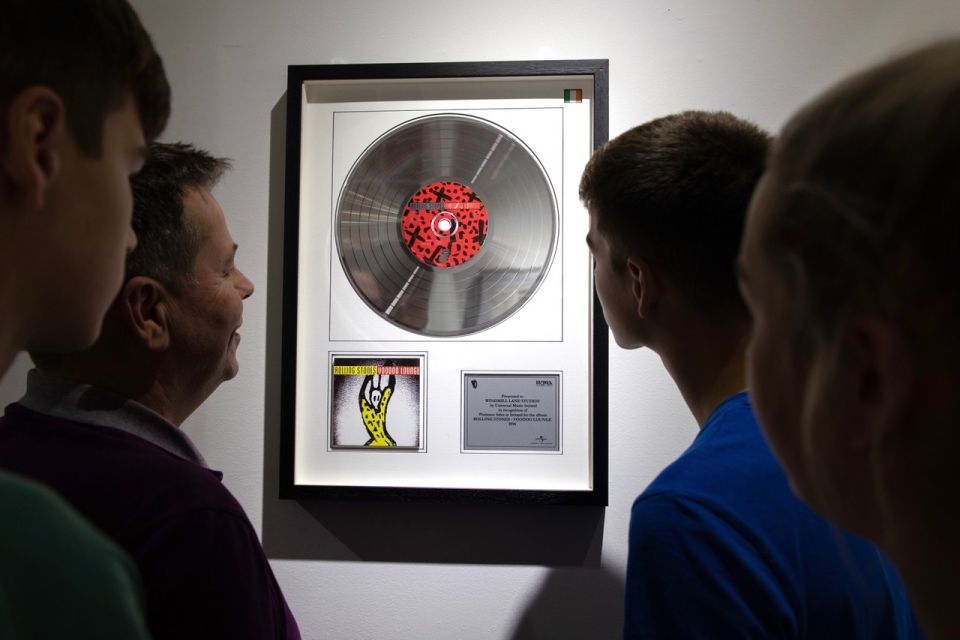
And because this is a studio with decades of sessions, you may see visual reminders of famous work—things like gold and platinum records and awards—helping you connect the technical story to real-world results. For me, that’s the sweet spot: history you can see, plus production you can understand.
How Recording Tech Evolved: From Early Devices to Modern Software
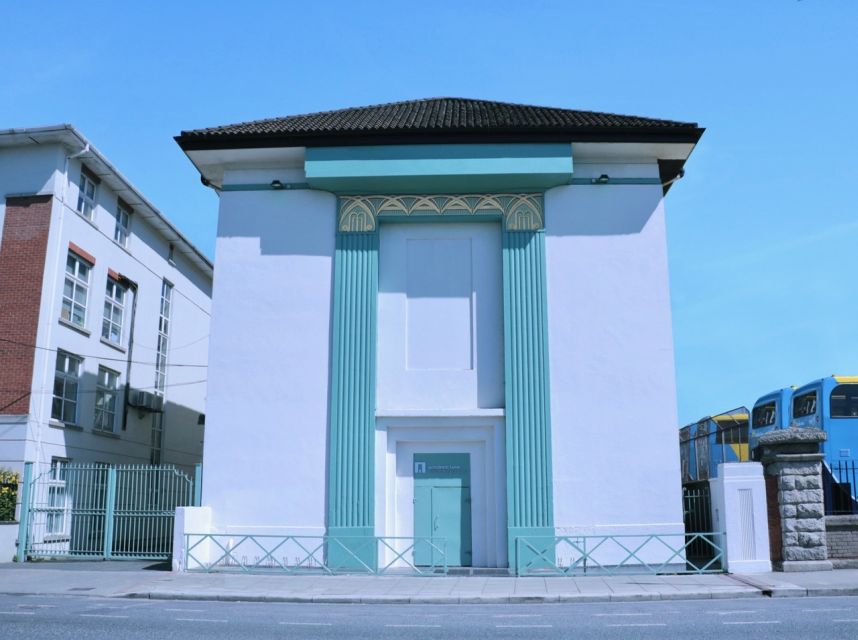
One of the most useful parts of the tour is the technology timeline. The guide walks you through how recording technology evolved, from earlier devices to today’s dynamic computer software.
This is great value for two reasons. First, you’ll stop thinking of studio gear as mysterious black boxes. Second, you’ll start hearing common production choices in a new way—what’s changed, what hasn’t, and what engineers still rely on no matter the era.
You’ll also get the idea that “modern” doesn’t automatically mean “better.” Different tools help with different problems: editing speed, sound precision, workflow, and how easily a project can be shaped after it’s recorded. The tour makes that feel logical instead of like a history lecture.
Live Room Listening: When You Hear the Process, Not Just the Result
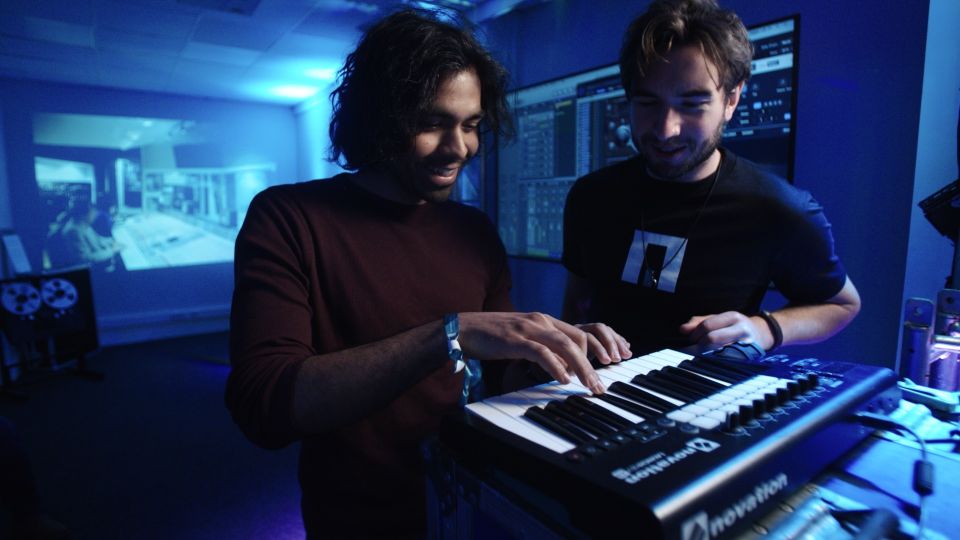
At some point, you’ll fill your ears with a recording playback tied to a band performance in the live room. The guide explains the recording process while you listen, so you can follow what the engineers are trying to achieve.
This part works well because it turns production talk into a cause-and-effect experience. Instead of only hearing end results from big artists, you hear how a performance gets captured, how sound behaves in a room, and why the same band can sound different depending on setup.
Some days you may also get interactive moments around the equipment or how engineers work at the consoles. A number of the tours you can be booked into include chances to try gear or sit in the seats associated with sound engineering, which is a fun way to understand what you’ve been watching.





The Binaural 360-Degree Finale: A Sound Demo You Can Feel
The tour ends with an especially commissioned binaural recording that creates 360-degree sound. This is the moment that sticks in your head because it feels like your ears are being moved around the room.
Binaural audio is designed to mimic how we hear direction and space, and the guide typically sets you up so you can notice how the effect changes as sound elements shift. Several descriptions of the experience also mention extra audio tweaks like voice tone alteration, which makes it even more than a “cool tech trick.”
Why this matters for you: it’s not only entertainment. It’s a quick lesson in why studios obsess over placement, mixing balance, and spatial choices. Even if you never touch pro equipment, you’ll come away with a stronger sense of what engineers mean when they talk about depth and positioning.
Guides Make the Difference: Maeve, Aidan, Zara, Maria, Stefan, and More
A studio tour lives or dies by the guide, and Windmill Lane tours are led by live guides who are also musicians and producers. From the name list you may encounter, you could be guided by Maeve, Aiden, Zara, Maria, Stefan, Ian, or Ross, among others.
What I like about this setup is the mix of credibility and friendliness. Several guides are praised for being interactive and for answering questions in a way that fits the group’s interests. If you’re the type who likes asking why something sounds the way it does, this is usually the moment where the tour turns from informative into personal.
And if you’re not a hardcore gear nerd, you’re still in good shape. The tour balances big-name stories with practical explanations, so it doesn’t require prior studio knowledge.
Price and Value: Is $25 Worth It for a 1-Hour Tour?
At $25 per person for about an hour, this tour is priced like a serious “experience ticket,” not like a casual photo stop. The value comes from what’s included and what you actually get access to.
You’re paying for an expert guide, entry into a working studio, and real production demonstrations. You’re not buying souvenirs. You’re buying understanding—how recording works, how technology evolved, and how famous records connect to the rooms that shaped them.
It’s also not overly long. For many visitors, that makes it easier to fit into a Dublin day without losing half the afternoon. If you’re doing museum hops and want one music-focused activity that feels different, this is an efficient choice.
Just be realistic about what you’re not paying for: there’s no hotel pickup and no food or drink included.
Who Should Book This Tour (And Who Might Skip It)
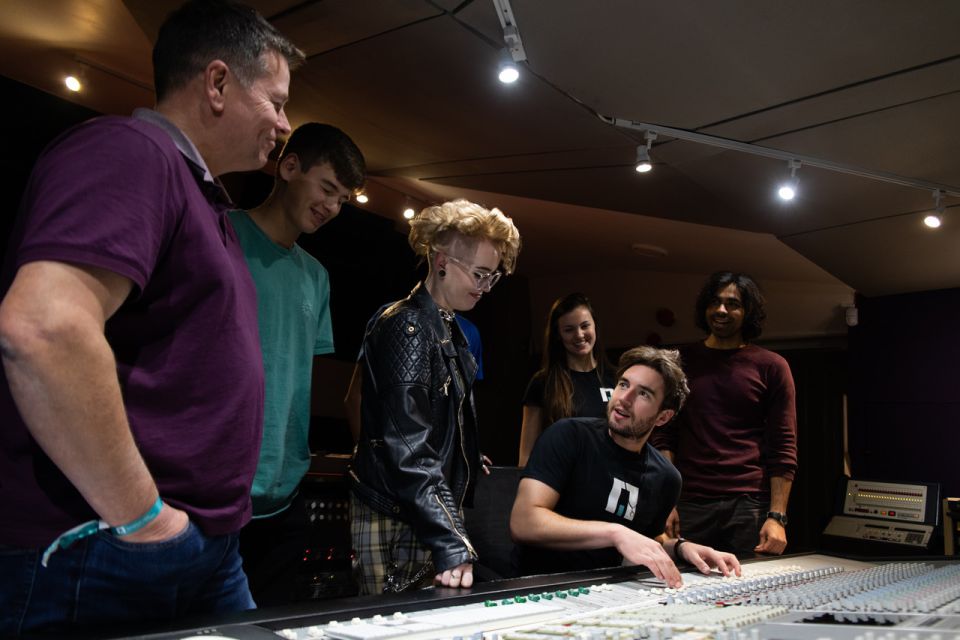
I’d recommend this tour if any of these sound like you:
- You love music and want to understand how the sound gets made
- You’re curious about studio tech and how modern recording works compare to earlier methods
- You enjoy hands-on moments, question-and-answer time, and guided storytelling
It’s also a good stop for people with a music production interest, since the guide’s explanations often connect directly to process. One more plus: the tours are described as small-group, which makes the experience feel less rushed and more conversational.
You might consider skipping if:
- You need full wheelchair access or lift access (the building has limited access and no lift)
- You’re traveling with large luggage or you strongly prefer bringing a camera
- You’re booking for children under 5 years (it’s not suitable for them)
Practical Tips: What to Know Before You Go
This is a working, historic three-story building. That leads to a few simple rules that protect the studio environment and keep the tour running smoothly.
- No cameras are allowed. Plan to rely on memory and listening rather than filming.
- No luggage or large bags. Travel light so you can move easily through the spaces.
- Wear shoes you’re comfortable walking in. You should have a moderate physical fitness level for moving through the building.
Food is another practical point. There’s no food or drink available for purchase on-site. The good news is that the studios are centrally located, so you can grab a café stop or quick bite nearby before or after.
If you’re planning your day, I’d treat this like a focused appointment: arrive ready to listen and ask questions, not like a browse-and-bottle selfie break.
Should You Book Windmill Lane Recording Studios?
Book it if you want a music activity that feels real, technical, and genuinely Dublin. The combination of Studio 1 access, musician-led guiding, and that binaural 360-degree sound finale makes it more than a nostalgia walk. At $25 for an expert-guided hour, it’s strong value if your main goal is to understand how recordings come together.
I’d think twice if accessibility is a dealbreaker for you. With limited access and no lift in a protected three-story building, this isn’t set up for wheelchair users or many guests with mobility impairments.
If you’re flexible on when you go, pick a time that lets you linger around Dublin afterward with food and quiet downtime. You’ll want a little space after the sound demo, so the effect can actually sink in.
FAQ
How long is the Dublin Windmill Lane Recording Studios tour?
The tour duration is 1 hour. Starting times vary, so you’ll want to check availability when you book.
What is included in the $25 ticket price?
The ticket includes an expert guide. Food and drink are not included.
Where does the tour start and end?
The tour starts at Windmill Lane Recording Studios and ends back at the same meeting point.
Are cameras or large bags allowed?
No. Cameras are not allowed, and luggage or large bags are not allowed inside.
Is the tour suitable for children?
It is not suitable for children under 5 years.
Is the tour accessible for wheelchair users or mobility impairments?
No. The studio does not have lift facilities and offers limited access, so it is not suitable for people with mobility impairments or wheelchair users.