REVIEW · DUBLIN
Windmill Lane Recording Studios – Visitor Experience
Book on Viator →Operated by Windmill Lane Recording Studios · Bookable on Viator
A working studio tour feels different. You get a guided look at Windmill Lane’s story plus a hands-on mix your own session moment. I also love the small-group feel, where questions and photos happen without the usual crowd chaos.
One thing to consider: this is a working recording studio, so it’s not the slow, museum-style experience you might expect. Plan ahead, since advanced booking helps keep access smooth.
In This Review
- Key Things I’d Prioritize on This Tour
- Why Windmill Lane Feels Like a Real Music Place
- Price and Logistics: What You Pay for in a 1-Hour Visit
- Your 1-Hour Game Plan Inside the Studios
- Exploring the world-famous studios
- Hearing the studio history through real studio life
- Seeing how a recording session works
- Meeting the virtual band
- Mixing your own session
- The Guide Makes or Breaks It (And You’ll Often Get Great Ones)
- What You’ll Learn About Recording (Without Being Forced Into Tech Talk)
- Photo Stops, Sound Demos, and the Small Details That Matter
- Getting There From Central Dublin (Without Making It a Whole Project)
- Who This Tour Is For (And Who Might Not Get Much Out of It)
- Value Check: Does $31.44 Really Add Up?
- Should You Book Windmill Lane Recording Studios?
- FAQ
- How long is the Windmill Lane Recording Studios visitor experience?
- What does the tour cost?
- Is the tour offered in English?
- Where do I meet for the tour?
- Is this a small group tour?
- What can I do during the tour?
- Is free cancellation available?
Key Things I’d Prioritize on This Tour
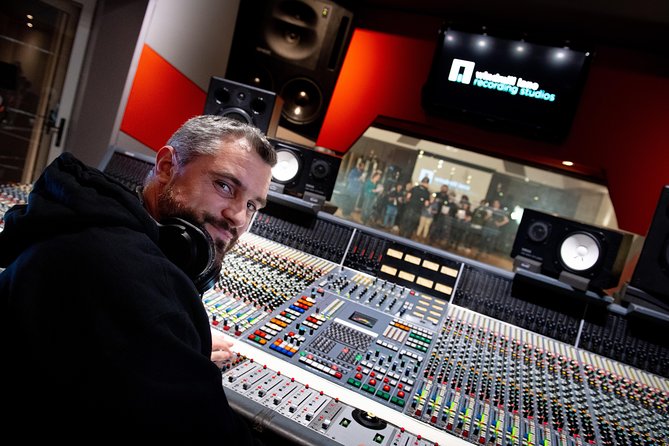
- Backstage access to a world-famous Dublin studio in an operating workspace
- Mix your own session so you’re not just watching from the sidelines
- Meet the virtual band and learn how the parts come together
- Get a guided history that connects the studio to the artists who recorded there
- See multiple studio rooms (some tours focus on three different studios)
- Small group size (max 15) helps you actually interact
Why Windmill Lane Feels Like a Real Music Place
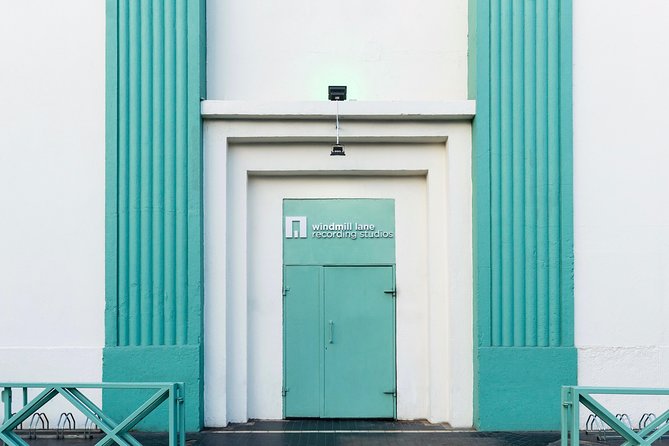
Windmill Lane Recording Studios isn’t an old building frozen in time. It’s a place where audio still gets made, by real people, for real projects. That’s why the tour works even if you’re not a hardcore music nerd.
I like that the experience keeps its feet on the ground. You’re not just hearing broad legends; you’re getting practical context about the studio environment—how recording rooms are set up, what engineers pay attention to, and why a session doesn’t run on vibes alone. And if you do care about the technical side, you’ll likely get a kick out of the gear talk that comes up on many tours, including praise for the classic Neve analog console.
You can also read our reviews of more tours and experiences in Dublin.



Price and Logistics: What You Pay for in a 1-Hour Visit
The ticket is $31.44 per person, and the experience runs about 1 hour. That might sound short, but the format is efficient: you’re guided through the key parts of the studios, you learn the basics of how a session works, and you end with an interactive mixing experience.
Value-wise, the money mostly goes to two things:
- Access to a working studio space that most visitors never get to see
- Participation, because you’ll do more than listen to a story
A practical note: booking matters here. The studio runs real sessions, so times can’t be treated like a casual drop-in. If you want a specific day, book ahead—this activity is typically reserved about a month in advance.
For logistics, the meeting point is 20 Ringsend Rd, Dublin 4, D04 CF66. It’s also described as an easy walk from the Trinity College area (about 20–30 minutes), though you may also find public transport nearby.
Your 1-Hour Game Plan Inside the Studios
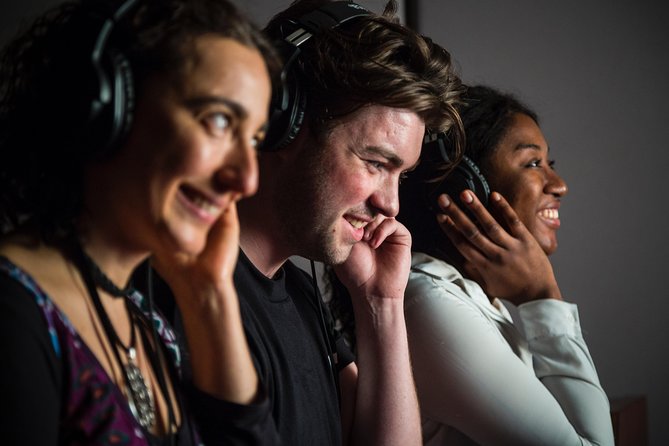
This isn’t a long itinerary with multiple stops across town. It’s a focused visit in one place, built around a guided flow that keeps moving.
Here’s what you can expect during that hour:
Exploring the world-famous studios
You start with a guided look at the studio rooms and what makes them special for recording. The tour is designed to help you understand the studio as a working space, not just a backdrop for music posters. Many visitors also highlight that the experience feels intimate, which helps when you’re trying to see details while the guide is explaining how everything functions.
Hearing the studio history through real studio life
You’ll get history tied to the artists who recorded there, plus stories that explain why Windmill Lane became the kind of place musicians and engineers want to use. It helps that the tour doesn’t treat history like trivia. Instead, it connects past recordings to what’s happening in the room today—tone, workflow, and the human side of making tracks.






Seeing how a recording session works
Next comes the nuts and bolts: how a recording session is organized and how the sound you hear turns into something mix-ready. If you’ve never watched an audio session before, this part is where the lightbulb tends to go on. You start to understand that recording is step-by-step—capture, edit, and then mix—rather than one magic button.
Meeting the virtual band
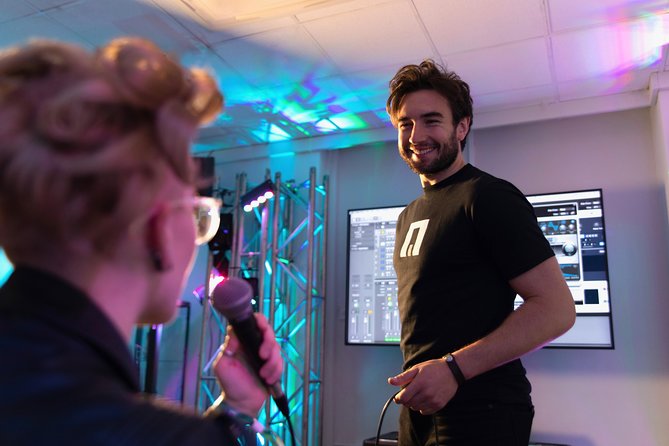
You’ll be introduced to a virtual band concept. This isn’t just a gimmick; it’s used to make the process feel clearer and more interactive. You get a sense of how different layers contribute to the final sound, and it gives you something to focus on while your guide explains the recording-to-mixing chain.
Mixing your own session
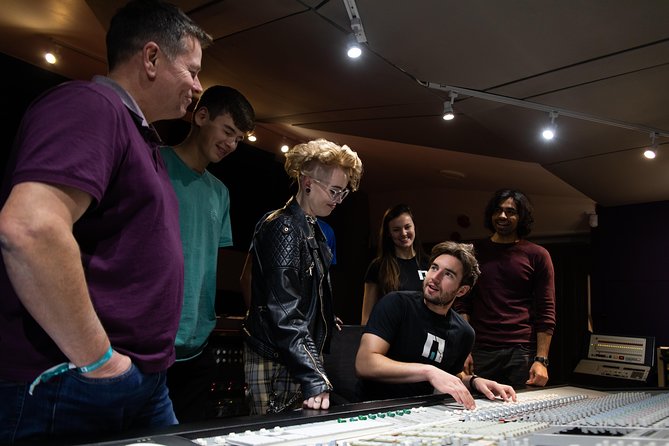
The tour wraps with the best payoff: you’ll mix your own session. This is the part people remember, because you get direct experience making choices that affect what you hear. Reviews praise the hands-on feel and the access to studio gear and processes that usually stay out of reach.
Some visitors also mention the beauty of the analog board (the Neve is specifically called out), which makes the mixing moment feel more like stepping into a control room than watching a demo.
The Guide Makes or Breaks It (And You’ll Often Get Great Ones)
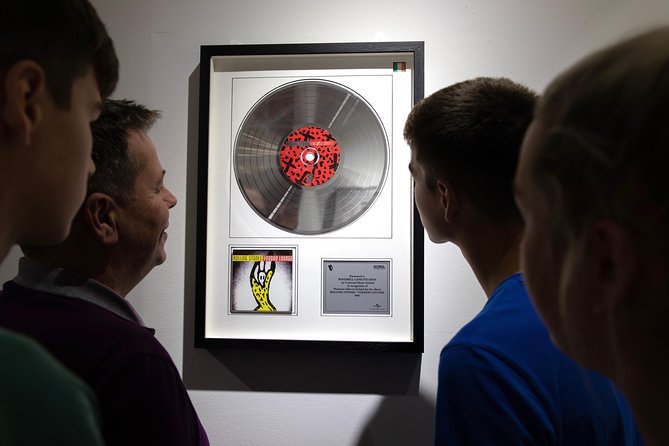
In a studio tour, the guide’s role is bigger than you might think. They’re not only translating the gear and history; they’re also managing the group so you get time for questions and photos without disrupting the studio’s real work.
In the names shared from past tours, you’ll see a mix of experienced professionals, including Marie, Maria, Naomi, and Ross. Some guides are described as owners, and at least one guide is referenced as experienced in composition and engineering—meaning they can handle both the big-picture questions and the technical ones.
If you’re the kind of person who asks why something works the way it does, this tour tends to reward that curiosity.
What You’ll Learn About Recording (Without Being Forced Into Tech Talk)

The tour teaches recording basics, but it doesn’t require you to speak audio engineering.
You’ll likely walk away with:
- A clearer sense of how a session is structured
- The idea that sound shaping happens in stages
- A better understanding of how multiple parts combine into a final mix
The virtual band and mix-your-own setup are the trick here. Instead of getting hit with jargon, you learn by doing. You hear how changes can shift balance and impact the overall result, which makes the entire process feel less mysterious.
If you have a musician in the group, they’ll probably love the technical framing. If you don’t, the experience still works because it turns a complex process into a simple cause-and-effect moment.
Photo Stops, Sound Demos, and the Small Details That Matter
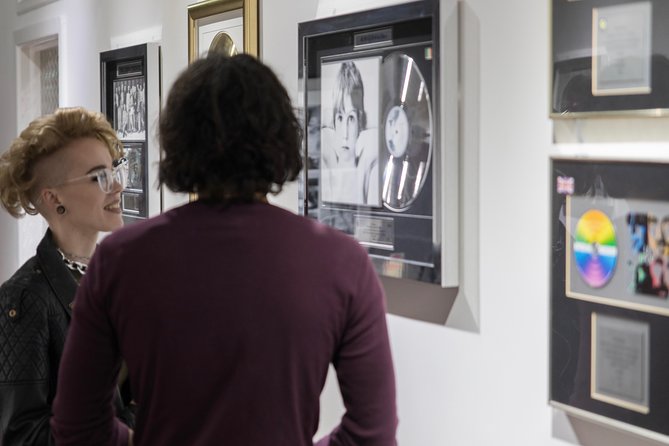
A working studio tour has a certain energy—quiet focus, gear in place, people moving with purpose. That atmosphere makes the behind-the-scenes part feel authentic.
Some specific extras show up in the way tours are described:
- A chance for photo opportunities
- Sound demonstrations that help you understand how sound changes when it’s treated and mixed
- A look at multiple studio rooms, which helps you see how different spaces support different recording needs
There’s also mention of a small gift shop with music-themed items. It’s not massive, but it can be a handy way to grab something Dublin-and-rock related without hunting for souvenirs all day.
Getting There From Central Dublin (Without Making It a Whole Project)
If you’re staying near central sights, you can treat this like an easy side trip. One review notes a straightforward 20–30 minute walk from the Trinity College area.
That’s useful advice if you like to arrive a little early and not rush. Studios are working spaces, so you want to be punctual rather than sprinting down the road with a phone map in your hand.
If walking isn’t your plan, it’s also described as near public transportation, which makes it easier to fit into a day that already includes other neighborhoods.
Who This Tour Is For (And Who Might Not Get Much Out of It)
This is one of those rare tours that can work for both music lovers and non-music lovers.
You’ll probably enjoy it most if you:
- Like hearing the story behind famous music spaces
- Want a hands-on activity, not just a lecture
- Are curious about studio technology and how mixing works
- Appreciate a small-group setting with time to ask questions
It may be less ideal if you:
- Want a long, slow-paced museum visit with lots of time per room
- Prefer very flexible, last-minute plans (this studio benefits from advance booking)
Also, there’s a note about moderate physical fitness. That likely comes down to moving around a studio environment. If you have mobility concerns, it’s worth planning your route to the meeting point and going in with comfortable shoes.
Value Check: Does $31.44 Really Add Up?
For $31.44, you’re paying for three things that are hard to replicate elsewhere in Dublin:
- A working studio experience
Most tours are either outside-looking-in or staged. Here, the studio nature is the point.
- Real interaction
Mixing your own session is the difference between a passive tour and a memorable activity.
- The guided connection to music history
You’re not just seeing equipment; you’re learning why the place mattered and how sessions work in practice.
Given the hour length and max 15 travelers, it’s priced like an activity that respects your time. If you’re excited by the recording process, it’s one of the best ways to spend an hour in Dublin that isn’t just another photo stop.
Should You Book Windmill Lane Recording Studios?
Yes—if you want something genuinely hands-on, and you like the idea of seeing music made from the inside.
This is especially worth it when your trip includes plenty of big-name sights and you’re craving a different kind of Dublin experience: one that mixes music history with practical studio learning. The small group size means you won’t feel like an observer in the back row.
If you’re visiting on a tight schedule or you hate booking ahead, that’s your main trade-off. The studio’s “working” status means your best chance at a smooth visit is to reserve your time early.
If you’re even slightly curious about how recordings are built, this tour is the kind of experience that keeps you talking about it long after you leave the building—because you’re not just hearing about the process. You’re doing part of it.
FAQ
How long is the Windmill Lane Recording Studios visitor experience?
It runs for about 1 hour.
What does the tour cost?
The price is $31.44 per person.
Is the tour offered in English?
Yes, it’s offered in English.
Where do I meet for the tour?
The meeting point is 20 Ringsend Rd, Dublin 4, D04 CF66, Ireland. The tour ends back at the same meeting point.
Is this a small group tour?
Yes. The tour has a maximum of 15 travelers.
What can I do during the tour?
You’ll get a guided backstage tour, learn how a recording session works, meet the virtual band, and mix your own session.
Is free cancellation available?
Yes. Free cancellation is available up to 24 hours in advance for a full refund. If you cancel less than 24 hours before the start time, the amount paid isn’t refunded.