REVIEW · DUBLIN
Dublin Bay Seal Kayaking Safari at Dalkey
Book on Viator →Operated by Kayaking.ie · Bookable on Viator
Seals steal the show in Dublin Bay. You get all the gear and step-by-step help with wetsuit and kayaking basics, so you can spend your energy on the fun part. The big payoff is paddling close to friendly Dalkey seals while Dublin Bay’s UNESCO biosphere rolls by. Just be ready: you must be comfortable swimming and floating in a buoyancy aid, and you’ll be changing into a wetsuit around other people.
I like how the tour is built for real beginners, but still delivers the kind of water-level scenery that feels rare in Dublin. It starts in historic Bullock Harbour, then you paddle along the Dalkey coast, with a chance to reach Dalkey Island when weather allows. Guides such as Philip, Jenny, and Eavan are repeatedly praised for mixing safety, local wildlife, and area history in a way that keeps the ride moving.
In This Review
- 1) Why this Dalkey seal safari feels different
- 2) Before you paddle: wetsuit, buoyancy aid, and the basics
- 3) What to pack for a 3-hour wet-and-wild session
- 4) Bullock Harbour start: how the morning gets set
- 5) From Bullock Harbour to Dalkey coast (and Dalkey Island if conditions allow)
- 6) Dublin Bay’s UNESCO biosphere views, from a kayak seat
- 7) Meeting the seals: close, but respectful
- 8) Birdlife, plus the bonus of calm wildlife time
- 9) How guides handle wind, route changes, and safety
- 10) The guides: history facts, water sense, and small-group attention
- 11) Fitness level: how hard is 3 hours on the water?
- 12) Price and value: is $143.97 worth it?
- 13) Who should book this safari (and who should skip)
- 14) Should you book the Dublin Bay Seal Kayaking Safari at Dalkey?
- FAQ
- FAQ
- Do I need to bring my own kayak and wetsuit?
- What should I wear for this tour?
- Do I need to know how to swim?
- How long is the kayaking safari?
- Where do we meet and where does it end?
- Is this tour good for beginners?
- What happens if weather is poor?
1) Why this Dalkey seal safari feels different
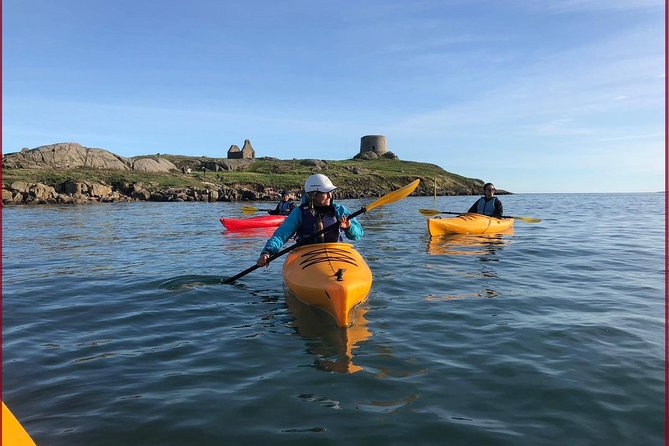
This isn’t just a kayak trip with seals as a bonus. It’s a proper sea kayaking experience in Dublin Bay, with the whole point being that you see wildlife and coastline from inches above the waterline.
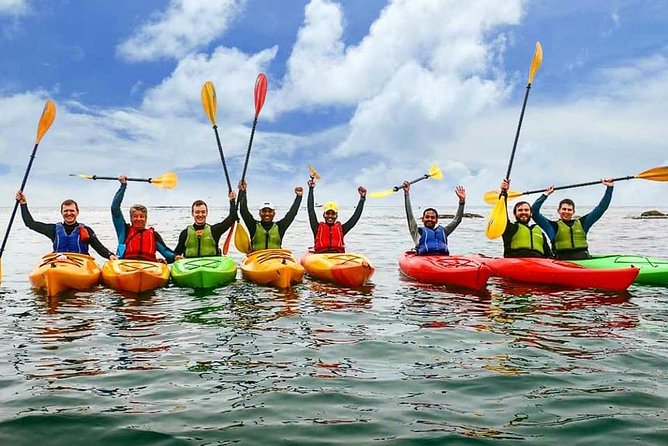
You’ll be out with a small group (up to 24), and you’re not expected to already know your way around a kayak. The operator handles the gear and the initial coaching. Then the bay does what the bay does best: it gives you a slow, natural rhythm of paddling, stopping, and watching.
What you’re really buying: a rare wildlife encounter plus a workout, in salt water, with a guided route that makes it easier to keep the right distance and keep things calm for the seals.
One note to keep you realistic: this is not a sit-and-snapshots tour. You need to handle water conditions, paddle in a group, and be okay floating if anything goes sideways.
2) Before you paddle: wetsuit, buoyancy aid, and the basics

The tour starts on land with a wetsuit fitting and equipment handover. You get what you need: wetsuit, kayak, paddle, and a buoyancy aid. After that, your guide shows you how to use the gear and how to get comfortable in the kayak.
There are two parts of the “beginner-friendly” claim that matter a lot:
First, you’re expected to be able to swim. You don’t need to be a champion swimmer, but you do need to feel okay floating while wearing the buoyancy aid in case you capsize.
Second, you’re expected to follow instructions during launching and landing. Some of the fun can turn into frustration if you’re behind the group or unsure what to do next.
If you’ve never been in a kayak before, that’s exactly when this setup helps most. You’re learning safety and technique at the start, not out on open water.
You can also read our reviews of more tours and experiences in Dublin

3) What to pack for a 3-hour wet-and-wild session
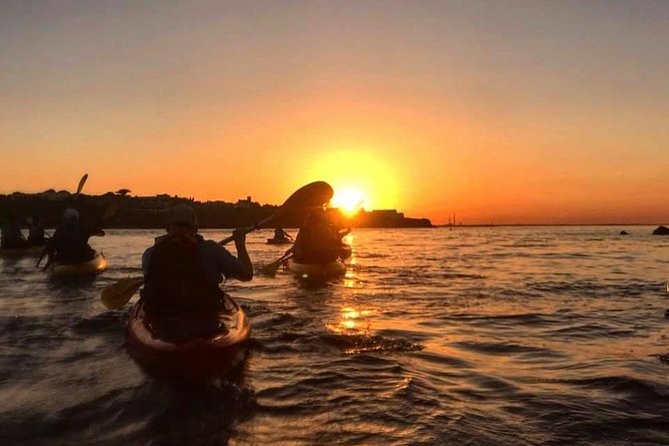
You’ll be in a wetsuit, but your feet and your outer clothing still need to be planned like it’s a water day, because they are.
Here’s what you should bring based on the tour’s guidance and what people found helpful:
- Spare footwear for the kayak launch/landing
Old runners or water shoes are the typical go-to, because you’ll be walking in shallow water to get in and out.
- Something to wear under the wetsuit
Options mentioned include swimming togs or base layers. Also, skip cotton. It soaks up water and can make you feel colder.
- A towel and dry change of clothes
People are very happy when they plan this, especially because it can be chilly when you’re out of the water.
- Swim-friendly extras if you’re picky about comfort
A few riders specifically suggest being ready for wet shoes and a quick dry-out plan afterward.
Changing is one of those practical details people don’t always think about. There is changing at the harbour area, and some guides offer extra privacy when needed, but you should assume you’ll be dealing with shared space. If you prefer privacy, come prepared with layers and a quick-dry plan.
4) Bullock Harbour start: how the morning gets set
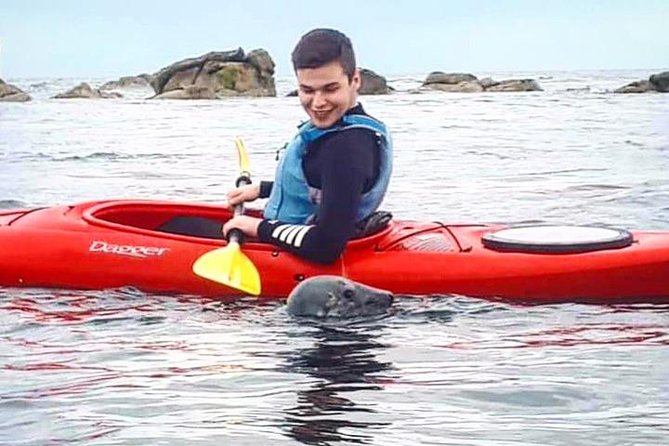
You’ll meet at Kayaking.ie in Bullock Harbour, Bullock, Dalkey (Co. Dublin). It’s described as near public transportation, which is handy when you’re mixing this with Dublin sightseeing.
From there, you get your gear sorted, then you launch. The harbour is the right place to start because you begin with calmer conditions and guidance before you paddle along the coast.
This matters because sea kayaking is as much about small decisions as big thrills. Where you position your kayak, how you follow the group, and how you manage comfort in the water all affect how fun the tour feels.
5) From Bullock Harbour to Dalkey coast (and Dalkey Island if conditions allow)
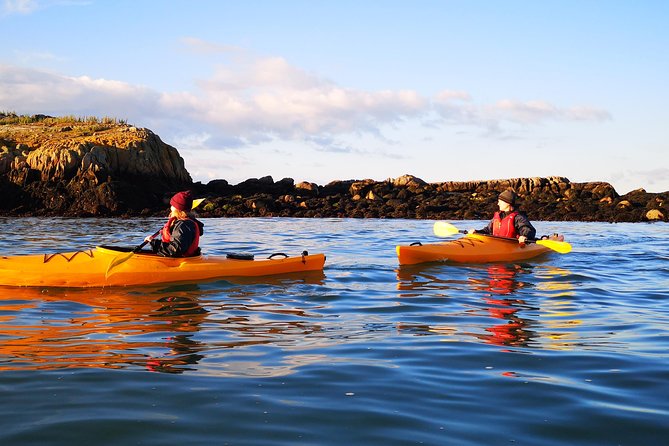
Once you’re on the water, you paddle along the Dalkey coastline, with the goal of reaching Dalkey Island when the weather cooperates.
Even when you don’t make it all the way to Dalkey Island, you still get the main value: a water-level look at Dublin Bay, plus chances to see seals and birds along the route.
When Dalkey Island is on the menu, you get a scenic break on land. People describe hiking up to places like old church ruins and abandoned Martelo towers. That’s a nice contrast to the water portion: you get a view over the bay, then you continue the story of the coastline on foot.
A practical drawback: wind and chop can change how long or how far you paddle on the day. The operator may adjust the launching spot or the area you cover so you stay safe and comfortable, while still keeping the wildlife and scenery goals alive.
6) Dublin Bay’s UNESCO biosphere views, from a kayak seat
This part is easy to underestimate until you’re in it. Dublin Bay is a UNESCO–listed biosphere reserve, and kayaking gives you a direct view of how that ecosystem sits on the edge of the city.
You’re not just looking at shoreline. You’re seeing how the coastline curves, where birds gather, and how seals use the rocks and waterline. That’s why this tour feels “different” from most Dublin day trips.
It also helps that the stops include information. You’re not locked into a silent paddle. Guides explain what you’re looking at—wildlife behavior, the bay’s character, and the human history tied to the harbour.
You can also read our reviews of more tours and experiences in Dublin
7) Meeting the seals: close, but respectful
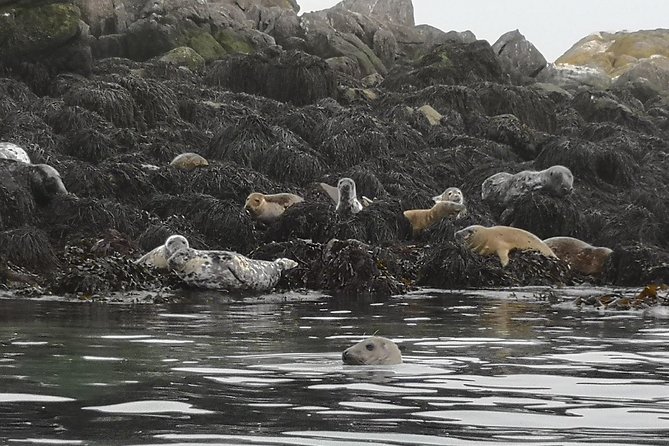
Here’s the main event: you’ll encounter Dalkey seals as you paddle past them. In calm moments, they can swim around or near your kayaks, and you may see them resting on rocks.
The most important thing to know is that this isn’t about chasing seals or getting them to perform. The guides emphasize observing without disturbing them. That’s good for the animals and it keeps the tour safe.
From the kinds of moments people report, the seals can be curious, and sometimes you’ll feel like you’re paddling through a little seal neighborhood. That’s a big reason the overall rating is so high: you’re not just hoping for a sighting.
8) Birdlife, plus the bonus of calm wildlife time
Seals are the headline, but Dublin Bay also offers other wildlife sightings. People mention birdlife, and some also report seeing porpoises during the trip.
The bigger “value” here is the way the tour slows down at wildlife moments. You don’t just race from one photo spot to the next. You get time to watch, to listen, and to see how the bay changes with movement around you.
That matters, especially if you’re the type who likes nature but doesn’t want a survival-level outing.
9) How guides handle wind, route changes, and safety
Sea conditions are real in this area. Even on days that should be fine, wind can shift the feel of the water. The tour is weather-dependent, and if conditions aren’t right, you’ll either be offered an alternate date or the guide adjusts the plan for safety.
You might also see changes in the launching spot if wind or chop makes it smarter. That’s a good sign. It means the operator is thinking about the water first and the schedule second.
In the best-case scenario, the route still hits the seals and the key coastline highlights. In the worst-case scenario, you could lose some of the planned distance. Either way, you should go in understanding that the bay sets the rules.
10) The guides: history facts, water sense, and small-group attention
Guides like Philip, Jenny, and Eavan (names that show up again and again) are praised for two things:
- They teach you fast at the start, so beginners aren’t left guessing.
- They explain what you’re seeing, connecting animals, harbour life, and local history as you move along the coast.
There’s also an extra layer of care in how they manage group pace. One review notes an instructor’s quiet, respectful approach when part of the group wasn’t as experienced. That kind of split can help everyone finish safely and enjoy the experience without feeling rushed.
If you want a tour where you feel both coached and looked after, this setup tends to deliver.
11) Fitness level: how hard is 3 hours on the water?
This is described as requiring moderate physical fitness, and that sounds about right.
You’re paddling for a few hours total, with stops. You’re also walking in and out in shallow water, and you’ll be in a wetsuit. None of that is extreme, but it’s not just a casual stroll either.
Some riders felt it was a workout, while also saying they’d do it again. If you can handle basic cardio and you’re comfortable following a group pace, you’re probably fine.
The bigger limiter is water confidence. If you’re nervous about being in open water, capsizing, or floating even briefly in a buoyancy aid, this tour may not match you.
12) Price and value: is $143.97 worth it?
At $143.97 per person for about 3 hours, the price is not cheap. But it also isn’t just paying for a rental kayak.
You’re paying for:
- guided instruction and in-water leadership
- wetsuit and equipment included
- a route designed for wildlife viewing
- time and explanation at stops, plus the chance of an island visit when weather allows
For many people, the best value comes from the combination: an experience you can’t easily DIY in Dublin Bay, plus the wildlife encounter that makes it memorable.
If you’re comparing it to other outdoor tours, this tends to win because you’re getting both movement and seeing seals up close—not just looking from a shoreline.
13) Who should book this safari (and who should skip)
This kayak safari is a strong fit if you:
- are a nature lover who likes animals but wants it guided and safe
- want an active day that still feels relaxing in its pacing
- are comfortable being wet and can handle changing into a wetsuit around others
You might want to skip it if:
- you’re not comfortable swimming or floating in the water with a buoyancy aid
- you hate the idea of dressing for cold water and getting a bit wet no matter what
- you need a fully private changing setup (the harbour area is shared, and people note that this can feel uncomfortable)
Also, be ready for wind days. The tour can adjust, but you should pick this for a day you’re flexible.
14) Should you book the Dublin Bay Seal Kayaking Safari at Dalkey?
I’d book it if you want a true Dublin Bay experience, not a typical sightseeing drive. The best reason is the combination of beginner coaching + guided wildlife viewing + a UNESCO biosphere setting—all in one outing.
Before you hit confirm, do three reality checks:
- pack spare footwear and plan for wet shoes
- bring a towel and dry clothes
- honestly assess your swimming comfort
If that all looks good, you’re set up for a memorable morning on the water, with a chance to see Dalkey seals up close and learn what makes this corner of Dublin Bay special.
FAQ
FAQ
Do I need to bring my own kayak and wetsuit?
No. The tour includes wetsuit, kayak, paddle, and buoyancy aid. You do need to bring spare footwear and something to wear under the wetsuit, like swimming togs or base layers.
What should I wear for this tour?
Bring swim shoes or old runners for the kayak launch and landing. Wear clothes under your wetsuit (base layers or swimwear), and plan for getting wet.
Do I need to know how to swim?
You do need to be able to swim. You don’t need to be a champion swimmer, but you should be comfortable floating in the water wearing the buoyancy aid if you capsize.
How long is the kayaking safari?
The tour runs for about 3 hours.
Where do we meet and where does it end?
You meet at Kayaking.ie, Bullock Harbour, Bullock, Dalkey, Co. Dublin. The experience ends back at the meeting point.
Is this tour good for beginners?
Yes. It’s beginner-friendly and includes instruction on wetsuit and equipment use before you launch.
What happens if weather is poor?
The experience requires good weather. If it’s canceled due to poor weather, you’ll be offered a different date or a full refund.