A famine story in a city mall can still hit hard. The Irish Famine Museum / Exhibition Dublin is a self-guided walk-through of the Great Hunger, built around museum pieces, old newspapers, and a short documentary. I especially like how it’s paced for your own speed, and how it pairs reading posters with an included film rather than making you watch screens nonstop. A possible drawback: it can feel like a pop-up-style setup inside the shopping centre, including a warmer room around the film area.
You’ll visit the St. Stephen’s Green Shopping Centre location, get a mobile ticket, and spend about an hour moving through the exhibition. The whole thing is simple to manage for most people, and there’s help for non-English readers via a translation guide in French, German, Italian, and Spanish.
In This Review
- Key highlights you should know before you go
- Irish Famine Museum Dublin: a short, self-guided Great Hunger exhibit
- Price and value for an hour-long visit at $18.15
- Your starting point: Stephen’s Green Shopping Centre orientation
- Inside the rooms: artifacts, period photos, and plain facts
- The documentary film: 15 minutes, focus-style viewing
- Rare aerial views of St. Stephen’s Green park
- Translation guide support for French, German, Italian, and Spanish
- How to pace a self-guided exhibit without getting tired
- Who should book this Irish Famine Museum experience
- When to go: seasonal hours in 2026
- Should you book Irish Famine Museum Dublin?
- FAQ
- How long is the Irish Famine Museum / Exhibition Dublin?
- Where does the experience start and end?
- Is this experience self-guided?
- Do I get a mobile ticket?
- What language support is available besides English?
- Is there a documentary included?
- What are the opening hours?
- What are the cancellation rules?
- Is it suitable for children, and how big are groups?
Key highlights you should know before you go
- Skip-the-line value with an admission ticket booked in advance
- Self-guided format, so you control your pace in the rooms
- A short documentary (about 15 minutes) mixed into the exhibit
- A rare aerial-view angle of St. Stephen’s Green park
- Original objects and period materials, including an original soup pot and newspapers
- Seasonal pop-up format, running during a defined stretch in 2026 (through September)
Irish Famine Museum Dublin: a short, self-guided Great Hunger exhibit
The Irish Famine Museum / Exhibition Dublin is designed as an hour-long, self-guided experience. You’re not herded through a script. Instead, you move from room to room reading the displays, looking at period images, and taking in the story of the Irish Potato Famine, also called the Great Hunger.
The layout sits inside St. Stephen’s Green Shopping Centre, so the experience has that practical mall energy: you find the entrance, follow the flow, and pay attention to what matters. It’s not a grand cathedral museum. It’s an information-forward exhibition where the emotional weight comes from facts, objects, and careful presentation.
The strongest part of this format is control. If you read fast, you can get through quickly. If you slow down, you can linger. This is also why it works well if you’re traveling with someone whose pace is different from yours. You don’t need to stop and start as a group.
You can also read our reviews of more museum experiences in Dublin



Price and value for an hour-long visit at $18.15

At $18.15 per person, the price lands in the “worth it if it helps you understand” category. You’re paying for an organized exhibition that includes admission plus a short documentary component. It’s not a full-day activity, so it’s easy to fit into a Dublin itinerary without rearranging your whole week.
For value, I like that you’re not just buying access to rooms of text. The exhibit mixes different approaches: period photos, physical artifacts like an original soup pot, and a film segment. If your interest is history and context, that combination makes the time feel efficient.
Do note: if you struggle with reading on posters, you might feel like you’re spending more time on text than you expected. This museum is built around information you take in directly, not a heavy mix of interactive games.
Your starting point: Stephen’s Green Shopping Centre orientation
You’ll start at St Stephen’s Green Shopping Centre, on St Stephen’s Green (Dublin, D02 HX65). The visit ends back at the same meeting point, which makes planning simple. There’s no need to coordinate a second location or worry about getting lost at the end.
Since it’s in the city centre, you can pair it with nearby walks before or after your visit. It also benefits from public transportation proximity, so it’s a low-stress option even if your day already includes a lot of moving around.
One practical tip: arrive with enough time to find the entrance and settle in. Even though the exhibition is about an hour, you’ll get more out of it if you’re not rushing through the first rooms.
Inside the rooms: artifacts, period photos, and plain facts
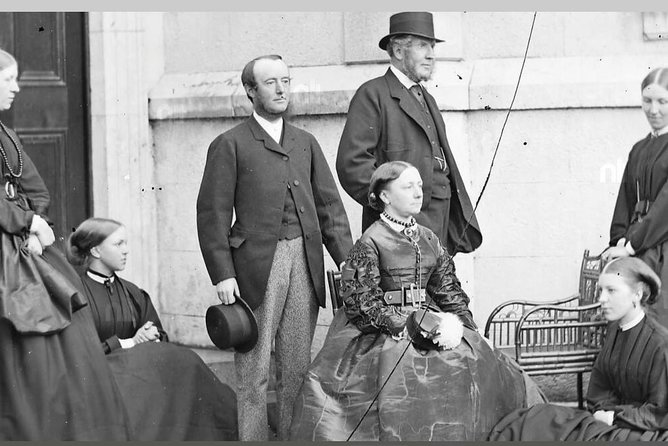
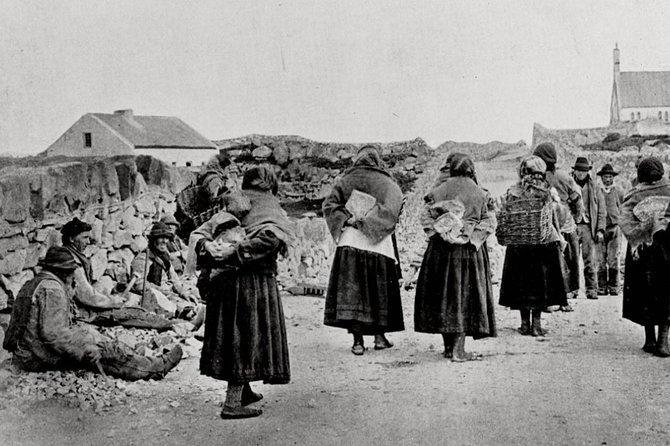
The exhibition tells the story of the Great Hunger with a mix of museum artifacts and display materials. One standout detail is the inclusion of an original soup pot, along with newspapers and lots of 19th-century photo material. That combination matters because it turns the famine from an abstract headline into something more tangible.
You’ll also notice the tone: the story is presented with simple facts and a strong focus on cause-and-effect. The exhibits highlight poor political decisions and slow disaster response during an agricultural crisis. This is a museum that keeps the “what happened” front and center, rather than turning everything into a vague moral speech.
The tone in the room can feel like a pop-up exhibition, meaning the physical setup is more functional than theatrical. If you were expecting a fully climate-controlled, gallery-style environment, you might find it less polished in that sense. Still, the content comes through clearly if you’re ready to read and pay attention.
The documentary film: 15 minutes, focus-style viewing
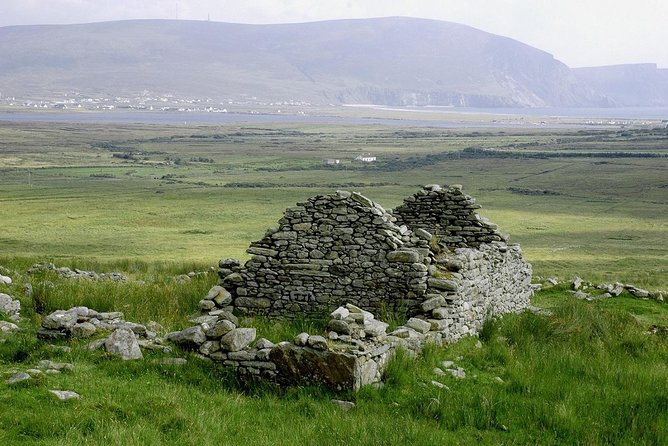
A short documentary film is included in the experience. Based on the information provided, it runs about 15 minutes, and it’s part of the exhibition path.
This is not a long cinema event. It’s more like a checkpoint that gives you a narrative frame after you’ve taken in display panels. The film can help connect themes like government responsibility and emergency response speed, which show up again in the exhibit text and visuals.
One caution: a previous visitor noted the area around the film wasn’t climate controlled and could feel too warm. So if you’re sensitive to temperature changes, consider dressing in layers. It’s one of those small comfort details that can make a difference when you’re settling in for a short seated segment.





Rare aerial views of St. Stephen’s Green park
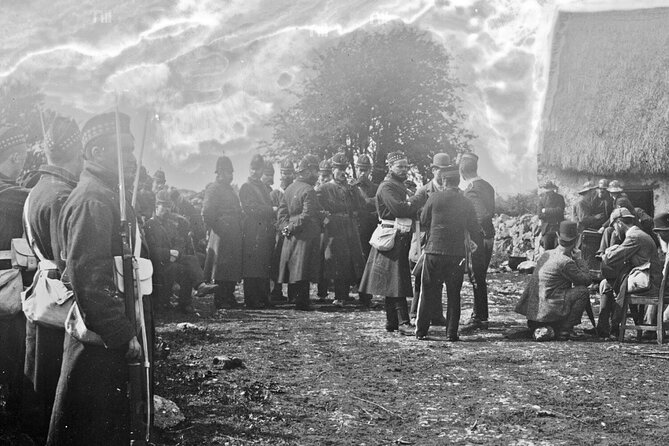
One of the more surprising highlights is the inclusion of rare aerial views of St. Stephen’s Green park. Even if you’re mostly there for famine history, that detail adds a Dublin-specific connection.
Think of it as a way to pull you out of the abstract and back into place. You’re learning about the Great Hunger, but you’re also reminded you’re standing in a real city with real geography. For me, that kind of anchor helps the emotional story stay grounded.
If you like unusual angles on familiar spots, you’ll likely enjoy this part. It’s a small feature, but it gives the visit a local twist rather than making it feel like only a detour into a far-off topic.
Translation guide support for French, German, Italian, and Spanish
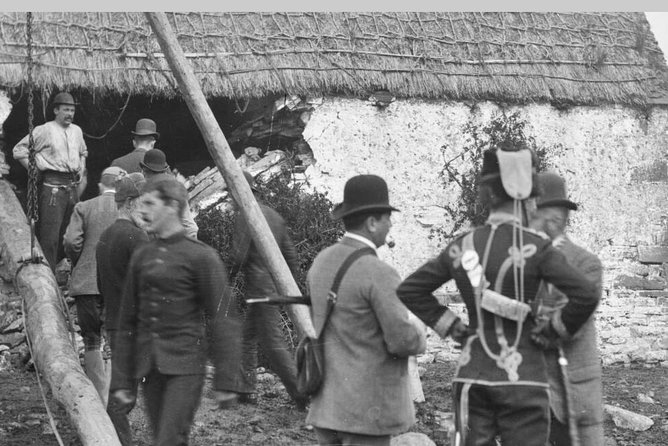
The museum experience is offered in English, but there’s also a translation guide available in French, German, Italian, and Spanish. That matters because the exhibition is largely self-guided, and you’ll get more out of it if you can read the main points in your preferred language.
This isn’t the same as a full audio tour. It’s a guide option, so you’ll still be looking at the displays and moving at your own pace. But if language is your barrier, translation support makes this much more accessible.
If you’re traveling with kids, or with someone who prefers less reading, you might want to approach the exhibit like a guided conversation: pause, point, and take turns reading what’s most important.
How to pace a self-guided exhibit without getting tired
Because the museum is self-guided, your success depends on how you manage your own pace. The best approach is to pick a few anchor themes and look for them in multiple places: political decisions, disaster response timing, and the human impact that led to major emigration.
If you like to skim first, do a quick pass through the rooms to get the storyline in your head. Then slow down for the sections that feel most relevant. This keeps you from feeling stuck in a long wall of posters.
If your group includes people who don’t love reading, use the short documentary as your reset button. Watch it, then return to the displays with clearer context. Also, focus on physical items like the soup pot and the newspaper excerpts. Objects tend to land faster than captions.
Who should book this Irish Famine Museum experience
You’ll likely enjoy this if you want a focused, time-efficient museum that explains a major historical disaster through facts, period materials, and a short documentary. It’s also a good fit if you like walking through at your own speed rather than following a rigid group script.
It’s especially suitable if your trip is already packed and you want one high-impact stop that doesn’t take half a day. For couples, solo travelers, and families who can handle an hour of museum-style reading, it’s a manageable commitment.
If you strongly prefer interactive exhibits, lots of audio, or a very climate-controlled gallery environment, you might find parts of this experience feel more basic. The upside is that the core learning is still there, and the emotional weight comes from the subject, not from gimmicks.
When to go: seasonal hours in 2026
The exhibition runs during a defined window in 2026: Monday through Sunday, 12:00 PM to 6:00 PM, from 04/01/2026 through 09/30/2026. That means it’s not a year-round museum space; it functions like a pop-up during that period.
If you’re visiting Dublin outside those dates, you’ll want to confirm what’s operating at the site before you plan your schedule around it. Within the stated season, the time range is generous and makes it easy to add to a day of sightseeing.
Should you book Irish Famine Museum Dublin?
Book it if you want a clear, hour-long Great Hunger exhibition in a central Dublin location, with a mix of artifacts, period photos, and a short documentary. The inclusion of an original soup pot, newspapers, and the St. Stephen’s Green aerial views gives you more than just a wall of text.
Skip it (or adjust expectations) if you dislike reading-based exhibits or you’re sensitive to room comfort around the film segment. This is a self-guided museum experience, so you’ll get the most from it if you’re willing to spend some time absorbing information at your own pace.
If you’re building a Dublin itinerary that balances walking with meaning, this is a strong, practical choice.
FAQ
How long is the Irish Famine Museum / Exhibition Dublin?
It’s approximately 1 hour.
Where does the experience start and end?
It starts at St Stephen’s Green Shopping Centre, St Stephen’s Green, Dublin (D02 HX65) and ends back at the same meeting point.
Is this experience self-guided?
Yes. It’s a self-guided tour, so you explore at your own pace.
Do I get a mobile ticket?
Yes. The experience includes a mobile ticket.
What language support is available besides English?
A translation guide is available in French, German, Italian, and Spanish.
Is there a documentary included?
Yes. There is a short documentary film included (about 15 minutes).
What are the opening hours?
For 04/01/2026 to 09/30/2026, it runs Monday through Sunday from 12:00 PM to 6:00 PM.
What are the cancellation rules?
Free cancellation is available. You can cancel up to 24 hours in advance for a full refund.
Is it suitable for children, and how big are groups?
Children must be accompanied by an adult. The experience has a maximum of 90 travelers, and most travelers can participate.