REVIEW · DUBLIN
Dublin EPIC Museum Admission Ticket
Book on Viator →Operated by EPIC The Irish Emigration Museum · Bookable on Viator
Emigration stories hit differently in Dublin’s CHQ building. EPIC The Irish Emigration Museum turns a big subject into a self-guided journey across 20 galleries with a passport-stamp route you control.
I especially like that you can grab your free souvenir passport at check-in and pace yourself, with help from staff scattered through the rooms. One thing to consider: the museum covers a huge span of history and themes, so it can feel information-heavy if you’re hoping for a quick visit.
In This Review
- Key highlights worth planning for
- EPIC in CHQ: a smart way to start understanding Irish emigration
- Tickets, mobile check-in, and your self-guided visit flow
- Inside the 20 galleries: what you’ll actually do for 1.5 to 3 hours
- The audio guide app in nine languages (and how to use it without getting annoyed)
- Staff support and the interactive design: the “human help” piece
- The optional Irish Family History Centre: when your visit becomes personal
- Pacing tips: how to avoid rushing a museum built to slow you down
- Value in plain terms: is $25.40 worth it?
- Should you book EPIC Dublin?
- FAQ
- How long does EPIC take?
- Can I enter at any time during opening hours?
- Is EPIC fully self-guided?
- Do I get a souvenir passport?
- Is there an audio guide?
- What does the Irish Family History Centre cost?
- Can I learn about my own family history there?
- Are children allowed?
- Is there free cancellation?
Key highlights worth planning for

- Prebooked admission saves time and helps guarantee entry to a popular Dublin stop
- 20 state-of-the-art galleries with a self-paced flow
- Passport stamping makes the visit feel like a game, not a lecture
- Free mobile audio guide in nine languages (with backup audio devices available)
- CHQ location makes it easy to pair with a walk around O’Connell Street or Trinity College
- Optional Irish Family History Centre for deeper genealogy and a genealogist consultation
EPIC in CHQ: a smart way to start understanding Irish emigration
EPIC lives in Dublin’s CHQ building, and that matters because you’re in a modern space built for story-telling. The museum’s whole premise is simple: Ireland’s story doesn’t end at the shoreline. It follows Irish people as they left for new lives, and it also circles back to the millions today who still claim Irish roots.
If you want a museum that feels current—interactive, audio-supported, and built for different attention spans—EPIC is a strong choice. You’re not herded on a strict route. Instead, you move gallery to gallery, with the experience designed to make connections across time: causes for departure, what people endured, where they went, and what happened next.
You can also read our reviews of more tours and experiences in Dublin



Tickets, mobile check-in, and your self-guided visit flow
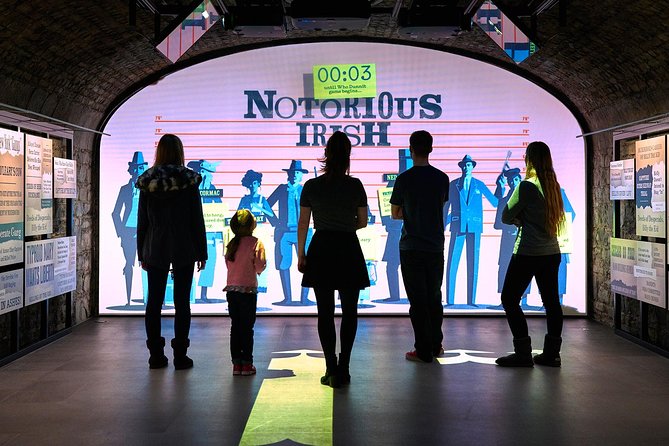
This experience works best when you treat it like a pick-your-moment activity. With your mobile ticket, you check in at the building and use your voucher to get started. From there, you receive a passport for the journey—an actual souvenir you’ll stamp as you progress.
You can enter at any time during opening hours, so you’re not stuck waiting for a single entry slot. That flexibility is handy in Dublin, where plans change fast—weather, jet lag, or a sudden urge for a long coffee can happen. One more practical point: you’ll get confirmation at booking time, which helps reduce last-minute stress.
Also, EPIC is near public transportation, and it’s a short walk from both O’Connell Street and Trinity College. If you’re building a first-day route, this is the kind of stop that can anchor your day without needing a lot of logistics.
Inside the 20 galleries: what you’ll actually do for 1.5 to 3 hours

The museum is built around 20 galleries on a self-guided tour. A typical visit takes about 1.5 hours, but the experience has enough detail and interactive elements that it’s easy to stretch to around 3 hours—especially if you stop to read, replay audio, or take your time with the passport stamps.
As you move through the galleries, you’ll collect stamps from play-passport stations at each stop. It’s one of the best ways to keep yourself oriented in a place that’s telling multiple stories. The “passport” system also helps families, since kids can track progress without needing to be continually entertained.
The content focuses on why more than 10 million Irish people left the island, along with the struggles and triumphs that came with departure. You also learn where people went and why, and you see stories connected to about 70 million people around the world who claim Irish ancestry today.
A key practical detail: you can enter any time during opening hours, but the galleries themselves are designed to be done in sequence. If you skip ahead, you might miss the way one theme leads to the next. My advice is to keep moving forward, then circle back only if you find a section that really grabs you.
The audio guide app in nine languages (and how to use it without getting annoyed)
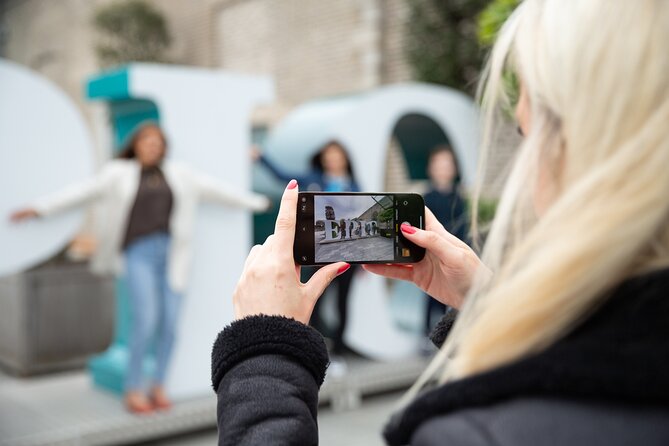
EPIC offers a free audio guide app for iPhone and Android, available in nine languages. This is one of the best “value add” parts of the ticket, because it turns screens and text into something you can absorb while walking.
In practice, the audio helps you connect what you’re seeing. When you arrive, the museum gives you a structure—then the audio provides the human context: the why behind the objects and exhibits, plus explanations that are easier to digest than reading everything at full speed.
One small consideration: the museum is tech-forward, and you may run into situations where multiple audio elements compete in the same area. If you’re sensitive to distractions, slow down slightly at those spots and let one element lead before you move on.
If you can’t download the app, you can use audio guide devices in nine languages for an additional €2. That backup matters if you’re arriving without enough phone battery or prefer not to rely on your data plan.
Staff support and the interactive design: the “human help” piece

What I liked most is how the museum doesn’t pretend you’ll figure everything out alone. Staff are located throughout the building and can answer questions while you’re moving through the galleries. That makes a difference because EPIC covers a huge topic—history, migration patterns, and cultural change—and people naturally want clarifications.
The exhibits themselves are interactive and built with lots of screens, audio triggers, and hands-on moments. That interactivity is why EPIC works even if you don’t think you’re a museum person. You’re not just standing there; you’re clicking, stamping, listening, and responding.
The flip side is that the museum tries to cover many angles. If you care about everything equally, that’s great. If you only want certain topics—music, inventions, politics, sports, or specific eras—you may find yourself moving faster through sections that don’t match your interests. One useful tactic: aim for a steady first pass, then slow down during the parts that align with your curiosity.
You can also read our reviews of more museum experiences in Dublin





The optional Irish Family History Centre: when your visit becomes personal
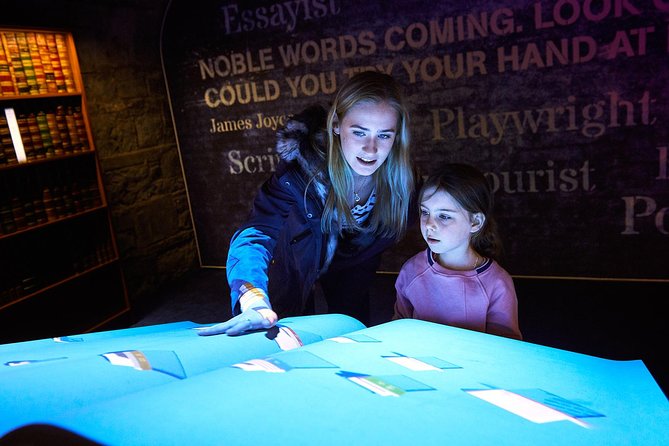
Your standard admission covers EPIC’s galleries. If you want to take it one step further, there’s an additional Irish Family History Centre option for an extra admission fee.
Here, you can explore your Irish heritage and ancestors and learn about your family story. The museum also notes that you can schedule a consultation with a professional genealogist. If you’re visiting with Irish roots—or you’re simply curious about how to trace them—this add-on is the most “you-focused” part of the overall experience.
I’d use this decision guide:
- If your goal is mostly to understand the broader story of emigration, stick with the main EPIC galleries.
- If your goal is to connect the story to your own surname and family line, budget extra time and plan for the Family History Centre.
Pacing tips: how to avoid rushing a museum built to slow you down
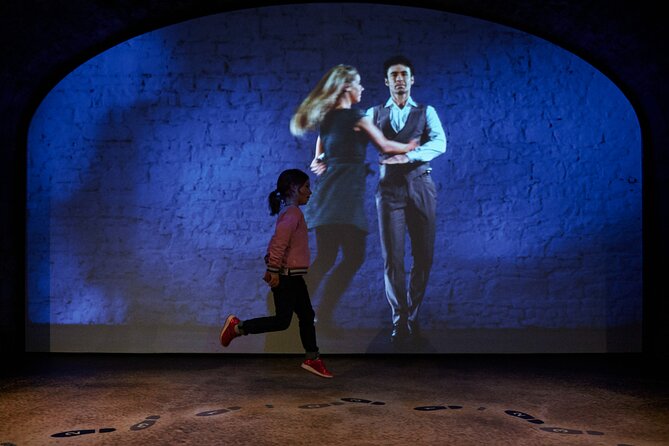
EPIC gives you room to breathe. Still, because it’s self-guided, your pacing choices are what make or break the experience.
Here’s how I’d plan it:
- Start with the goal of finishing the passport stamps.
- If you end up early, revisit a favorite gallery rather than sprinting to the end.
- If you’re short on time, use the audio guide to capture the key ideas, then decide which interactive moments are worth slowing down for.
Also, plan for a bit of variability. Even though the museum suggests about 1.5 hours, many people take longer because they read, listen, and interact. If you only allow 90 minutes and you get stuck on a section, you’ll feel rushed.
One more helpful detail from real-world use: if you don’t get through everything on your first day, there’s flexibility that can allow you to return the next day in some situations. If that matters to you, ask staff when you check in so you can confirm what’s possible for your ticket and timing.
Value in plain terms: is $25.40 worth it?
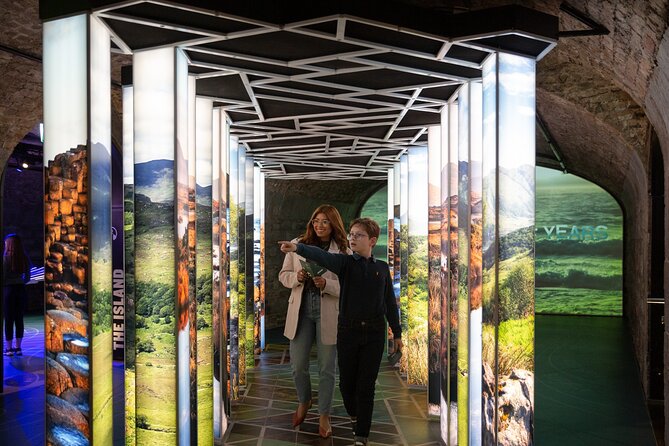
At about $25.40 per person, EPIC isn’t a bargain museum—but it also isn’t a small, one-room stop. You’re paying for a lot of built-in storytelling: a large footprint with 20 galleries, self-paced navigation, a physical souvenir passport, and a free audio guide app.
For good value, look at what you’ll use:
- If you’ll actually listen to the audio and stop for stamps, the experience has a strong “per hour” feel.
- If you plan to skim and skip nearly everything, you may feel like the price asks more attention than you want to give.
My practical bottom line: EPIC is worth it if you like history that explains why people made choices, not just what happened. It’s also worth it if you enjoy interactive exhibits and want something more engaging than a traditional museum layout.
Should you book EPIC Dublin?
Book EPIC if you want a modern, self-guided museum that explains Irish emigration in a way you can control—time of entry, pace, and audio support. It’s a great fit for families, people with Irish ancestry, and anyone who likes interactive history that connects past decisions to present identity.
Skip or think twice if you only have a small time window and you hate museums that move fast. EPIC covers a big subject, and if your ideal visit is short and simple, you might not appreciate the amount of content.
If you’re on the fence, I’d still lean toward booking—then plan your visit with breathing room. Give yourself time for the passport stamping, use the audio guide from the start, and let the galleries do their job at your speed.
FAQ
How long does EPIC take?
Most people plan for about 1.5 hours, but you can also take longer depending on how much you read and interact with the galleries.
Can I enter at any time during opening hours?
Yes. You can enter at any time during opening hours rather than needing a specific time.
Is EPIC fully self-guided?
Yes. It’s a self-guided tour through the 20 galleries, and you move at your own pace.
Do I get a souvenir passport?
Yes. Your admission includes a free souvenir passport, which you use to collect stamps as you go.
Is there an audio guide?
Yes. There’s a free audio guide app available for iPhone and Android in nine languages. Audio devices in nine languages are also available for an additional €2 if you can’t download the app.
What does the Irish Family History Centre cost?
Entry to the Irish Family History Centre is not included with standard EPIC admission, and it requires an extra admission fee.
Can I learn about my own family history there?
Yes. The Irish Family History Centre is set up for you to explore your own Irish heritage and ancestors, and you can schedule a consultation with a professional genealogist.
Are children allowed?
Children must be accompanied by an adult.
Is there free cancellation?
Yes. You can cancel up to 24 hours in advance for a full refund.