REVIEW · DUBLIN
Best Dublin City & Bay Authentic Fun Tour with a True Dubliner
Book on Viator →Operated by ChaperoneVIP Private Tours · Bookable on Viator
Dublin turns into a story when you ride local streets. This private, full-day plan strings together big landmark stops with pub culture and music vibes, plus a trip out to the fishing village and bay views of Howth. It’s a long day, but it’s paced to keep it fun and flexible.
I like the way Eamonn-style local guiding (and humor) makes history feel like it happened to real people. I also like the built-in variety: Howth Head for scenery, then back to Dublin for medieval gates, a cathedral photo moment, and prison-era 1916 context.
One heads-up: it’s about 8 hours, so you’ll want comfortable shoes. Also, the bay can be windy, and you’ll spend time looking out over Dublin Bay and the coast from above.
In This Review
- Key things I’d mark on your mental map
- A private Dublin day that actually feels like a local plan
- How the 8-hour route keeps Dublin from feeling too big
- Jeanie Johnston: Dublin’s famine story starts across the river
- River Liffey: the city in two halves, plus a bridge moment
- Howth Head: the bay viewpoints and the photo time you’ll want
- Howth Castle and Estate: a historic occupied site you can just look at
- John Kavanagh The Gravediggers: pub culture and a lunch anchor
- St. Audoen’s Gate: medieval Dublin’s last gateway
- Saint Patrick’s Cathedral: a history-heavy photo moment
- Kilmainham Gaol Museum: 1916 and the cost of rebellion
- The Liberties: Guinness and whiskey history in the same neighborhood
- Teeling Whiskey Distillery: tasting time and Irish coffee energy
- Temple Bar finish: live music as an optional night-start
- Price and value: what $713.53 per group really means
- Who this tour suits best
- Practical tips before you go (so the day feels easy)
- Should you book this Dublin City & Bay private fun tour?
- FAQ
- How long is the Dublin City & Bay tour?
- Is this a private tour, and how many people can be in the group?
- Is hotel pickup available in Dublin?
- What’s included in the tour price?
- Are entrance fees included for the stops?
- Can families join, and is live music part of the end of the tour?
Key things I’d mark on your mental map
- A true private day (up to 7 people) so the pace and stops can match your group
- Howth Head + Howth Castle for bay panoramas and a working castle scene
- Famine and revolution stops close together (Jeanie Johnston and Kilmainham Gaol)
- Pub culture built in, including a stop at John Kavanagh The Gravediggers
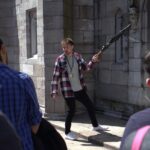
- Included fun bits like hurling try-outs on board, Irish chocolates, and a taste of whiskey
A private Dublin day that actually feels like a local plan
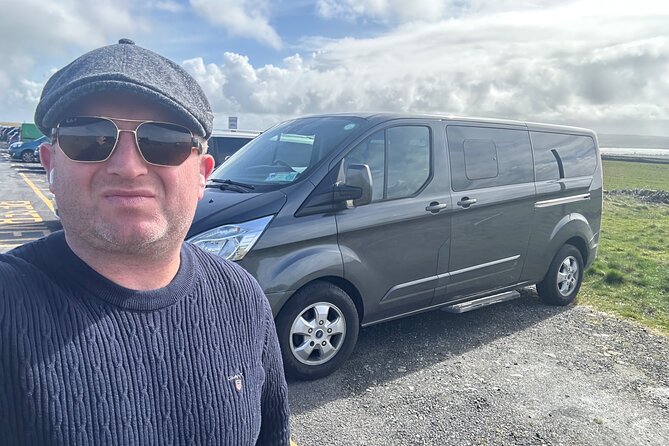
If you want Dublin in one day without racing from one ticket line to the next, this format makes sense. You’re in an air-conditioned vehicle with private transportation, and the guiding approach is built around stories, culture, and the kind of details locals notice.
The tour’s biggest strength is how it links themes. You get the Great Hunger era through the Jeanie Johnston story, you move into the medieval center with the old city gate, and you land in the 1900s at Kilmainham Gaol. It’s not random stops. The day has a through-line.
You can also read our reviews of more city tours in Dublin


How the 8-hour route keeps Dublin from feeling too big

Dublin is spread out more than many first-timers expect. Doing it well usually means either public transit plus walking (which can get tiring) or a car-and-stops approach. This tour is set up for the second option.
You’ll start at Olympia Theatre in Temple Bar (Dublin 8) and it ends back at the meeting point, which makes the day feel contained. It also helps you plan your evening afterward.
Pickup is available at any Dublin city-centre hotel or accommodation, so you don’t lose time wrangling transit from the edge of town. You’ll also have a mobile ticket, which keeps things simple on the day.
Jeanie Johnston: Dublin’s famine story starts across the river
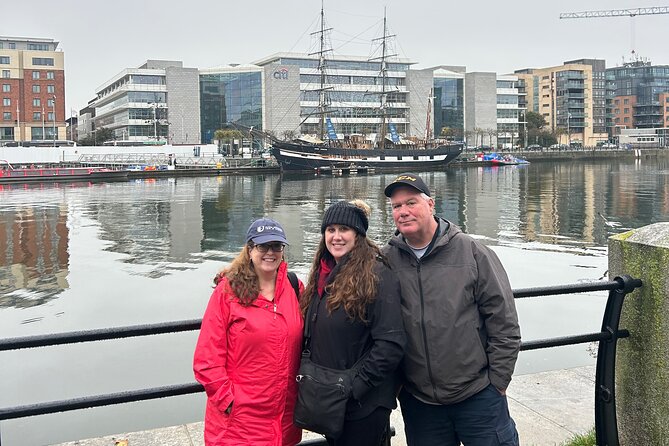
Your first stop sets the emotional tone of the day. The Jeanie Johnston: An Irish Famine Story focuses on the mid-1800s Great Hunger and the desperate emigration that followed. From across the river, you’ll see the ship of hope theme visually before you move on.
What I like about this kind of start is that it prevents the rest of the day from feeling like a checklist. Even when you switch gears to parks, pubs, and bays, the people-and-history thread is already in your head.
Potential consideration: this is an early stop with limited time, so if you want to slow down and read every detail on your own, you might wish you had more time here. The tour’s goal is breadth, not deep solo study at one location.
River Liffey: the city in two halves, plus a bridge moment
Next you learn the basics of why Dublin looks the way it does. The River Liffey splits the city and drives so many of its landmarks and neighborhoods. You’ll also get a chance to learn about a famous bridge as you go.
This is a smart add-on because it helps you connect what you see later. When you understand where the river runs and why the city is shaped that way, the whole day starts to click faster.
Howth Head: the bay viewpoints and the photo time you’ll want

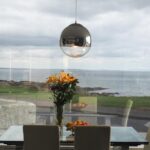
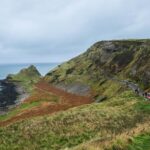
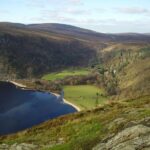
Then you get out to the bay. The route goes up toward Howth Head, with about an hour for scenic views and photos. This is the moment when Dublin stops being a city-only trip and turns into a coastal one.
If you like getting your bearings quickly, elevated viewpoints do that job fast. You’ll see Dublin Bay from above, and that makes the rest of the day feel like more than just inner-city landmarks.
What to consider: bay air can be cold or windy, even when Dublin feels mild. Dress for wind, not just for temperature, and bring a phone-charged-and-ready mindset because you’ll likely want several shots.

Howth Castle and Estate: a historic occupied site you can just look at
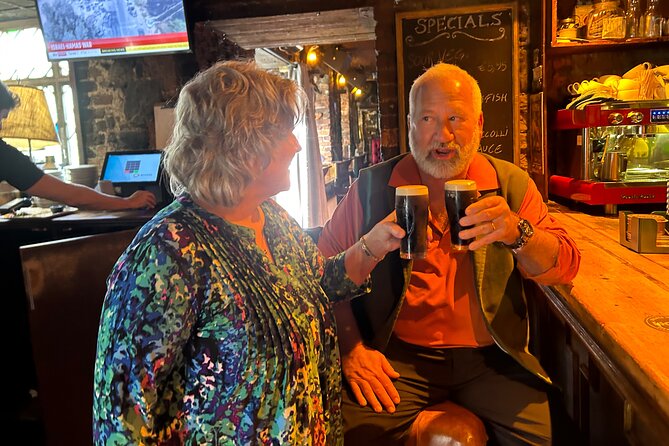
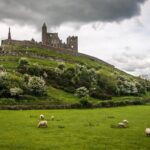
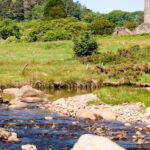
From the bay route you’ll reach the Howth fishing village area again and view Howth Castle and Estate. The note that it’s still occupied adds a real-life edge: this isn’t just a romantic ruin for photos. It’s a continuing property.
This stop works well even if you’re not obsessed with castles. You get a sense of the place where the city’s coast story mixes with Irish land and heritage.
Potential drawback: castle views here are more about seeing and understanding the setting than turning into a full deep dive. If you’re a “show me every room” type, you’ll want to plan separate time for that.
John Kavanagh The Gravediggers: pub culture and a lunch anchor
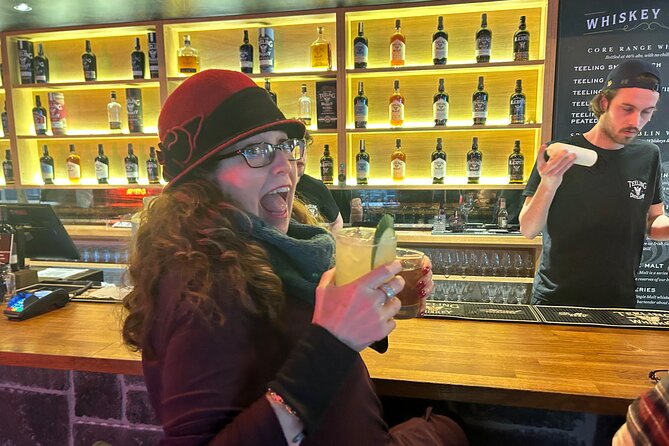
Now you hit John Kavanagh The Gravediggers, a Dubliners-style pub stop. The day gives about an hour here, and the setup is aimed at more than just a drink.
You get pub culture, and you also get a practical break in the schedule. If lunch is part of your day, this is where it naturally fits, and the tour frames it around an authentic Dublin feel.
Why it matters for value: pub stops can become overpriced tourist traps. This one is designed as a local-style landmark, and that’s the difference between spending money on a theme and spending money on something you’ll actually remember.
One consideration: pubs are lively by nature. If your group is sensitive to noise or wants quiet, tell your guide early and you can plan how you use the time.
St. Audoen’s Gate: medieval Dublin’s last gateway
After the pub break, you step into older Dublin. Saint Audoen’s Gate is described as the last remaining gateway into the medieval city of Dublin.
This is the kind of stop that rewards curiosity. A gate sounds simple, but it’s a physical clue to how people moved, defended, and lived centuries ago. You can also take a few minutes to picture city life before modern streets swallowed everything.
Potential drawback: this is a shorter stop. If you love architecture, you’ll finish with a “wait, I want more time here” feeling. The upside is you still get the rest of the big-ticket stops later.
Saint Patrick’s Cathedral: a history-heavy photo moment
Next is Saint Patrick’s Cathedral, with a photo stop and some history. It’s a landmark with a very long timeline, and the tour’s timing makes it easy to catch without turning your day into a walking-and-reading marathon.
I like cathedral photo stops for two reasons. First, you get an instant Dublin identity marker. Second, it balances the more heavy-history moments so the day doesn’t feel too heavy back-to-back.
Kilmainham Gaol Museum: 1916 and the cost of rebellion
Then comes the serious one: Kilmainham Gaol Museum. The tour focuses on the brave Irish revolutionaries held there and executed by firing squad in 1916.
This stop is timed at about 20 minutes, which means you’ll likely take in the broad facts and the emotional weight rather than going through every exhibit in detail. Still, it lands hard, and it also gives context for why Irish political struggle matters far beyond that one year.
Practical consideration: if your group dislikes heavy historical content, tell your guide before you reach the prison stop. You can adjust pacing and decide how much time you actually want inside the museum area.
The Liberties: Guinness and whiskey history in the same neighborhood
After Kilmainham, the day moves into The Liberties, an area tied to brewing and distilling history. The tour points to the Guinness brewery and talks about historic whiskey distilleries—some famous, some long forgotten.
This part is great if you want Irish drinking culture to feel grounded in place, not just branding. When you learn how the brewing and distilling world grew in a neighborhood, the city’s nightlife stops being random.
One more value point: it’s a short block in the schedule (about 30 minutes), which means you don’t lose your whole afternoon to one topic. You get a taste, then you move on.
Teeling Whiskey Distillery: tasting time and Irish coffee energy
Now you get to Teeling Whiskey Distillery for about 40 minutes. The tour frames this as a casual whiskey tasting stop, and it also mentions Irish coffee as an option.
This is a good pairing after The Liberties because you’re shifting from history to the product itself. It makes the stories you just heard feel real in your mouth.
Consideration: whiskey tasting can be deceptively strong. If you’re driving later, keep it light. If your group includes non-drinkers, it may still be worth going just for the atmosphere and the chance to taste something without committing to a full bar order.
Temple Bar finish: live music as an optional night-start
You end near Temple Bar, with about an hour at the finish. The tour includes an option: if you like, you can be dropped into live Irish music in the Temple Bar area.
This is a smart way to end. You’re not forced into a late-night plan, but if you want to keep the cultural momentum going, you get a clean handoff to the local music scene.
One caution: Temple Bar can get crowded later in the evening. If your group wants calmer music, aim to head in right away after the tour ends.
Price and value: what $713.53 per group really means
The price is $713.53 per group for up to 7 people. On paper, that’s not cheap. In real life, it can be good value because you’re paying for a full private day with transportation plus included extras.
Here’s the simple math: at the max group size (7), it works out to roughly $102 per person. If you book for a smaller group, the per-person rate rises, but you still get the private-car convenience and the “true local guide” style that many people end up chasing with bigger group tours.
Also included are practical comforts and small treats:
- air-conditioned vehicle
- bottled water (still or sparkling)
- snacks like Irish chocolates
- alcohol beverages, including a taste of onboard whiskey if you like
- a try at the native sport of hurling with hurling sticks on board
That mix matters. It turns the day into something you actually do, not just something you watch from the window.
And because it’s booked well in advance on average, it’s worth reserving early if your dates are fixed.
Who this tour suits best
This tour fits best if you want:
- a private guide with flexibility for your group’s interests
- a mix of Ireland’s big themes (famine, rebellion) plus fun Dublin stops
- a day trip that includes both city landmarks and Howth bay scenery
It’s also a good match for multi-generation groups. The format is built around vehicle travel between stops, and the pacing can be adjusted for group needs. If anyone in your party needs extra care, tell the guide early so the day can be organized around comfort.
If you’re the kind of traveler who wants 8 hours of quiet museum reading, you may find the stop timing a bit short. But if you want variety with meaningful context, this is a strong option.
Practical tips before you go (so the day feels easy)
1) Wear shoes for mixed surfaces. You’ll move around gates, cathedral areas, and museum grounds.
2) Bring a light layer for the bay. Wind near Howth Head is the kind that sneaks up on you.
3) Pace your drinks. There’s a whiskey tasting and whiskey available onboard. Enjoy it, but don’t overdo it if you plan on Temple Bar music afterward.
4) Ask for personalization early. The day is designed to be customized, and it pays to tell your guide what you care about most.
5) Have a camera ready. The itinerary repeatedly sets up photo moments, including big exterior views.
Should you book this Dublin City & Bay private fun tour?
I’d book this if you want Dublin in one day with an emphasis on real local culture: pub stops, music-friendly energy, and historical context that ties together the city’s past and present. The Howth bay segment is the escape hatch that keeps the day from turning into only streets and stone.
You might skip it if you’re budget-only, or if you want ultra-deep time inside a single museum. This tour is about smart coverage and a guide-led experience, not slow solo study.
If your group size is near the maximum of 7, it’s also one of the better ways to buy a full private day without paying a huge per-person premium.
FAQ
How long is the Dublin City & Bay tour?
The tour runs about 8 hours.
Is this a private tour, and how many people can be in the group?
Yes. It’s private, and the group size is up to 7 people.
Is hotel pickup available in Dublin?
Pickup is available from any Dublin city-centre hotel or accommodation.
What’s included in the tour price?
You get an air-conditioned vehicle, private transportation, bottled water (still or sparkling), snacks like Irish chocolates, and alcoholic beverages including a taste of onboard whiskey if you like. There’s also a chance to try hurling on board.
Are entrance fees included for the stops?
Admissions or entrance fees are not included in general, and if a stop requires an entry fee, you’ll pay it on-site.
Can families join, and is live music part of the end of the tour?
Child car seats are available at no additional fee, and live Irish music at Temple Bar is optional at the end of the tour if you want to head into the area.