REVIEW · DUBLIN
Dublin: Irish Famine Exhibition Entry Ticket
Book on GetYourGuide →Operated by Irish Famine Museum / Exhibition · Bookable on GetYourGuide
Potatoes and power leave scars. This Dublin exhibition lays out the Irish Potato Famine with rare 19th-century photographs and room-by-room storyboards that make the timeline feel clear. I also love that you see original artifacts up close, not just modern explanations.
One thing to plan for: this is heavy material. You’re walking through rooms on starvation, disease, evictions, and workhouses, and it’s not a sit-down-and-smile kind of stop.
In This Review
- Key things I’d put on your must-see list
- Where the Irish Famine Exhibition is inside Stephens Green
- Plan for an easy one-hour circuit (and don’t rush it)
- Room-by-room storyboards: the timeline that makes sense
- The rare photos and why they hit harder than text
- The artifacts: newspapers, personal letters, and a cast-iron soup pot
- Workhouses, evictions, coffin ships, and disease
- The 15-minute overview film (and how to use it)
- Translation manual support for key languages
- Ticket price and value: is $16 worth it?
- When this topic gets intense: how to make your visit work
- Who should book this ticket?
- Should you book the Irish Famine Exhibition ticket in Dublin?
- FAQ
- Where is the Irish Famine Exhibition located?
- What are the opening hours?
- How long should I plan to visit?
- What’s included with the entry ticket?
- Are the book and USB stick included?
- Is the exhibition wheelchair accessible?
- What about ticket validity and cancellation?
Key things I’d put on your must-see list

- A step-by-step storyline across multiple rooms so you can follow what happened without getting lost
- Rare 19th-century photographs of Ireland that give the famine a real face and place
- Original documents and personal letters (including a tenant-to-landlord letter and a father-to-son letter)
- Real newspaper articles displayed as historic evidence of what was being reported at the time
- Workhouses, evictions, coffin ships, and disease explained as connected parts of the crisis
Where the Irish Famine Exhibition is inside Stephens Green
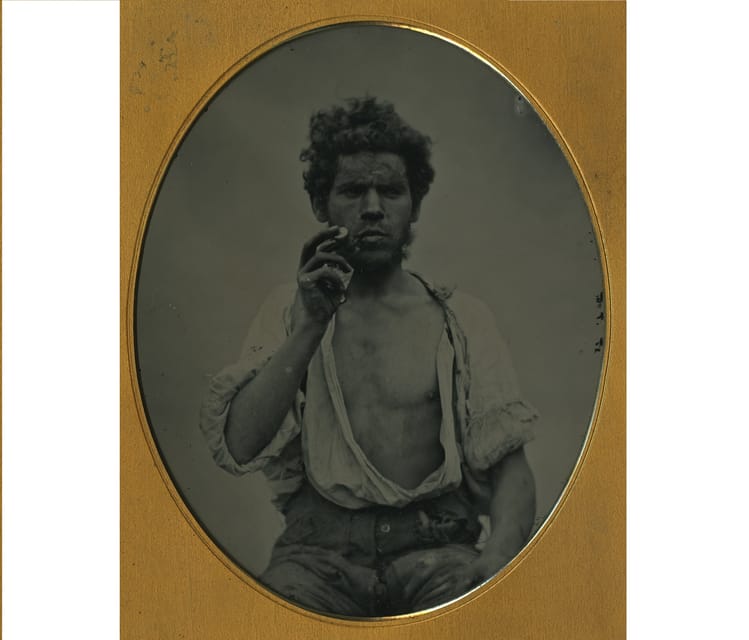
The exhibition is inside the Stephens Green Shopping Centre, in Unit 200b on the 2nd floor. If you enter from the main entrance off Grafton Street, take the elevator on the right about 20 meters in, then go left when you reach the 2nd floor.
If you’re coming from the car park, you’ll want to head to the opposite end of the shopping centre to find the same spot. Once you’re inside, it’s straightforward: you’re in an indoor museum-style layout, not a wandering outdoor “find the view” kind of stop.
I like this location because it works well even on a rainy Dublin day. You also get an easy pairing option: before or after, you’re already in the heart of the city with plenty of nearby places to grab a coffee or meal.
You can also read our reviews of more tours and experiences in Dublin



Plan for an easy one-hour circuit (and don’t rush it)
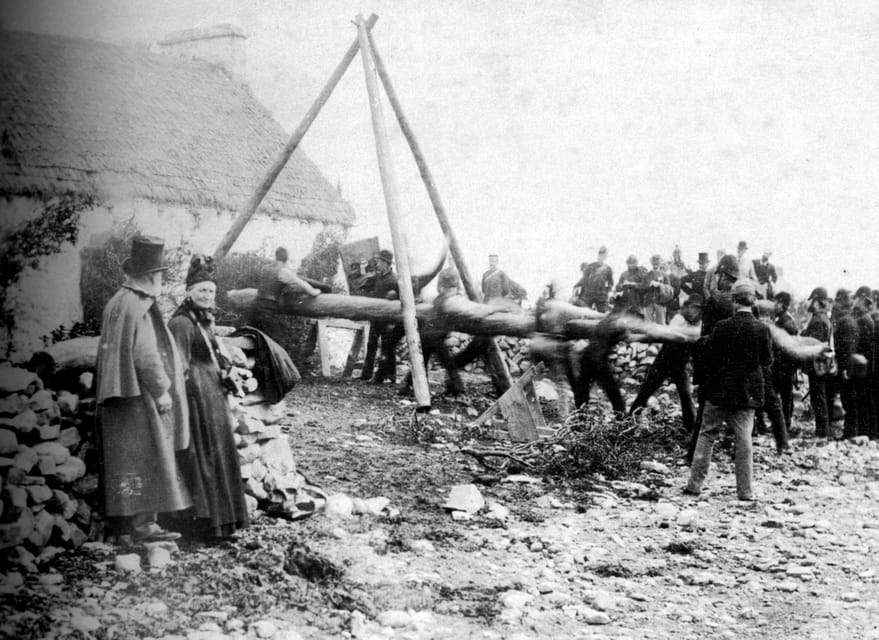
The ticket is valid for 180 days, and during booking you’ll see available starting times, so pick one that fits your day. Once you’re there, allow at least one hour. The exhibition is arranged as a sequence of rooms with storyboards, so you’ll naturally move from one section to the next.
You’ll also notice seating designed for a short film overview: there’s a place to sit for the 15-minute overview film, plus benches in rooms as you go. That matters because the topic is so grim that taking a brief break can help you keep your footing.
I’m glad the visit length is realistic. You’re not signing up for a half-day commitment, but you still get enough time to actually absorb what the materials are trying to explain.
Room-by-room storyboards: the timeline that makes sense
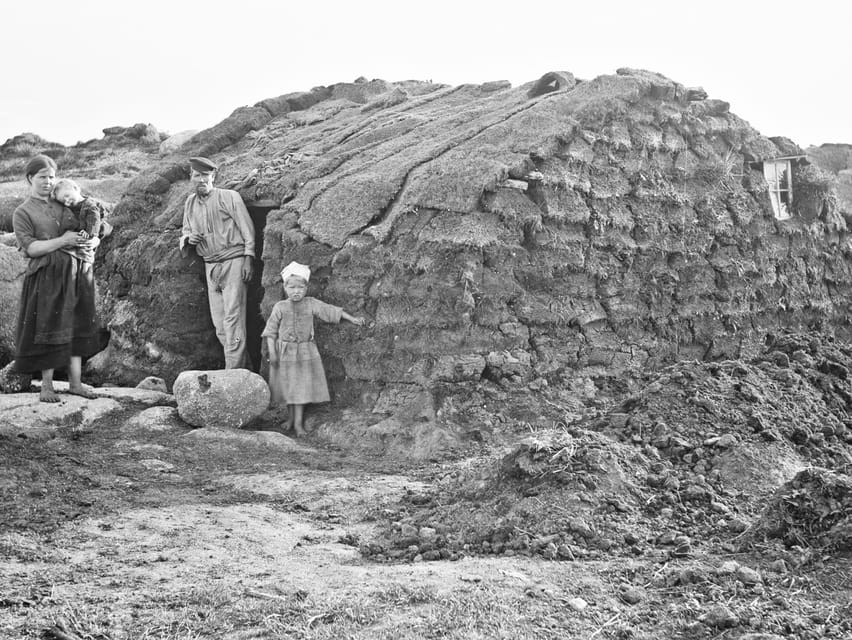
The core of your visit is the set of storyboards in different rooms, set up in a step-by-step way. Instead of throwing dates and names at you, the exhibition builds the story in a sequence that helps you connect events without needing a background textbook.
Each room guides you through key parts of the disaster. As you move through, you’ll see the names of major themes and the logic behind them, like how people were pushed into impossible situations and how conditions worsened for households across Ireland.
What I like about this style is that it prevents two common museum problems:
- You don’t just skim headlines and artifacts without understanding why they matter.
- You don’t need to be a history specialist to follow the “how did this happen?” question.
It’s still emotionally demanding, but the structure helps you focus.
The rare photos and why they hit harder than text
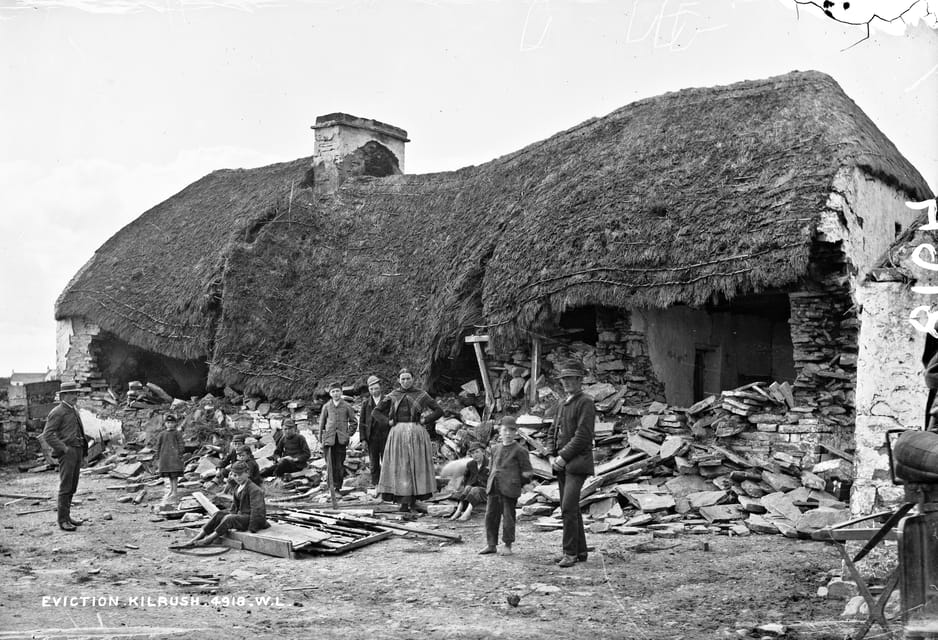
One of the strongest parts of the exhibition is the display of rare 19th-century photographs. Pictures like these don’t let you treat the famine like distant trivia. They put you in the same landscape where scarcity played out, and that makes the explanations more believable.
Alongside the photos, you’ll see original items tied directly to the moment, including newspapers and personal letters. This matters because it shifts the experience from explanation to evidence. You’re not just being told what happened—you’re seeing what people wrote and printed when the crisis was unfolding.
If you care about how history feels lived, these visuals and documents are the backbone of that effect. They also give you something to look at more than once: the first pass helps you follow the storyline, and the second pass (if you slow down) helps you notice details you missed.
The artifacts: newspapers, personal letters, and a cast-iron soup pot
This is not a museum that relies only on panels. You’ll also encounter multiple original artifacts that make the story more human.
You’ll see:
- Two original newspaper articles describing the catastrophe
- Two personal letters—one from a tenant to his landlord, and another from a father to his son
- An original cast iron soup pot on display
That soup pot sounds simple, but it’s exactly the kind of object that anchors a disaster in daily life. It’s a reminder that hunger wasn’t an abstract concept; it affected meals, routines, and families.
The letters are also powerful because they show communication between people at opposite ends of power. A letter to a landlord, for example, isn’t just personal—it hints at the system people were stuck inside. The father-to-son letter does something similar by highlighting what was at stake emotionally, not just economically.
This is where the exhibition earns its reputation for being well done. It doesn’t shy away from showing the human pressure points.
You can also read our reviews of more museum experiences in Dublin





Workhouses, evictions, coffin ships, and disease
The exhibition covers multiple major parts of the crisis—workhouses, evictions, coffin ships, and disease. The key value here is that these are not treated as separate tragedies. They’re linked.
So you’re asked to consider a hard question: if there was food available somewhere, how did so many people die from starvation and illness? The exhibition pushes you toward that logic rather than letting you stop at the word famine and call it done.
It also notes a controversy around the term famine for Ireland during that period. Ireland was part of the British Empire, and the exhibition points out there was sufficient food in the country during the famine years. Yet over a million people died from starvation and disease, and millions more were forced to flee.
You don’t need to walk out with a perfect theory. What matters is that the materials guide you toward a clearer understanding of the crisis as a system of policies, conditions, and consequences—not just a single crop failure.
The 15-minute overview film (and how to use it)
In addition to the storyboards, there’s a 15-minute overview film available during the visit. You’ll find seating for it as part of the exhibition flow, with benches in each room and a place to settle in for the overview.
Think of the film as a map. If you watch it after you’ve seen some of the boards, it helps connect the sections you’ve already viewed. If you watch it earlier, it can help you orient to what you’re about to see.
Either way, the short length is a practical advantage. You’re learning in manageable chunks, and you can still spend your time on the original photos and documents that tend to leave the strongest impression.
Translation manual support for key languages
To make the content more accessible, the ticket includes a translation manual in French and German and Italian. (That’s helpful if English isn’t your comfort zone, or if you want a second way to follow along with the storyboards.)
You’ll still be reading through the exhibition rooms, but having the manual reduces the risk of missing the point. It also helps if you want to move at a steady pace without feeling rushed by language barriers.
If you’re traveling with friends who split their time between reading and watching, the translation option can keep everyone engaged and on the same page.
Ticket price and value: is $16 worth it?
At $16 per person, this exhibition is priced like a focused museum stop rather than a long guided tour. The value comes from what’s included:
- entry to the Irish Famine Exhibition
- the in-exhibition storyline through multiple rooms
- access to the overview film seating
- a translation manual in multiple languages
You’re also getting original displayed items—newspapers, letters, and a cast iron soup pot—plus rare photographs. That’s a lot for one hour on an indoor visit, especially in a city where time and weather can both be unpredictable.
Two things to keep in mind on value:
- If you love to linger over primary documents and photographs, you may naturally use the full hour or more.
- If you’re the type who wants a lively guided talk from a human lecturer, you might wish the exhibition were more interactive. The design here is more self-directed room-to-room.
Finally, note what’s not included: the book and USB stick are sold separately at the reception desk. You can buy them if you want something to take home, but you don’t need them to get the core experience.
When this topic gets intense: how to make your visit work
This isn’t a feel-good attraction, and that’s not a bad thing. But you’ll get more out of it if you treat it like a serious museum visit.
Here are practical ways to make it easier:
- Give yourself real time. Don’t stack it with another must-see that demands your energy right afterward.
- Watch your pace in the rooms with the strongest emotional content, especially around evictions and disease-related themes.
- Use the benches and the film seating. Even a short pause helps you process instead of just absorbing.
If you’re visiting as a family, it can still be appropriate for older kids or teens who can handle difficult history. But younger kids may find the subject too distressing, and you may need to shorten the visit.
Who should book this ticket?
I think this ticket is a great match if you want:
- a clear, structured explanation of the Irish Potato Famine
- original artifacts and primary documents, not just general summaries
- a short, indoor visit that doesn’t swallow your whole day
- a meaningful stop that connects history to real people through letters and photographs
It’s less ideal if you’re looking for a casual, entertainment-first attraction. This is learning with real weight.
Should you book the Irish Famine Exhibition ticket in Dublin?
If you want a focused, informative museum stop that respects the complexity of what happened, I’d book it. The exhibition’s room-by-room structure, rare photographs, and original items like newspapers, letters, and the soup pot give you more than a quick glance—you get an actual understanding of the crisis and its consequences.
The only reason I’d hesitate is if you’re hoping for light sightseeing. This one will ask a lot of you emotionally, and it’s best taken when you can slow down.
If that sounds like your kind of travel—thoughtful, human, and grounded in real evidence—then this is a strong value for your time in Dublin.
FAQ
Where is the Irish Famine Exhibition located?
It’s located in Unit 200b inside the Stephens Green Shopping Centre in Dublin. The directions from the main entrance off Grafton Street involve taking the elevator on the right and then going left on the 2nd floor.
What are the opening hours?
The exhibition is open every day from 12pm to 6pm.
How long should I plan to visit?
Plan for at least one hour.
What’s included with the entry ticket?
Your ticket includes entry to the Irish Famine Exhibition and a translation manual in French, German, and Italian, plus access to the exhibition’s overview film.
Are the book and USB stick included?
No. The book and USB stick are available for purchase separately at the reception desk and are not included with the ticket.
Is the exhibition wheelchair accessible?
Yes, the exhibition is wheelchair accessible.
What about ticket validity and cancellation?
The ticket is valid for 180 days. You can cancel up to 24 hours in advance for a full refund.