REVIEW · DUBLIN
6-day All Ireland & Northern Ireland Rail Tour from Dublin
Book on Viator →Operated by Railtours Ireland First Class · Bookable on Viator
Six days can feel like a lot. That is also why this trip is interesting: you get a host throughout plus reserved train seats, and most of the heavy lifting is done for you. You follow a set route that hits the classic big-name stops (Cliffs of Moher, Titanic Belfast) and also adds the Aran Islands and Connemara so the week does not feel like a greatest-hits replay.
I also like the built-in rhythm of long sightseeing days with true free evenings in places like Killarney and Galway, so you can actually eat well and pick your own music and atmosphere. One drawback to factor in: some days are long by the standards of a relaxed vacation, and meals beyond the included breakfasts are on you, so budget time for good pub stops.
In This Review
- The Biggest Selling Points Before You Pack
- Price and Value: What $2,662.94 Really Buys
- Where the Tour Starts and How the Week Flows
- Day 1: Cork and Cobh—Blarney Stone to the Queenstown Story
- Day 2: Ring of Kerry—Carrantuohill, Passes, Bays, and Ladies View
- Day 3: Bunratty Castle, Cliffs of Moher, and the Burren by Evening
- Day 4: Connemara in the Gaeltacht and Kylemore Abbey’s Benedictine Setting
- Day 5: Aran Islands on Inis Mór—Seven Churches, Dún Aonghusa, and Atlantic Views
- Day 6: Belfast’s Titanic Belfast and the Hop On Hop Off Bus Loop
- Hotels, Pace, and the Coach-and-Train Reality Check
- Who Should Book This Tour (and Who Might Not)
- Should You Book It?
- FAQ
- What city does the tour start from?
- Where does the tour end?
- Are rail tickets included?
- What’s included for lodging and meals?
- Are major attractions admission fees included?
- Is the Aran Islands day admission included?
- What does the Belfast day include besides Titanic Belfast?
- How large is the group?
- What is the cancellation window for a full refund?
The Biggest Selling Points Before You Pack
- Host-led planning from the first morning in Dublin: you meet up, board, and flow from stop to stop without map anxiety.
- Reserved seats on the trains: you are not standing around guessing where you fit on the rail leg.
- Major admissions are built in: think Blarney Castle, Cliffs of Moher, Kylemore Abbey, Titanic Belfast, and more.
- Mix of rail, coach, and a ferry day: it changes the pace and helps you see more than one region each day.
- Free evenings where it counts: Killarney and Galway both get real time to roam and eat.
- Group size capped at 53: bigger than a private car, but not so huge you feel lost.
Price and Value: What $2,662.94 Really Buys
At $2,662.94 per person, this is not a budget bargain. What makes it more defensible is what is included: return rail tickets, reserved train seats, escorted coach time, accommodation, and entry to several big-ticket sights. You also get 5 breakfasts included, which matters on days that start early.
Still, you should look at what is not included. The tour lists meals as not included, meaning lunch and dinner are your job. That is fine—Ireland is full of excellent pubs and cafés—but it is also where your total trip cost can creep upward if you mostly grab convenience food.
In other words: you are paying for time-saving logistics and admission coverage, not for free meals every day. If you like structure and hate planning, this can feel like good value. If you want lots of independent flexibility, you may find it pricey for a group schedule.
You can also read our reviews of more tours and experiences in Dublin


Where the Tour Starts and How the Week Flows
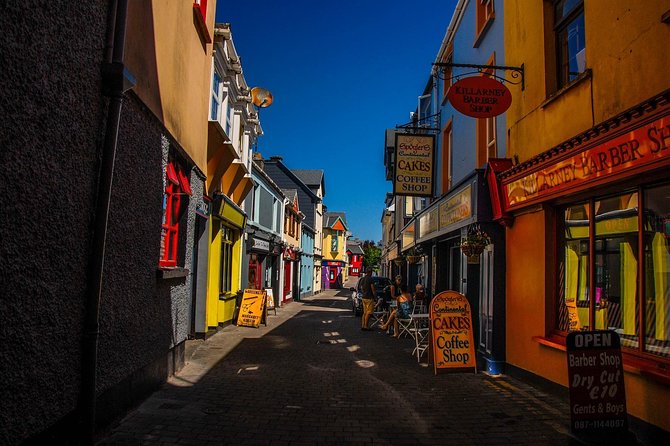
You start in Dublin at Dublin Heuston Station (7:00 am start time). The tour ends back in Dublin at Connolly Station, with the return arrival around 10:15 pm, then you get collected and transferred to your Dublin hotel for the final night.
The routing is built like a loop: south and west from Dublin (toward Cork and Kerry), then west again through Limerick and Galway, up through Connemara, over to the Aran Islands, and finally north into Belfast. That means you are moving regions almost every day, which is exactly the trade-off with a tight 6-day format.
Also keep in mind the tour language is English, and you get a mobile ticket. That is practical if you want to avoid printed paperwork.
Day 1: Cork and Cobh—Blarney Stone to the Queenstown Story
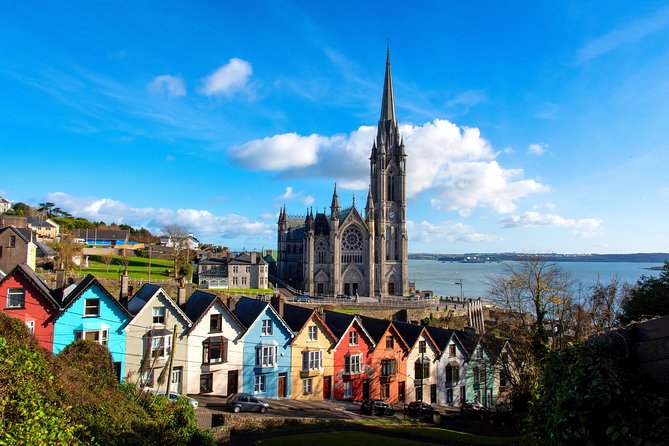
Day 1 is a classic Irish opener: Blarney first, then a change of scenery along the water.
Blarney Castle and Gardens
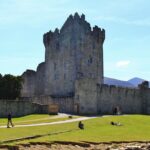
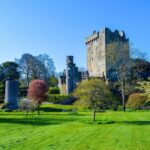
You arrive into Cork around 9:35, then transfer by coach to Blarney Village and Castle. You get time for the famous kiss on the stone, plus shopping and lunch. The timing note here is smart: lunch at Blarney is your main chance at a substantial meal, so plan to eat when you can rather than assuming another full lunch slot is coming later.
From there you head toward Cobh, with a short city tour as you go.
St Colman’s Cathedral and Cobh Heritage Centre
In Cobh you visit St Colman’s Cathedral and then head down along the seafront. You pass the old White Star Line offices, which ties directly into the maritime feel of the town. The Cobh Heritage Centre visit is included through admission tied to the Queenstown Story, and it is there that the Great Famine and Irish emigration story gets put into context. For many people, this stop is the emotional anchor of the first day because it connects a personal-scale story to a huge historical wave.
Train to Killarney
You then travel to Killarney by train via Mallow. The evening is free, and that matters: Killarney is one of those places where you can step outside and find cafés, restaurants, and traditional Irish music without having to pre-book anything.
Day 2: Ring of Kerry—Carrantuohill, Passes, Bays, and Ladies View
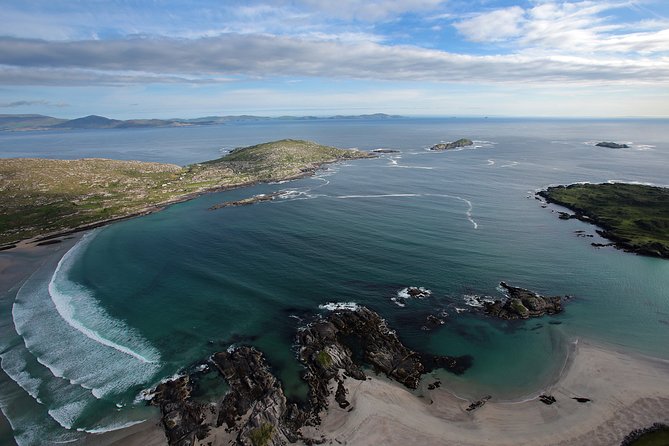
Day 2 is your full scenic loop day, and it is run like a proper guided drive: you get collected around 9:45 from your accommodation or as directed by the Killarney representative.
The Ring of Kerry tour runs about 7 hours, and you get multiple built-in moments for morning tea, lunch, photo stops, and viewpoints. That schedule flexibility is useful because the scenery changes fast, and you do not want to be stuck on one side of the road wishing you had time for photos.
A few specifics that help you understand what you will be looking at:
- You can see Carrantuohill (listed at 1,041 metres) on the way. It is the highest mountain in Ireland.
- The drive circles the MacGillycuddy Reeks with passes and valleys.
- You pass through villages such as Glenbeigh, Waterville, and Sneem.
- You return via Ladies View, the Lakes of Killarney, and the oakwoods in the National Park.
This is one of the best days to slow down mentally. You are not just collecting postcard shots; you are seeing how Kerry’s bays and inland ridges connect. When the day ends, you are returned to your accommodation and your evening is free again, so you can swap sightseeing boots for dinner shoes.
Day 3: Bunratty Castle, Cliffs of Moher, and the Burren by Evening
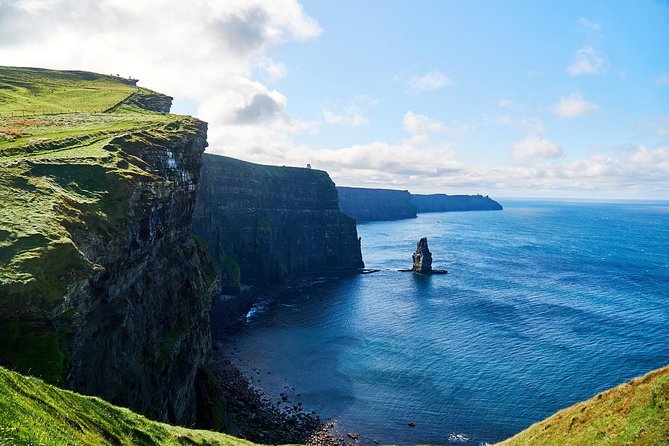
Day 3 is a big one, and it also shows the tour’s strongest skill: stacking iconic sites with enough variety to keep it from feeling repetitive.
You are picked up between 7:00 and 7:15 and transferred to Limerick City, where you join the coach for the Cliffs of Moher and Galway Bay portion. After a brief city tour, you head to Bunratty Castle and Folk Park.
Bunratty Castle and Folk Park
Admission is included here. The castle was completed in 1425, and it has been restored after years of neglect. What makes this stop extra interesting is the folk park: buildings from around the region were dismantled and rebuilt brick by brick at the site. Even if you are not a museum person, the craft of that rebuild makes the place feel real and lived-in rather than like a theme set.
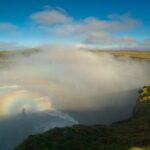
Then you go to the Cliffs of Moher. There is a lunch stop at a local pub in Doolin before you arrive. The cliffs visit gets about 2 hours, which is a reasonable amount of time to walk the viewpoints and soak in the scale without feeling rushed.
The Burren on the way to Galway
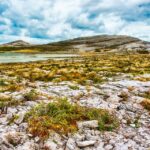
After the cliffs, you take the coast road for much of the way to Galway with photo stops around The Burren. The Burren is described as a national park, and the word means rocky place. You get a short photo stop if time permits, and the focus here is on the diversity of plant life in a place that looks mostly like stone from far away. It is a great reminder that Ireland’s texture is not always what it first appears.
You arrive in Galway around shortly after 17:00, and the coach sets you down at Eyre Square, right in the centre near hotels and the railway station. Evening is free, so you can stroll and eat at your own pace.
Day 4: Connemara in the Gaeltacht and Kylemore Abbey’s Benedictine Setting
Day 4 shifts from the west-coast drama of the Burren to a quieter, higher-feeling region: Connemara, including Gaeltacht villages where Irish is spoken.
Kylemore Abbey and the Victorian Walled Garden
You visit Kylemore Abbey, described as an 18th-century castle now owned by Benedictine nuns. There is an on-site pottery, a gift shop, and a restaurant, and you stop here for lunch. Admission for the stop is included, and the day keeps moving after lunch so you stay in the flow rather than turning this into a half-day wait.
Then you drive home toward Galway City along the shores of Galway Bay, passing through Inverin and Spiddal. The views back across the bay include the Burren and hills in County Clare, connecting Day 3 and Day 4 in a nice way.
If you like places where the culture feels part of daily life (not only a performance for visitors), Connemara is often the kind of stop you remember later—even if you do not have a list of must-see monuments.
Day 5: Aran Islands on Inis Mór—Seven Churches, Dún Aonghusa, and Atlantic Views
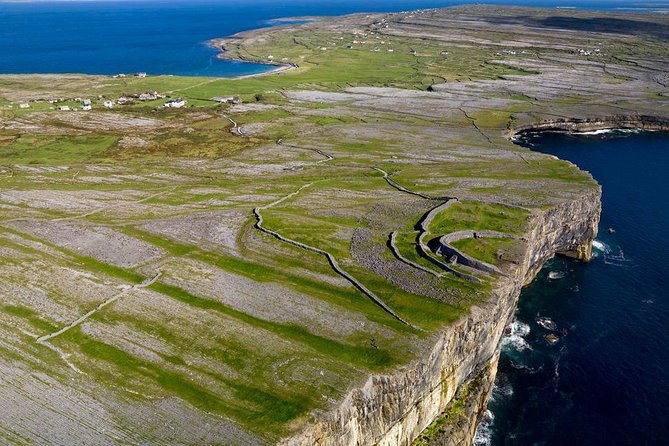
This is the day where the tour turns from mainland drives into island time.
You transfer to Rossavile for the ferry to Inis Mór (pronounced inish more). The island is the largest of the Aran Islands. On arrival, you have about 20 minutes before the island tour departs. That window is mainly for toilet needs and buying refreshments, which is very practical because you are planning around real island timing.
You then meet local hosts at the Railtours/Hernon Tours sign near the Aran Sweater Market in Kilronan village. You are collected between 11:50 am and 12:00 noon, then you tour the island for about 4 hours.
Your included tour stops are:
- the Seven Churches
- Dún Aonghusa
- Kilronan for lunch
For many people, the highlight is Dún Aonghusa, described as a pre-Christian fort with spectacular cliffs on the western side and unspoiled Atlantic Ocean views. Even if you have seen cliff views before, Aran’s stark geometry is different: it feels wind-shaped, not just wave-shaped.
One important practical note: the day states admission for the island tour is not included. You will want to budget for that portion on top of the tour price, so there are no surprise charges.
Day 6: Belfast’s Titanic Belfast and the Hop On Hop Off Bus Loop
Day 6 brings you to Northern Ireland and makes it feel modern without losing the emotional weight of the week.
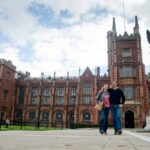
First stop: Titanic Belfast (about 2 hours, admission included). The building is described as ship-shaped, and inside you move through nine interactive galleries covering design and construction in Belfast’s shipyards, the maiden voyage, and the tragedy. You also see authentic artifacts, walk through recreated cabins, and go to glass observation decks looking toward the slipways where Titanic was built.
Next you take the Hop On Hop Off Belfast bus with 19 stops on one easy route. This is a smart add-on when you only have one Belfast day: you can jump off for a quick look, then come back for another area without committing to a long guided walking tour. The route includes major anchors like Titanic Belfast, the Ulster Museum, the Peace Walls, and political murals. The full loop lasts about 1 hour and 10 minutes, and you get time within the day that keeps this from feeling like a rushed checklist.
Hotels, Pace, and the Coach-and-Train Reality Check
This trip is sold as rail plus escorted coach. In real life, expect a lot of time on buses. The tour includes reserved train seats, which is a nice comfort upgrade, but most sightseeing days rely on coach travel to connect regions quickly.
Pace matters here. Some people love packed days because it means more boxes get checked and fewer days are wasted on transit. Other people feel it harder: with early starts and long drives, you might be planning like an endurance athlete by Day 3. If you hate getting up early, consider that this tour begins early in Dublin and keeps moving.
Hotel-wise, the tour includes accommodation, and breakfasts are covered. One review detail worth respecting for expectations: some participants described hotels as clean with decent breakfasts, while also noting the overall standard felt more like a mid-range property than a higher-end one. At the same time, the operator response says their hotels are minimum 4*. Translation for you: do not assume luxury. Do assume comfortable basics and a clean room, but set your sights on experience value rather than five-star indulgence.
Group size is max 53 travelers, and that is big enough to create a lively dynamic. You will have to share space on buses and inside attractions, so bring patience and a small snack habit for the stretches where meals are not built in.
Who Should Book This Tour (and Who Might Not)
This one is a strong fit if you:
- want planning done for you
- like big scenic drives with multiple viewpoints in one day
- care about included admissions at major attractions
- enjoy group hosting and a clear schedule
It might not fit as well if you:
- want lots of free, unscheduled time during the day
- dislike long days spent traveling by coach
- hate paying separately for meals beyond breakfast
- want hotel standards that are consistently luxury-tier
It also makes sense for first-time visitors to Ireland and Northern Ireland who want a “see the highlights plus get depth” mix. The Aran Islands and Connemara keep the week from feeling only like the top ten stops.
Should You Book It?
If you want a guided week that covers Cork, Kerry, Galway, Connemara, the Aran Islands, and Belfast without you stitching together tickets and transfers, this tour is a very practical choice. The price is high, but the included pieces—rail, accommodation, and major admissions—do a lot of the heavy lifting.
Book it if you can handle early starts and long days, and if you are comfortable budgeting for lunch and dinner on your own. Skip it if your ideal Ireland trip is slow, quiet, and mostly self-directed.
In short: this is a “let someone else do the logistics” tour, and it works best when you actually want that kind of structure.
FAQ
What city does the tour start from?
It starts in Dublin at Dublin Heuston Station. The start time is 7:00 am.
Where does the tour end?
It ends in Dublin at Connolly Station (listed as 1 Amiens St, North Wall, Dublin). The tour returns at about 10:15 pm, then you are transferred to your Dublin hotel for the last night.
Are rail tickets included?
Yes. The tour includes return rail tickets with reserved seats on the train.
What’s included for lodging and meals?
The tour includes accommodation and 5 breakfasts. Meals are listed as not included beyond the breakfasts.
Are major attractions admission fees included?
Many are included, including Cliffs of Moher and Titanic Belfast. Some other stops have their own included admissions as listed by the tour day (for example, Blarney Castle and Kylemore Abbey).
Is the Aran Islands day admission included?
The day includes your ferry transfer to Inis Mór and an island tour duration is listed, but the information states admission ticket is not included for the Inis Mór tour portion.
What does the Belfast day include besides Titanic Belfast?
You also get Hop On Hop Off Belfast bus time with 19 stops on one route, including landmarks such as the Ulster Museum and the Peace Walls.
How large is the group?
The maximum group size is 53 travelers.
What is the cancellation window for a full refund?
You can cancel up to 6 days in advance for a full refund (and the deadline is based on local time). A partial refund is available for cancellations made 2–6 days before the start time.