REVIEW · DUBLIN
Dublin: Guided Bike & E-Bike Tour
Book on GetYourGuide →Operated by Cycle Dublin - Bike & E-Bike Tours · Bookable on GetYourGuide
Dublin by bike cuts through the city fast. This guided ride ties together canals, the River Liffey, and Dublin’s story from Norman days to Georgian streets.
What I like most is the built-in mix of major sights and the quieter, local-feeling spots your guide points out.
One thing to consider: you’ll need to ride confidently, since the tour is active and not meant for nervous cyclists.
In This Review
- Key things I’d put on your radar
- How a Dublin bike tour helps you understand the city fast
- Starting at Whitefriar Place: the easy launch near St Stephen’s Green
- Following the canals and the River Liffey without getting stuck in traffic
- Georgian Dublin: 18th-century streets, parks, and the city’s elegance
- Norman Dublin: castles and cathedrals, seen at street level
- Writers, painters, poets, and the creative Dublin you can actually feel
- Revolution and war stops that connect the city to Ireland’s turning points
- Pubs and traditional music venues: local tips you can use that night
- Bikes, safety, and why the ride works even when it rains
- Price and value: what about $40 really buys you
- Who this Dublin bike and e-bike tour suits best
- Should you book this guided bike tour of Dublin?
- FAQ
- How long is the Dublin guided bike and e-bike tour?
- Where is the meeting point for the tour?
- What’s included in the price?
- What isn’t included?
- What age is the minimum for this tour?
- Is the tour guide English-speaking?
Key things I’d put on your radar
- Failte Ireland licensed national guide who turns streets into a simple Dublin timeline
- Canals and the River Liffey for scenery you can actually feel, not just view
- Georgian Dublin to Norman Dublin stops that match the city’s changing architecture
- Pubs and traditional music venues along the route, with possible time for a quick stop
- Helmet and high-visibility gear included, plus careful bike setup from the team
How a Dublin bike tour helps you understand the city fast

Dublin can feel split into eras and neighborhoods once you start looking. A bike tour is a great fix because you cover ground without losing the thread of the story. In a short time, you get the geography and the history in the same motion.
I also like that this tour is designed for “short stay thinking.” You’re not just checking boxes. You’re learning what each area is known for, so the rest of your trip makes more sense when you’re walking on your own.
Finally, the price lands in a smart place for a guided experience: about $40 for roughly 2.5 hours with a licensed guide, helmet, and high-visibility clothing. That’s a lot of guided time for one ticket, especially if you’re trying to orient yourself early.
You can also read our reviews of more cycling tours in Dublin



Starting at Whitefriar Place: the easy launch near St Stephen’s Green
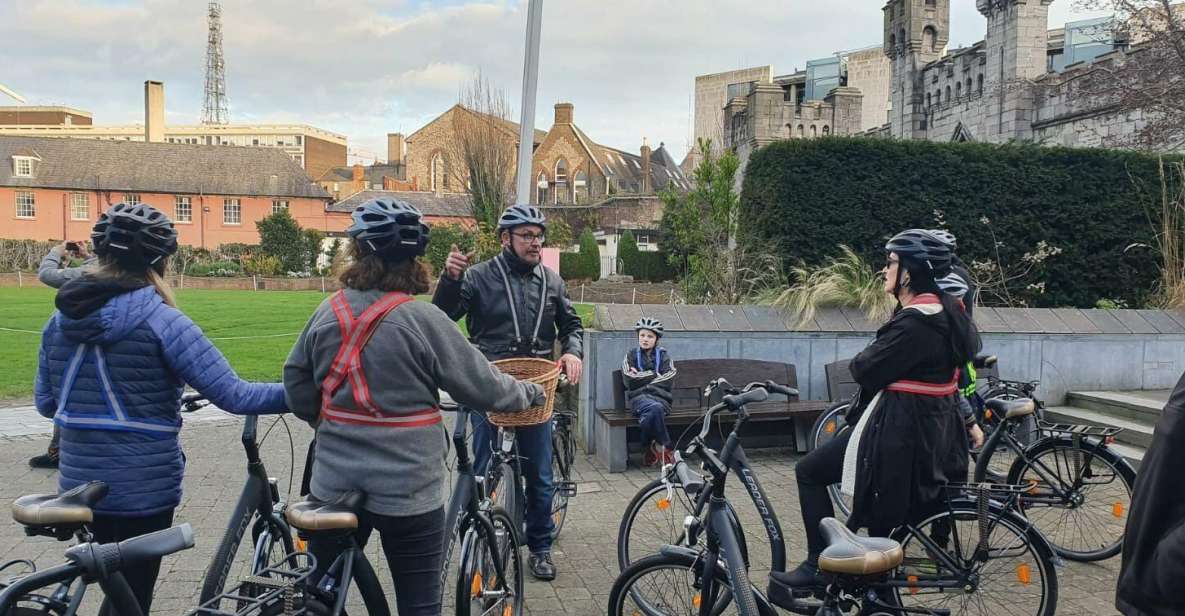
You meet at Cycle Dublin Bike Tours, 2 Whitefriar Place (D08XYE6), right by the action near St Stephen’s Green. It’s described as just off Aungier Street, with an easy walk from the park area (about five minutes). That matters because it makes day-one logistics less painful.
The start location also sets the vibe. You’re not leaving from some far-out edge of town. You’re rolling into central Dublin quickly, which helps on a 2.5-hour schedule.
If you’re someone who likes to begin with a clear plan, this is a good move. You’ll start, get the rules of the ride, and then let the guide lead you through the city’s layout rather than piecing it together later.
Following the canals and the River Liffey without getting stuck in traffic
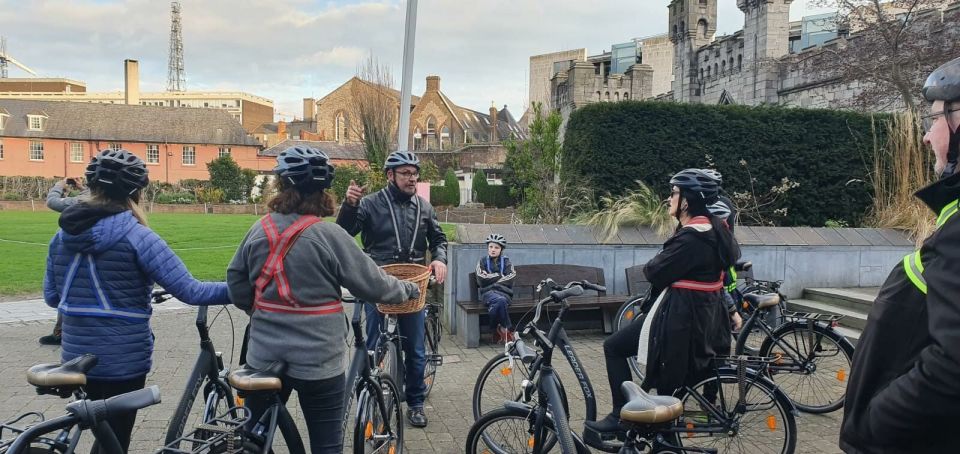
One of the biggest advantages of cycling is that Dublin’s water edges feel different up close. On this tour, you’ll explore the canals and the River Liffey early on, while your guide connects what you see to why it matters.
You’ll get practical city orientation here too. Seeing the river corridors and canal lines helps you understand where the bridges, neighborhoods, and landmarks relate to each other. Later, when you’re choosing where to walk, you’ll already have a mental map.
Also, because the tour is paced for sightseeing, the ride doesn’t feel like a workout-only mission. If you’re able to handle normal city cycling, it’s an efficient way to cover the sort of distance that would take most people a lot longer on foot.
Georgian Dublin: 18th-century streets, parks, and the city’s elegance
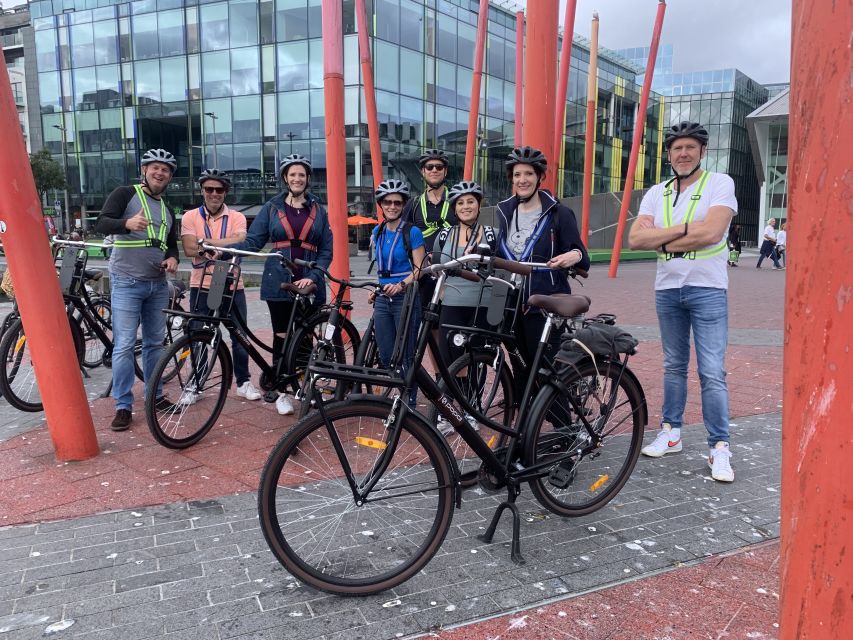
After the water routes, you shift toward Georgian Dublin, built around grand 18th-century houses and a more orderly street feel. This is one of the best parts of a short bike tour because it gives context fast: you’re not just spotting impressive facades, you’re learning how Dublin grew into that look.
You’ll also move through beautiful parks, which is a nice break from dense streets. Parks help reset your senses and give you room to actually register what’s around you—views, street patterns, and the contrast between busy corridors and calmer green space.
What I like here is the guide’s role. A street can look pretty and still feel meaningless. With a good guide, you learn what shaped the architecture and what kind of life those neighborhoods once supported.
Norman Dublin: castles and cathedrals, seen at street level
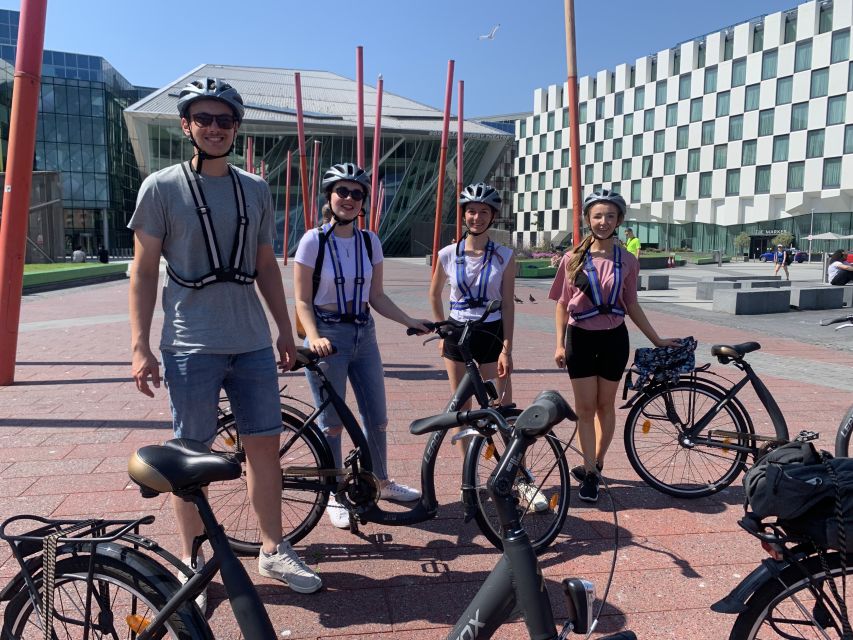
Then comes Norman Dublin, where castles and cathedrals bring a different layer of time into the ride. It’s not a museum-style stop. You’re moving through the city fabric, so these historic anchors land in the real layout of Dublin.
This part works especially well for first-timers. It turns “Dublin has history” into something you can picture: where power and religion sat, and how those sites influenced the streets around them.
A bike tour is also good for this theme because you’re not rushed inside one building. You can enjoy the exterior presence, the approach to the site, and the sense of how it fits into modern Dublin. You also tend to notice details you might otherwise skip while walking.
You can also read our reviews of more guided tours in Dublin





Writers, painters, poets, and the creative Dublin you can actually feel
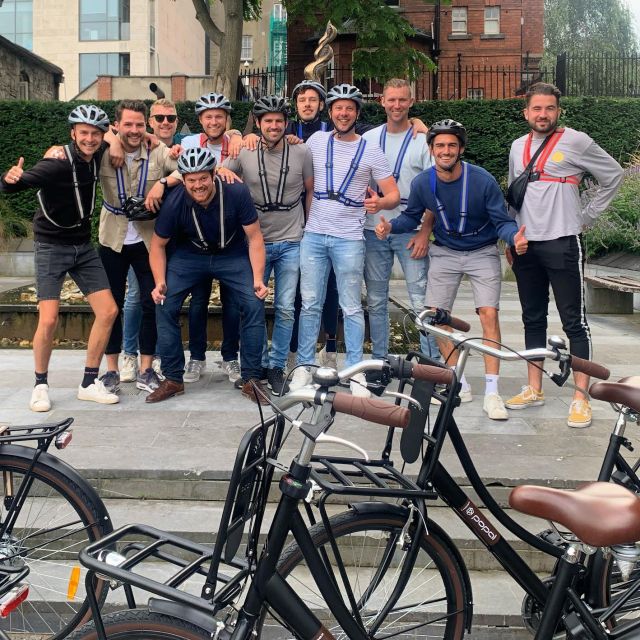
Dublin has a reputation for writers and artists, but it’s easy to keep that as a vague idea. On this tour, your guide focuses on the culture of Dublin’s writers, painters, poets, and special characters—the people who shaped how the city talked, imagined, and represented itself.
Why this is valuable: it makes Dublin feel personal rather than postcard-straight. You start to understand why certain districts have a particular creative reputation, and why certain stories repeat in Irish conversation.
It also helps when you’re looking for things to do later. If you’ve learned what kind of places these figures are linked to, you can search and choose with more confidence instead of wandering randomly.
Revolution and war stops that connect the city to Ireland’s turning points
This is where the tour becomes more than scenery. You’ll visit places connected to revolution and war from Dublin’s turbulent history, with your guide putting it into a clear, ride-by-ride story.
I like this approach because it’s not just dates. When it’s delivered while you’re traveling through the city, it’s easier to connect why certain areas have memorial weight or cultural significance. You’ll also understand that history in Dublin isn’t locked behind glass. It’s built into the streets you’re using right now.
If you’re into modern Irish history, this will likely feel like the highlight. Even if you’re not, it adds meaning to what you see, so you come away with more than just names.
Pubs and traditional music venues: local tips you can use that night
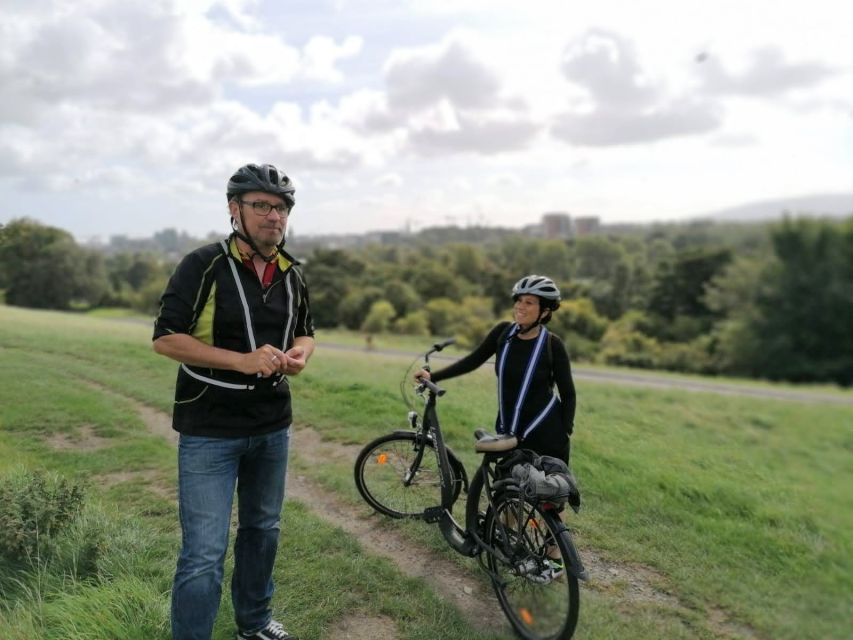
This tour doesn’t ignore the Dublin “after hours” reality. As you cycle through the streets, your guide points out good pubs and traditional music venues along the route. If there’s enough time, you might even be able to stop at one.
This is one of the most useful parts for many visitors because it saves decision fatigue. Instead of guessing which pub is worth your evening, you get a route-aware recommendation from someone who knows what’s nearby and what fits the vibe you want.
The reviews strongly back up this kind of value. People highlight bar and lunch ideas at the end, and they talk about guides who keep the experience entertaining with humor and real local stories. Names that come up include Robbie, Mike, Mikey, Simon, Colin, Laura, and Nick—different personalities, but a consistent focus on keeping you moving and learning.
Bikes, safety, and why the ride works even when it rains
You get a helmet and high-visibility clothing, which I appreciate because it’s a practical safety layer right from the start. Your team is also careful about matching you to the right bike setup, which matters when you’re riding through busy areas.
Your only real “must” is being able to ride a bicycle confidently and safely. The tour is suitable for ages 14 and up, so it’s built for people who can handle real street cycling, not just gentle paths.
And yes, Dublin weather can be stubborn. One review notes a pouring-rain tour where the guide kept things going and the group still enjoyed it. Translation for you: bring a rain layer and keep your mindset flexible. The tour is designed to keep the ride fun even when conditions aren’t.
Price and value: what about $40 really buys you
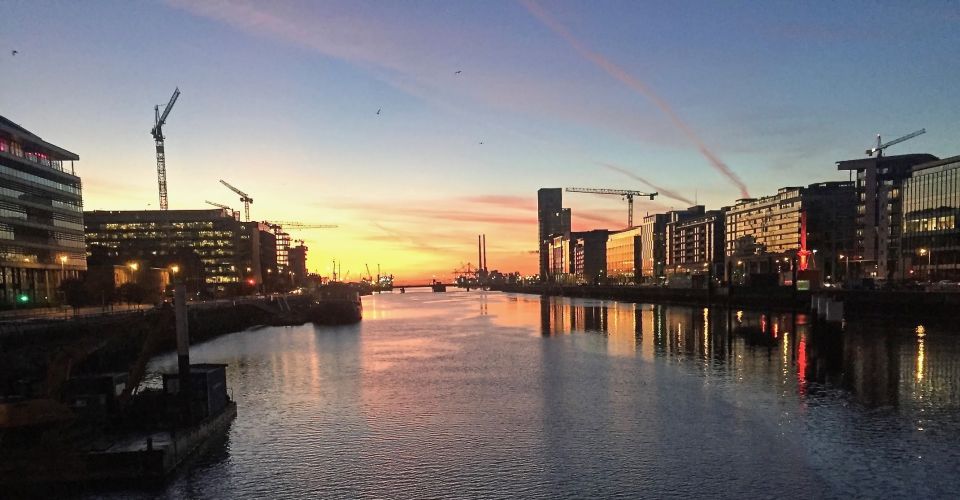
At $40 per person for 2.5 hours, you’re paying for more than the bike. You’re buying time with a licensed guide, plus the included safety gear. That makes the math easier if you’re the kind of traveler who hates “wandering costs” like spending hours trying to figure out the best route.
You’re also not stuck in one neighborhood. The tour strings together water routes, major historic eras, and cultural themes, which is hard to replicate on your own in a short window without a lot of planning.
One more value point: the tour ends back at the meeting point. That’s convenient for lining up lunch or an evening plan without needing complicated transit back across town.
Who this Dublin bike and e-bike tour suits best
This is a great fit if you’re:
- In Dublin for a short stay and want a fast orientation
- Interested in history from multiple eras (Norman, Georgian, and modern turning points)
- Hoping to get local pub and music venue recommendations without doing heavy research
- Comfortable riding a bike confidently in city conditions
It may be a poor fit if you:
- Aren’t confident on a bicycle and don’t want an active ride
- Prefer sightseeing that requires no motion at all
If you’re debating between a “big bus tour” and something more personal, this kind of ride usually wins because it teaches the city’s layout while you’re moving through it.
Should you book this guided bike tour of Dublin?
I’d book it if you want the best first-weekend feeling: get the city’s story straight, see the key zones, then use your guide’s tips to explore after. The combination of water scenery, Georgian-to-Norman context, and pub/music stops makes it a strong value for the time.
Just go in prepared to ride—bike confidence matters here. If you can handle that, you’ll get a solid mix of major sights and useful local direction, delivered with personality and humor by guides like Robbie, Mike, Mikey, Simon, Colin, Laura, and Nick.
FAQ
How long is the Dublin guided bike and e-bike tour?
The tour lasts 2.5 hours.
Where is the meeting point for the tour?
Meet at Cycle Dublin Bike Tours, 2 Whitefriar Place (D08XYE6), just off Aungier Street near St Stephen’s Green. The tour ends back at the same meeting point.
What’s included in the price?
Included are a 2.5-hour city bike tour, a licensed guide, helmet, and high visibility clothing.
What isn’t included?
The tour does not include hotel pickup and drop-off and does not include food and drinks.
What age is the minimum for this tour?
The tour is suitable for 14 years and above. It is not suitable for children under 14.
Is the tour guide English-speaking?
Yes, the live tour guide speaks English.