A three-hour walk, and Dublin clicks into focus. This guided loop strings together Claddagh Records and the Wall of Fame, then moves through Temple Bar, Ha’penny Bridge, College Green, Trinity College, and the Molly Malone statue, with a fun finish on Grafton Street. It’s a compact way to get the city’s stories in the exact places you’ll later want to revisit on your own.
I especially love how the tour uses Irish music as the thread. And I like that it doesn’t just point at famous names; it explains why places matter, from the Claddagh ring story to Ha’penny Bridge symbolism.
One thing to consider: it’s a steady walking tour for about three hours. If you’re slower on your feet or want frequent sit-down breaks, plan for a relaxed pace and bring comfortable shoes.
In This Review
- Key Things to Know Before You Go
- A Dublin Walking Tour Built Around Music and Meaning
- Starting at 23 Wellington Quay: Where the Tour Thread Begins
- Claddagh Records: Irish Music, the Claddagh Ring, and a Real Local Start
- The Wall of Fame: Irish Musical Legends in Plain Sight
- Temple Bar: Where Tradition Meets Modern Creativity
- Ha’penny Bridge: A Symbol of Dublin’s Resilience and Evolution
- College Green and Trinity College Grounds: Politics, Then Academia
- The Molly Malone Statue: Folklore Tied to Cockles and Mussels
- Grafton Street Finish: Street Performance Energy in One Last Stretch
- Price and Value: Is $62 Worth It?
- Who This Tour Fits Best
- Should You Book This Dublin Highlights and Hidden Gems Walking Tour?
- FAQ
- How long is the Dublin walking tour?
- Where do I meet the guide?
- Where does the tour end?
- What landmarks are included?
- How much does the tour cost?
- Is the tour wheelchair accessible?
- What languages are available?
- Is a private group option available?
- Is free cancellation offered?
Key Things to Know Before You Go
- Starts at 23 Wellington Quay so you can get your bearings fast.
- Claddagh Records kicks things off with Irish music and the Claddagh ring connection.
- Wall of Fame turns famous Irish musicians into a real, readable walking stop.
- Temple Bar + Ha’penny Bridge shows two sides of Dublin: creativity and resilience.
- College Green and Trinity College give you the academic and political backdrop behind the scenery.
- Grafton Street finish lets you end where the street performers and musicians are most likely to be.
A Dublin Walking Tour Built Around Music and Meaning
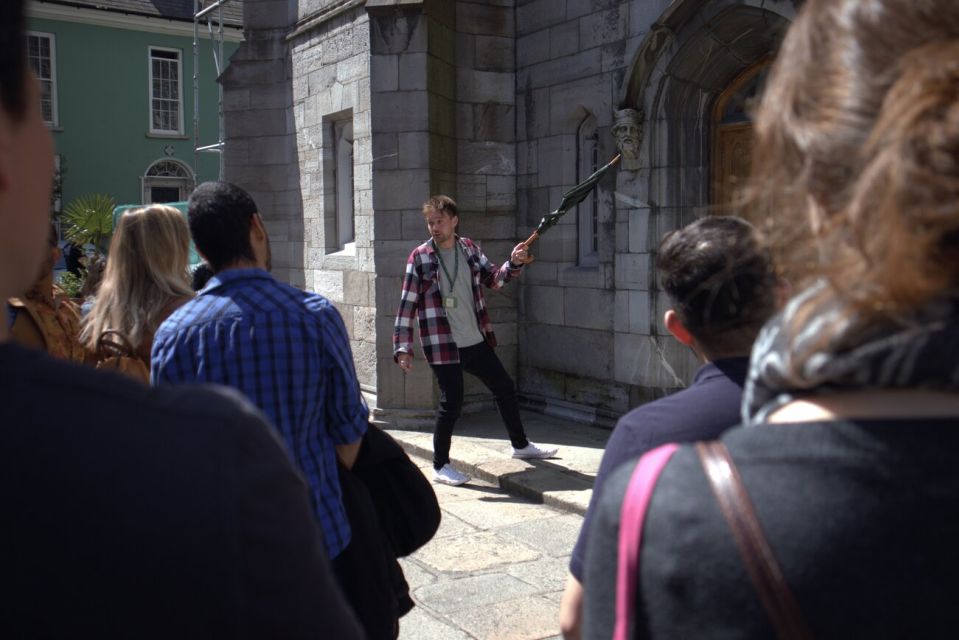
If you like the idea of seeing Dublin through one clear theme, this tour is a smart pick. Irish music isn’t treated like trivia here. It’s used as a map for how the city tells its own story—through shops, walls, bridges, and statues you can actually touch and photograph as you walk.
The other thing I like is the pacing. You get big, iconic names—Temple Bar, Ha’penny Bridge, Trinity College, Molly Malone—without it turning into a rush through ticket lines. Instead, the guide keeps pulling you toward what you’re seeing and why it’s there, from College Green’s former political role to the folklore tied to the song associated with Molly Malone.
You should also know the tone: it’s built for people who want context, not just check-the-box stops. If you’re the type who likes to understand what you’re looking at while you’re looking at it, you’ll get a lot more out of the three hours.
You can also read our reviews of more walking tours in Dublin



Starting at 23 Wellington Quay: Where the Tour Thread Begins
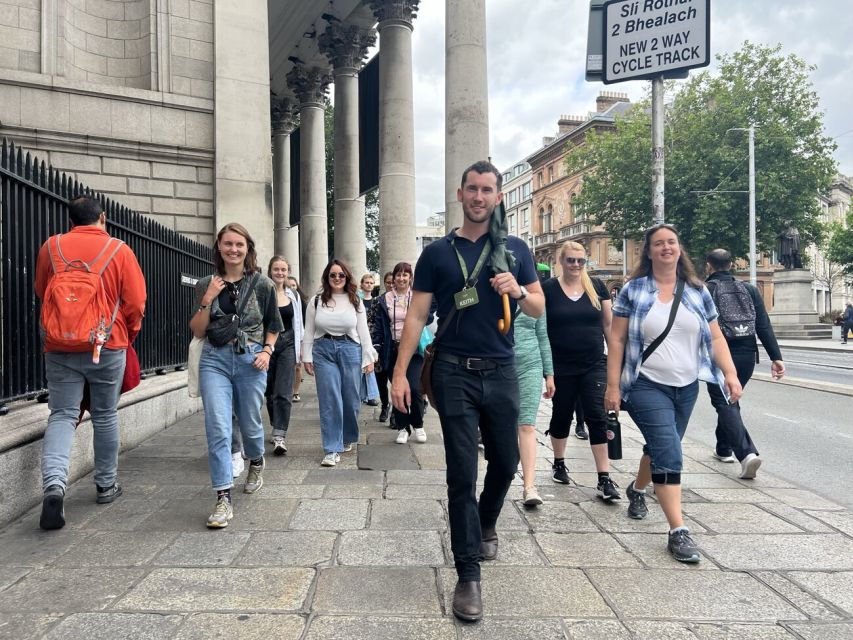
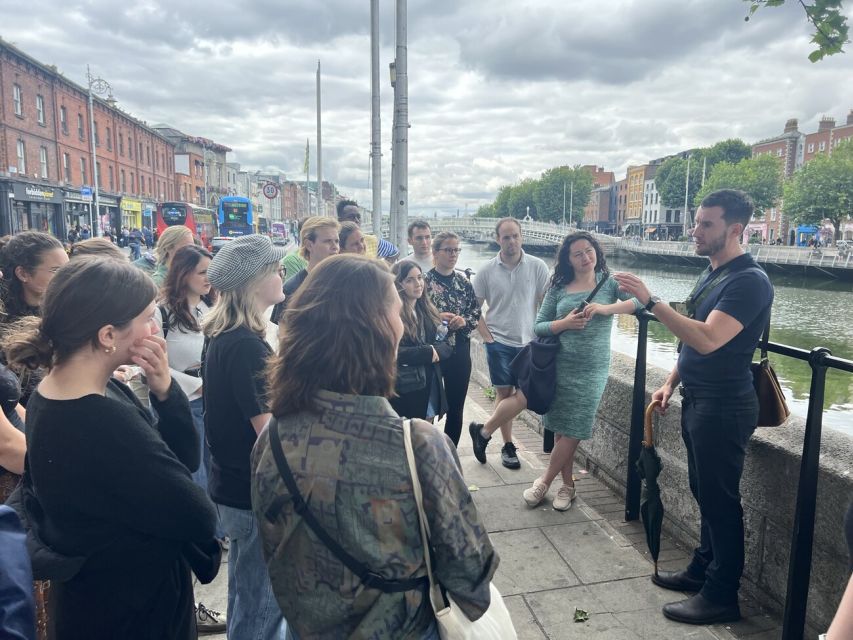
You meet your guide at 23 Wellington Quay. That matters more than it sounds, because it sets you up for a route that makes sense on foot, with the city’s center unfolding in a logical loop. You’ll be walking for about three hours, and you’ll end back at the meeting point area after a final stretch around Grafton Street.
This is the kind of start that helps you avoid the first-day confusion many people feel in Dublin. You’re not wandering blind. You begin with a guide who already knows how to connect the stops, so each landmark feels like the next step instead of a random grab bag.
Claddagh Records: Irish Music, the Claddagh Ring, and a Real Local Start
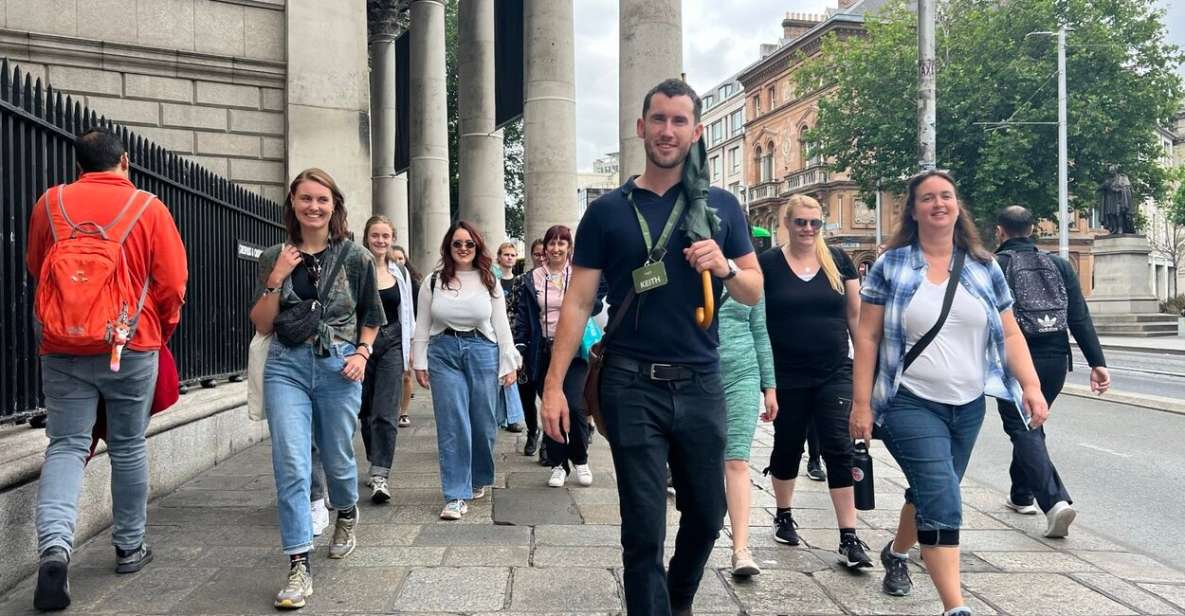
The tour begins at Claddagh Records, and that’s a great choice. Music stores can feel like a quick photo stop, but here the guide ties the place to Irish identity. You’ll listen to Irish melodies echoing there, then hear the significance of the Claddagh ring and how it connects to the story of Irish culture.
Why this works for you: it puts you in a listening mindset right away. Dublin’s famous sights are excellent, but the city’s personality often comes through in songs and symbols. Starting with sound and meaning gives you something to carry into the louder parts of town.
If you’re the kind of person who buys records or enjoys looking at local music heritage, you’ll probably appreciate this stop even more. Even if you’re not, it’s still a memorable opener because it turns a landmark into a story with texture.
The Wall of Fame: Irish Musical Legends in Plain Sight
Next comes the Wall of Fame, where the tour tracks Irish musical history through tributes to well-known artists. You’ll pass by names including U2 and Sinéad O’Connor, with the guide adding stories behind the legacies.
This stop is useful because it gives you a Dublin-specific way to understand fame and impact. Instead of memorizing lists, you see how public tribute works in a city—how Irish culture chooses to honor artists where people walk every day.
One practical note: it’s a great place to slow down for photos. Plan a moment to look closely at the wall before moving on. If you rush through, you’ll miss the point, because the wall is meant to be read as you stand there.
Temple Bar: Where Tradition Meets Modern Creativity
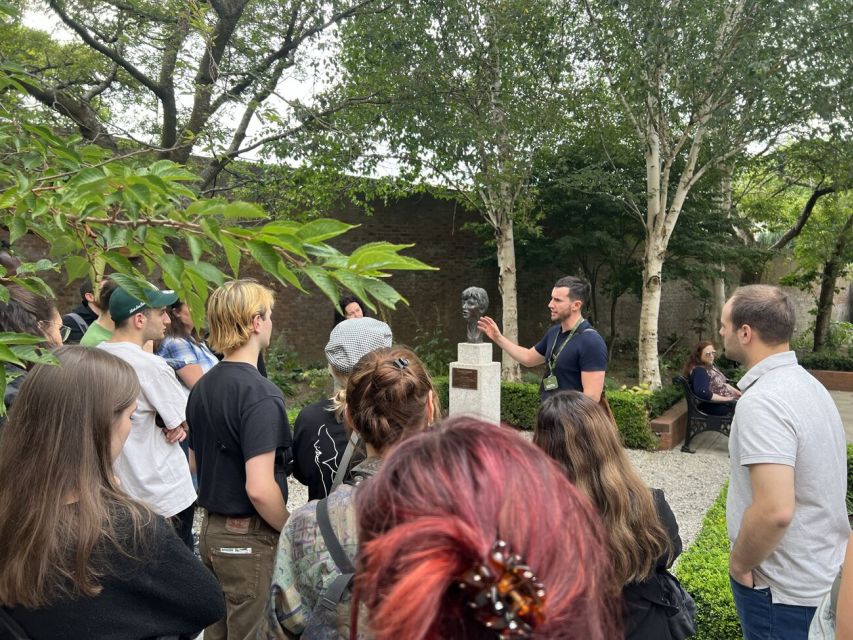
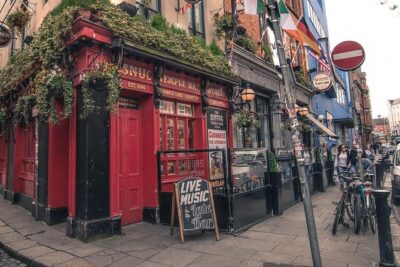
After the music-heavy stops, the tour shifts into street energy with Temple Bar. The guide explains how it’s both traditional and creative, which is exactly what you’ll feel as you walk through the area.
For many first-time visitors, Temple Bar is famous for being busy. What this tour does differently is help you notice the human side of it: the mix of people, music, and energy that makes the neighborhood feel like it’s constantly in motion. You’re not just taking in buildings; you’re watching culture happen in real time.
If you’re worried about over-commercial vibes, this is the moment where the guide’s context can rebalance things. You can still enjoy the atmosphere without letting it become your whole Dublin experience.






Ha’penny Bridge: A Symbol of Dublin’s Resilience and Evolution
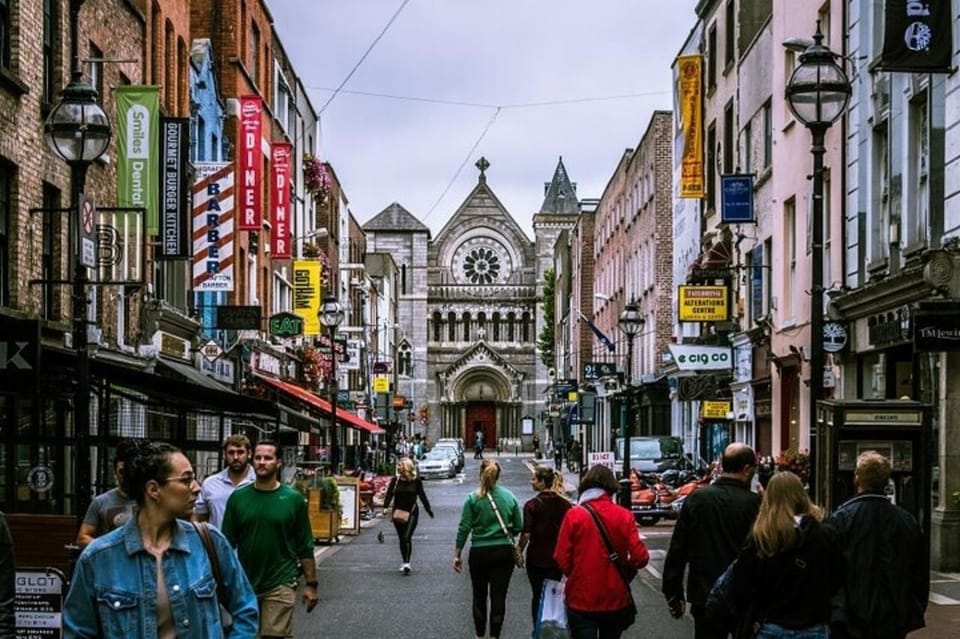
Then you cross Ha’penny Bridge, and the story changes from music to something more structural: symbolism. You’ll hear why this bridge stands for Dublin’s resilience and evolution, and your guide ties its meaning to the way the city has changed over time.
A bridge is a clever stop for a walking tour because it naturally creates a transition point. You’re moving across a physical divide, and you’re also moving through a shift in the tour’s theme. One moment you’re in a neighborhood with creative energy, and the next you’re seeing how Dublin’s identity connects to the way it rebuilt, adapted, and carried on.
If you love history but don’t want museum-style lectures, this is a satisfying kind of history. It’s short, visual, and tied directly to a specific place.
College Green and Trinity College Grounds: Politics, Then Academia
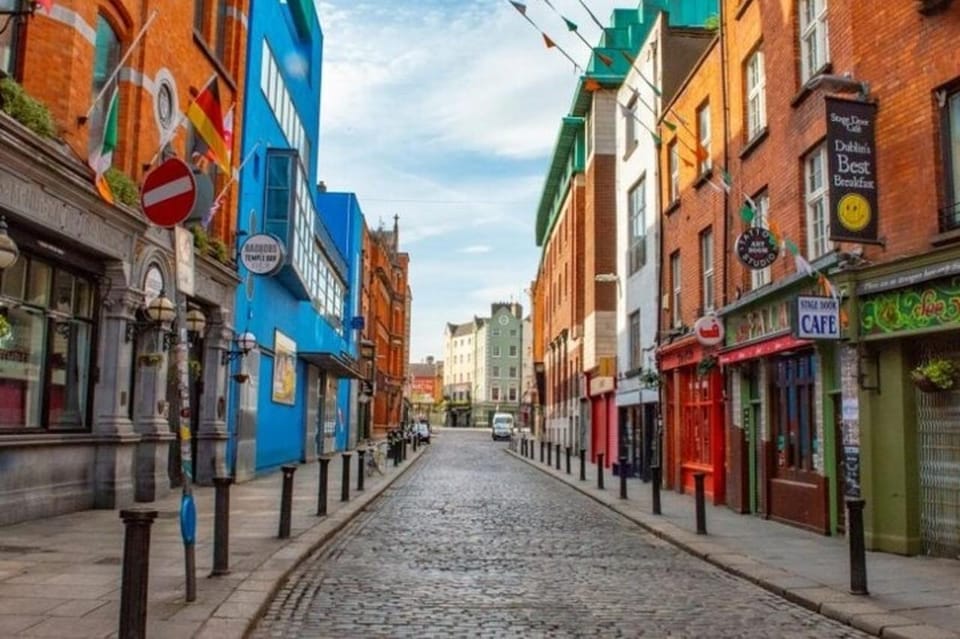
You continue to College Green, a plaza that the tour frames as a former political epicenter, now associated with the distinguished grounds of Trinity College. This is one of those stops where Dublin’s layers become obvious even if you don’t know the timeline.
What you’ll take away is that the same space can serve totally different roles across centuries. The guide helps you connect today’s campus presence with the idea that this area has long been where power and ideas got expressed.
If you’re planning a trip where you want both classic Dublin and more “thinking-person” Dublin, College Green is a strong bridge between the two. It’s not just a scenic square. It’s a place with a long memory.
Tip for you: keep your eyes up as you walk through the grounds. Even without going inside, the scale and layout can tell you a lot about why Trinity College holds such a major spot in Dublin’s story.
The Molly Malone Statue: Folklore Tied to Cockles and Mussels
Next is the Molly Malone statue, and the guide shares folklore behind Dublin’s beloved song, Cockles and Mussels. This is the moment where the tour turns playful, but not shallow. You’re learning how a figure becomes part of a city’s shared mythology.
Why it matters: statues and songs are two of the fastest ways for a city to teach you its values. In Molly Malone’s case, you’re looking at a recognizable character while your guide explains the folklore that helped make her more than just a statue on a street.
If you’re traveling with kids or anyone who likes light storytelling, this stop usually lands well. It’s memorable and it gives you an easy connection back to Irish culture you can keep humming on the way to your next meal.
Grafton Street Finish: Street Performance Energy in One Last Stretch
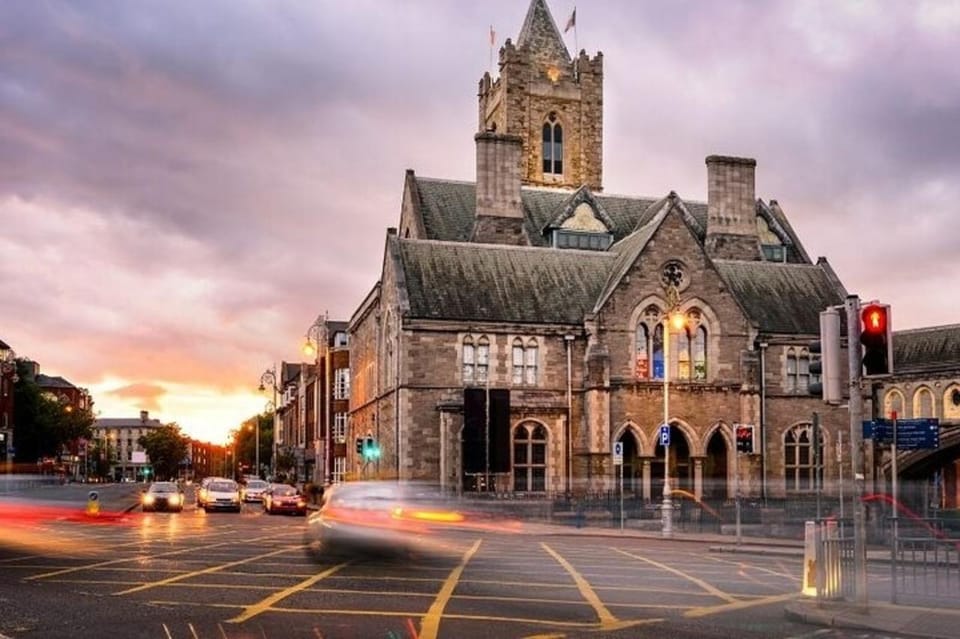
The walk ends with a final stop around Grafton Street, one of Europe’s busiest shopping streets. The tour frames the area as a lively place where street performers and musicians add to the mood.
You’ll like this finish if you want your tour to end on a “do something now” note. Instead of being dropped into a quiet corner, you finish near places where you can keep wandering, grab a snack, or just linger and watch what’s happening on the sidewalk.
Just remember it’s a busy street. That’s part of the appeal. If you want calm, you’ll likely need to step off to side streets after your tour ends.
Price and Value: Is $62 Worth It?
At $62 per person for a three-hour guided walk, this tour is priced like a solid, mid-range city experience. You’re getting a live guide, and the route covers multiple high-impact stops—Temple Bar, Ha’penny Bridge, Trinity College/College Green, Molly Malone, plus music-focused stops like Claddagh Records and the Wall of Fame.
The value question usually comes down to this: do you want someone to connect the dots for you? If yes, then $62 makes sense, because you’re not paying for a random route—you’re paying for a story-driven guide who helps you understand what you’re seeing as you walk.
It can be especially good value if you’d otherwise spend money on separate guides or on “self-guided” passes where you still end up Googling everything mid-walk. Here, you get the connections handed to you in a tight timeframe.
Also worth noting: private group is available depending on your option. If you have friends or family who prefer their own pace, that can make the per-person experience feel more tailored without changing the overall route concept.
Who This Tour Fits Best
This tour is a strong match if you:
- Want a guided Dublin route that hits the famous landmarks without feeling like a rushed checklist
- Like Irish culture through music, symbols, and storytelling
- Enjoy walking tours that give you context you can use later when you revisit places on your own
It may be less ideal if:
- You need long stops to rest or you struggle with three hours of continuous walking
- You’re looking for purely visual sightseeing with no spoken history or explanation
If you’re somewhere in the middle, you’ll probably be happy. The tour is built to stay engaging while still being practical.
Should You Book This Dublin Highlights and Hidden Gems Walking Tour?
I’d book it if you want a guided Dublin highlight reel with a clear theme: Irish music and the meaning behind iconic stops. The best part is that you finish with a strong sense of what Dublin is, not just what’s famous.
Skip it only if three hours of walking sounds like a stretch or if you prefer to explore completely solo with no guide input. If you fall in the first category, you’ll likely feel like you got a lot of Dublin per hour, and you’ll leave with stories that make the streets you walked feel personal.
FAQ
How long is the Dublin walking tour?
The tour lasts 3 hours.
Where do I meet the guide?
Meet your guide at 23 Wellington Quay.
Where does the tour end?
The activity ends back at the meeting point. You also finish your walk with a stop around Grafton Street.
What landmarks are included?
You’ll visit Claddagh Records, the Wall of Fame, Temple Bar, Ha’penny Bridge, College Green and Trinity College grounds, the Molly Malone statue, and end around Grafton Street.
How much does the tour cost?
It costs $62 per person.
Is the tour wheelchair accessible?
Yes, it is wheelchair accessible.
What languages are available?
The live tour guide is available in English, Spanish, French, and Italian.
Is a private group option available?
Yes, a private group is available.
Is free cancellation offered?
Yes. You can cancel up to 24 hours in advance for a full refund.