Dublin rewards the walkers. This city-centre route threads Viking to Victorian eras through landmarks like Dublin Castle, Christchurch Cathedral, and Trinity College, with a guide who makes it all feel like a story you can walk through. I also like that it’s built around both the big sights and the small corners, so you don’t just do postcard stops and leave.
The main trade-off is timing. The tour is listed at 2 hours, but some schedules can run longer, and there may not be a built-in break for snacks or the toilet, so plan accordingly.
In This Review
- Key Highlights Worth Caring About
- Why This Dublin Walk Works Better Than Most Tours
- Meeting Outside The Old Storehouse (Green Umbrella Included)
- Temple Bar to Dublin Castle: Power, Pub Culture, and What Changed
- Christchurch Cathedral and the Viking Dublin Connection
- Medieval Dublin Lanes and Smock Alley Theatre: Small Places, Big Stories
- Following the River Liffey and Crossing Ha’penny and O’Connell
- The GPO and Trinity College: Where Dublin’s Ideas Took Shape
- What the Best Guides Do Differently (Ian, Kieran, Dave, Helena, Karl)
- Price and Value: Is $27 Worth It?
- What You Should Look Out For on the Day
- Who This Tour Suits Best (and Who Might Skip It)
- Should You Book This Dublin Highlights and Hidden Gems Walking Tour?
- FAQ
- How long is the walking tour?
- What does the tour cost?
- Where do I meet the guide?
- What are the main places the tour visits?
- Is the tour guided, and what language is it in?
- What’s included in the price?
- What isn’t included?
- Is there a cancellation option if my plans change?
- Is the tour wheelchair accessible?
Key Highlights Worth Caring About
- Accredited, English-speaking live guide who turns street scenes into real context
- A chronological route: Vikings, medieval streets, Georgian boulevards, and Victorian slums
- Iconic stops plus side streets that help you spot Dublin’s character beyond the usual photos
- Top local tips included for eating, drinking, live music, and even souvenir ideas
- Highly praised storytelling and humor (guides like Ian, Keith, Kieran, Dave, Helena, Gemma, Alan, and Karl get called out often)
Why This Dublin Walk Works Better Than Most Tours
Dublin is compact. That’s good news for you because you can cover real ground on foot without constantly waiting for buses or hunting for the next stop.
What makes this walk special is the structure. Instead of jumping from one landmark to another with no thread, the route follows the city’s timeline. You’ll see how Dublin grew from Viking origins into medieval streets, then out into Georgian-era planning, and later through the rougher realities associated with Victorian times.
And yes, you’ll hit the headline attractions. But the point is what you learn between them: how neighborhoods, bridges, churches, and institutions fit together into one evolving city.
You can also read our reviews of more walking tours in Dublin



Meeting Outside The Old Storehouse (Green Umbrella Included)
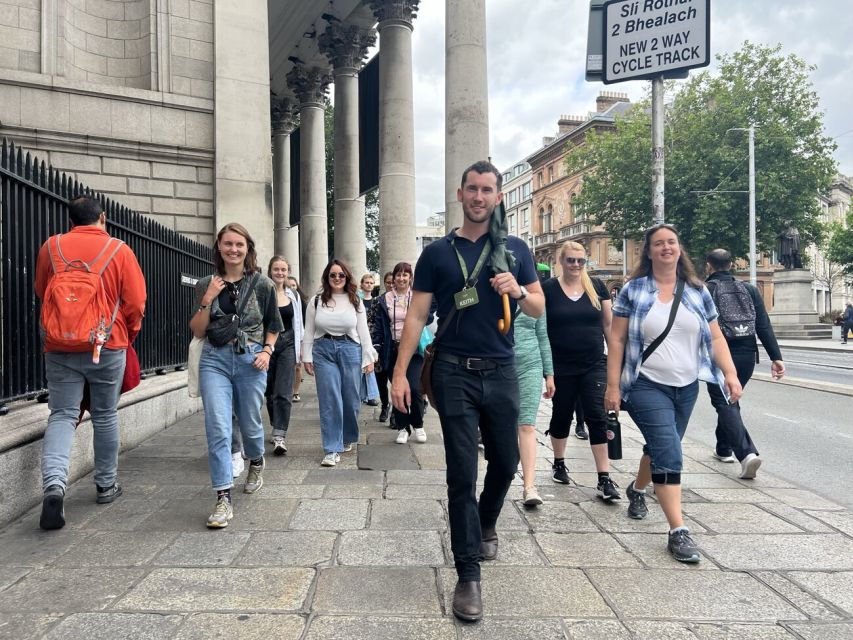
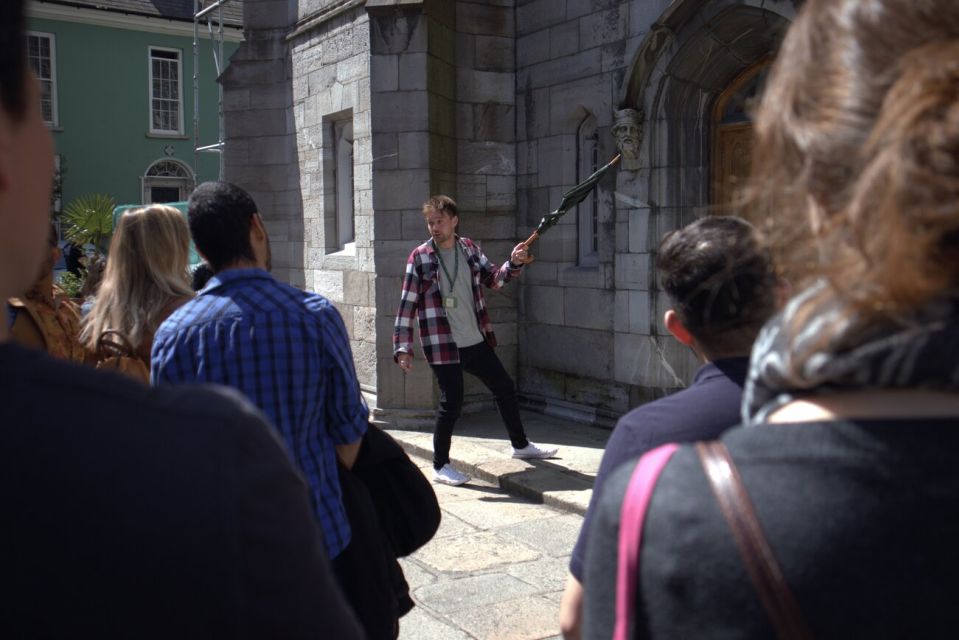
You start by meeting outside The Old Storehouse pub. Look for the green umbrella, and show your booking to your guide.
Arrive about ten minutes early. Walking tours can’t pause for stragglers, and Dublin sidewalks can be tight in the older parts of town. Once you’re gathered, you’ll head into the city centre and keep moving for the bulk of the experience.
The tour ends back at the meeting point. That’s convenient because you’re not forced to figure out new transport right after you finish.
Temple Bar to Dublin Castle: Power, Pub Culture, and What Changed
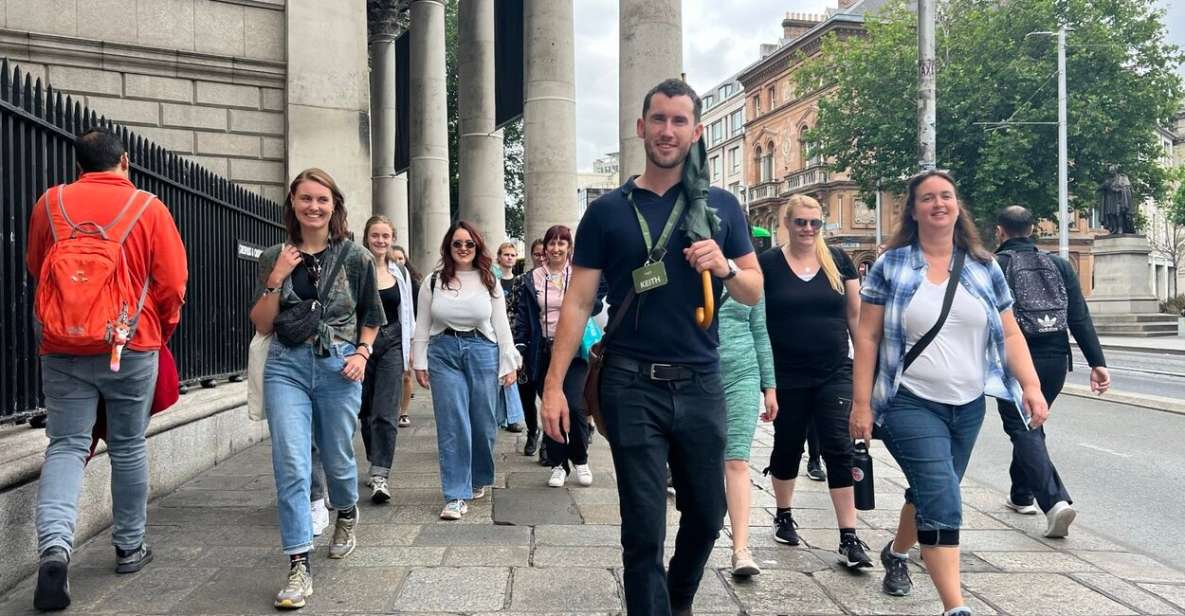
This tour typically begins by guiding you through the city’s famous areas, and Temple Bar is usually the first stop people clock from far away. It’s a good anchor point because it lets you talk about how Dublin’s nightlife reputation formed and why certain streets became cultural magnets.
From there, the walk continues toward Dublin Castle, one of the clearest symbols of how authority shaped the city. Even if you’ve seen pictures, it’s different standing there while a guide connects the dots to what Dublin looked like around it. You start noticing the contrast between modern-day Dublin and the older political gravity of the site.
A small practical note: Temple Bar can be busy. If you’re sensitive to crowds, keep your pace steady and listen for the guide’s timing cues as you move from stop to stop.
Christchurch Cathedral and the Viking Dublin Connection
Next up is Christchurch Cathedral—not just a pretty landmark, but a place that helps explain why Dublin’s history isn’t one single chapter. It’s layered. Churches like this sit at intersections of religion, community identity, and long-term power.
Then comes the part I think you’ll remember: Viking Dublin. The tour frames Dublin’s earliest era as the foundation for the rest of the city story. You’ll hear how settlement and seafaring influence the layout, the priorities, and the direction Dublin grew.
This section matters because it changes your way of looking. After you connect Vikings to later medieval streets and institutions, you stop treating Dublin’s geography like random streets and start reading it like evidence.
Medieval Dublin Lanes and Smock Alley Theatre: Small Places, Big Stories
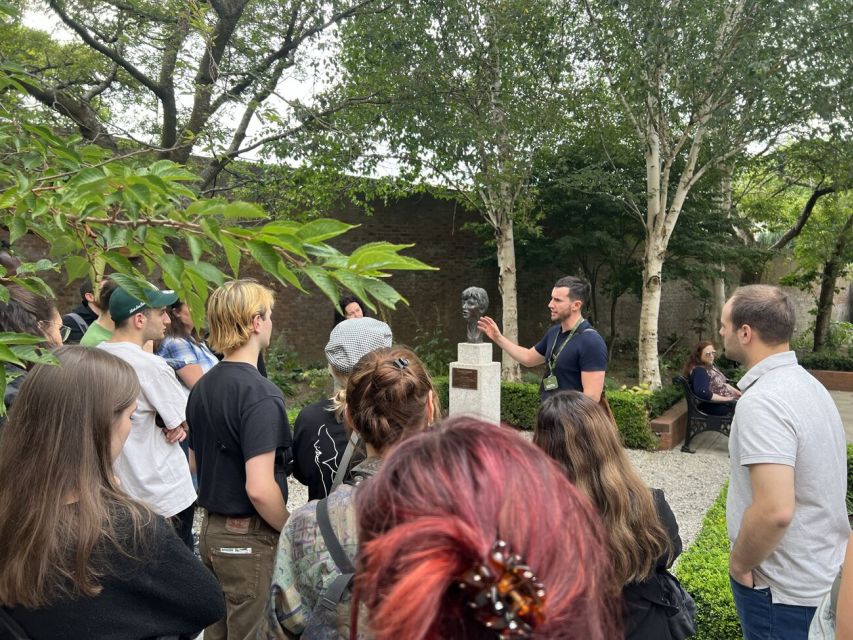
One of the best things about this tour is that it mixes famous locations with the kind of streets you might otherwise ignore. In the medieval section, you’ll get a sense of how older Dublin developed through narrower lanes and dense neighborhood life.
A highlight often mentioned is Smock Alley Theatre. Even if you’re not a theatre person, this stop helps you understand Dublin as a place where writers, performers, and public life mattered. It’s a neat reminder that culture wasn’t separate from everyday Dublin—it was part of the city’s engine.
The “hidden corners” angle shows up here. Instead of only pointing at obvious monuments, your guide points out spots where you can feel the scale and rhythm of earlier street life. That’s the difference between a photo stop and a proper city orientation.






Following the River Liffey and Crossing Ha’penny and O’Connell
Now you get one of the most useful skills for your trip: reading Dublin by water and bridges.
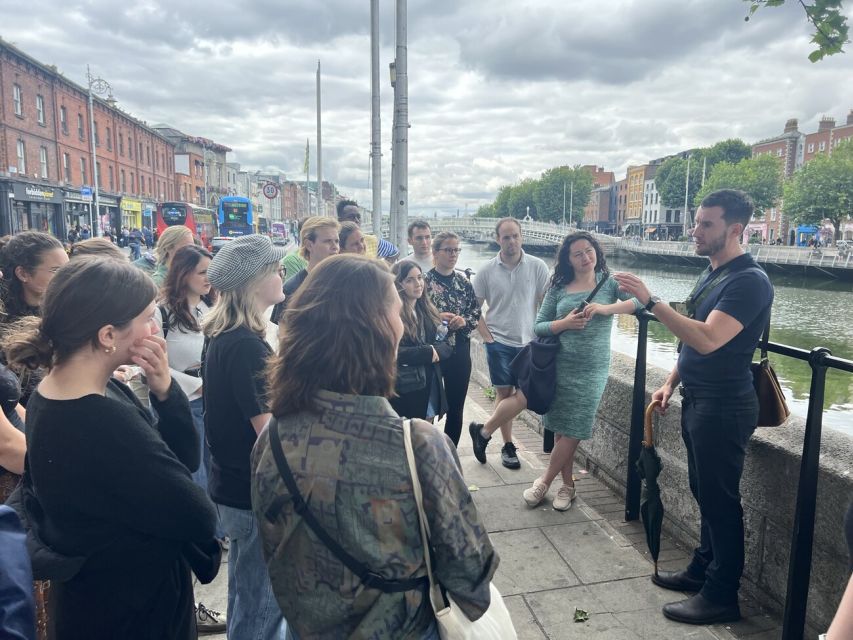
The River Liffey is the axis of the city. When you walk near it with context, you understand why key routes and neighborhoods cluster around it. The guide’s job here is to connect the river’s role in trade and movement to the way Dublin grew.
Then you’ll cross at Ha’penny Bridge. It’s iconic, but it’s also perfect for perspective. You’ll see how a bridge can act like a divider and a connector at the same time, shaping where people go and what they pass.
After that comes O’Connell Bridge. It’s another way to grasp city planning changes over time. Bridges are practical objects, yet they tell stories about traffic, commerce, and the future the city was trying to build.
If you’re taking photos, quick tip: watch for guide pacing. Bridges are open and windy, and groups can bunch up fast.
The GPO and Trinity College: Where Dublin’s Ideas Took Shape
Two of the most important stops for “modern Dublin identity” are the GPO and Trinity College.
The GPO works well because it ties Dublin to communication and public life. A place like this is about more than its architecture. With a good guide, you start thinking about how messaging, politics, and everyday routines shaped the city’s modern character.
Then there’s Trinity College, which makes the history feel immediate. Dublin has a reputation for writers and thinkers, and Trinity helps explain why. Even if you don’t step inside (nothing in the provided details says you will), the exterior stop still gives you a strong sense of why this institution became so important.
This is also where the tour’s storytelling quality really shows. Guides named in the feedback—like Dave, Alan, Helena, and Karl—are repeatedly praised for mixing historical facts with humor and human-scale anecdotes. That matters because it helps you remember what you saw after you leave.
What the Best Guides Do Differently (Ian, Kieran, Dave, Helena, Karl)
One pattern stands out in the strong ratings: the guide isn’t just reading facts. People mention humor, witty delivery, and a real sense of pride in Dublin.
You’ll see that kind of approach in how the tour covers big eras without turning them into a textbook. Instead of throwing dates at you, your guide connects events to what you’re standing next to. That’s why names like Ian and Keith show up often in positive feedback for being witty and knowledgeable in their delivery, and why Kieran and Dave get praise for storytelling that keeps you engaged.
In plain terms, you’re buying a guided “sense-making” session. The guide helps you place each stop into a bigger Dublin puzzle, and that makes the rest of your trip easier.
Price and Value: Is $27 Worth It?
At $27 per person, this tour is priced like a smart budget choice for a city like Dublin—especially if you want history without committing to a long day.
Here’s what you’re paying for:
- A local guide with live narration (not just an audio headset)
- A route that covers multiple centuries on foot
- Built-in tips and recommendations for where to eat, drink, see live music, and pick up souvenirs
The value gets even better if it’s your first time in Dublin. You’ll likely come away with a map in your head, plus immediate plans for the rest of your itinerary.
The only caution is time. Since the tour is listed at 2 hours but can run close to 3 for some groups, think of it as a half-morning or early afternoon commitment. Bring water and use facilities before you start.
What You Should Look Out For on the Day
A few practical things I’d keep in mind:
- Wear comfy shoes. This is a walking tour through city streets and bridges.
- Expect constant movement. There isn’t mention of structured rest breaks.
- Listen for pacing and safety cues. One of the better pieces of feedback emphasizes guides watching out for the group.
If you’re traveling with mobility limits, the tour is listed as wheelchair accessible. Still, you’ll want to consider that walking tours depend on sidewalks, crossings, and crowding. The big advantage here is that it’s offered as accessible, not as a requirement you can’t meet.
Who This Tour Suits Best (and Who Might Skip It)
I think this tour is a strong fit if:
- You want a first-time Dublin orientation
- You like history, but you prefer it as a story with humor
- You’d rather spend 2–3 hours with a guide than spend a full day guessing what you’re seeing
- You want local recommendations without researching everything from scratch
You might look at alternatives if you:
- Need guaranteed restroom/snack stops built into the schedule
- Hate walking for extended stretches without breaks
- Prefer very specialized interests only (for example, only Viking sites or only literature)
Should You Book This Dublin Highlights and Hidden Gems Walking Tour?
If you’re trying to make Dublin feel like your city, book it. The price is reasonable, the stops cover a wide arc of time, and the guide style—humor plus history—shows up again and again in the feedback.
I’d book it especially if you want two things at once: the obvious sights, plus the kind of context that makes streets and buildings click. Just plan for the walk to run a bit longer than the headline 2 hours, and start with shoes on and basic needs handled.
FAQ
How long is the walking tour?
The tour duration is listed as 2 hours (check availability to see starting times).
What does the tour cost?
The price is $27 per person.
Where do I meet the guide?
Meet outside The Old Storehouse pub. Look for the green umbrella.
What are the main places the tour visits?
Stops mentioned include Temple Bar, Dublin Castle, Christchurch Cathedral, Viking Dublin, Smock Alley Theatre, River Liffey, Ha’penny Bridge, O’Connell Bridge, the GPO, and Trinity College.
Is the tour guided, and what language is it in?
Yes. It’s a live tour with a fully accredited guide, and the language is English.
What’s included in the price?
Included items are the local guide, a walking tour of Dublin City Centre, exploration of the history and culture of Ireland, and tips and recommendations.
What isn’t included?
Hotel pickup and drop-off are not included, and food and drinks are not included.
Is there a cancellation option if my plans change?
Yes. Free cancellation is available up to 24 hours in advance for a full refund.
Is the tour wheelchair accessible?
The tour is listed as wheelchair accessible.