REVIEW · DUBLIN
Dublin: River Liffey Sightseeing Cruise
Book on GetYourGuide →Operated by Dublin Discovered · Bookable on GetYourGuide
Dublin looks different when you’re not standing on the pavement. This Dublin Liffey sightseeing cruise gives you a fast, funny, local-history version of the city from the water, with commentary that connects the Vikings to the modern docklands. I like that you get a tight route and clear explanations, so it feels like a real orientation, not just slow sightseeing.
What I really like: you pass major sights up close, including the Jeanie Johnston and the bridges and buildings people photograph from the river. I also love that the live guides bring personality and pacing—on my best runs I’ve heard names like Gerry, Lucy, Tony, Jerry, and Peter, and they keep the stories moving without turning it into a lecture.
The one possible drawback: the itinerary can shift with tidal conditions, and high tide can make the bridge passing feel quite close. Also, it’s only 45 minutes—great for dipping your toes in, but not enough if you’re craving a long, deep history session.
In This Review
- Key things to know before you board
- Getting on the boat at Custom House Quay (and why it matters)
- A 45-minute Dublin orientation for $23 (value that feels real)
- Jeanie Johnston, Docklands, and the port side of Dublin
- Ha’penny Bridge and the Custom House Gandon factor
- Canals, Cromwell’s 1649 landing, and Bligh’s 1800 survey
- Reclaimed land, Trinity College, and O’Connell Street’s Spire
- Tides, bridge clearance, and what the crew may adjust
- The guides: where the humor and local detail do the heavy lifting
- Comfort, sound, and small onboard realities
- Who should book this Dublin River Liffey cruise?
- Should you book this Dublin Liffey sightseeing cruise?
- FAQ
- FAQ
- How long is the Dublin River Liffey sightseeing cruise?
- Where do I meet the boat for this cruise?
- Is hotel pickup included?
- What language is the tour guide?
- Is the cruise wheelchair accessible?
- How much does it cost?
- Are there toilets on the boat?
- What is the cancellation policy?
Key things to know before you board
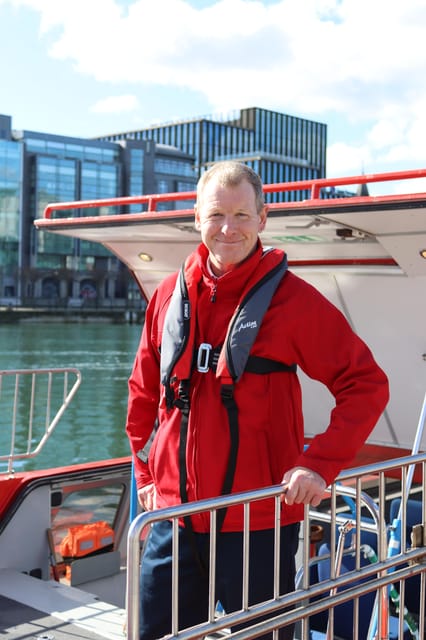
- Custom House Quay pickup point: You start and end at the pontoon near the Sean O’ Casey Footbridge on the north side of the river.
- Forty-five minutes is the sweet spot: Short enough to fit any day, long enough to connect the city’s sections.
- Live English commentary: You get a guided story of Dublin and the River Liffey, not just scenic views.
- Docklands and Dublin Port views: You see how the city relates to the water, not just buildings.
- Tides can change what’s possible: Expect some adjustments and listen to the crew’s advice.
- No onboard toilets: Use facilities nearby before you set off.
Getting on the boat at Custom House Quay (and why it matters)
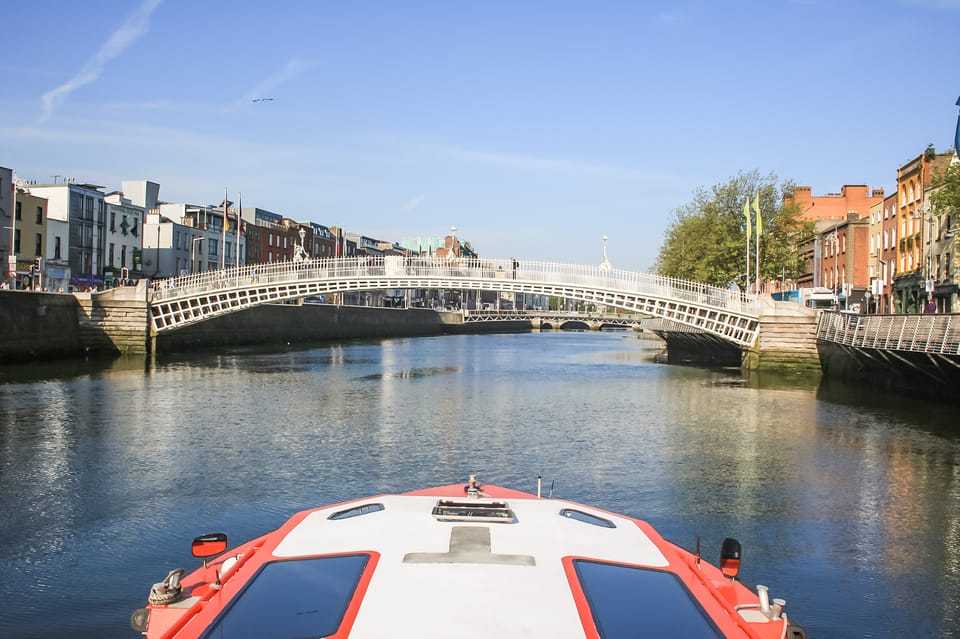
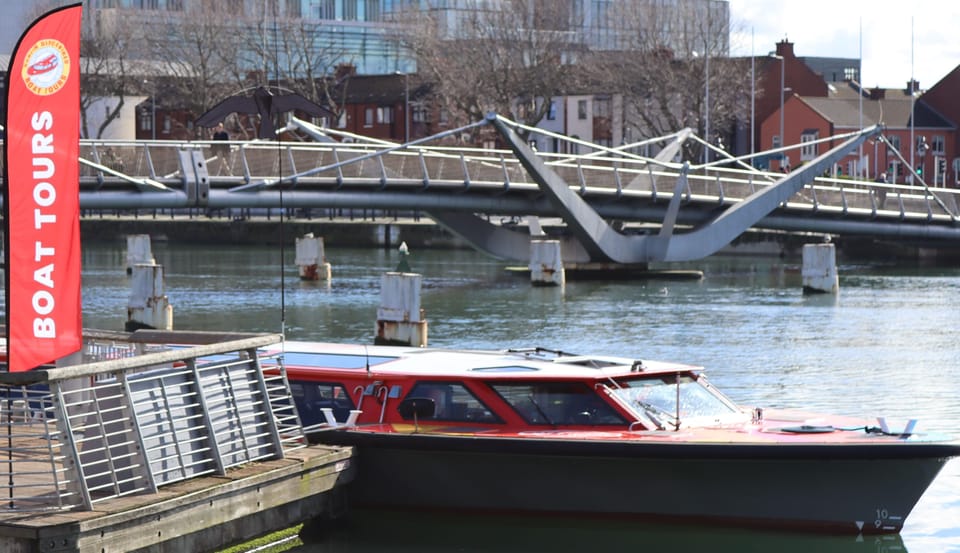
The cruise starts at the pontoon by the Sean O’ Casey Footbridge, on the north side of the River Liffey, at Custom House Quay (opposite the CHQ building). This is a convenient spot because it puts you right in the center of Dublin’s river sights, without needing a long trip from the edges of town.
Check in is quick, but you should still arrive about 10 minutes early. In practice, that buffer helps you get seated comfortably before the guide starts setting the scene.
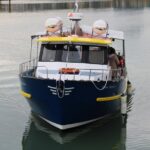
You’ll ride on an all-weather river boat with room for up to 48 passengers, so you’re not packed into a tiny space. If you need wheelchair access, this one is wheelchair accessible, which is a big deal for a river cruise where access can be hit-or-miss elsewhere.
One more practical note: there’s no hotel pickup, so plan to get yourself to the pier. If you’re already doing things around the central city, that’s fine. If you’re staying far out, it can add time, so I’d build that into your schedule.
You can also read our reviews of more boat tours in Dublin

A 45-minute Dublin orientation for $23 (value that feels real)
At $23 per person for 45 minutes, this cruise is priced like a “do it once” activity—and it works best when you treat it as a smart overview. You’re paying for the river perspective plus a live guide who ties together landmarks, dates, and local references.
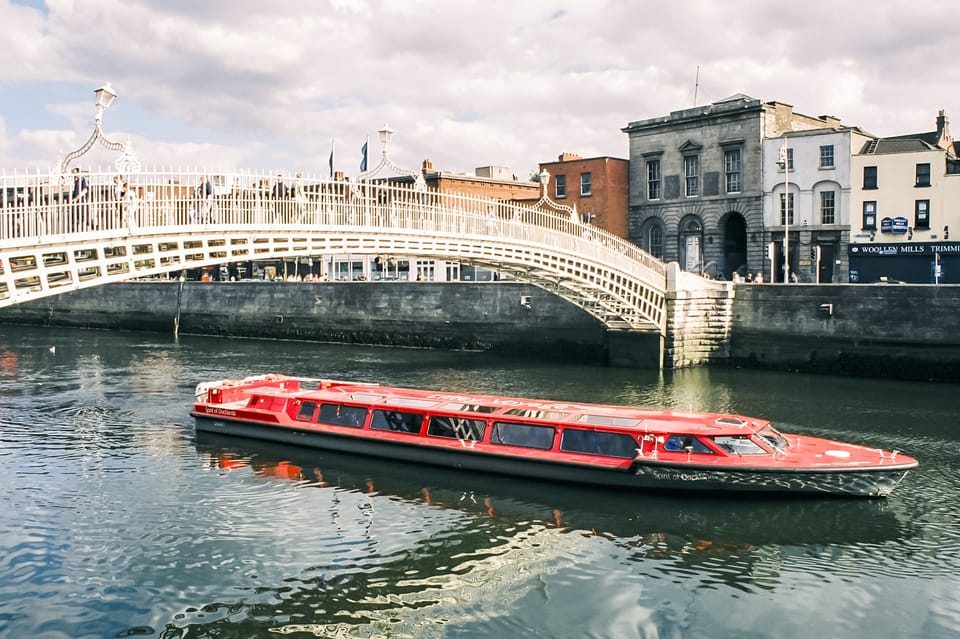
Here’s what makes the value click: Dublin’s big sights are spread out. From the water, they compress into one sweep—Ha’penny Bridge, the Custom House, the docklands, and the port edge all become part of the same storyline. That saves you time when you’re deciding what to do next.
This is also a great rainy-day plan. Even when the weather isn’t cooperating, the boat is designed for real use in bad conditions. You can still see the shape of the city and get the explanations that make the sights less random.
Just don’t expect a full-day history tour. Forty-five minutes goes quickly. If your dream is hours of museum-level detail, you’ll want to pair this with a longer stop on land.
Jeanie Johnston, Docklands, and the port side of Dublin
Once you’re underway, the river stops being a divider and starts acting like a timeline. You’ll view Docklands from the water, which is where a lot of Dublin’s modern identity is wrapped up.
One specific highlight is sailing past the Jeanie Johnston. Even if you don’t know the ship story yet, it’s a visible marker of Dublin’s maritime relationship—this is a city that has long looked outward. Watching it from the river helps you understand why the waterfront matters so much to how Dublin grew and reinvented itself.
You’ll also get that “edge of the city” feeling at Dublin Port, in the area often described as Where the City meets the Sea. That framing is useful. It reminds you Dublin isn’t only about stone buildings and pubs—it’s about trade, shipping, and the push-and-pull between inland life and ocean access.
This part of the cruise is especially helpful if you’re the type who likes your sightseeing to explain the why, not just the what. You can stand on a street and see a building. From the water, you see routes, connections, and what the city once depended on.
Ha’penny Bridge and the Custom House Gandon factor
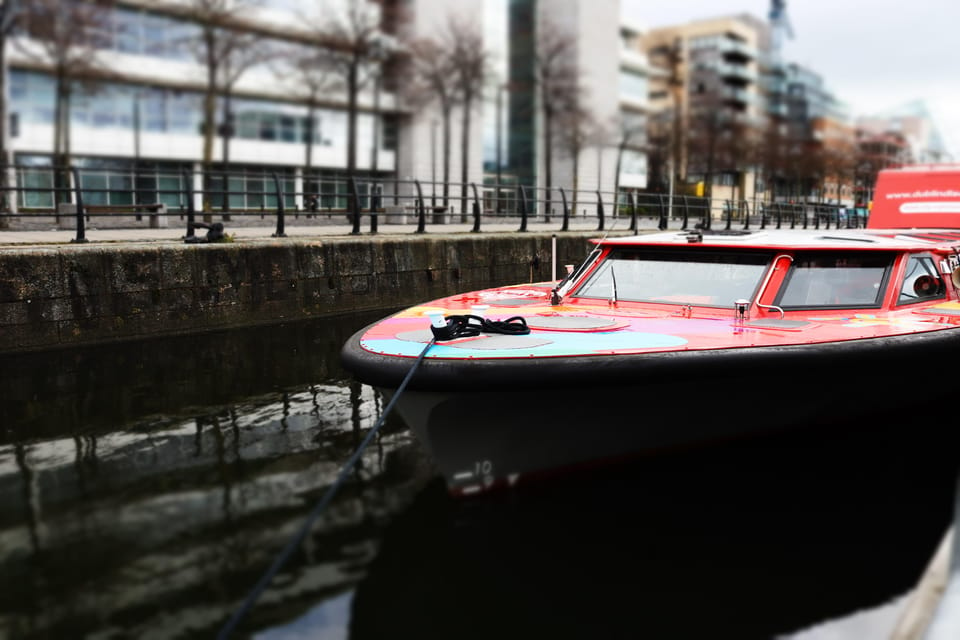
Dublin’s bridges are more than crossings here—they’re viewpoints, and the cruise treats them like characters. You’ll hear about the Ha’penny Bridge, one of the city’s best-known crossings, and you’ll catch the logic behind why it gets referenced so often.
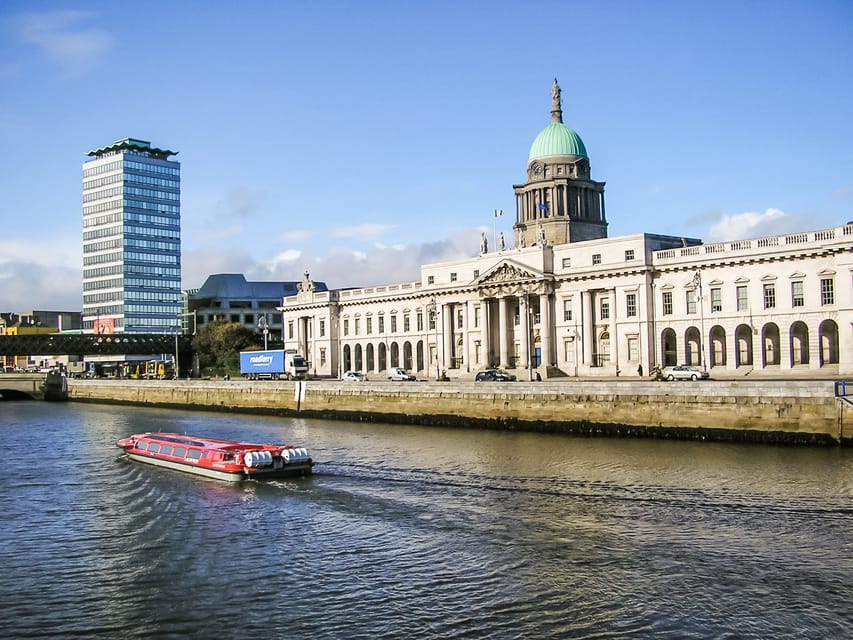
Then comes one of the big architecture moments: Gandon’s masterpiece Custom House. From the river, it reads differently than it does from the street. You get the scale and the river setting, and the guide can connect the building to Dublin’s evolution—especially its rise during the 18th and 19th centuries.
If you like architecture but don’t want to spend hours reading plaques, this is a good shortcut. The guide’s story gives context quickly, so the building doesn’t feel like just another facade.
This stretch also helps you connect the dots between the city’s physical layout and its past. Dublin’s growth wasn’t random; it followed geography, water access, and economic change.
Canals, Cromwell’s 1649 landing, and Bligh’s 1800 survey
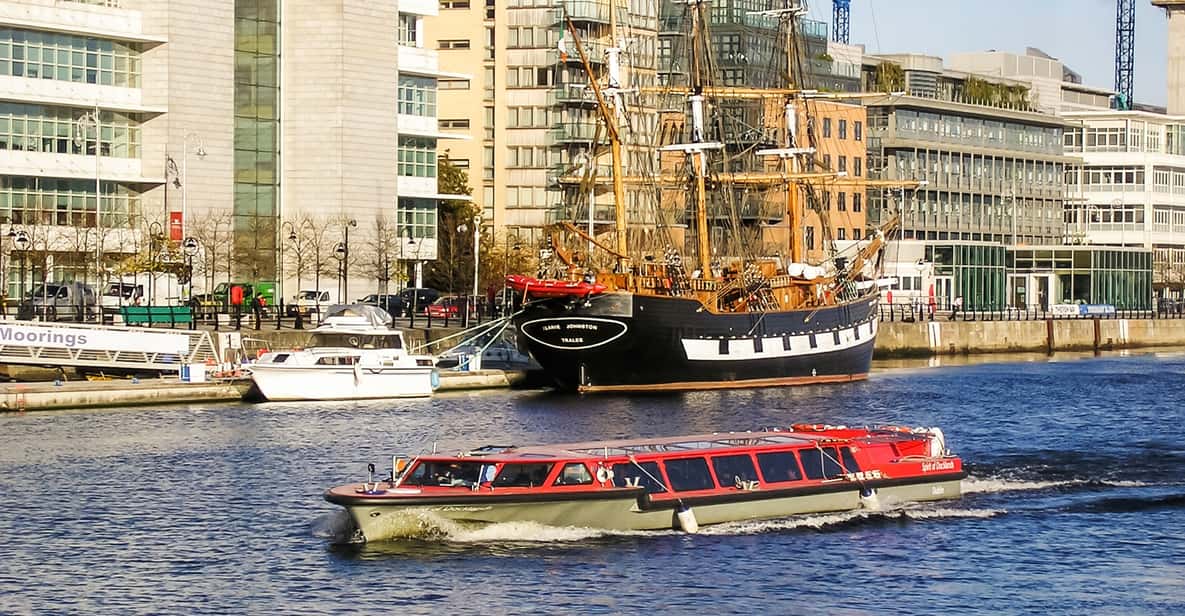
Not all river cruises stick their neck out into the details. This one does. You’ll hear about the Royal and Grand Canals, and you’ll get how those waterways fit into Dublin’s wider transport story.
You’ll also hear about Oliver Cromwell landing in 1649. That’s a heavy historical reference, and the best guides handle it with clarity rather than drama. The point for you is not to memorize dates—it’s to understand that the river wasn’t just pretty. It was part of events that shaped power and development.
Another named figure: Captain William Bligh, who surveyed Dublin Bay in 1800. If Bligh’s name rings a bell, great. If it doesn’t, the guide’s job is to connect that survey work to Dublin’s changing relationship with its coastline and the way the city planned for expansion.
These segments are valuable because they explain why the scenery looks the way it does. Dublin isn’t static. The river has been a working system, a boundary, and later a stage for renewal.


Reclaimed land, Trinity College, and O’Connell Street’s Spire
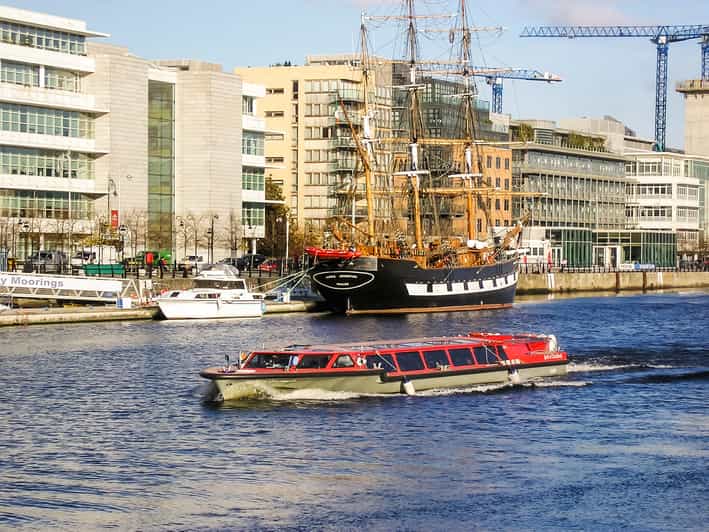
This is one of the most interesting ideas the cruise brings into focus: how much of present-day Dublin sits on reclaimed land. That concept can feel abstract until you’re looking at the river and hearing what’s behind the skyline.
From the water, you’ll get references to Trinity College and the Spire on O’Connell Street. The guide’s commentary helps you understand how the city expanded and reshaped its waterfront over time, rather than treating today’s skyline as if it always existed in its current form.
I like this part because it changes how you look at Dublin after the cruise. You stop seeing landmarks as isolated stops and start seeing them as outcomes of engineering, growth, and changing needs.
If you’re short on time, this perspective is a win. Even without stepping into any museums, you walk away with a mental map of how Dublin grew around water—and how water was managed.
Tides, bridge clearance, and what the crew may adjust
A key thing to know before you plan your day: bookings are subject to tidal conditions. That means the crew may adjust what’s manageable on a given sailing, and you could be contacted if your selected time needs a change.
In normal terms, this is the difference between a smooth, comfortable pass under bridges and one that feels more intense because clearance is tighter. One review note that high tide on an 11.30 sailing made the bridge passage feel close—basically, you’re under the bridge and you notice it. The crew managed it fine, but it’s worth setting expectations.
Practical advice: listen to the instructions from the staff once you board. They know what’s safe and what’s feasible that day. If they say something will be tight, you’ll enjoy the ride more if you accept it and keep your focus on the view rather than worrying about every second.
This is also why I think the 45-minute duration works well. Even if the exact “camera moments” vary slightly with the tide, you still get a full story arc through the main river sights.
The guides: where the humor and local detail do the heavy lifting
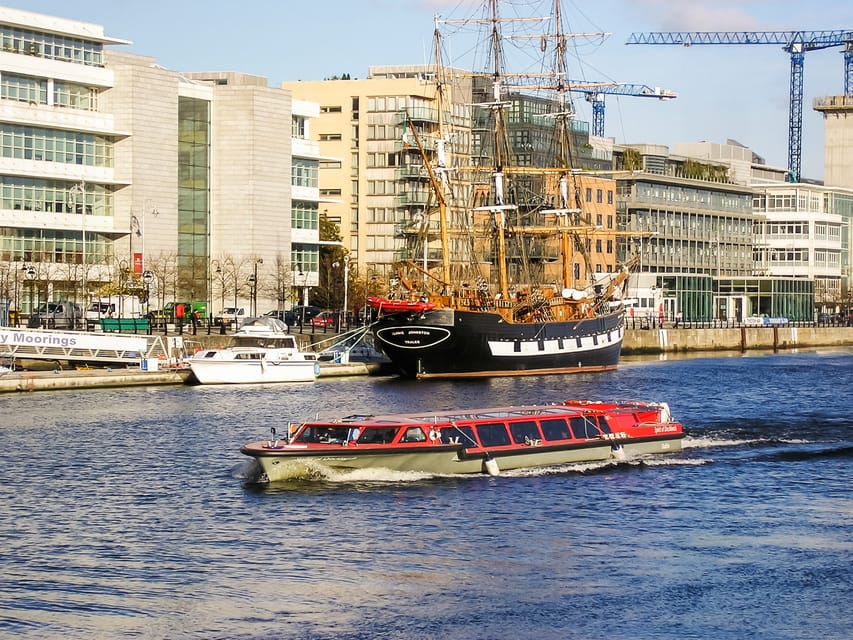
The biggest reason this cruise rates well is simple: the live guide makes the information easy to hear and enjoyable to follow. You get stories, local references, and quick punchlines that keep the ride from turning into background noise.
I’ve heard strong guide performances under names like Gerry, Lucy, Tony, Jerry, and Peter. One pattern across great runs: the guide didn’t overload the group. They chose what mattered—bridge stories, architecture context, and named historical figures—then moved on.
The captain also matters. On one sailing, Mark was described as a skilled boatman. That matters because when the boat feels steady and confident, you relax. And when you relax, you actually take in what you’re seeing.
If you care about hearing things clearly, pick a spot where you can face the guide or where sound carries best. And if someone around you starts talking loudly, don’t let it ruin your trip—politely shift your focus and keep your attention on the commentary.
Comfort, sound, and small onboard realities
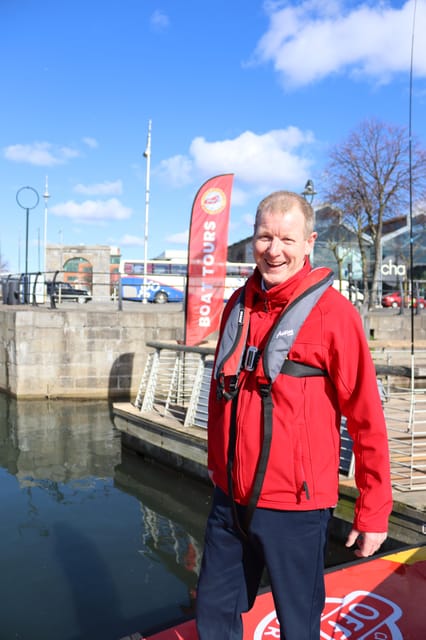
This boat is built for real weather. It’s an all-weather setup, and the boat itself tends to be kept clean. You also avoid the worst kind of crowding thanks to the 48-passenger size.
The short time on the water helps comfort, too. You’re not trapped in one spot for hours, listening to explanations you might wish you could skim.
One small reality that surprised some people: there are no toilets on board. The tip is to use toilets across the road before the cruise. That’s an easy fix if you plan ahead, but it’s better to know before you get on.
Sound can be a mixed bag on any boat. A couple of notes mentioned passengers speaking loudly during parts of the commentary, which makes hearing harder. You can’t control other people, but you can control where you stand and how quickly you settle into the guide’s story.
Who should book this Dublin River Liffey cruise?
This is a great fit if:
- You want a first-pass view of Dublin with minimal time cost
- You’re traveling in a group that includes different interests (history fans, architecture lovers, photo people)
- You’re dealing with unpredictable weather and still want something outdoorsy
- You want wheelchair accessibility on a river activity
- You like tours where the guide’s personality is part of the point (laughs included)
It’s not the best fit if:
- You want a long, museum-level deep dive. This is 45 minutes, so it’s a sampler.
- You need onboard toilet access. Plan the pre-ride stop.
- You get easily annoyed by other people talking nearby. It can happen on any shared boat.
Should you book this Dublin Liffey sightseeing cruise?
Yes, with a simple mindset shift: book it as an orientation and a story. If you do that, you’ll feel like your day gets faster, not slower. For $23, you’re buying a guided pass by major river sights—Ha’penny Bridge, Custom House, docklands and port views—plus context about Dublin’s growth and reclaimed-land skyline.
I’d book it when:
- You have about an hour and want to see a lot
- You want a rainy-day plan that still feels worthwhile
- You want to understand Dublin’s layout before committing to longer day plans
And I’d time it with your expectations: if your sailing date is influenced by tide, the crew’s call is part of the deal. That doesn’t ruin the experience—it just means you’re riding a real working river, not a staged postcard.
FAQ
FAQ
How long is the Dublin River Liffey sightseeing cruise?
The cruise runs for 45 minutes.
Where do I meet the boat for this cruise?
All cruises depart from and return to the pontoon at The Sean O’ Casey Footbridge on the north side of the river at Custom House Quay, opposite the CHQ building.
Is hotel pickup included?
No. Hotel pickup and drop-off are not included.
What language is the tour guide?
The live guide speaks English.
Is the cruise wheelchair accessible?
Yes, the activity is wheelchair accessible.
How much does it cost?
The price is $23 per person.
Are there toilets on the boat?
There are no toilets on board. It’s recommended to use toilets across the road before your cruise.
What is the cancellation policy?
You can cancel up to 24 hours in advance for a full refund.