REVIEW · DUBLIN
Dublin: Legends, Ghosts & Ghouls Walking Tour
Book on GetYourGuide →Operated by Alternative Dublin · Bookable on GetYourGuide
A dark story can change how you see a street. This Dublin walking tour threads Irish myths through real landmark stops, with a guide who turns corners into creeping backstory.
I like the way it mixes familiar Dublin sights with unsettling legends, so you leave with sharper city “mental maps.” Two specific wins for me are the paranormal Ireland focus and the chance to hear named characters tied to places.
I’ll also flag one consideration: this tour leans into horror imagery, including hanging tales and body-related legends. If you prefer history without the spook factor, you might find it a bit much.
In This Review
- Quick highlights
- Starting at 82 Merrion Square South: the value and the tone
- The Shelbourne Hotel stop: Maud Gonne and the unexplained
- St Stephen’s Green and the grim hangings nearby
- St Andrew’s Church: old streets, older stories
- Olympia Theatre: Charlie Parker’s haunting
- Dublin Castle and the layer-cake of power and myth
- Christ Church Cathedral: legends in the cathedral shadow
- Saint Audoen’s Church finish: closing the loop
- Guides, stories, and what the best moments feel like
- Practical tips so you enjoy it more
- Who should book this ghost and legends walk?
- Should you book Dublin: Legends, Ghosts & Ghouls Walking Tour?
- FAQ
- How long is the Dublin Legends, Ghosts & Ghouls Walking Tour?
- Where does the tour start?
- Where does the tour end?
- What stops are included on the walk?
- Is the tour in English?
- Is the tour wheelchair accessible?
- What is included with the ticket price?
- How much does the tour cost?
- What is the cancellation policy?
- Can I reserve and pay later?
Quick highlights

- Maud Gonne, plus unexplained terrors linked to the Shelbourne gives the tour an immediate hook.
- Central-city walking keeps it easy to pair with other sightseeing days.
- St Stephen’s Green and the grim hangings nearby adds an eerie edge to a very normal-looking park stop.
- Olympia Theatre and Charlie Parker’s haunting is one of the most directly story-linked stops on the route.
- Dublin Castle and Christ Church Cathedral help you see how old power structures sit beside older folklore.
- A finish at Saint Audoen’s Church gives a satisfying, atmospheric end point for the walk.
Starting at 82 Merrion Square South: the value and the tone

This tour is built for people who want Dublin with more texture than postcards. You walk through the city and get stories that sit somewhere between myth and claimed sightings, with a guide doing the talking while you look at the buildings and streets up close.
Price is $16 per person, and for a guided, multi-stop walk it’s good value. You’re not just hearing one story at one place. You get several short stop-ins, then you move on, letting each location shape the next legend.
Expect the vibe to be story-driven. The format is basically you walk, you stop at a landmark, and you listen as the guide connects folklore to place. It’s not a museum lecture. It’s more like late-night storytelling, except you’re doing it in Dublin daylight and fresh air.
You should also plan for timing and weather. The tour lists it as about 2 hours, so bring layers if Dublin weather decides to be moody. You’ll be standing around more than you’d think, since several stops include guided moments while you’re outdoors or in semi-public spaces.
You can also read our reviews of more walking tours in Dublin

The Shelbourne Hotel stop: Maud Gonne and the unexplained
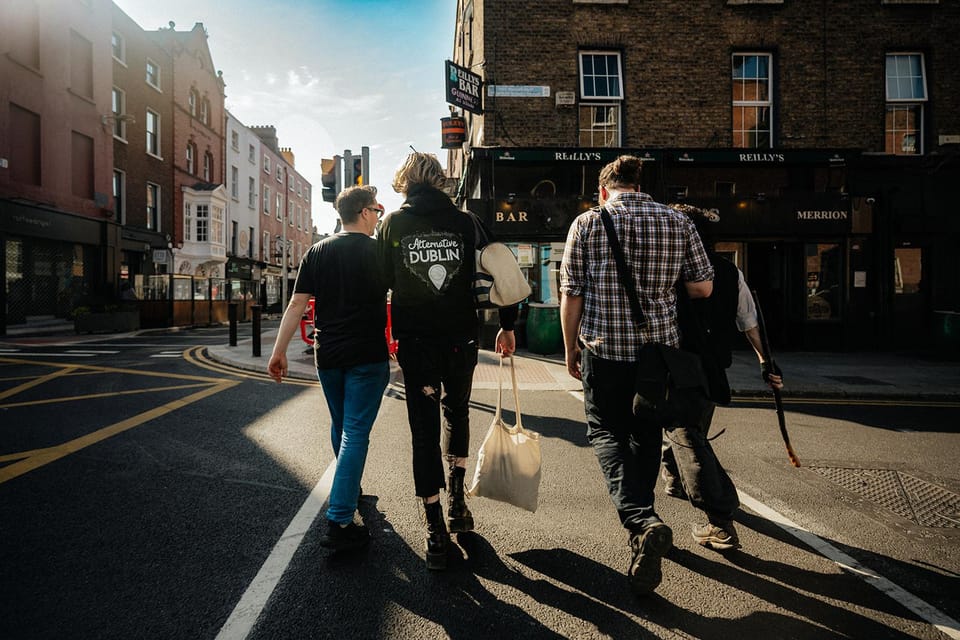
The first major “legend magnet” is the Shelbourne area, with a dedicated guided stop at The Shelbourne, Autograph Collection. The tour leans hard on the idea that famous Dublin addresses attract famous stories, including the kind that don’t have tidy explanations.
One of the named threads here is Maud Gonne’s ghostly secrets, plus unexplained terrors said to have been seen in the Shelbourne hotel. That’s a smart way to frame the stop, because it gives you two layers: a recognizable Dublin figure and a place-based “something is off” rumor.
Why this works: hotels and famous buildings already feel theatrical. Even if you don’t buy any of it, you can still appreciate the storytelling mechanics—how a city biography gets written over and over at the same address. If you like urban folklore, this is the stop that tells you what kind of tone the rest of the walk will follow.
St Stephen’s Green and the grim hangings nearby
Next you head to St Stephen’s Green, and the tour doesn’t treat it like just another famous park photo spot. You get a guided moment tied to grisly hangings near St Stephen’s Green, which flips the mood fast.
This is a good example of what the tour does best: it takes a well-known place and forces you to look at it differently. A park is where people relax. A legend like this turns it into a question mark.
Practical tip: treat this as a “listen carefully” stop. Even if you don’t see every detail in front of you, the story will give you a reason to imagine what the area was like long before modern streets and footpaths got smoothed over.
If you’re worried about the spook level, this is the stop where you’ll learn quickly whether you’re in the right mood for the rest of the walk.
St Andrew’s Church: old streets, older stories
At St Andrew’s Church, you get a longer guided segment—about 20 minutes—which usually means more story time and more room for the guide to connect threads. This stop feels like a natural bridge between public landmarks and the more street-level darkness mentioned across the tour’s legend list.
This is where you’re likely to hear some of the tour’s recurring dark themes, like brutal chapters from the past and grim characters that people associate with Dublin’s underground stories. The tour brief includes names and concepts such as the Tenements tales and the Resurrection Men. Even when you can’t pin one legend to one exact corner, hearing those themes while standing near a real church gives the stories weight.
Why it’s valuable for you: it reframes the church as more than an architecture photo stop. You start noticing how central Dublin’s religious sites sit close to the city’s rougher corners and darker reputations.
Olympia Theatre: Charlie Parker’s haunting
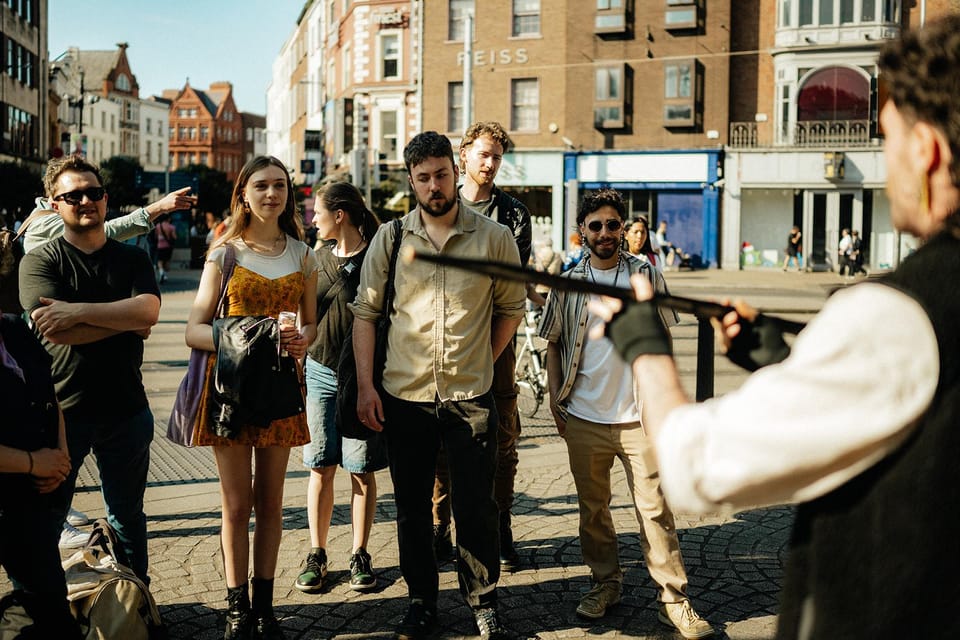
One of the most specific, story-linked moments comes at the Olympia Theatre. The tour brief calls out Charlie Parker and the haunting of the Olympia Theatre, and that kind of direct pairing is exactly what makes these walking tours fun.
Theatre spaces are made for atmosphere. Even if you’re skeptical, the setting helps. You can almost feel how stories would spread through an entertainment district—people talking outside, staff remembering strange occurrences, legends getting bigger over time.
The practical takeaway: arrive here ready to listen, not just look. This stop is listed for a shorter 10-minute guided moment, so the guide likely packs the story into a tight window. If you tend to zone out when walking, focus your attention the moment you get to the Olympia area.






Dublin Castle and the layer-cake of power and myth
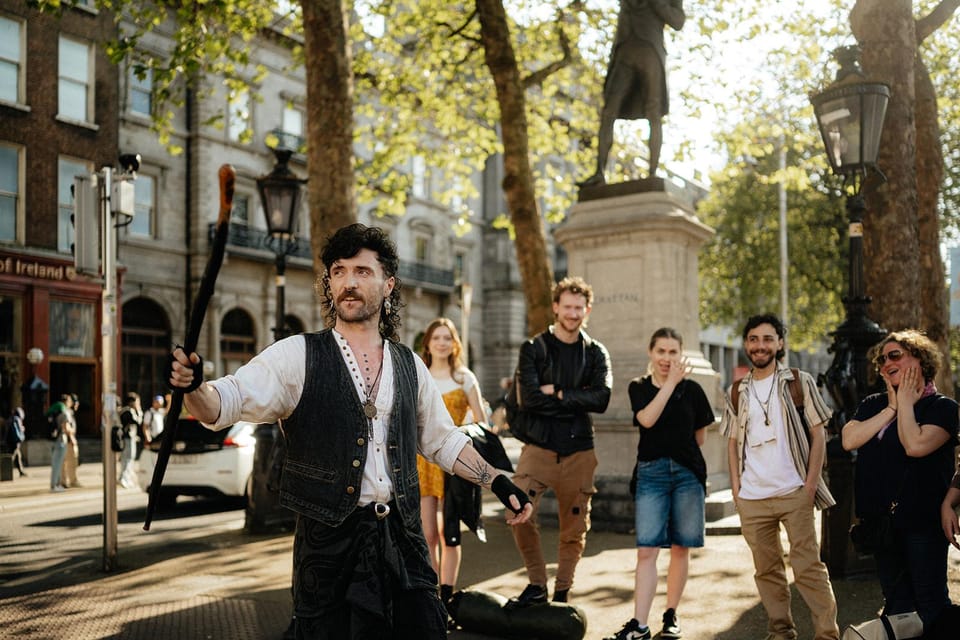
Then you move to Dublin Castle for about 15 minutes of guided time. Castles are symbols of rule, authority, paperwork, ceremony—things that feel solid and official. Putting folklore alongside that creates an interesting contrast: the city’s “official” side and its “unofficial” side share the same ground.
This stop works well if you like the idea that legends often cling to places where people feel powerless or watched. The tour includes plenty of references to supernatural fear and unsettling human stories—everything from hangings to eerie experiments and body-related legends in its story list—so Dublin Castle is a strong setting for that kind of contrast.
My advice: treat this part as a reflection stop. Look up at the scale of the place, then listen to the guide’s framing of how fear and myth grew around such institutions.
Christ Church Cathedral: legends in the cathedral shadow

At Christ Church Cathedral, you get another guided segment of about 15 minutes. Cathedrals give you the feeling of long timelines—decades and centuries stacking up in stone. When a ghost story lands in that environment, it’s not just scary. It feels symbolic.
Here’s what I find helpful for your planning: this is where the tour’s theme expands from individual spooky accounts into a broader idea of Dublin’s storytelling tradition. Ireland has long-standing habits of telling tales that keep people awake at night, and the tour uses that spirit to make these famous sites feel less touristy and more personal.
If you’re the type who likes “why do legends stick?” this stop helps you understand the appeal. Old religious centers sit at the crossroads of public life, so rumors and myths had plenty of daily routes to spread.
Saint Audoen’s Church finish: closing the loop
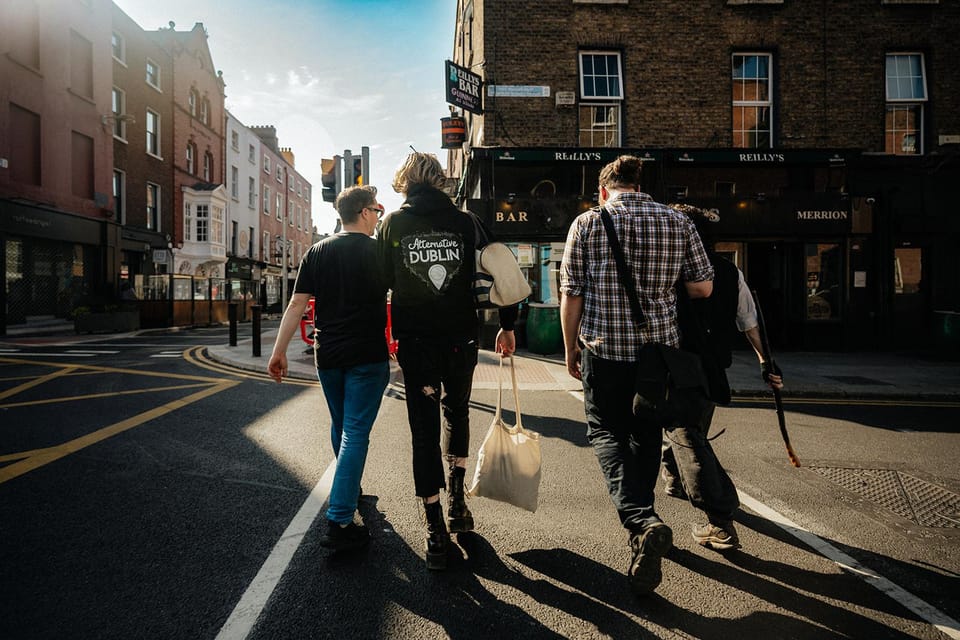
The walk ends at Saint Audoen’s Church. Finishing at a church is a classic move for this kind of tour, because it keeps the last minute of your walk in the same emotional lane as the earlier stops: old stone, quiet mood, and a final story beat.
Even without extra information about how the finish moment is structured, the choice of Saint Audoen’s makes sense. It gives the tour a “bookend” feeling: you started with a central Dublin address and ended with an atmospheric site that naturally pulls your attention inward.
If you want an easy next step, plan for a slow wander afterward. This is the moment to let the city look a little different before you head back to dinner or the next attraction.
Guides, stories, and what the best moments feel like
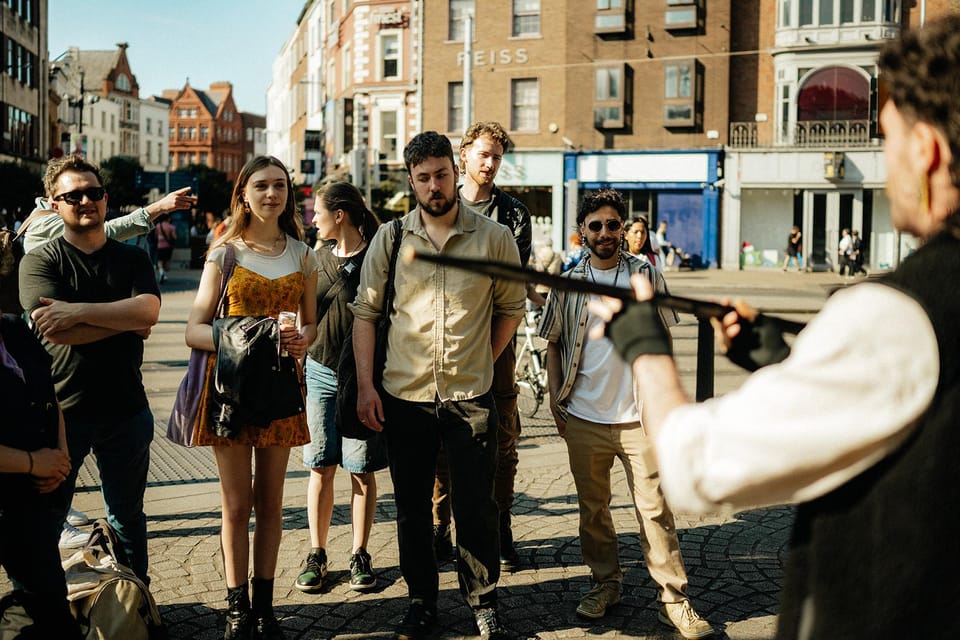
The tour is led by a live English-speaking guide, and feedback highlights a big strength: the guide friendliness and the ability to make paranormal Ireland stories feel understandable. One name you’ll see come up in praise is Joe, mentioned for great insight into the paranormal side of Ireland.
That matters because good ghost tours aren’t just about the facts. They’re about timing, tone, and pacing. A guide who can explain the legends clearly—and keep moving so you don’t lose energy—turns a walking tour into something you’ll remember after the photos are posted.
What you’ll get, based on the tour’s story scope, is a wide set of dark themes and named elements, including:
- Banshee and ghost traditions as a framework
- Stories tied to places like hotels, theatres, and central landmarks
- A range of legends from eerie and unexplained to outright grisly in wording
That range can be fun, but it also means you should mentally choose your comfort level before you go in.
Practical tips so you enjoy it more
A few small moves will help you enjoy the tour without stress.
- Wear comfortable shoes. This is still a walking tour, and several stops include standing around for guided time.
- Be ready for a story-first pace. You may not get long photo breaks at each location, since the focus stays on the narration.
- If you’re sensitive to darker themes, decide in advance how far you want to go. The tour includes legends that mention hanging, bodies, and other gruesome elements.
- Bring a charged phone only for reference photos. The best part is listening; don’t let screen time eat your attention.
Who should book this ghost and legends walk?
This tour is a great fit if you:
- Love Dublin’s folklore and want it tied to specific landmarks.
- Prefer a guided storytelling format over audio-only ghost apps.
- Want a budget-friendly activity that covers multiple iconic stops in one go.
It’s probably not the best fit if you want:
- Strictly verified history with sources.
- A lighter, family-friendly scare level.
- A slow-paced walking tour with lots of optional detours.
Should you book Dublin: Legends, Ghosts & Ghouls Walking Tour?
I think you should book it if you’re the kind of person who enjoys a good legend and likes seeing how stories attach to real buildings. With $16 for a 2-hour guided, multi-stop route, it’s a strong value for a fun night-in-the-making—without the need to plan a whole separate evening.
Don’t book it only if you know you’ll hate horror-toned tales or you want purely factual history. Otherwise, this tour gives you a practical way to see Dublin with a darker lens, and it ends in a classic atmosphere spot that lets the whole experience land.
FAQ
How long is the Dublin Legends, Ghosts & Ghouls Walking Tour?
The tour duration is listed as about 2 hours, and you’ll want to check availability for the starting times.
Where does the tour start?
You meet outside 82 Merrion Square South.
Where does the tour end?
The tour finishes at Saint Audoen’s Church.
What stops are included on the walk?
The guided stops listed are The Shelbourne, St Stephen’s Green, St Andrew’s Church, Olympia Theatre, Dublin Castle, and Christ Church Cathedral, plus the finish at Saint Audoen’s Church.
Is the tour in English?
Yes, the live tour guide is listed as English.
Is the tour wheelchair accessible?
Yes, the activity is listed as wheelchair accessible.
What is included with the ticket price?
Included items are the guide and tips & recommendations for Dublin.
How much does the tour cost?
The price listed is $16 per person.
What is the cancellation policy?
Free cancellation is listed, with cancellation allowed up to 24 hours in advance for a full refund.
Can I reserve and pay later?
Yes. The activity offers a reserve now & pay later option, where you can book your spot and pay nothing today.