REVIEW · DUBLIN
Trek the Tombs and Trails in the Dublin Mountains
Book on Viator →Operated by MYBIKEORHIKE · Bookable on Viator
Two ancient tombs, one mountain day.
I love the combo of megalithic tombs and real, walkable viewpoints over Dublin and the bay. I also like that the group stays small (up to 8), so a guide like Ben can actually answer your questions as you go.
The one thing to plan for is the physical side: this is a moderate hike with uneven paths, so if you hate slippery ridges or long walks, you’ll want to think twice.
In This Review
- Key highlights you will actually feel
- Why this Dublin Mountains trek is worth a full 7 hours
- Getting from Dundrum: the smooth start that keeps you outside
- Stop 1: Glencullen and the drive into the quieter Dublin foothills
- Wicklow Mountains National Park: the wedge tomb and the “look closely” moments
- The vantage point: never excavated cairn tomb, triangulation pillar, and Dublin Bay views
- Wild berries on the trail: a seasonal detail you should plan around
- Stop 3: Tibradden and the second tomb with a stone circle
- Down through the forest to The Hazel House: your end-of-hike reward
- Price and value: what you’re really paying for at $180.44
- Who should book this hike, and who might prefer something else
- What to pack so the day feels easy
- Should you book Trek the Tombs and Trails in the Dublin Mountains?
- FAQ
- How long is the Dublin Mountains hike?
- Where does the tour start and end?
- Is transport to the trail included?
- Is lunch included?
- What kind of fitness level do I need?
- What happens if the weather is poor?
Key highlights you will actually feel
- Two megalithic tomb stops you can see and understand, not just pass by
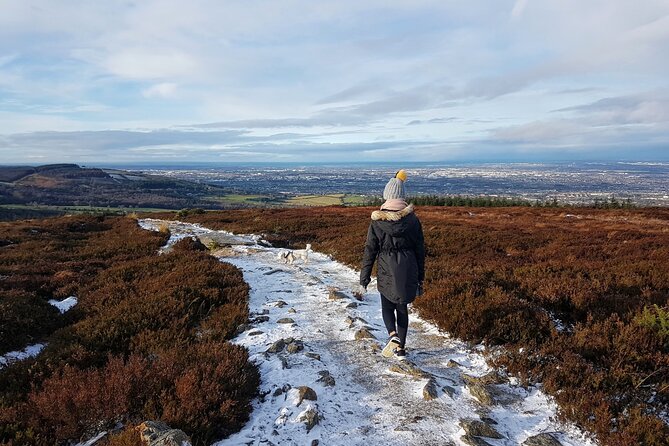
- Big panoramic breaks over Dublin and the bay area from a mountain top rock
- Wild berries in season with the option to snack or use them for jam or tart later
- Small group size (max 8) for more guide attention on the trail
- Never excavated cairn tomb and triangulation pillar at a well-known lookout point
- Lunch or a pub pint waiting at the end, plus a return bus on a different route
Why this Dublin Mountains trek is worth a full 7 hours
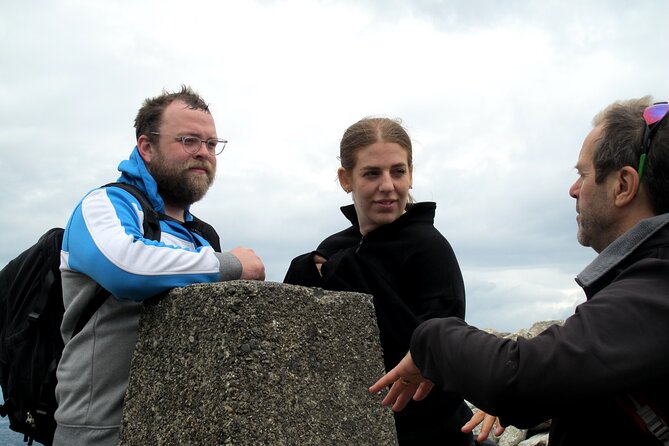
This is a proper hiking day, not a quick sightseeing loop. You start with a bus ride through backroads in the Dublin foothills, then move into a meandering route along old paths where the countryside does the talking. The payoff is twofold: ancient burial sites you can read as you walk, and wide-open views that make the effort feel fair.
At a price of about $180.44 per person, you’re not paying for a ticket you can download. You’re paying for a small-group guided hike, the transport to and from the trail, and interpretation at the tomb stops. If you like history but also like fresh air and moving your legs, this is the kind of tour that can feel like good value.
You can also read our reviews of more hiking tours in Dublin

Getting from Dundrum: the smooth start that keeps you outside
The meeting point is Dundrum, outside Luas Station, and the tour ends back at that same spot. That matters because it keeps the logistics simple. You don’t have to fight with transfers mid-hike, and you get a clear start and finish.
Once you’re on board, you’ll take a local bus that runs through quieter backroads in the Dublin foothills. I like this setup because it cuts down on the time you spend trying to navigate rural roads on your own. It also means you arrive at a trail area already feeling like you’re in the Dublin Mountains, not still in the city.
Group size is capped at 8 travelers, and that changes the whole experience. With a small bunch, you’re more likely to slow down when the guide points something out—like how the tombs are arranged or what you’re looking at on the mountain.
Stop 1: Glencullen and the drive into the quieter Dublin foothills
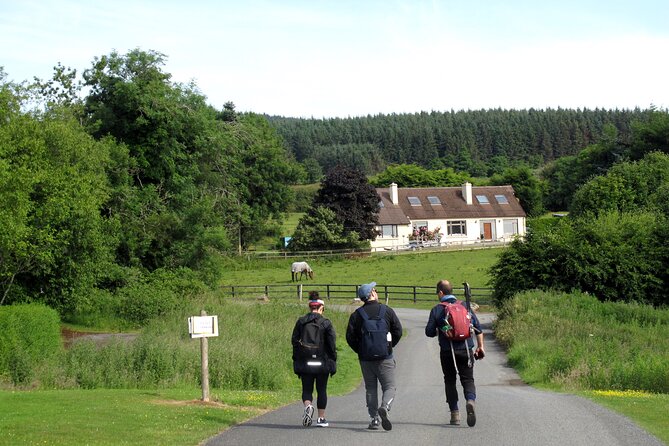
From Glencullen, the tour transitions from bus time to trail time in the kind of gradual way that helps you settle in. You’re not jumping straight into a steep climb. Instead, you ease into the walking with mountain paths that feel informal, like they were always part of local movement.
This first segment is about setting the stage. Dublin can be busy, but the foothills put you in a different rhythm. If you’re the type who enjoys watching a landscape change as you travel, you’ll probably appreciate this portion more than you think.
Practical note: bring snacks and water. Even if you’re not picking berries yet, you’ll likely want a few calories before the tomb sections and view breaks.
Wicklow Mountains National Park: the wedge tomb and the “look closely” moments
As the route reaches the Wicklow Mountains National Park area, you’ll start along a meandering mountain path toward an ancient burial wedge tomb from the second millennium B.C. This is one of the most interesting parts of the day because it turns a scatter of stones into something you can actually understand while standing in place.
A wedge tomb is a specific type of megalithic burial structure. What you’ll get from a guided stop is not just the date. You also learn how these places were built and used, and why they ended up where they did. When the guide like Ben explains what you’re seeing, you begin to notice details you would otherwise miss—like the placement and form of the tomb area against the surrounding terrain.
The drawback here is simple: you’ll want a bit of attention. If you’re constantly checking your phone or walking ahead, you’ll lose the point of the guided interpretation.
The vantage point: never excavated cairn tomb, triangulation pillar, and Dublin Bay views
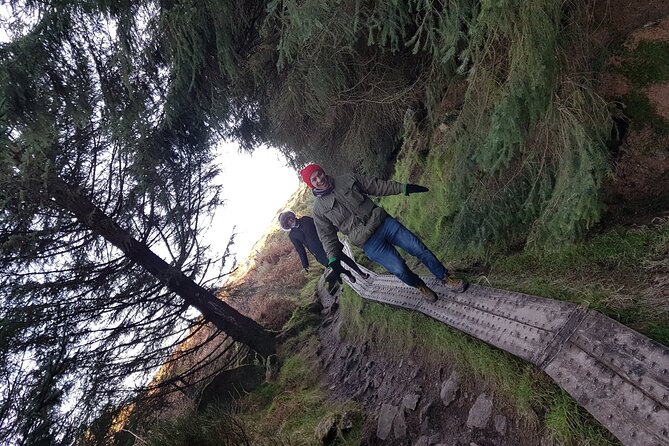
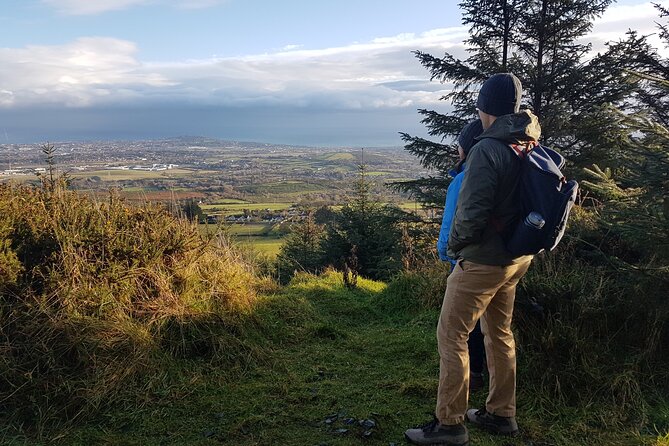
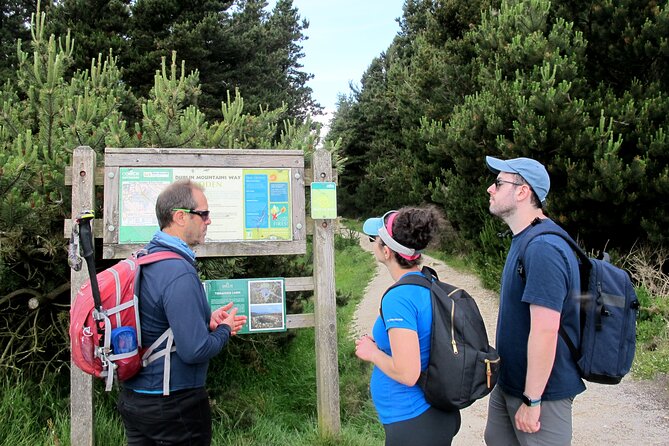
Next comes a much more open feel. Continuing along the Dublin Mountains Way, you’ll reach a popular viewpoint where the views take center stage. From a mountain top rock, you’ll see panoramic scenery over Dublin and the bay area.
And then you add the archaeology. You’ll look for a never excavated cairn tomb and a triangulation pillar at this lookout point. That mix is what makes this stop memorable: the place is famous for its views, but it also holds evidence of older ways of marking land and memory.
This is also where the small group size really helps. With fewer people around, it’s easier to stop, listen, and take photos without feeling like you’re in a crowded parking lot.

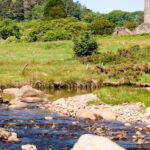

Wild berries on the trail: a seasonal detail you should plan around
Depending on the season, you may pause to pick wild berries. The tour frames it as both practical and fun: you can enjoy them right there, or if the timing works, you can make jam or tart later.
You should treat this as a bonus, not a guarantee. The key is that the tour doesn’t lock you into a rigid schedule just for the berry moment. If berries are in season, you get a chance to turn a hike into a small food story. If they aren’t, you still get the tombs and views, which are the main event.
If you want to do the berry side, be mindful of how you handle them. Keep them separate from mud and keep snacks simple so you’re not dealing with sticky cleanup on the rest of the hike.
Stop 3: Tibradden and the second tomb with a stone circle
As you continue along the ridge, the walking becomes more about long sight lines. You’ll get views of Dublin to the north and Wicklow to the south, which helps you understand the scale of the place you’re in.
Eventually you arrive at the second burial tomb: an ancient stone circle and a burial place associated with the man for whom the mountaintop is named. This is a different kind of megalithic site than the wedge tomb. Here, the “circle” structure changes how you experience the spot. Instead of a straightforward burial form, you’re reading a ritual space set within the mountain setting.
This section is often where history becomes personal. When a guide like Ben ties what you see to how people might have used these locations, it stops being abstract. You can look around and realize you’re standing inside someone’s map of meaning, not just on a random hillside.
Down through the forest to The Hazel House: your end-of-hike reward
After the ridge and tomb section, the route shifts. You’ll wander down a meandering path through an evergreen forest, then continue along a rural back-road. This is a nice change of pace, because it gives your legs a different kind of work than the earlier ridge walking.
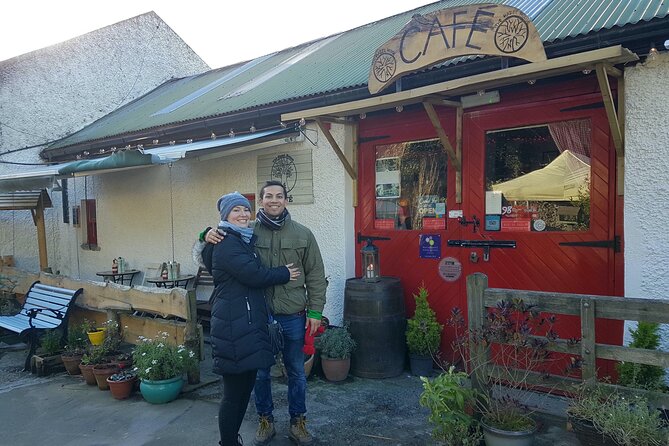
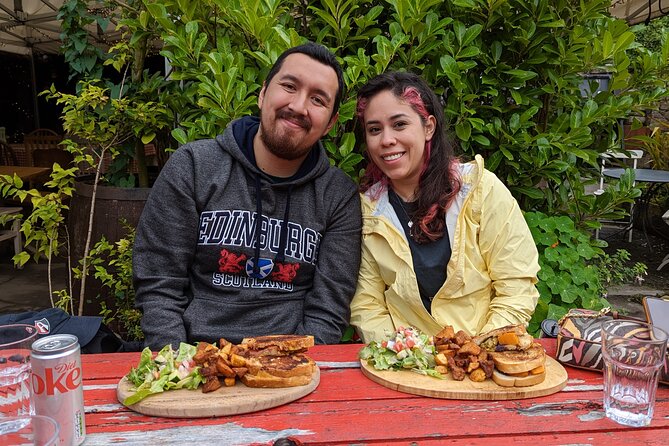
Then you reach The Hazel House, where your day finishes with choices. There’s a quaint, rustic café and restaurant at the end of the hike. You can enjoy a well-earned lunch made of local produce and cuisine, or you can opt for a well-earned pint in a country pub.
If you’re trying to decide what to order, I’d go with whatever feels most local to you that day. This is one of those tours where you’ve earned the comfort part of travel: hot food, a relaxed seat, and a chance to talk about the tomb shapes and viewpoints without stopping every two minutes.
The return is also part of the fun. An alternative bus route takes you back via a different route, so you get a second look at the area without feeling like it’s just more of the same.
Price and value: what you’re really paying for at $180.44
Let’s make the math meaningful. At $180.44 per person for a roughly 7-hour guided experience, the price is doing three jobs:
- Guiding and interpretation at the tomb stops, where you’ll get context for what you’re seeing
- Transport via bus to the start and back, with a bus pass included
- Small-group time, capped at 8, which makes it easier to ask questions and slow down at key points
If you tried to do this on your own, you’d likely spend time figuring out trail access, transport timing, and what the tombs actually mean. Here, those headaches are handled, and the day stays focused on walking and understanding rather than logistics.
So the value equation depends on you. If you want a self-guided hike with minimal spending, you might prefer other options. If you want an organized, smaller group day with real guide context, this price starts to make sense fast.
Who should book this hike, and who might prefer something else
You’ll probably love this tour if you:
- enjoy walking with a purpose, not just checking a few photo spots
- like megalithic archaeology and want the story tied to the stones you see
- want views over Dublin and the bay without needing advanced navigation skills
- prefer a small group where you can actually talk with the guide
You might think twice if you:
- hate uneven trails or longer stretches on foot (moderate fitness is required)
- expect a mostly flat stroll
- are booking on a week where weather is a gamble for you, since the tour needs good conditions
What to pack so the day feels easy
You’ll be on a guided walk for about 7 hours, with tomb stops, ridge walking, and a forest path. That means your comfort matters.
Bring:
- Sturdy walking shoes with grip for uneven ground
- A light layer for changing mountain air
- A water bottle and basic snacks, especially if berries aren’t available
- A phone camera, but also plan for hands-free moments at the tombs
Also consider timing your lunch plan. If you’re hungry at the end, you’ll want to be ready to eat at The Hazel House.
Should you book Trek the Tombs and Trails in the Dublin Mountains?
If you want a guided day that blends two real megalithic tomb visits with unforgettable Dublin-and-bay views, I think this is an easy yes. The small-group size, plus the way the guide (including Ben) explains what you’re looking at, makes it more than just a hike with stops.
Book it if you can handle moderate walking and you’re okay with a day that depends on good weather conditions. If that sounds like you, you’ll leave with both stories and sore legs, which is the best travel combo I know.
FAQ
How long is the Dublin Mountains hike?
The tour lasts about 7 hours.
Where does the tour start and end?
It starts at Dundrum, outside Luas Station and ends back at the same meeting point.
Is transport to the trail included?
Yes. A bus pass for transport to the start and returning after is included.
Is lunch included?
Lunch is not included, but there is an option to have lunch at a rustic café and restaurant at the end of the hike. A pub stop for a pint is also an option.
What kind of fitness level do I need?
The experience is for travelers with a moderate physical fitness level.
What happens if the weather is poor?
This experience requires good weather. If it’s canceled due to poor weather, you’ll be offered a different date or a full refund.