Dublin clicks into focus in 2.5 hours. I love how this walk balances big-name sights with off-the-beaten-path stops, so you get a feel for the city fast. You’ll also get a professional, friendly guide who makes the history human, with humor and stories that connect places you’d otherwise just pass.
One thing to consider: it’s a walking tour, so the pace may feel brisk if you prefer a slower stroll. The good news is the group stays small (max 16 people, often less), which helps keep things organized and questions answered.
In This Review
- Quick hits before you lace up
- The smartest 2.5 hours you can spend on central Dublin
- Where the tour starts: Dame Street’s Tree of Gold
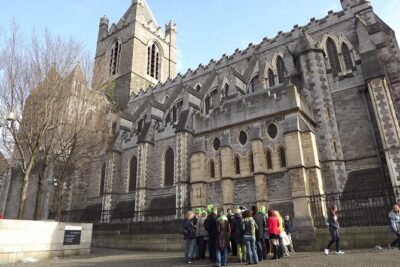
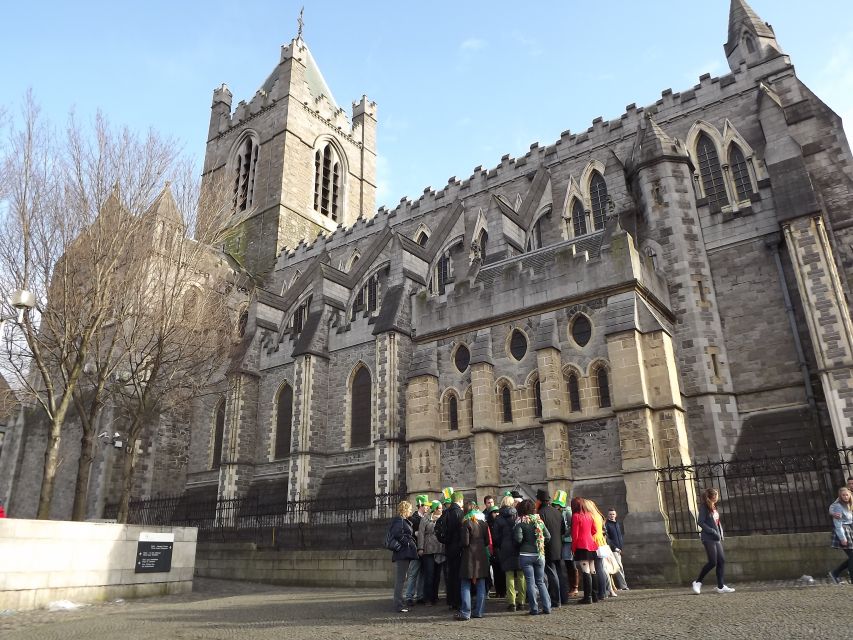
- Dublin Castle and Christ Church exteriors: seeing the medieval core
- Fishamble Street to Smock Alley and Meeting House Square
- Temple Bar to the Millennium Bridge: the Liffey as your map
- The Italian Quarter and St Mary’s Church turned café/bar
- Henry & Moore Streets and the route toward O’Connell Street
- O’Connell Street and the General Post Office: the 1916 Rising story
- The former Parliament House (Bank of Ireland) and what power leaves behind
- Ending near Trinity College and the Book of Kells moment
- Group size, guide style, and why people keep recommending it
- Price and value: why $31 makes sense for a Dublin first day
- Best for who? (And who might want a different option)
- Should you book this Dublin highlights and hidden corners walking tour?
- FAQ
- Where does the tour start?
- How long is the tour?
- Is the tour wheelchair accessible?
- Are there any interior visits included?
- What main landmarks will we see?
- Does the tour include Trinity College’s Book of Kells?
- Can I get a refund if my plans change?
Quick hits before you lace up
- Small-group feel with a maximum of 16, often fewer for a more personal experience
- Landmarks plus lesser-seen lanes, including Fishamble Street and Smock Alley
- Both sides of the Liffey, crossing via the Millennium Bridge for a real sense of geography
- Story-driven stops you can’t easily learn just by reading signs (wobbly bridge, odd art, and more)
- Trinity College exterior finish tied to the Book of Kells story, without forcing you indoors
The smartest 2.5 hours you can spend on central Dublin
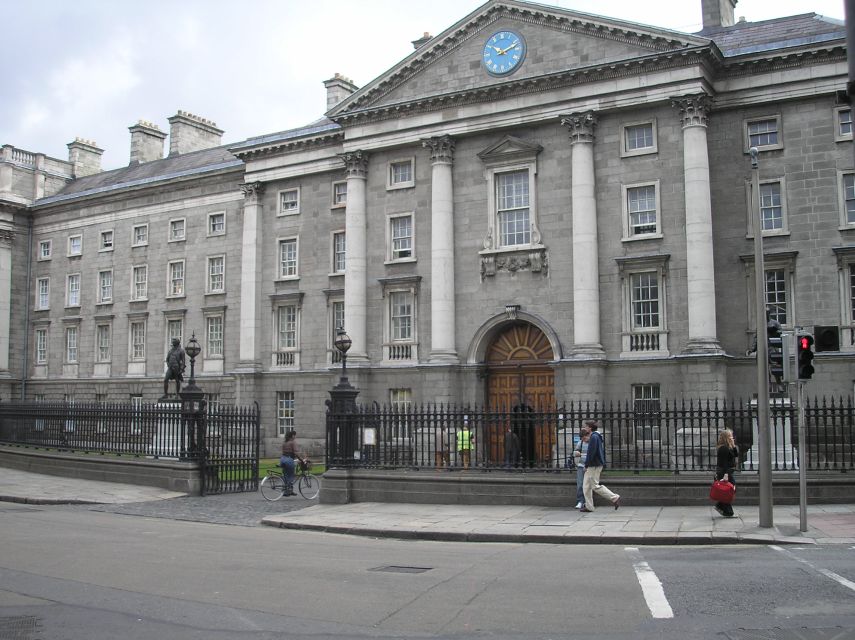
If it’s your first time in Dublin, this is the kind of tour that helps your brain place everything. You start in the center, then move in an easy loop that takes you across the River Liffey and back, hitting major landmarks while also weaving through smaller streets where the city shows its personality.
The format is simple: you walk, your guide points things out, and you learn why those buildings, bridges, and monuments matter. You’ll cover Dublin Castle grounds, Christ Church Cathedral area exteriors, O’Connell Street, the General Post Office, and Trinity College surroundings—plus a set of “what is that?” moments along the way.
Price-wise, it’s about $31 per person for a 2.5-hour guided walk. That’s solid value in a city where organized sightseeing can get pricey fast. You’re paying for a guide who can explain what you’re looking at and keep the pace workable.
You can also read our reviews of more walking tours in Dublin

Where the tour starts: Dame Street’s Tree of Gold
You meet at the Tree of Gold Statue (Crann an Óir) at Central Plaza on Dame Street, right by the corner of Dame Street and Fownes Street Upper (Dublin 2). This is a good starting point because it’s central, easy to find, and close to the shopping-and-street-life Dublin visitors actually notice first.
Once you’re gathered, the guide sets expectations for an easy-going walk. The tour is designed around a manageable rhythm through the historic center—so you’re not sprinting from stop to stop, but you are moving.
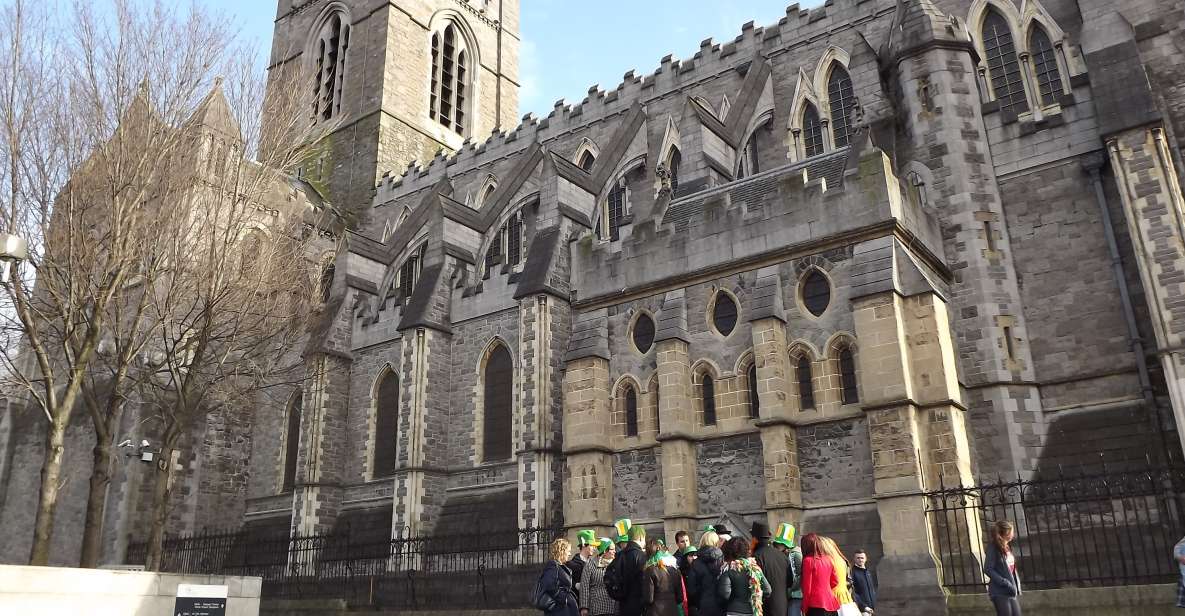
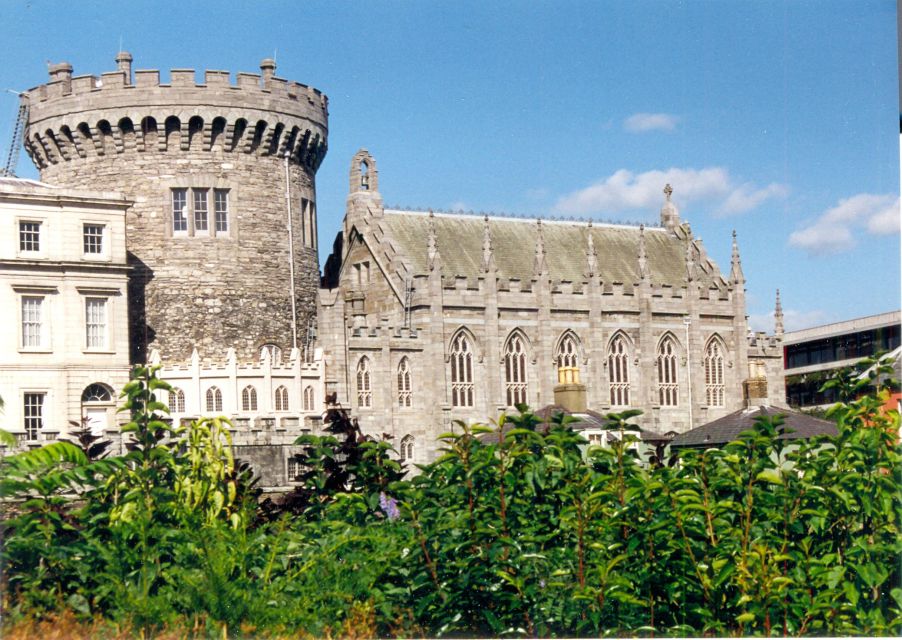
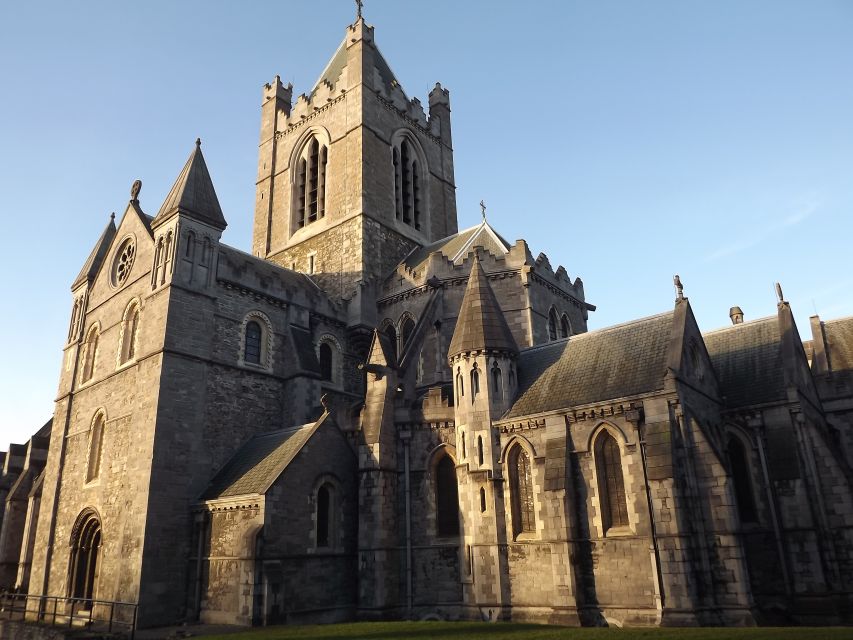
Dublin Castle and Christ Church exteriors: seeing the medieval core
Early on, the route winds through the former Viking & Medieval Quarter, and two stops anchor that part of the story: Dublin Castle grounds and the Christ Church Cathedral area.
You won’t be doing heavy interior sightseeing here—these are external views. But that’s not a downside so much as it changes the focus. Exteriors let you understand the layout: where power sat, how the city grew, and why certain buildings kept their importance as Dublin changed.
This is also where your guide’s stories matter most. You’re looking at real landmarks, but you’re learning the human side—how politics, religion, and city life shaped what you see on the street today.
Fishamble Street to Smock Alley and Meeting House Square
After the medieval core, the tour swings toward the Temple Bar orbit, but it doesn’t treat that area like a theme park. Instead, you’ll get a better sense of the lane network around it.
You’ll pass by Fishamble Street & Smock Alley, including that classic Dublin feel where narrow streets lead you to unexpected corners. This part of the walk also connects to the “why this area exists” stories that make old neighborhoods click into place.
You’ll also make time at Meeting House Square (Temple Bar), which helps you understand how central squares and modern street culture can sit on top of older patterns. It’s one of those stops where photos are easy—but the explanation makes it worth stopping.
Temple Bar to the Millennium Bridge: the Liffey as your map
Crossing the River Liffey is the turning point. You’ll move from the south-side streets to the north side via the Millennium Bridge, and that moment is more useful than it sounds.
Here’s why: once you cross, you stop thinking of Dublin as one block. You start seeing two distinct halves—connected by bridges, shaped by different traditions, and built at different speeds. The river becomes a map, not just scenery.
Your guide adds the extras during this stretch, including fun details meant to make you look twice. One example from the tour’s style of storytelling: you’ll get a chance to feel the idea of a wobbly bridge through the way the guide references its reputation.





The Italian Quarter and St Mary’s Church turned café/bar
On the north side, you’ll pass through the Italian Quarter, which gives you a change of pace from the heavy landmark density earlier in the walk. It’s a practical way to show you where different communities and food streets sit in relation to Dublin’s bigger monuments.
Then comes St Mary’s Church, now known as a famous café/bar. It’s a good stop for understanding how Dublin adapts old spaces instead of freezing them in time. You’ll see the building as you would outside any city-day out, but your guide frames what changed and why people still care about that location.
This is also where the tour’s humor lands. The route includes “church that’s not a church” type surprises in spirit—places where the label you’d expect doesn’t match reality once you learn the story.
Henry & Moore Streets and the route toward O’Connell Street
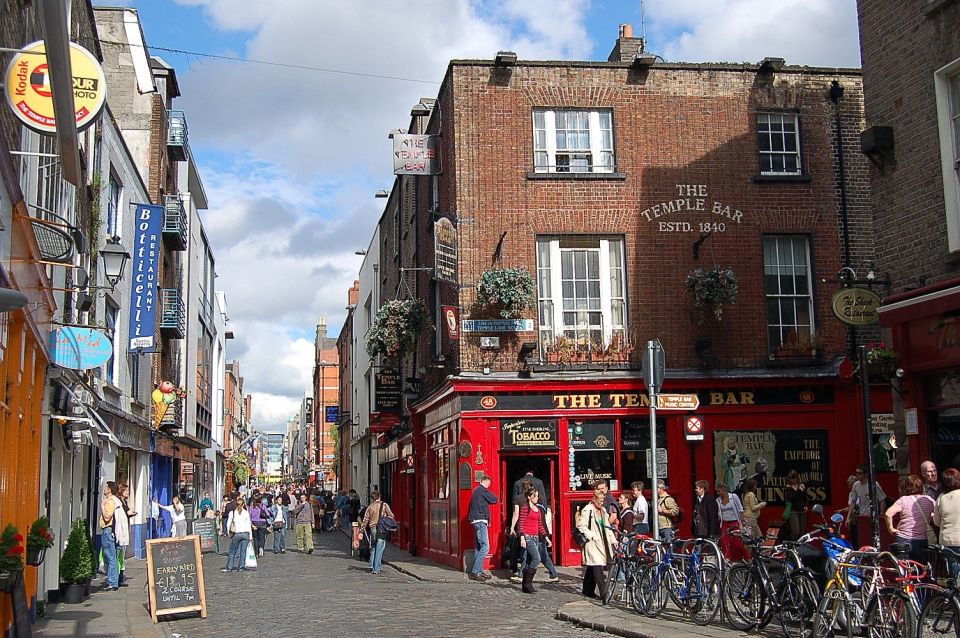
As you work your way toward O’Connell Street, you’ll pass Henry & Moore Streets and start aligning the walk with Dublin’s grandest address: the wide, iconic boulevard that acts like a spine for the city center.
This part matters if you want to plan the rest of your trip afterward. You’ll get a street-level sense of direction—what sits near what, and how to hop between areas without guesswork.
And because your guide is telling stories tied to specific buildings, you don’t just see the street—you understand why it’s where people keep meeting.
O’Connell Street and the General Post Office: the 1916 Rising story
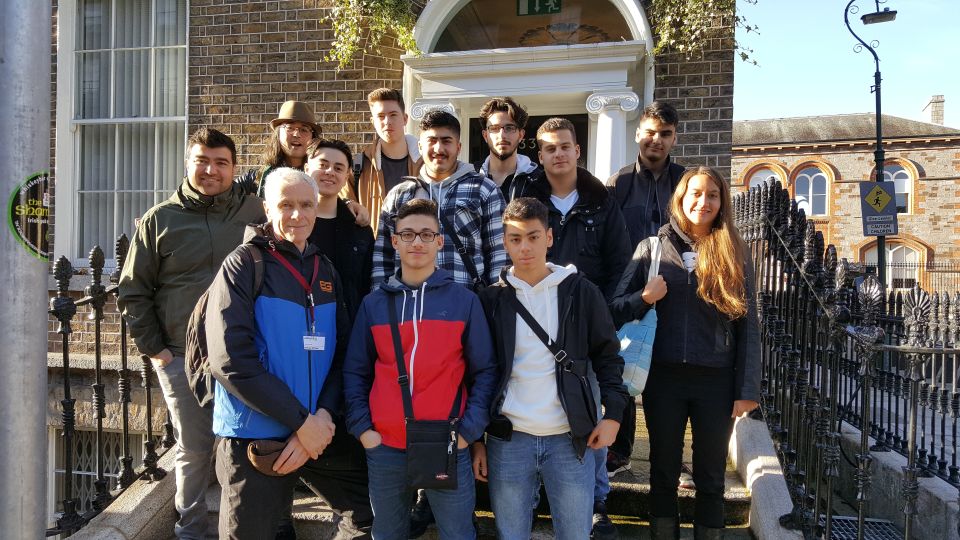
One of the strongest sections of the tour is the run along O’Connell Street with stops by major markers tied to Ireland’s push for independence.
You’ll pass the General Post Office, which housed the rebels of the 1916 Rising—including the fact that the building was destroyed and the surrounding street suffered heavy damage. This is where the tour becomes more than a sightseeing loop. It gives context for why some places look the way they do and why certain monuments feel charged.
Next, you’ll connect to O’Connell Monument, a key visual anchor that makes sense once you’ve heard what the guide ties it to. The monument works better when it’s part of a story, not just a landmark you walk past.
Your guide also points out smaller details—like a post-box representing Ireland’s transition to independence—the kind of thing you’d never notice on your own if you weren’t told where to look.
The former Parliament House (Bank of Ireland) and what power leaves behind
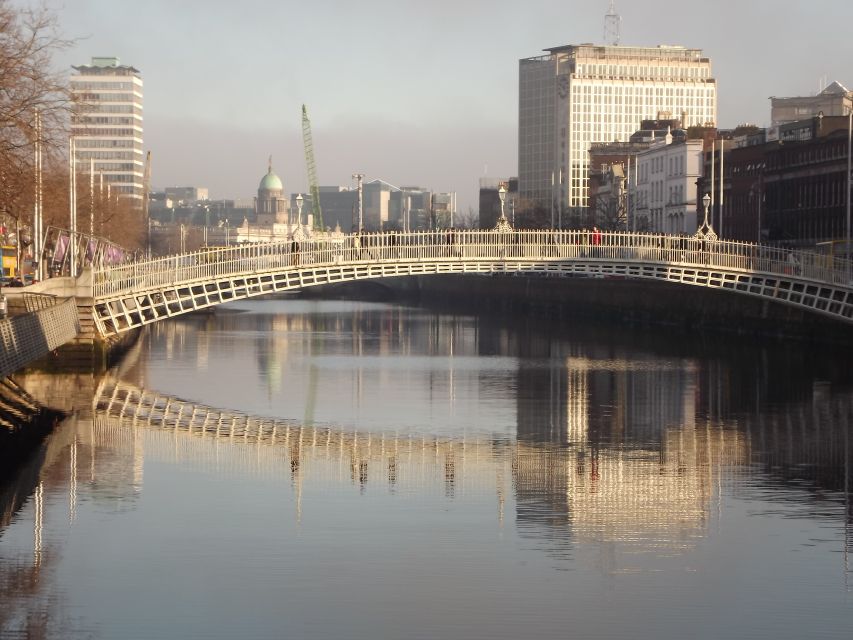
Near the later stages of the walk, you’ll see the former Parliament House, now the Bank of Ireland. This stop is about layers: government once sat here, and now finance does. Dublin’s history doesn’t disappear—it changes jobs.
External views work well for this kind of place because you can literally watch the street relationship: entrances, facades, and how the building faces the city. The guide helps you connect it to broader political shifts without turning it into a textbook.
This is also where some of the tour’s more unusual “look again” moments show up—things like amusing representations of art (including a reference to a da Vinci painting) and other oddities designed to get you paying attention.
Ending near Trinity College and the Book of Kells moment
You finish the story around Trinity College, and the route brings you close to its famed Book of Kells association. Importantly, all visits are external, so you’re not locked into interior entry as part of this specific tour format.
That said, the tour information also suggests you may have opportunities to do more after the walk. If Book of Kells is high on your list, this stop works as a preview that can help you decide what to book next.
Even if you’re not going inside, finishing with Trinity gives the whole outing a satisfying arc: you started in the medieval and political core, crossed the river, picked up street-level color, and ended at Dublin’s most famous academic landmark.
Group size, guide style, and why people keep recommending it
The tour is built around small group limits (maximum 16, often less), and that matters. With fewer people, you can actually hear the guide, and there’s room for questions without constant interruptions.
The guide also shapes the experience. In past runs, guides have included Joe Brennan, John O’Flynn, Jacob, Katie, and Dave, and what stands out across their styles is a mix of clear facts and lighter delivery. People often highlight that the walking pace felt just right and that the stories weren’t the same ones you’d get from a map and a brochure.
If you care about history that feels like it belongs to the streets, this tour format fits you.
Price and value: why $31 makes sense for a Dublin first day
For $31 per person and about 2.5 hours, you’re buying three things:
- A guide who connects landmarks to stories
- A planned route that covers major sights without you needing to figure it out
- Extra “stop and look” details that help you notice the city later on your own
If you’re comparing it to doing Dublin on your own with a phone app, the value is the guide’s ability to make connections: why certain streets and buildings matter, and what details are worth your attention. If you’re trying to see as much as possible on day one, this is a smart spend.
The one cost to factor in: the tour is external-only. If you want ticketed interior stops, you’ll need separate plans for those.
Best for who? (And who might want a different option)
This tour is a great fit if:
- You’re visiting Dublin for the first time and want a strong orientation fast
- You like history that includes street-level details and humor
- You want to cover major landmarks plus the side streets without getting lost
You might pick something else if:
- You want lots of inside-visits as part of one booking (this one stays outside)
- You strongly prefer a very slow, long-stop pace
Also, if you’re traveling with someone who needs mobility support, the tour notes wheelchair accessibility, which makes this easier to consider than many “quick walking” tours that aren’t designed for it.
Should you book this Dublin highlights and hidden corners walking tour?
Yes, if your goal is getting your bearings fast while still seeing Dublin’s character up close. The route is built to connect the big sights (Dublin Castle grounds, Christ Church area, O’Connell Street, the General Post Office, Trinity College) with the street-level surprises that make a city feel lived-in.
Book it especially if you like guides who keep things organized, answer questions, and add humor. The small group size is a big part of why this tour tends to feel good in real time.
If you want a tour that includes many indoor ticketed experiences, you’ll likely feel you’re using this as a first step, then booking specific interiors afterward.
FAQ
Where does the tour start?
It starts at the Tree of Gold Statue (Crann an Óir) at Central Plaza on Dame Street in Dublin 2, at the corner of Dame Street and Fownes Street Upper.
How long is the tour?
The tour runs for about 2.5 hours. Starting times vary, so you’ll want to check availability for the schedule.
Is the tour wheelchair accessible?
Yes, the tour is listed as wheelchair accessible.
Are there any interior visits included?
All visits are external. The tour information notes that opportunities for interior visits may be available after the tour.
What main landmarks will we see?
You’ll see Dublin Castle grounds and gardens, Christ Church Cathedral area, Trinity College (exterior), City Hall, O’Connell Street, the General Post Office, and the former Parliament House (now the Bank of Ireland), plus several street and neighborhood stops along the way.
Does the tour include Trinity College’s Book of Kells?
The tour ends outside Trinity College with its famed Book of Kells. Since visits are external, the experience is framed as an exterior stop rather than an included interior visit.
Can I get a refund if my plans change?
Yes—free cancellation is available up to 24 hours in advance for a full refund.