REVIEW · DUBLIN
Dublin: Jeanie Johnston Tall Ship Irish Famine History Tour
Book on GetYourGuide →Operated by Jeanie Johnston Famine Museum · Bookable on GetYourGuide
A famine story you can walk inside. This Jeanie Johnston Tall Ship tour in Dublin’s North Dock uses a real vessel to explain why so many Irish people fled during the famine years, and it does it in a way that feels physical: wind overhead, cramped spaces below, and stories you can picture. You’ll get a front-row view of the Docklands from the deck, plus a clear, guided walk through what life was like on a passenger ship built for long ocean crossings.
I especially like the tall-ship setting paired with hands-on history. Up top, you’ll see the masts and get the ship’s backstory, including how the original vessel’s role shifted from timber transport to carrying people. Down below, the tour turns emotional in a controlled way: you learn how up to 250 passengers lived in tight quarters, with only about a half an hour of fresh air each day, plus what they ate and what risks they faced.
One thing to consider before you go: this tour isn’t recommended for limited mobility and isn’t suitable for wheelchair users. If you have mobility concerns, you’ll want to think twice before choosing a ship-based, stair-and-walk experience.
Tall ship + famine history in one 50-minute loop
Docklands views from the upper deck, with photo-stop moments
Below-deck realism: cramped quarters, limited fresh air, and grim conditions
Real details on crossing costs, food, and how people passed time
Guides bring it to life with clarity and a serious-but-human tone
In This Review
- What You’re Really Getting from the Jeanie Johnston Tour
- Where to Meet the Ship at Custom House Quay
- Above Deck: Masts, Docklands Views, and the Tall-Ship Trade
- Below Deck: Life for Up to 250 Famine-Ship Passengers
- Guide Style: Why the Stories Land So Well
- Price and Value: Is $16 Worth It for 50 Minutes?
- Practical Tips to Make It Easier on Your Feet
- Who Should Book This Famine History Tour—and Who Might Skip It
- Should You Book the Dublin Jeanie Johnston Tour?
- FAQ
- How long is the Dublin Jeanie Johnston Tall Ship Irish Famine History Tour?
- Where do I meet for the tour?
- Does the tour end at the same place?
- What language is the tour guide?
- Is the tour accessible for wheelchair users?
- What should I bring?
- What is included in the ticket price?
- What isn’t included?
- Is there a photo opportunity during the tour?
- How is the tour structured onboard?
What You’re Really Getting from the Jeanie Johnston Tour
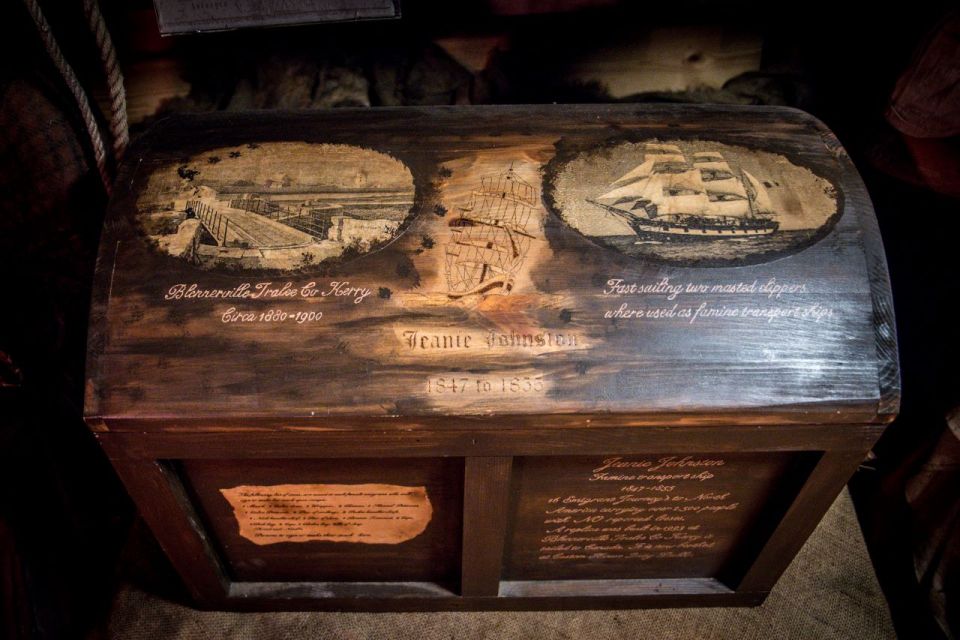
The Jeanie Johnston isn’t just a pretty ship you stroll past. This guided tour uses the vessel like a living classroom, moving you from the bright openness of the upper deck into the cramped, harsher world below. The theme is Ireland’s famine emigration story—why people left, what the voyage was like, and what happened after they arrived.
The stakes are high, so the tone matters. With a live English guide leading the whole thing, the experience stays structured: you’re not wandering through a display on your own. And with a strong overall rating of 4.8 from more than 400 reviews, the format clearly lands for lots of different groups—including families with kids who need help staying engaged.
Where to Meet the Ship at Custom House Quay
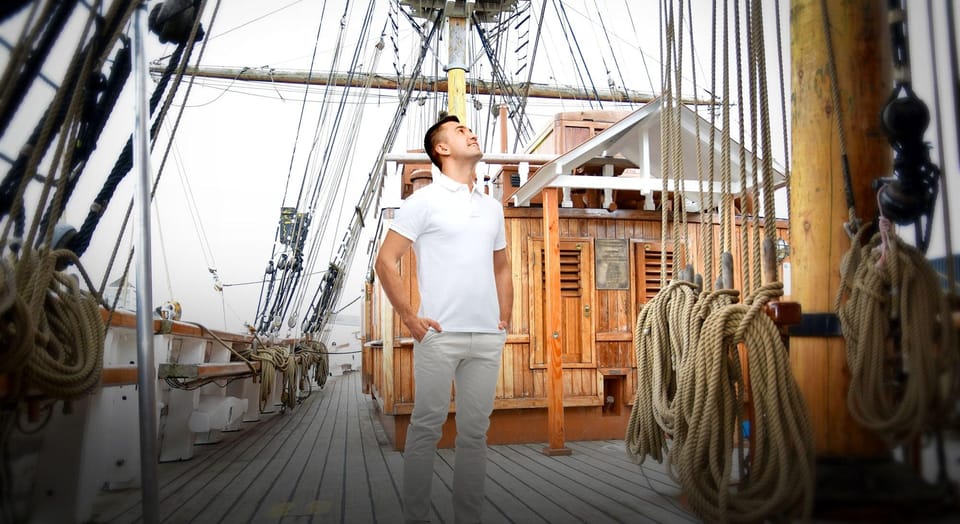
You’ll meet at Jeanie Johnston Tallship, City Moorings, Custom House Quay, Dublin 1, and the tour ends back at the same spot. That matters because you’re not stuck with a complicated route or a transfer. It’s a straightforward “show up, board, tour, back out” plan.
The tour runs about 50 minutes, and starting times vary, so you’ll want to check availability before you finalize your day in Dublin. Also, this is a walking-and-standing experience on a ship, so plan around the time you’ll need to get there and settle in—especially if you’re visiting during busy Docklands hours.
You can also read our reviews of more historical tours in Dublin



Above Deck: Masts, Docklands Views, and the Tall-Ship Trade
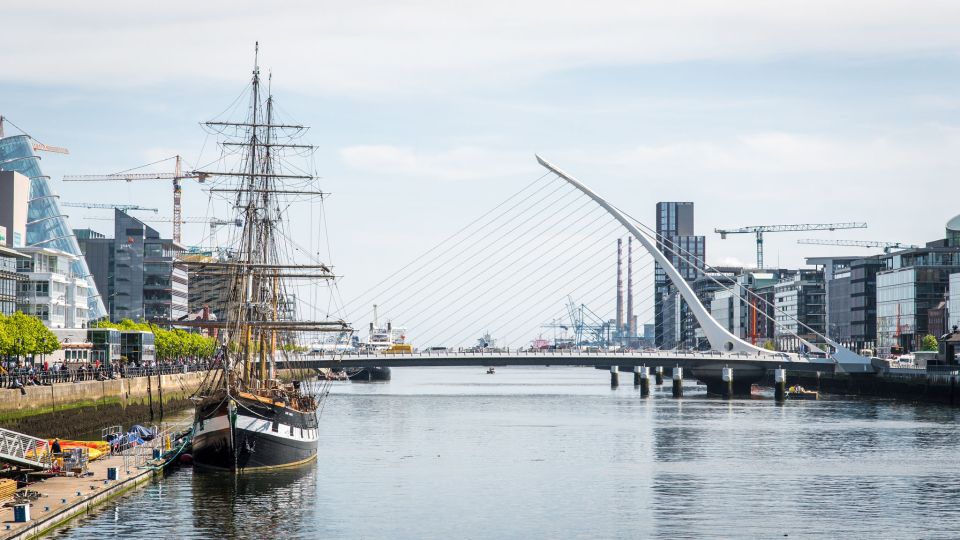
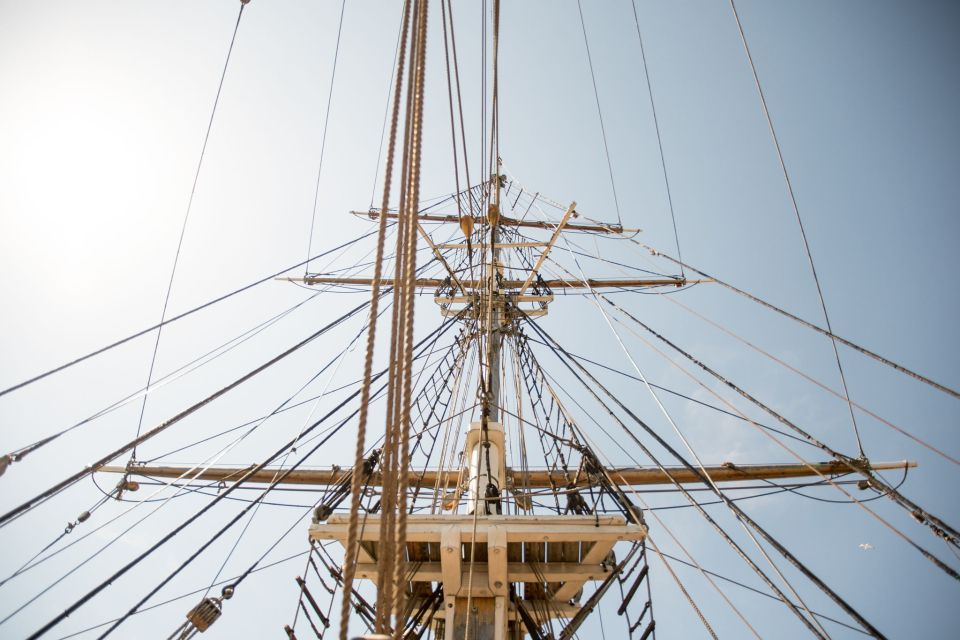
The tour begins above deck with a guided walk around the upper level. This is where you get your bearings fast—literally and emotionally. You’ll look up at the majestic masts and learn about the ship’s design and craftsmanship, which helps you understand how tall ships worked and why they mattered in the 19th century.
Then comes a big practical payoff: views of Dublin’s Docklands from a unique perspective. You’re up higher than you’d be on the sidewalk, so you notice the waterfront differently. The wind and salty air make the experience more than just storytelling. And yes, the tour includes a chance to grab a photo on one of the area’s most photographed attractions—so you’ll leave with an image that actually connects to the history you just heard.
You’ll also hear tall-ship context: the shipping trade in the 1800s and how vessels like this fit into wider patterns of movement and work. The guide will explain the original Jeanie Johnston and then the replica ship—how the replica was built and what it’s meant to help you visualize.
A quick note: if the weather turns breezy or damp (Dublin can do that), you’ll feel it up on deck. Comfortable layers and comfortable shoes help a lot because you’ll be moving through the ship’s outdoor spaces.
Below Deck: Life for Up to 250 Famine-Ship Passengers
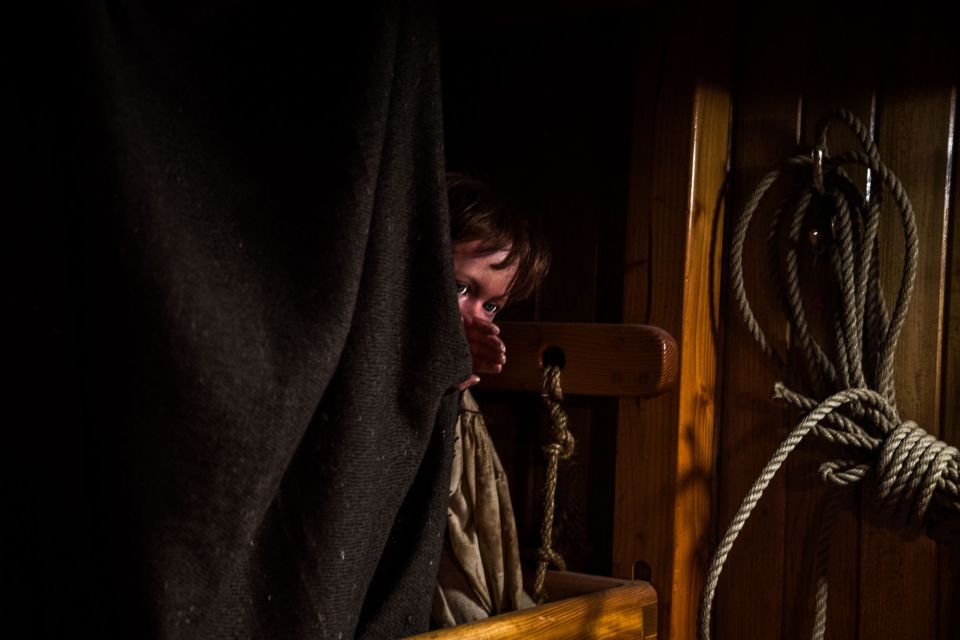
The emotional shift happens as you go below deck. This is the part that makes the history harder to forget, because you’re stepping into a setting designed to show what conditions felt like. The tour explains that up to 250 passengers spent most of their time in cramped living quarters, and they only emerged for about half an hour of fresh air each day.
The guide doesn’t leave you with generalities. You’ll meet passengers and crew through the tour’s interpretation, and you’ll hear personal stories tied to specific parts of the voyage. The tour also covers practical details that make the suffering feel real: how people paid for their crossing, what they ate on the long voyage, and how they passed the time while stuck in harsh conditions.
This is where you learn about the risks: disease, starvation, and disaster. The ship becomes a reminder that survival depended on more than luck—it depended on crowded sanitation, food availability, and the luck of the weather and the route. You also learn what fates awaited people at their destinations, which gives the journey an ending rather than leaving you in the middle.
One detail that sticks from guide-led stories: the tour interpretation includes the idea that nobody died on the 16 voyages to America. Whether you see that as surprising or simply one more reminder that history includes both tragedy and endurance, it’s the kind of fact that helps the story feel grounded instead of vague.
Guide Style: Why the Stories Land So Well
On this tour, the guide isn’t background noise. The guiding approach is a core part of the value. In the experiences shared, guides are praised for clear explanations and for balancing seriousness with human storytelling.
You’ll hear names like Steve, Claire, Owen, and Eoin (spelled a few ways in the reviews, but the point stays the same) connected to excellent narration and solid Q&A. The best guides here do two things:
- They keep facts organized so the famine story makes sense without a history degree.
- They adjust the tone so kids and adults can both follow along.
For example, several people highlight that Steve made the story relatable for families, including children ranging from primary age to the early teens. Others mention guides using a mix of humor and seriousness, which is important here. When you’re dealing with famine suffering, you want honesty without turning the tour into something heavy in an unfocused way.
Also worth noting: the tour encourages questions. You’re not just standing while someone talks. Guides answer and build on what you ask, which makes the 50 minutes feel more like a conversation than a lecture.
Price and Value: Is $16 Worth It for 50 Minutes?
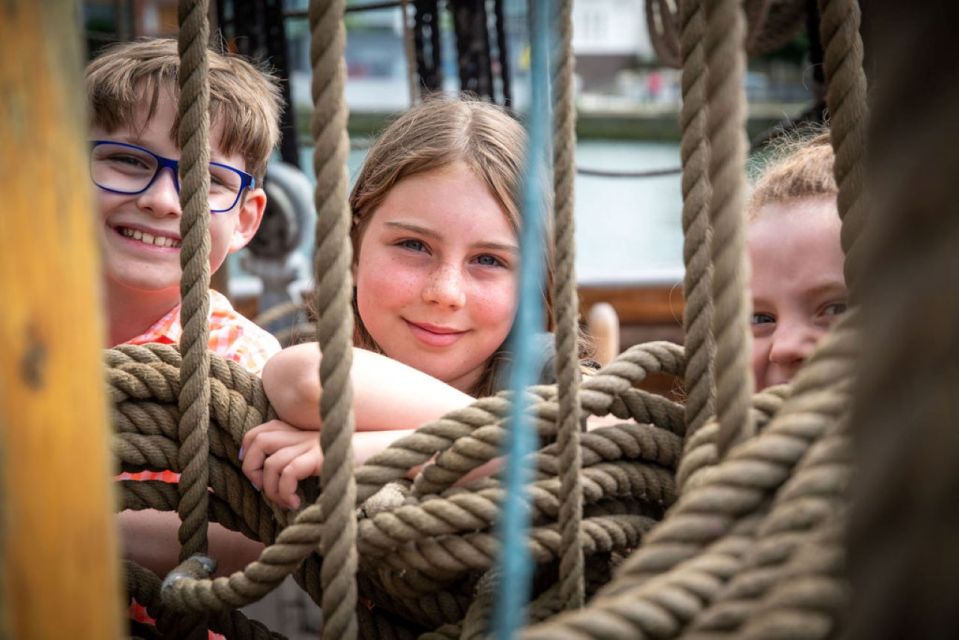
At $16 per person, this is priced like a short, focused experience rather than a full-day museum commitment. For that cost, you’re paying for three things that usually cost more separately: entry, a guided narrative, and the rare setting of a tall ship built for storytelling.
The value comes from how the time is used. You get:
- The above-deck ship overview and Docklands perspective
- The below-deck cramped-quarter experience tied to real passenger accounts
- Practical voyage details like payment for passage and what people ate
If you only have one hour and you want your Dublin day to include something deeply Irish and not just sightseeing, this is a strong trade. It’s also less time-intensive than a longer museum day, which can be a big deal if you’re juggling jet lag, kids, or a packed itinerary.



Practical Tips to Make It Easier on Your Feet
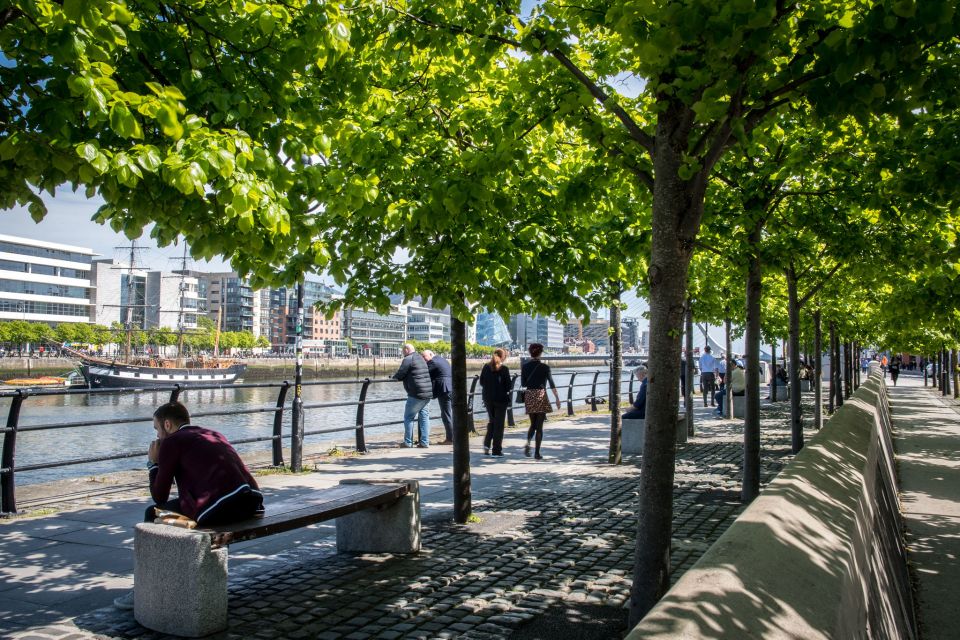
Keep it simple. This is a ship tour, which means you’ll be standing and walking on deck surfaces. Comfortable shoes are the main thing to bring, and it’s the kind of advice that matters because you’ll feel every step after a while.
If you’re planning the rest of your day, build in extra time for getting to Custom House Quay. The tour starts at a specific meeting point, and the end point is the same place. So you can plan nearby lunch or a Docklands stroll after, but don’t treat the 50 minutes as a perfect fit for anything requiring a strict schedule.
Also, the tour is listed as English-language with a live guide. If English is a challenge for you, this is worth considering ahead of time, because the experience depends on listening closely to how the stories are explained.
Who Should Book This Famine History Tour—and Who Might Skip It
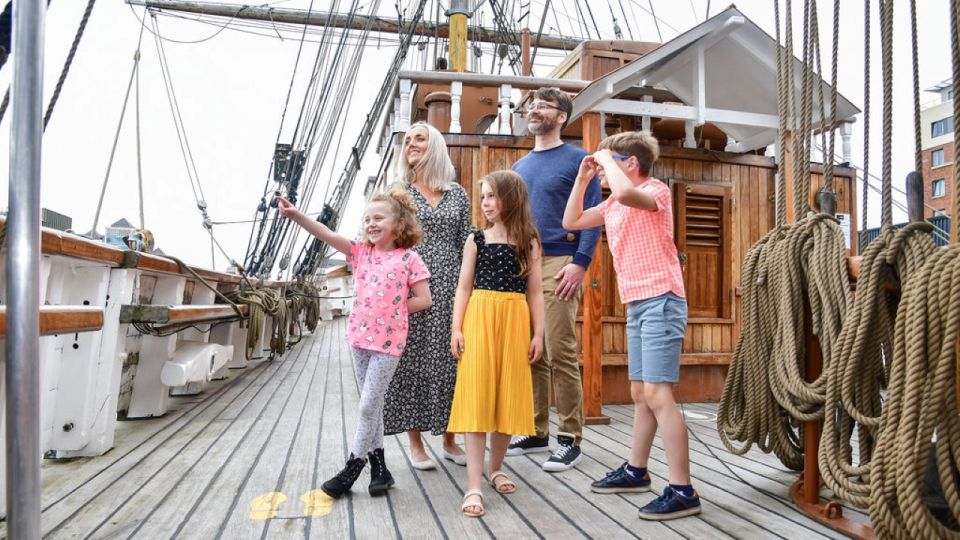
This tour is a good fit if you want:
- A guided history experience that uses the real ship setting
- A clear, story-driven explanation of famine emigration
- A compact format that doesn’t eat your entire day
- An experience that works even with younger visitors, thanks to guides who keep the tone accessible
You might skip it if:
- You have mobility limitations that make ship access difficult. The tour isn’t recommended for limited mobility and isn’t suitable for wheelchair users.
- You want something purely light and casual. This is famine history, and the below-deck section is designed to show grim conditions.
If you’re balancing Dublin sightseeing with at least one “serious but human” stop, this hits the sweet spot.
Should You Book the Dublin Jeanie Johnston Tour?
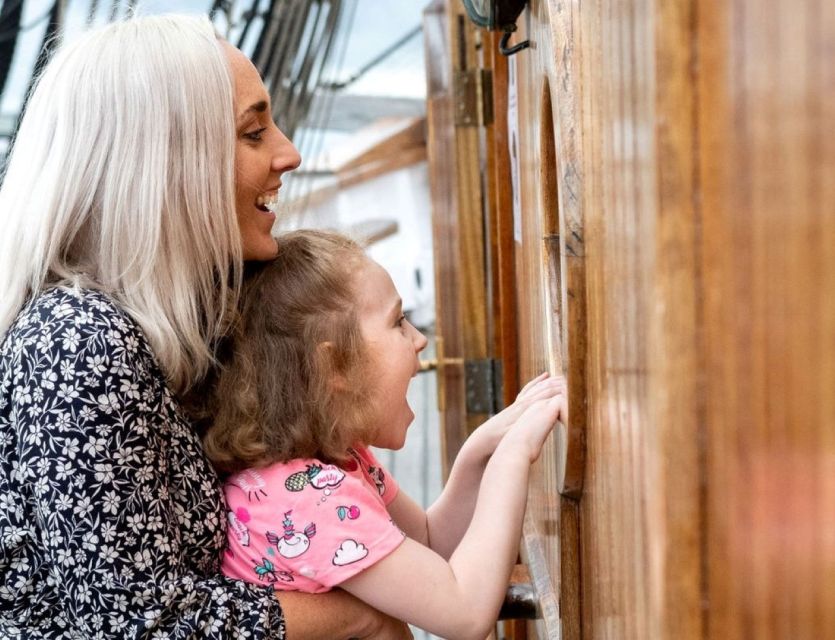
I’d book it if you want your time in Dublin to include more than streets and monuments. The Jeanie Johnston experience gives you a physical sense of the voyage and then supports it with guided storytelling that’s organized, specific, and emotionally honest. At $16 for about 50 minutes, it’s also one of the more affordable ways to make Irish history feel personal.
Just be sure you’re comfortable with the ship format and the heavy topic. If mobility is an issue, pick something else. If you can handle cramped spaces and you’re ready for a strong emigration story, this is one of the most compelling history stops in the Docklands area.
FAQ
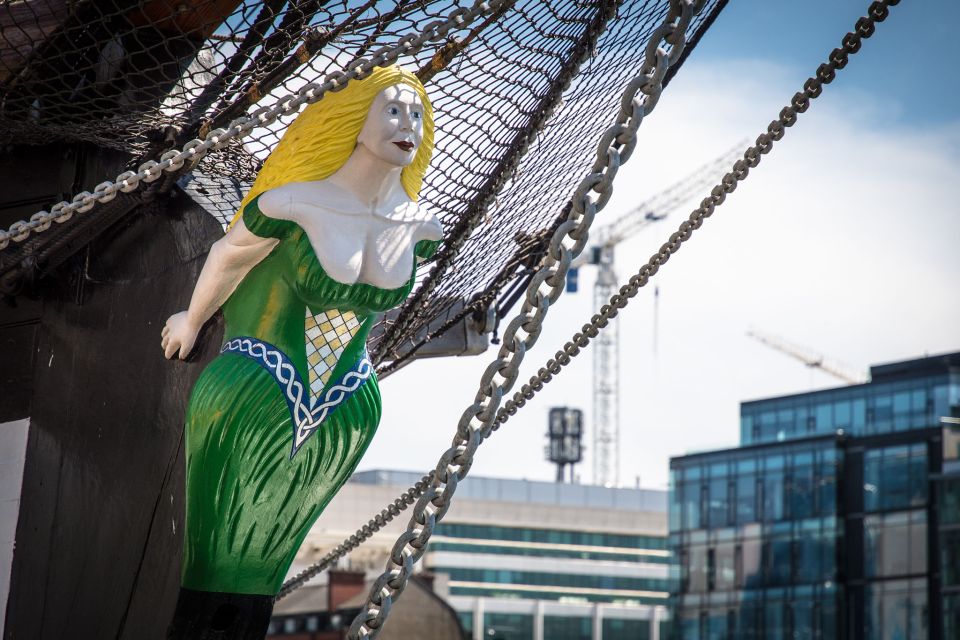
How long is the Dublin Jeanie Johnston Tall Ship Irish Famine History Tour?
The tour duration is about 50 minutes, and starting times vary based on availability.
Where do I meet for the tour?
Meet at Jeanie Johnston Tallship, City Moorings, Custom House Quay, Dublin 1.
Does the tour end at the same place?
Yes. The activity ends back at the meeting point.
What language is the tour guide?
The live tour guide provides the tour in English.
Is the tour accessible for wheelchair users?
No. It is not suitable for wheelchair users and is not recommended for people with limited mobility.
What should I bring?
Wear comfortable shoes.
What is included in the ticket price?
Your ticket includes entrance and access to the guided tour of the Jeanie Johnston Tallship.
What isn’t included?
The tour does not include hotel pickup and drop-off.
Is there a photo opportunity during the tour?
Yes. You’ll get a snap of yourself on one of the area’s most photographed attractions as part of the experience.
How is the tour structured onboard?
You’ll start above deck with an overview of the ship and Docklands views, then go below deck to learn about life on board during the famine voyage, including cramped living quarters, what people ate, and the risks they faced.