REVIEW · DUBLIN
Dublin: Mythology, Folklore and Legends Walking Tour
Book on GetYourGuide →Operated by Original Dublin · Bookable on GetYourGuide
Mythology makes Dublin feel personal fast. This walking tour takes you from Temple Bar to O’Connell Street with a live folklore guide, weaving Celtic beliefs and local legends into the streets you already see. You’ll hear about mythical creatures and characters tied to Irish identity, not just dates and plaques.
Two things I really liked: the storytelling style and the smart route. Guides such as Helena, Lee, Emily, and Dave get praised for humor and keeping the group moving at a comfortable pace, with breaks that make it work even when your feet are tired. I also like that it adds a darker, lesser-walked Dublin layer—Georgian Quarter goings-on and the Abbey Theatre’s tragedy—so you get more than the usual postcard route.
One consideration: it’s still a city walk. Even though the timing includes longer stop points, you’re on pavement for about two hours, so wear shoes you trust and bring an extra layer for Dublin weather.
In This Review
- Key Things to Know Before You Go
- Why Irish Myths Work So Well on Real Dublin Streets
- Price and Value: What You Get for About $27
- Where to Meet (and How to Spot Your Guide)
- Temple Bar Origins: Celtic Beliefs, Fairies, and Legendary Beginnings
- The Banshee, Púca, and Leprechaun: What These Creatures Mean
- Getting Off the Usual Route: The Georgian Quarter’s Darker Side
- The Abbey Theatre Tragedy: Why Storytelling Becomes Culture
- O’Connell Street Finale: Gaelic Revival and Contemporary Street Life
- How the Guides Make or Break This Kind of Tour
- Is It Too Much Walking? Pace, Stops, and Comfort
- Who This Tour Is Best For (and Who Might Skip It)
- Should You Book the Dublin Mythology Walking Tour?
- FAQ
- Where does the tour start, and how do I find it?
- How long is the Dublin mythology tour?
- What does the tour cost, and what’s included?
- Is the tour wheelchair accessible?
- Is the guide live, and what language do they speak?
- What myths or creatures will I learn about?
- What is the cancellation policy?
Key Things to Know Before You Go
- Temple Bar’s myths start the story with Celtic origins and folk beliefs
- Banshees and púca are explained in plain language, with where they fit in Irish life
- Georgian Quarter detours bring rebellions, grave robbing, and revolutions into the route
- Abbey Theatre context connects myth and memory to real Irish culture
- O’Connell Street finale shifts from legends to the revival of the Gaelic language
- A guide-led, English-language experience with a comfortable walking rhythm
Why Irish Myths Work So Well on Real Dublin Streets
This tour works because Irish folklore isn’t treated like a museum exhibit. You’re shown how belief in fairies and mythical creatures shaped people’s sense of home, fear, luck, and identity—then you walk past the places where those stories took on meaning.
I also like the way the tour frames legends as something people used to help them explain the world. That’s why characters like the banshee and púca feel less like random fantasy names and more like part of the cultural background you’ll keep noticing once you know what to listen for.
And yes, it’s fun. Multiple guides are specifically praised for charm and humor, so the stories don’t sit stiff in your brain. They land as something you can picture on a street corner.
You can also read our reviews of more walking tours in Dublin

Price and Value: What You Get for About $27
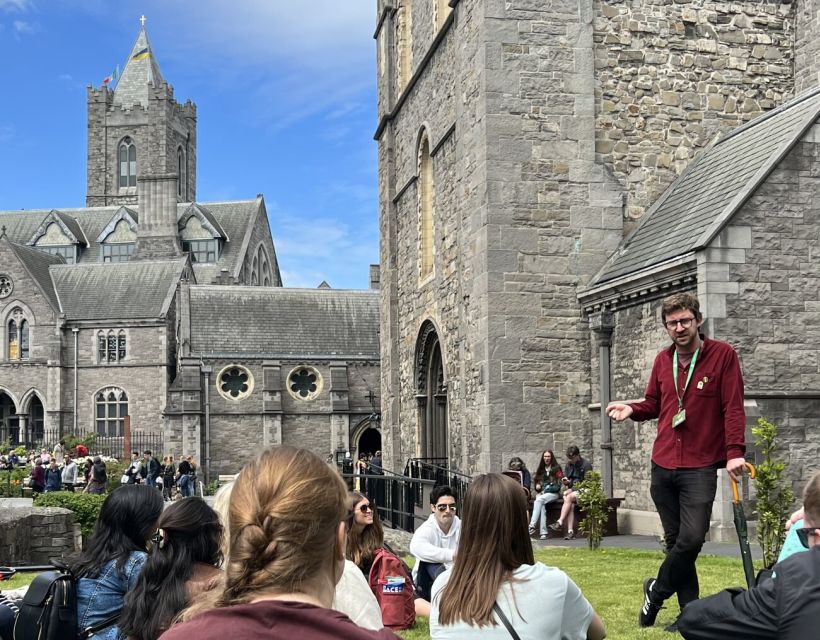
At $27 per person for a roughly 2-hour walking tour with a guide, this is the kind of deal that usually wins if you want more than a quick photo run. You’re paying for interpretation—someone translating Irish mythology, folklore, and cultural references into something you can use while sightseeing.
What’s included is straightforward: a guide and the walking tour itself. No extras are required to enjoy it, which matters if you’re trying to keep travel days lean and affordable.
You also get a clear structure: start at Temple Bar, move through quieter corners and the Georgian Quarter, then end on O’Connell Street. For a single afternoon chunk, that’s good value because it strings multiple “sight types” together—myth, darker history, theatre, and language revival—without turning the whole day into a logistics headache.
Where to Meet (and How to Spot Your Guide)
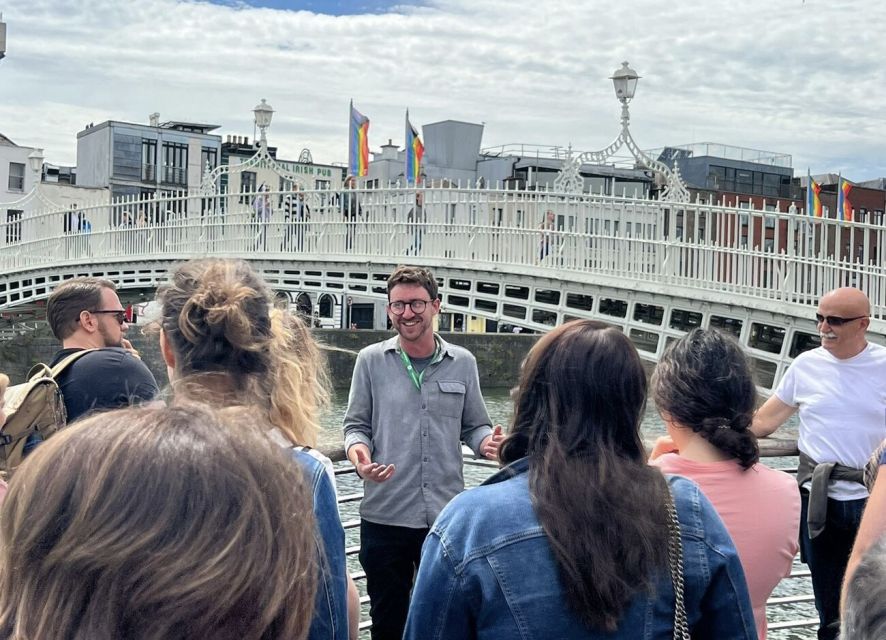
Meet outside The Old Storehouse pub, looking for the green umbrella. That small detail is a big help, especially in a crowded area like Temple Bar where it’s easy to miss your group.
Because the tour duration is fixed (about 2 hours) and start times can vary, I suggest arriving a few minutes early. Dublin streets can be busy, and you’ll want time to find your starting point and settle before the first story begins.
You’re not dealing with hotel pickup, so plan to get yourself there on your own. If you’re already walking around the Temple Bar zone, it’s an easy add-on.
Temple Bar Origins: Celtic Beliefs, Fairies, and Legendary Beginnings
The tour kicks off in Temple Bar, and the start matters. Instead of treating the area like just bars and nightlife, you’re guided toward its mythical origins and the old traditions behind Celtic culture.
From there, the guide builds the “story engine” for the rest of the walk. You learn about fairies in Irish folklore and you’re introduced to legendary creatures and figures—so when those names pop up again later in Dublin or in books and pub talk, you’ll know how to place them.
This is also where I’d say the tour is at its best for first-time visitors. Temple Bar is a familiar destination, but the tour shows another angle: one connected to belief systems and identity rather than crowds and nightlife.
The Banshee, Púca, and Leprechaun: What These Creatures Mean
A big selling point here is that you don’t just hear creature names. You learn how mythical beings fit into Irish folklore and how those stories influenced how people thought and talked.
The tour highlights figures such as the banshee and the púca (plus mentions of the leprechaun and fairies). Even if you’ve heard these names before, you’ll likely pick up more grounded context—what people associate them with and why they show up in the cultural imagination.
What I like about this approach: it gives you a mental toolkit for interpreting Ireland. When you understand the emotional job a myth performed—warning, explanation, superstition, social memory—you stop treating folklore as random trivia.
And since the guides are repeatedly praised for storytelling talent, you can expect this portion to feel like a narrative rather than a list of definitions. That’s the difference between knowing a name and actually remembering the character.






Getting Off the Usual Route: The Georgian Quarter’s Darker Side
One of the most practical reasons to take this tour is that it routes you beyond the usual “must-see” loop. The guide takes you into parts of Dublin that typically don’t show up on the same classic highlights checklist.
A key section focuses on the Georgian Quarter and its macabre side: rebellions, grave robbing, and revolutions. This is the point where you’ll feel the city’s past as something complicated—less postcard, more human tension.
There’s a clever balance here. The tour doesn’t abandon folklore; it places it alongside real historical pressures. You start to see why storytelling matters when times get hard: it helps people make sense of uncertainty, death, politics, and change.
Also, multiple reviews mention stop points that help you keep a comfortable pace. So even though it’s “off the beaten track,” it’s not presented as an endurance exercise. You get the walking, but you also get time to listen and absorb.
The Abbey Theatre Tragedy: Why Storytelling Becomes Culture
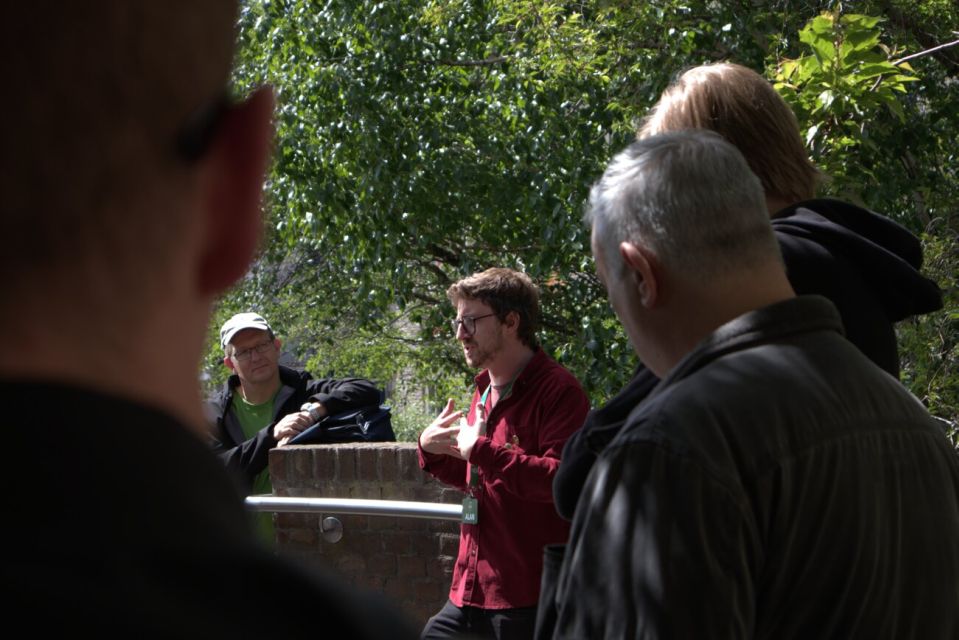
The tour includes the tragic history of the Abbey Theatre, and that’s a thoughtful pivot. You’re moving from mythical creatures and street-level belief into theatre as a cultural force—where stories shaped Irish identity in a different, very public way.
I like that the guide ties themes together. Folklore is storytelling too, just with different tools and audiences. By the time you reach the Abbey Theatre moment, you’re primed to think about stories as memory you can visit.
This part is especially good if you’re curious how Ireland’s national identity formed through art, language, and public conversation. It also makes the tour feel more grounded without stripping away the mythical layer.
O’Connell Street Finale: Gaelic Revival and Contemporary Street Life
The last stretch ends on O’Connell Street, and the tone shifts. Instead of ending on another “legend stop,” the tour introduces the revival of the Gaelic language and culture in Ireland, then points you toward the living, contemporary side of Dublin.
That ending matters because it answers a question many visitors have: if folklore is old, where is it now? The tour nudges you to see that stories don’t just stay in the past. They reappear in new forms—language projects, cultural pride, and everyday city characters.
You’ll also get a sense of how the guide thinks about Dublin as a whole system: myth plus modern life, old belief plus current identity. It’s a useful way to walk away with more than memories. You leave with a lens you can use for the rest of your trip.
How the Guides Make or Break This Kind of Tour
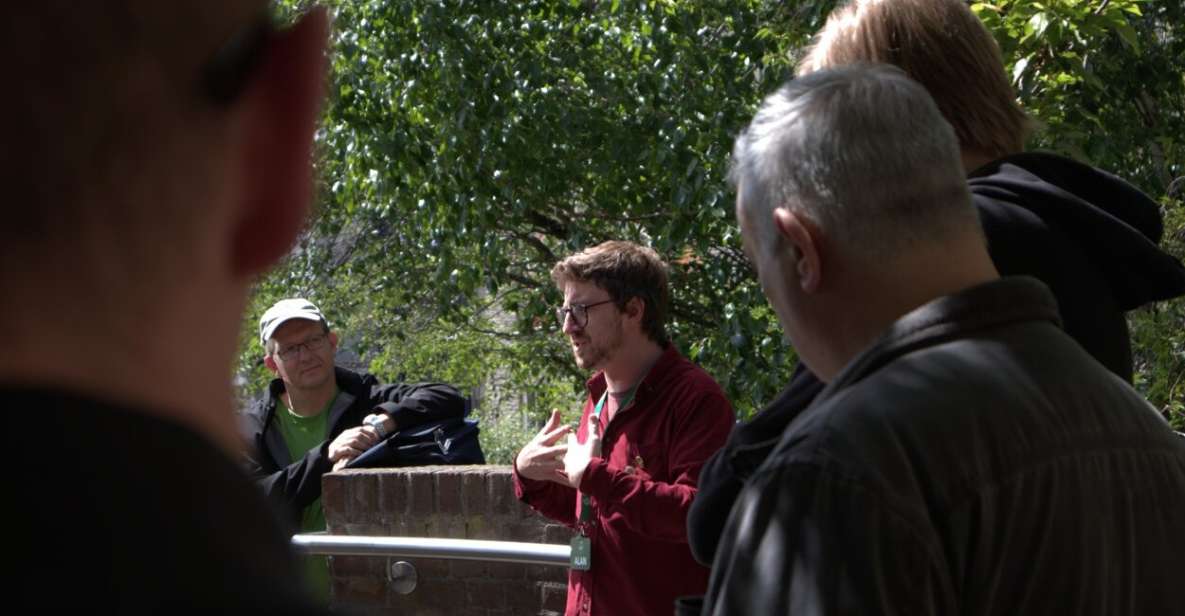
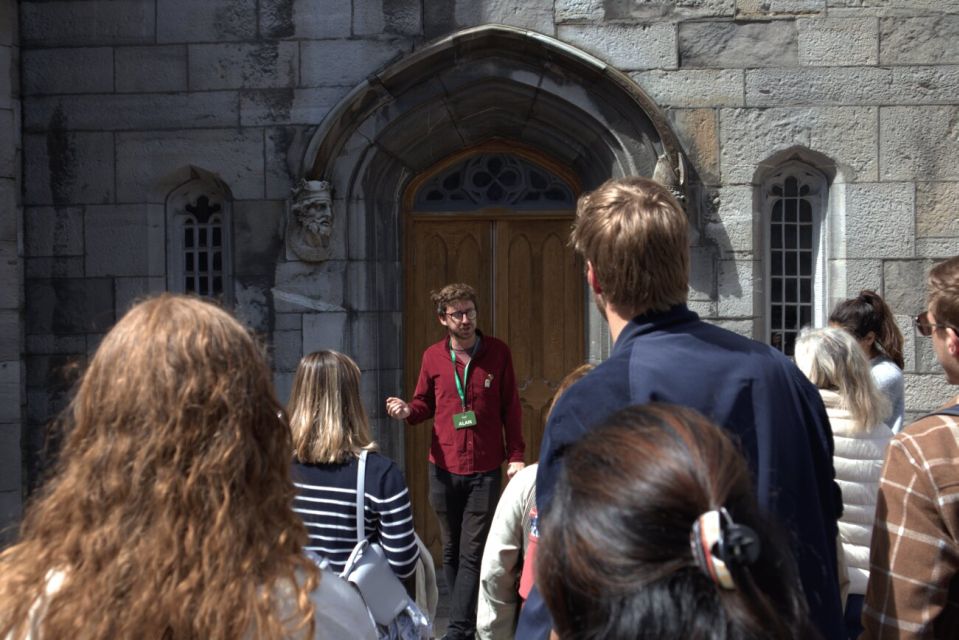
This tour lives and dies on narration, and the guide reviews are loud about it. Guides such as Helena, Lee, Emily, and Dave are consistently described as engaging, funny, and able to keep people interested through multiple stops.
That’s not fluff. For a mythology-and-folklore topic, good pacing and humor are essential. If the guide goes too academic, the stories stop feeling alive. If the guide oversimplifies too much, you miss the cultural meaning.
What you’re aiming for is a mix: story clarity plus real Dublin flavor. The best thing about the praised guide style is that it turns a walking tour into something like a moving campfire—one where the streets around you become props.
Is It Too Much Walking? Pace, Stops, and Comfort
It’s a 2-hour walking tour, so you should expect city walking. Still, the tour is described as having several longer stop points, which helps the pace feel manageable rather than frantic.
If you have foot fatigue from other sightseeing, this matters. You’re not stuck doing nonstop movement for two hours. You get the time to stand comfortably, listen, and then move again when it suits the story.
Practical move: wear comfortable shoes and bring a light layer. Dublin weather can change, and guides often keep the group energized even when rain shows up.
Who This Tour Is Best For (and Who Might Skip It)
Book this tour if you want Dublin explained through stories—mythology, folklore, and cultural identity. It’s ideal for first-time visitors who already plan to see Temple Bar and O’Connell Street but want to know what’s behind the names and images.
It’s also a strong match for people who like character-driven history: banshee talk, púca legends, and the darker Georgian-era threads. And if you’re traveling with kids or anyone who needs frequent breaks, the stop-heavy rhythm can work well.
Skip it if you want only standard landmarks with minimal interpretation. This isn’t just a route. It’s a storytelling experience where the point is meaning, not just sights.
Should You Book the Dublin Mythology Walking Tour?
If you’re choosing between another “generic highlights” walk and something more personal, I’d lean toward this one. For about $27 and 2 hours, you get a guide-led story path that adds myth to real places and history you can connect to the city you’re standing in.
Book it if you like folklore and want a viewpoint you can carry to the rest of your Dublin days—when you pass Temple Bar again, when you see theatre posters, or when Gaelic cultural references pop up around town.
I’d reconsider only if walking time is a major problem for you or if you’re not interested in mythical creatures and folklore as part of Dublin’s cultural identity. For everyone else, this tour is a smart, story-first way to see a different side of the city.
FAQ
Where does the tour start, and how do I find it?
You meet outside The Old Storehouse pub and should look for the green umbrella.
How long is the Dublin mythology tour?
The tour runs for about 2 hours (you can check availability to see starting times).
What does the tour cost, and what’s included?
It costs $27 per person. What’s included is the guide and the walking tour.
Is the tour wheelchair accessible?
Yes, the tour is wheelchair accessible.
Is the guide live, and what language do they speak?
Yes, it’s a live tour with an English-speaking guide.
What myths or creatures will I learn about?
You’ll learn about Irish folklore characters and creatures such as fairies, the banshee, and the púca (the tour also mentions the leprechaun).
What is the cancellation policy?
You can cancel up to 24 hours in advance for a full refund.