REVIEW · DUBLIN
Dublin: North Quay Guided Ghost Walk
Book on GetYourGuide →Operated by Hidden Dublin Walks · Bookable on GetYourGuide
Dublin haunts the living, especially at night. This North Quay–area ghost walk threads real Dublin street corners into a guided set of spooky tales, from medieval ruins to notorious legends. I love how it uses specific places (not vague spooky talk) so you can picture what the stories are tied to.
I also like the guide-driven vibe. You’ll learn as you walk, with expert storytelling in English that stays both spooky and informative, and guides such as Kate and Darragh are known for solid answers and good humor.
One thing to consider: if you want a big theatrical show with special effects and jump-scare energy, this is more of a history-leaning ghost walk. The mood is creepy, but it’s not built to be extreme.
In This Review
- Key things that make this Dublin ghost walk worth your time
- Where you start on Mary Street (and why that matters)
- Saint Mary’s Abbey: medieval power, now a small ruin in plain sight
- Hendrick Street’s haunted houses between 7 and 8
- Oxmantown and Viking echoes: the northside backstory you didn’t know you needed
- Croppie’s Acre: where 1798 executions turn into a haunting story
- Scaldbrother the thief: crime lore with medieval grit
- Saint Michan’s Church mummies and the Bram Stoker connection
- The 21st-century Virgin Mary apparition site: when haunting isn’t medieval
- What the guide quality is really doing for you
- Price: is $28 a good deal for a Dublin ghost walk?
- Who should book this tour (and who should skip it)
- FAQ
- FAQ
- How long is the Dublin North Quay Guided Ghost Walk?
- How much does it cost?
- Where do I meet the guide?
- What time does it start?
- Is there a live guide, and what language is it in?
- What stops will we see during the walk?
- Will the tour be scary?
- Is free cancellation available?
- Can I reserve without paying right away?
- Should you book the North Quay Guided Ghost Walk?
Key things that make this Dublin ghost walk worth your time

- Saint Mary’s Abbey ruin hidden in an alley, right where commuters pass without a pause
- Hendrick Street haunted houses between numbers 7 and 8, linked to multiple ghosts
- Croppie’s Acre and the grim 1798 mass grave story for executed rebels
- Oxmantown and former Viking enclaves for medieval and early Dublin context
- Scaldbrother the medieval thief bringing Northside crime lore to life
- Saint Michan’s Church mummies with a literary link to Bram Stoker’s Dracula
Where you start on Mary Street (and why that matters)

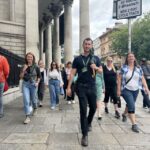
This tour meets outside The Church Bar and Restaurant on Mary Street, then heads out through Dublin’s north side and comes back to the same spot. That round-trip setup is handy. You get a clear starting landmark in a real neighborhood, and afterward you’re already positioned to grab a late drink or continue exploring nearby.
The walk itself is short enough to stay energetic: the stated duration is 1.5 hours, and the overall description talks about a 2-hour ghost walk. Either way, you’re looking at a brisk pace. Wear shoes you can stand in for a while. Even if the stories feel dramatic, the practical part is simple: you’re moving most of the time.
If you’re the type who likes to connect places to stories, this route style works well. You’re not jumping across the city to hit random tourist targets. You’re building a mental map of one district—so the spooky bits land harder.
You can also read our reviews of more walking tours in Dublin


Saint Mary’s Abbey: medieval power, now a small ruin in plain sight
One of the most striking stops is Saint Mary’s Abbey—once described as one of the most powerful Irish monastic settlements, now reduced to a small ruin down an alleyway. The clever trick here is contrast. You’re looking at something once huge and influential, yet today it’s something people slip past without really noticing.
That’s where the “ghost walk” framing turns into something better: it becomes a lesson in how history hides in daily life. You’ll walk into the mindset of medieval Dublin—then out again into the modern city, where the past is still there but easy to ignore.
If you like your spooky stories grounded in place, this is a great moment to lean in. The alley location also adds to the mood. Narrow streets and dead-quiet edges of town always feel more intense when you’re listening to a guide talk through what happened there.
Hendrick Street’s haunted houses between 7 and 8
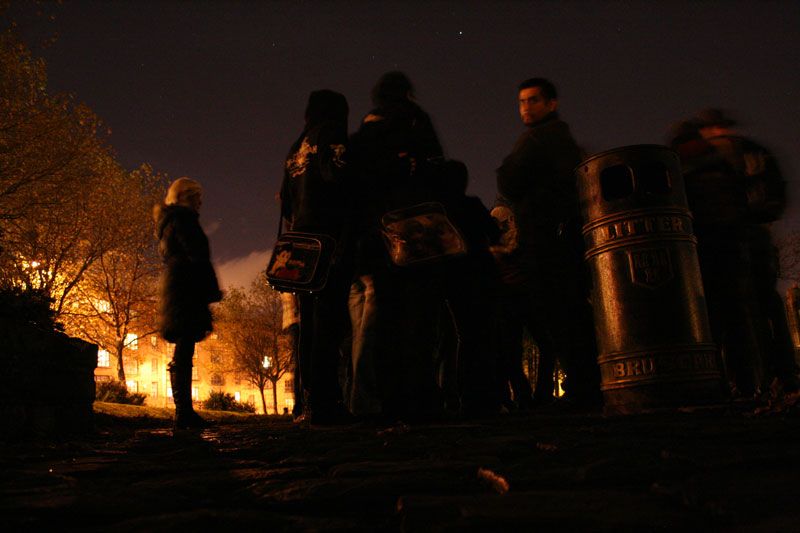
Next comes Hendrick Street, once the site of two of Dublin’s most haunted houses. The details given are delightfully specific: between number 7 and 8, there were said to be no fewer than 6 different ghosts.
I like this part of the walk because it turns legend into orientation. You start recognizing the street as something with layers—not just a place to shop, walk, or pass by on your way to somewhere else. The guide’s job here is to make the stories feel connected to the building area you’re actually looking at.
Also, it’s a good pace-break. You’ve been listening to monastic history and broad context; now you get sharper, character-driven tales. That mix—big background followed by “who did what where”—is often what separates a good ghost walk from a gimmick.
If you’re a skeptic, you’ll still probably enjoy it. You may not buy the ghosts, but you can still appreciate the way people keep repeating and reshaping these stories to make sense of the past.
Oxmantown and Viking echoes: the northside backstory you didn’t know you needed
Not all the spook comes from one scary tale. A lot of the power here is in the Northside Dublin history that gives the ghost lore a stronger base.
You’ll explore Oxmantown, tied to medieval Dublin, plus the idea of former Viking enclaves in the area. That matters because it helps you understand why this part of Dublin feels like it has old roots. Ghost stories stick around better when you can see how the town grew, traded, fought, and changed hands.
If you’ve only seen central Dublin attractions, this is the value: you get a different Dublin map. Even if you’re visiting for the first time, the walk nudges you off the usual track and into a district that feels lived-in, not theme-parked.
Croppie’s Acre: where 1798 executions turn into a haunting story
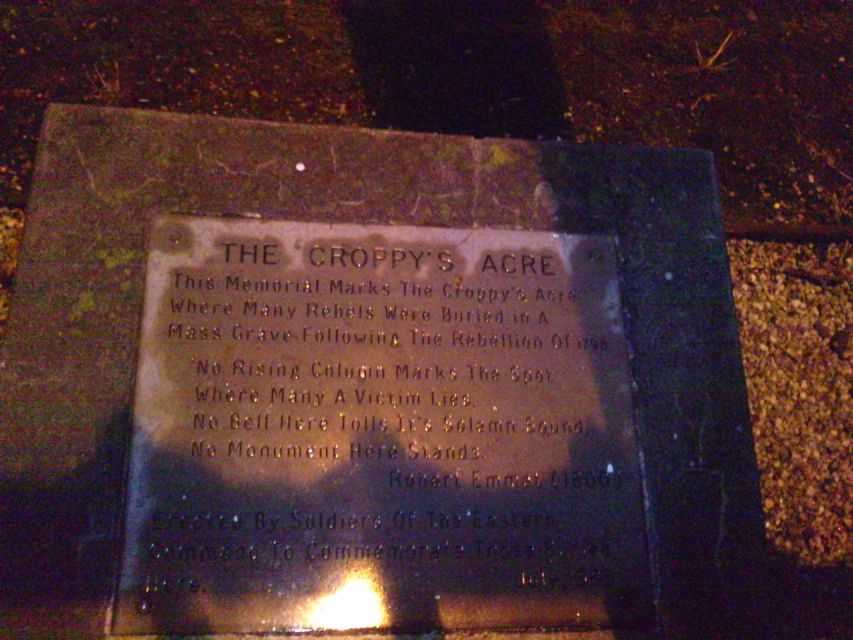
This is the stop that gives the walk its sharper edge: Croppie’s Acre, a long-abandoned site that was used as a football pitch in the 20th century, but underneath is a mass grave—the final resting place of hundreds of rebels executed in the 1798 rebellion.
I like how this is handled as more than spooky atmosphere. It’s not just “boo, bones.” It’s a reminder that some “haunting” is really about memory, trauma, and unfinished national stories. When you hear a guide connect a modern use of land (a pitch) to a buried past (executions), the whole district takes on weight.
If you’re doing this with friends, it’s also a moment that tends to spark conversation afterward. People want to ask questions—about the rebellion, about who those rebels were, and how a city remembers—or chooses to forget—hard history.
You can also read our reviews of more guided tours in Dublin






Scaldbrother the thief: crime lore with medieval grit
Dublin’s ghost stories often come with personalities, and here you’ll hear about Scaldbrother, an infamous medieval thief. This is where the walk can feel almost like historical storytelling theater—without turning into corny theatrics.
I like this kind of stop because it makes the old city feel functional and human. Empires and abbeys are interesting, but thieves and street-level characters explain what daily life might have felt like. They also give the guide a chance to weave together legal trouble, urban survival, and how legends form when facts are incomplete.
You don’t need to be a medieval-history buff to enjoy it. If you like crime stories, this part gives you a different flavor of Dublin’s past—one that feels closer to the street.
Saint Michan’s Church mummies and the Bram Stoker connection
Then there’s Saint Michan’s Church, famous for its mummies—often described as the most macabre tourist attraction in Ireland. The walk ties this stop to a literary spark: it’s described as a major inspiration to Bram Stoker, author of Dracula, who was native to Clontarf.
This is a smart pairing. You get the real-world oddity (the mummies) plus a reason it matters culturally. It’s not just grim for grim’s sake; it’s part of how Dublin feeds imagination.
If you’re into gothic literature, this is a moment that can shift your entire understanding of where Dracula’s mood might have come from. Even if you don’t read horror, it’s still a fascinating example of how local places shape global art.
The 21st-century Virgin Mary apparition site: when haunting isn’t medieval
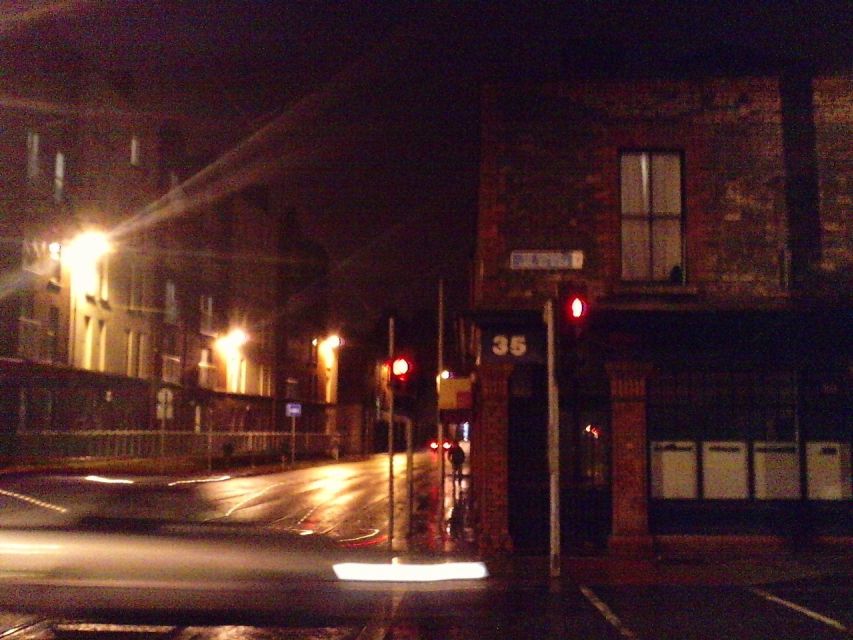
One of the most unusual highlights is a stop connected to the 21st-century apparition of the Virgin Mary. This is what prevents the tour from feeling like a one-note medieval playlist.
You’re shown how haunting stories don’t just live in old ruins. Belief, fear, and meaning can show up in modern times too. For a lot of people, that makes the walk feel more relevant. You’re not only learning what the past was like; you’re seeing how people keep reacting to mystery in the present.
I found this balancing act important. The tour can be spooky without being trapped in one era. That mix is also great if you’re traveling with someone who wants some scares, but also wants stories with context.
What the guide quality is really doing for you
This tour lives or dies on storytelling. The best part is not the topic. It’s how the guide handles it.
In the details you’re given, you can see why so many people rate it highly: guides like Kate, Darragh, Derek, and Matthew are described as personable, funny, and deeply informed. More than that, they handle questions and fill in context without turning it into a lecture.
A guide with a sense of humor matters more than you’d think. Dublin ghost stories can get heavy if the delivery is straight-faced. A good guide keeps it human—creepy, yes, but never so grim that you can’t enjoy yourself.
One practical tip from this approach: if you’re the curious type, arrive ready to ask. A well-run walk is one where you can lean into what interests you—history, legends, or just the spooky details.
Price: is $28 a good deal for a Dublin ghost walk?
At $28 per person for a guided walking tour lasting about 1.5 hours, you’re paying for three things: a route that uses real sites, a live English guide, and a focus on storytelling tied to those places.
Is it worth it? I think it is—especially if you want something more useful than a generic ghost playlist. The value shows up in the stop choices: medieval abbey ruins, specific haunted-house addresses on Hendrick Street, Croppie’s Acre, mummies at Saint Michan’s, and even a modern apparition story.
If you already know a ton of Dublin history, you may still get something out of it through the shape of the route. If you don’t, you’ll likely appreciate how it turns neighborhood walking into a crash course you can remember.
The one catch is pacing. You’re not getting a long sit-down tour. It’s a walk. If you hate walking tours, this price won’t feel as fair.
Who should book this tour (and who should skip it)
You’ll love this if you want:
- a spooky but informative Dublin evening
- a northside-focused route instead of the usual central highlights
- ghost stories that point to actual places you can revisit afterward
It’s also a good choice for locals who want a different way to look at familiar areas. Even people who live in Dublin can miss the backstory tied to alley ruins and overlooked corners.
Skip it if:
- you want a highly theatrical, special-effects experience
- you’re extremely nervous about spooky stories (the description warns that nervous dispositions may feel just a little bit spooked)
- you dislike being on your feet for most of the tour
FAQ
FAQ
How long is the Dublin North Quay Guided Ghost Walk?
The tour duration is listed as 1.5 hours.
How much does it cost?
It costs $28 per person.
Where do I meet the guide?
Meet outside The Church Bar and Restaurant on Mary Street.
What time does it start?
You’ll need to check availability to see the starting times.
Is there a live guide, and what language is it in?
Yes. The tour has a live tour guide, and the language is English.
What stops will we see during the walk?
You’ll cover places tied to Saint Mary’s Abbey, Hendrick Street’s haunted houses, Croppie’s Acre, Oxmantown and former Viking enclaves, Saint Michan’s Church mummies, the Scaldbrother story, and a site associated with a 21st-century apparition of the Virgin Mary.
Will the tour be scary?
It’s described as spooky, and the note says those with nervous dispositions may end up feeling just a little bit spooked.
Is free cancellation available?
Yes. Free cancellation is available up to 24 hours in advance for a full refund.
Can I reserve without paying right away?
Yes. You can reserve now and pay later.
Should you book the North Quay Guided Ghost Walk?
If you like your Dublin stories grounded in real addresses and you enjoy spooky history without going full stage-show, I’d book it. The strongest reason is the stop list: abbey ruins you can almost miss, the tight haunted-house stretch on Hendrick Street, the heavy memory tied to Croppie’s Acre, the mummies at Saint Michan’s, and a modern apparition story that keeps the tour from feeling stuck in the past.
If your idea of a ghost tour is total theater and jump scares, you might feel underwhelmed. For everyone else, this is a smart, memorable way to see a side of Dublin you might not otherwise walk through.