REVIEW · DUBLIN
Street Art Walking Tour
Book on GetYourGuide →Operated by Alternative Dublin · Bookable on GetYourGuide
Dublin hides art in plain sight. I love how this tour treats Dublin’s street-art subculture like a real story, not random tagging—while you still get plenty of photo-friendly stops for your camera. I also like that the guides bring practical context, since some of them do street art and graffiti in their spare time, and they’ll help you spot what most people miss.
One thing to consider: accessibility limits. The route isn’t suitable for wheelchair users, and parts of the tour aren’t accessible for everyone.
In This Review
- Street Art Walking Tour: Key Takeaways
- Why Dublin’s Street Art Feels Like a Real Local Scene
- Starting at The Grand Social by Ha’penny Bridge
- Walking the Stops: From Yamamori Tengu to Crampton Court
- Stop 1: Yamamori Tengu (Photo Stop)
- Stop 2: Abbey Court Hostel (20-minute Photo Stop)
- Stop 3: The Icon Factory & The Icon Walk (25-minute Focus)
- Stop 4: Temple Bar (25-minute Photo Stop)
- Stop 5: Blooms Hotel (15-minute Stop)
- Stop 6: Project Arts Centre (10-minute Photo Stop)
- Stop 7: Crampton Court (10-minute Final Viewing)
- The Real Value: Insider Context, Not Just Street-Art Sightseeing
- Rain, Timing, and Getting the Most From Your Camera
- Supports Artists: The Gallery Stop Concept
- Who Should Book This Tour (And Who Might Skip It)
- Price and Value: Why $17 Makes Sense Here
- Should You Book This Street Art Walking Tour?
- FAQ
- What’s the duration of the street art walking tour?
- How much does it cost per person?
- Where do I meet the guide?
- Is the tour in English?
- Does the tour run in rain?
- Is it wheelchair accessible?
- What’s not allowed during the tour?
- Can I get a refund if I can’t attend?
- How do tips work?
Street Art Walking Tour: Key Takeaways
- Meet at The Grand Social by Ha’penny Bridge and start with the city-centre art energy fast
- 30+ public pieces across murals, graffiti, stickers, and paste-ups—so you see the full range, not just big murals
- Guides with hands-on street-art knowledge (one guide mentioned by name: Liam)
- Lesser-known locations you wouldn’t stumble into by accident
- A stop at a small gallery where you can support artists by buying prints or commissioning work
Why Dublin’s Street Art Feels Like a Real Local Scene
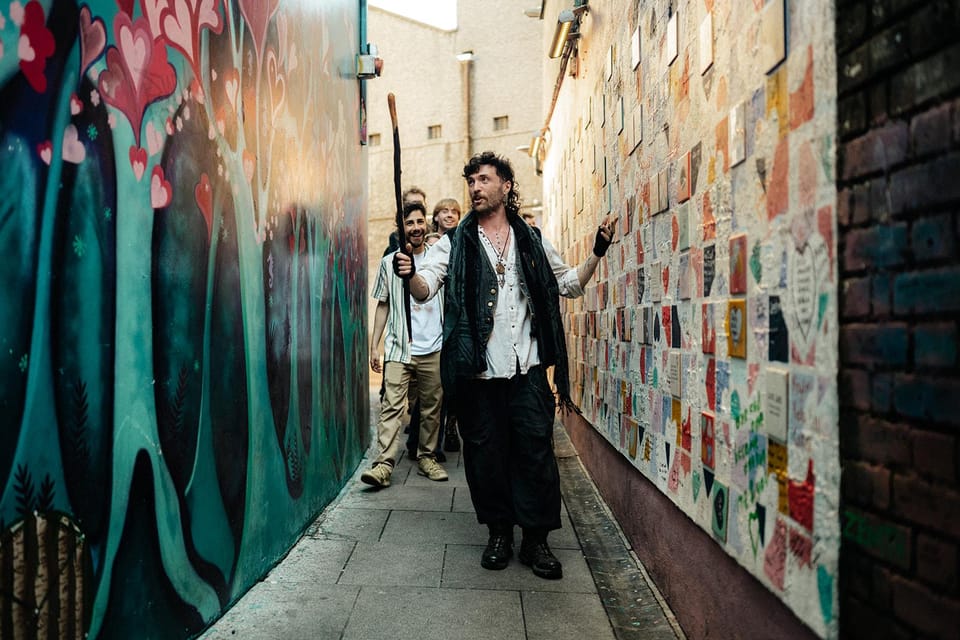
Dublin street art isn’t only decoration. It’s a running conversation between artists, neighborhoods, and whatever’s happening in the city right now. That’s what makes walking these streets with a guide such a different experience from just taking photos on your own.
On this tour, you’re shown how different forms of street expression connect. You’ll see murals and graffiti, yes, but also smaller things like stickers and paste-ups—quick, stubborn marks that pop up where you might not think to look. The guide doesn’t just point; they explain the cues you can use to read the scene.
You can also read our reviews of more walking tours in Dublin

Starting at The Grand Social by Ha’penny Bridge
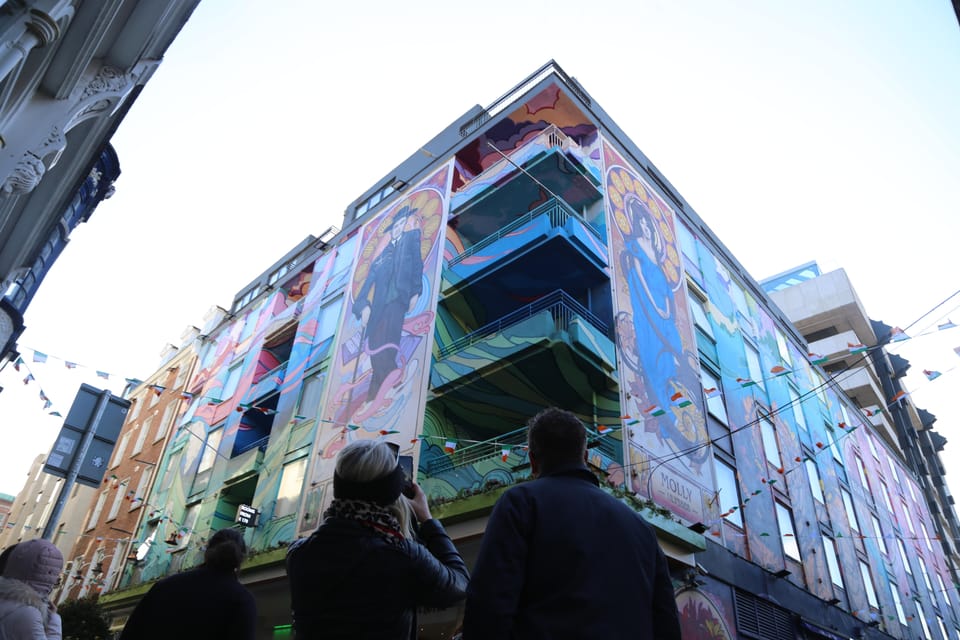
You’ll meet outside The Grand Social on Liffey Street, with your guide waiting in the public space near the trees by the Ha’penny Bridge. It’s a good starting spot because you’re already in the thick of central Dublin, with easy orientation for the rest of your day.
From the first minute, you’ll get a sense of how the tour moves: photo stops, short guided explanations, and enough walking to keep the experience lively without feeling like a marathon. The entire tour lasts about 2 hours, so it fits well between other sightseeing plans.
Walking the Stops: From Yamamori Tengu to Crampton Court
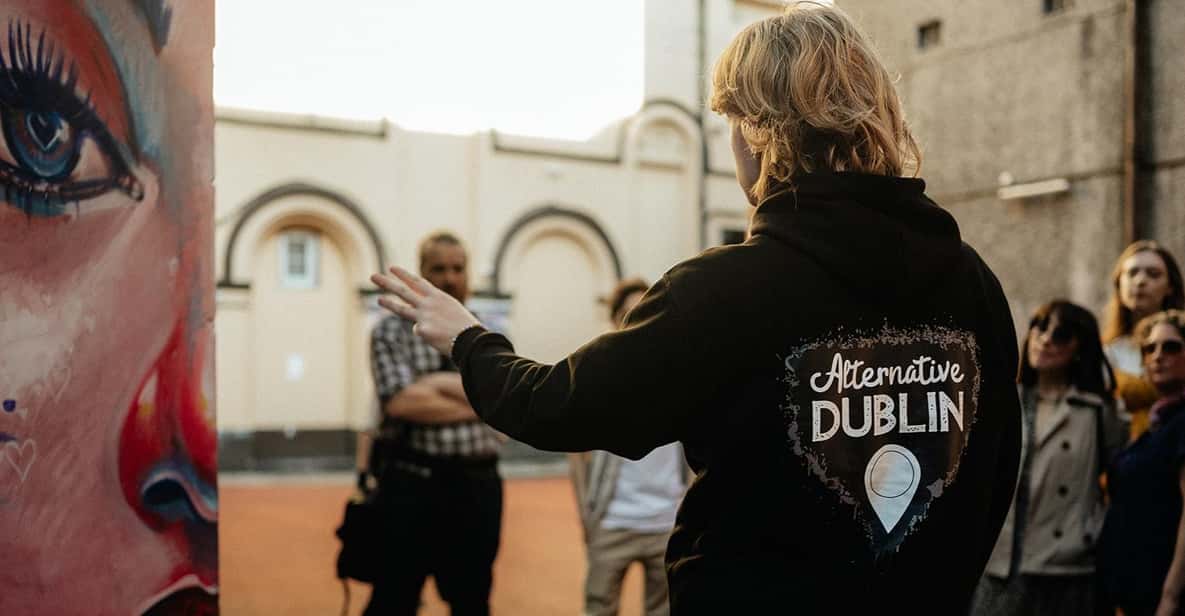
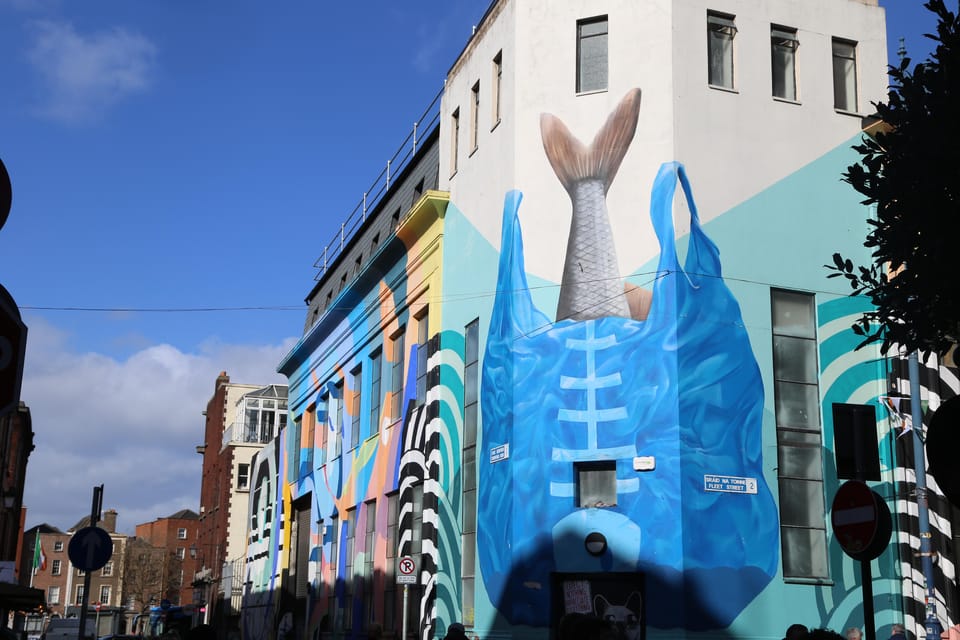
This is the fun part: you move from one art hotspot to the next, but the stops aren’t the generic “top ten murals” list. Instead, you’re guided to locations that help you understand the scene’s underground side and what’s going on beyond the main tourist routes.
Stop 1: Yamamori Tengu (Photo Stop)
Your early hit of street art comes at Yamamori Tengu. Expect a quick guided look and a dedicated photo window—about 15 minutes—so you can get shots without feeling rushed. This is the kind of stop where a guide’s eye helps: you’ll learn what to notice about style, placement, and how street pieces often “talk” to their surroundings.
Stop 2: Abbey Court Hostel (20-minute Photo Stop)
Next up is Abbey Court Hostel. This stop works well because hostels and shared spaces attract foot traffic, which means street art there tends to feel more connected to everyday city life. You’ll get another short explanation and time to photograph—around 20 minutes—and it’s a great moment to compare what you saw at Yamamori Tengu with what comes next.
You can also read our reviews of more tours and experiences in Dublin
Stop 3: The Icon Factory & The Icon Walk (25-minute Focus)
Then you’re guided through The Icon Factory & The Icon Walk area, with a longer stretch—about 25 minutes—to really take it in. This part tends to feel more structured, because you’re not just hunting for art; you’re learning how the scene creates a visual trail across the streets.
The value here is that the guide gives context for why certain pieces appear where they do. Even if you only remember a few details, you’ll start to “see like a local,” spotting patterns in lettering, techniques, and placement.
Stop 4: Temple Bar (25-minute Photo Stop)
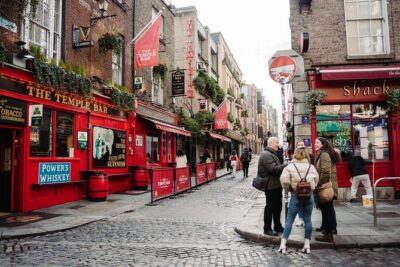
Temple Bar is usually crowded with people doing the standard pub-and-photo thing. Here, it’s different. You get a 25-minute stop designed for street art viewing, so the area becomes a canvas you can read instead of just an attraction you walk through.
For me, this is one of the best benefits of a guided tour: it changes your priorities. Instead of asking where the best views are, you start asking what stories the street is telling.
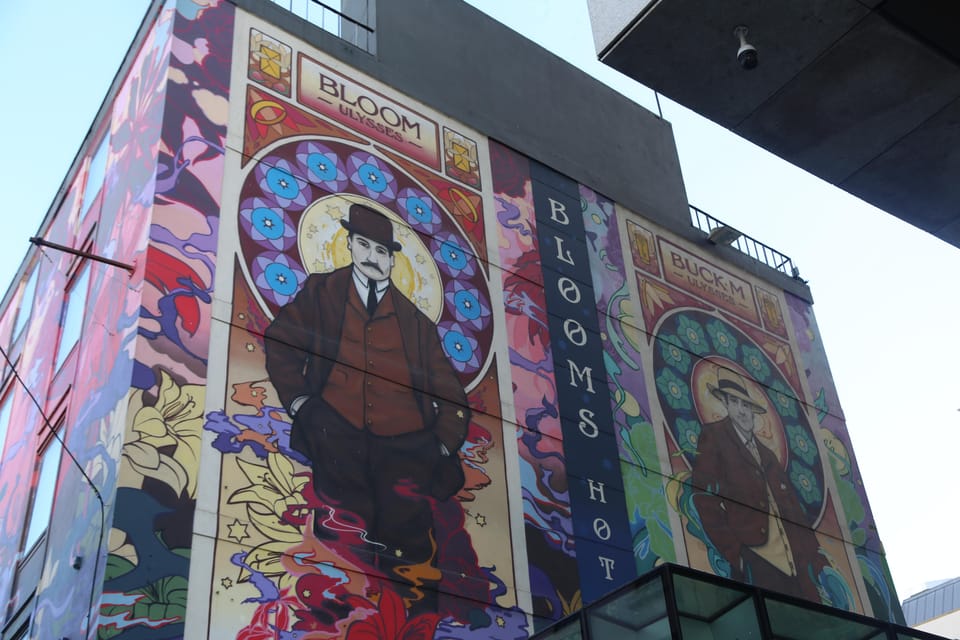
Stop 5: Blooms Hotel (15-minute Stop)
At Blooms Hotel, the pace stays photo-friendly. You’ll get around 15 minutes to take in the artwork and listen for the bits of background that make the piece feel specific to Dublin, not copy-paste street style from elsewhere.
This short stop is actually useful. It keeps your energy up and prevents tour fatigue, which matters when you’re hunting for small details like sticker layers, paste edges, and layered tags.
Stop 6: Project Arts Centre (10-minute Photo Stop)
Project Arts Centre is next, and it’s a tight 10-minute stop. Quick stops can be risky on tours if you don’t manage expectations, but here the timing is part of the design. You’ll get just enough direction to find the key pieces and then capture them before moving on.
If you’re the type who wants a lot of time with every wall, this may feel fast. But if you want a broad overview of the city’s street-art landscape in one go, shorter stops keep the experience moving and varied.
Stop 7: Crampton Court (10-minute Final Viewing)
You finish at Crampton Court, with about 10 minutes for your last photo stops and guided observations. Since you end here, it’s also a natural point to pause and take a few final shots without worrying about dragging it out.
And because street art changes constantly, that last stop matters. Even if a piece from earlier gets covered or fades, you’re still leaving with a snapshot of what the scene looked like in that moment.
The Real Value: Insider Context, Not Just Street-Art Sightseeing
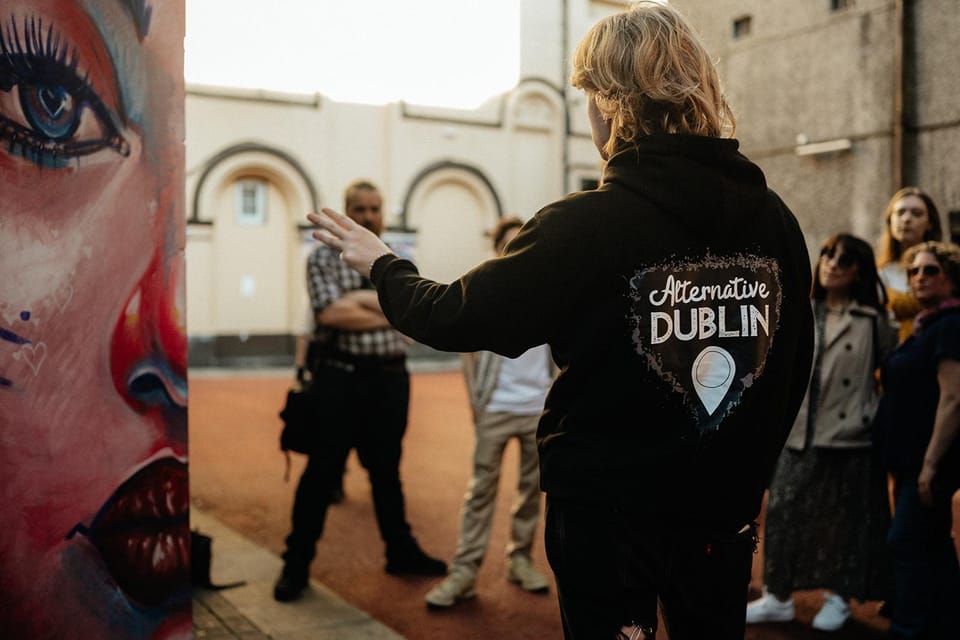
Plenty of tours can show you where art exists. This one focuses on what the art means and how the scene works.
You’ll learn about the different categories of street art you’re seeing—murals, graffiti, stickers, paste-ups—and you’ll get tips on what each form tends to communicate. The goal isn’t to turn you into an expert overnight. It’s to help you look at a wall and quickly understand the basics: technique, intent, and local relevance.
That’s where guides with real experience can help. When your guide has practiced the craft, they can explain things that aren’t obvious from a distance. One thing I really liked is how the guide experience feels grounded: street-art culture has rules and rhythms, and you get a sense of those rather than just trivia.
Also, the tour is designed for photos with intention. You’re not just holding your phone up and hoping. The guide encourages you to take pictures with multiple pieces at different stops, so your gallery at the end of the walk actually tells a story.
Rain, Timing, and Getting the Most From Your Camera
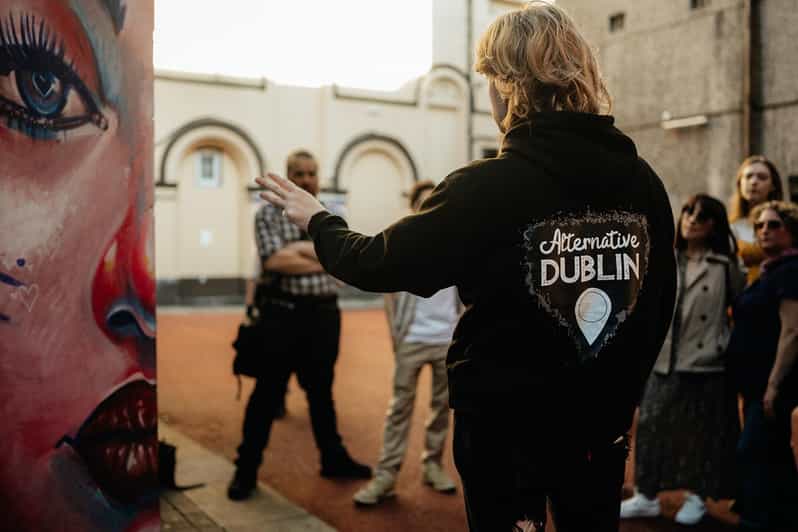
This tour keeps going even if it rains. That’s a big deal in Dublin, where weather can change fast. Bring an umbrella or rain jacket so you can keep enjoying the walk instead of rushing through each stop to stay dry.
Timing is also pretty friendly: you’re out for about 2 hours, and the stops are broken into manageable chunks. That helps if you want to combine street art with other plans like museums, pub stops, or a late dinner.
If you’re planning on photos, wear shoes you can stand in for a couple of hours. A tour like this rewards patience, and sometimes the best shots are the ones where you step back, look for layers, then frame your image calmly.
Supports Artists: The Gallery Stop Concept
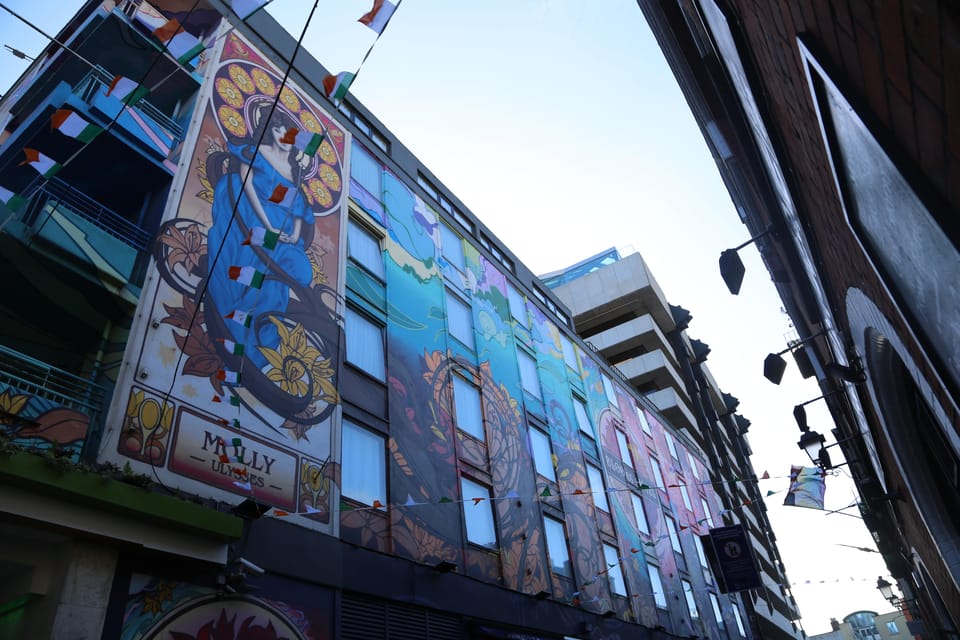
Another strong part of the experience is that it doesn’t only consume art. You’ll also visit a unique gallery tucked away in central Dublin. The idea is simple: you can support the artists by buying prints or paintings, or even commissioning work.
I like experiences that connect what you’re seeing outside with where artists work inside. It’s a reminder that the street scene isn’t just free-for-all vandalism—it’s also creativity, craft, and community, depending on the artist and the work.
If you’re the type who hates paying for tours but loves getting real value, this is a good compromise: part sightseeing, part meaningful connection to creators.
Who Should Book This Tour (And Who Might Skip It)
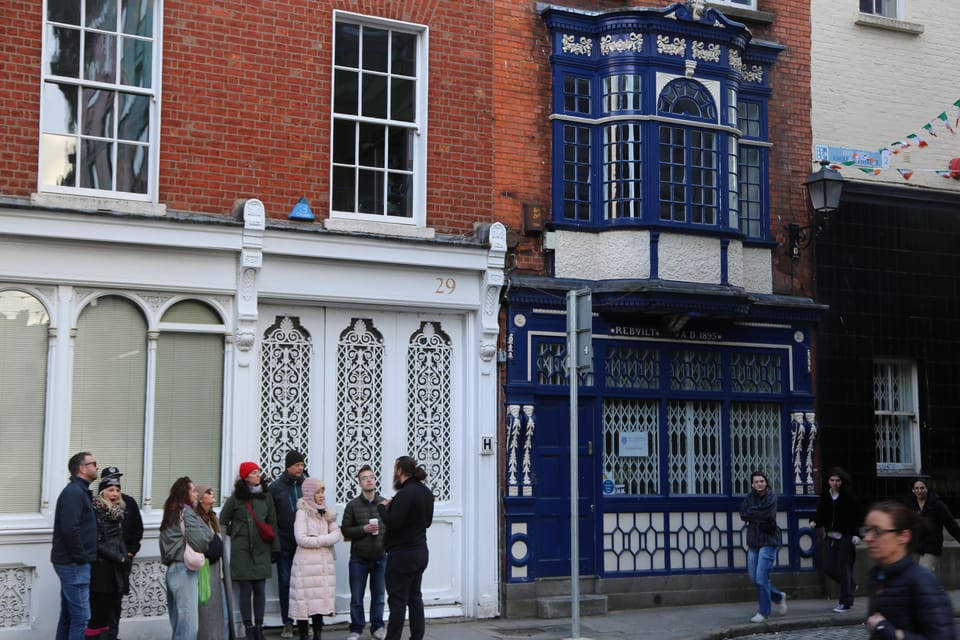
This tour is a great match if you want:
- a 2-hour introduction to Dublin’s street-art scene without doing homework
- plenty of photo stops and a guided explanation at each
- a walk that leads you to spots you’d miss if you only followed tourist paths
It’s also a good fit if you’re curious about the underground culture side of cities—how subcultures leave marks and build their own visibility.
The main reason to skip is physical access. It’s not suitable for wheelchair users, and parts of the tour aren’t accessible for everyone. If you have mobility needs, it’s worth asking before booking since the route involves walking between multiple central locations.
Price and Value: Why $17 Makes Sense Here
At $17 per person for about 2 hours, this isn’t just a cheap walk to fill time. You’re paying for guided context, multiple stops, and a curated selection of street art across the city center—over 30 pieces.
The value comes down to this: street art is easy to notice and hard to interpret quickly. A guide shortens the learning curve. Instead of guessing which pieces matter and why, you get explanations while you’re standing in front of the art.
You also come away with practical recommendations for what to do next in Dublin, since the guide can share tips based on what you like. That’s the kind of add-on that makes a sightseeing tour feel more like a local outing.
Should You Book This Street Art Walking Tour?
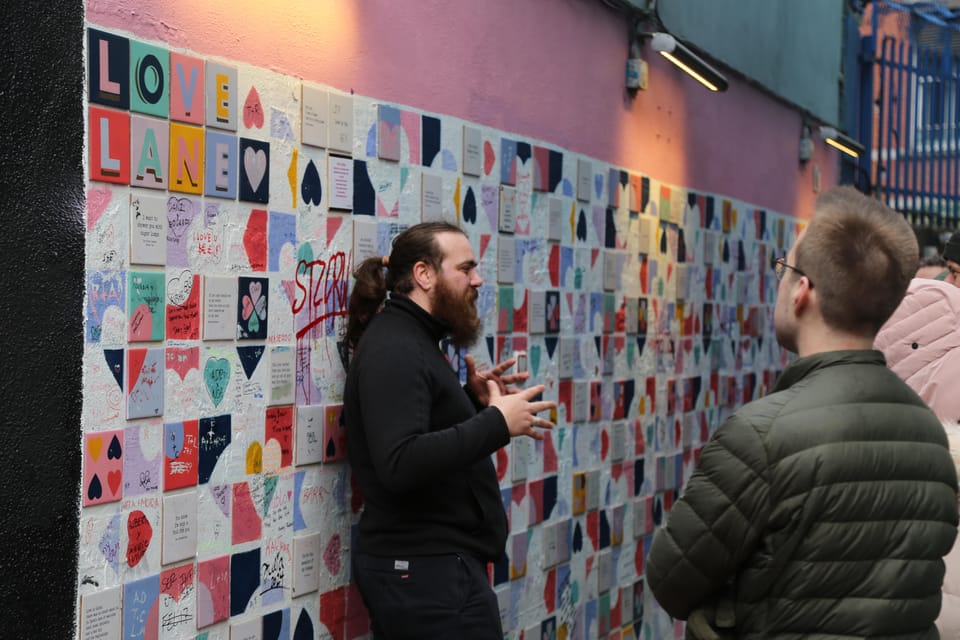
I’d book it if you want Dublin to feel less like postcards and more like a lived-in city with stories on the walls. The pairing of photo stops and real background on murals, graffiti, stickers, and paste-ups is what makes it work.
Skip it if accessibility is a concern for you, or if you hate walking in the rain since the tour keeps moving no matter what. And if you prefer very quiet, museum-style commentary, this walk is more active and street-focused.
If you’re on the fence, here’s my simple check: if you enjoy street-level creativity and want better eyes for what you’re seeing, this tour is one of the most straightforward ways to get there.
FAQ
What’s the duration of the street art walking tour?
The tour lasts about 2 hours.
How much does it cost per person?
The price is $17 per person.
Where do I meet the guide?
Meet outside The Grand Social on Liffey Street, in the public space with the trees beside the Ha’penny Bridge.
Is the tour in English?
Yes, the tour is guided in English.
Does the tour run in rain?
Yes, the tour proceeds even if it’s raining. Bring an umbrella or rain jacket.
Is it wheelchair accessible?
No. It’s not suitable for wheelchair users, and parts of the tour are not accessible for everyone.
What’s not allowed during the tour?
Weapons or sharp objects, intoxication, alcohol and drugs, explosive substances, making fire, nudity, and alcoholic drinks in the vehicle are not allowed.
Can I get a refund if I can’t attend?
You can cancel for a full refund up to 24 hours in advance. If you need a refund due to not attending, you need 5 days notice.
How do tips work?
If you enjoyed the tour, you can tip the guide. Tips are kept by the guides, which supports artists and creatives.