REVIEW · DUBLIN
Dublin: LGBT Pride Walking Tour with Queer History
Book on GetYourGuide →Operated by Original Dublin · Bookable on GetYourGuide
Queer Dublin hits different on foot. This guided walk links Liberty Hall and Trinity College to the people who pushed for LGBTQ+ rights in Ireland.
I especially love how Helena keeps the stories moving with humor and real-life context, so names like Panti Bliss and events like pride protests feel personal instead of textbook.
One possible drawback: it is a steady 2-hour walk with plenty of serious moments (exclusion, abuse, and activism), so it may not suit anyone who wants only light sightseeing.
In This Review
- Key points before you go
- Getting oriented: the Old Storehouse meeting point and what the route feels like
- What you’ll learn: a practical guide to queer history in Ireland
- Liberty Hall and the pride protest story: why these streets matter
- The General Post Office and Panti Bliss: seeing a modern icon with deeper context
- Trinity College and the Sexual Liberation Movement: history in the middle of the city
- Hirschfield Centre and Diceman’s Corner: community spaces you can actually find
- The George: ending at an LGBTQ+ landmark and what to do afterward
- Price and value: is $27 a smart buy?
- Who should book this Dublin LGBT Pride walking tour
- Should you book this tour?
- FAQ
- How long is the Dublin LGBT Pride Walking Tour with Queer History?
- Where does the tour start and how do I find the guide?
- Where does the tour end?
- Is the tour available in English?
- How much does it cost?
- Is the tour wheelchair accessible?
- Should you book this Dublin LGBT Pride walking tour?
Key points before you go
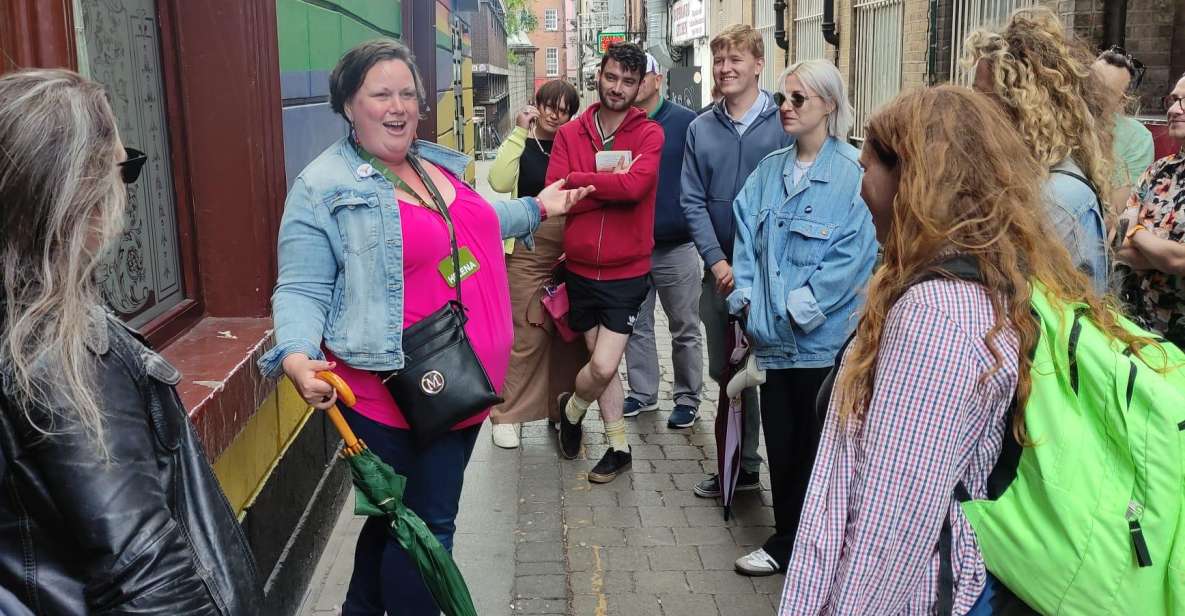
- Green umbrella start: Meet outside the Old Storehouse Bar & Restaurant and look for your guide holding it.
- Helena runs an engaging, funny tour: The tone stays warm, with big topics handled in an approachable way.
- Major landmarks, clear connections: You’ll pass places like the General Post Office, Trinity College, and the Diceman’s Corner.
- You’ll hear specific trailblazers: Stories include Dr Lydia Foy and Panti Bliss, plus other key figures in Irish LGBTQ+ history.
- Ends where it counts: The walk finishes back at the meeting point after visiting The George, one of Dublin’s best-known LGBTQ+ venues.
- Plan for walking: Comfortable shoes matter; the experience is designed for on-foot exploring.
Getting oriented: the Old Storehouse meeting point and what the route feels like
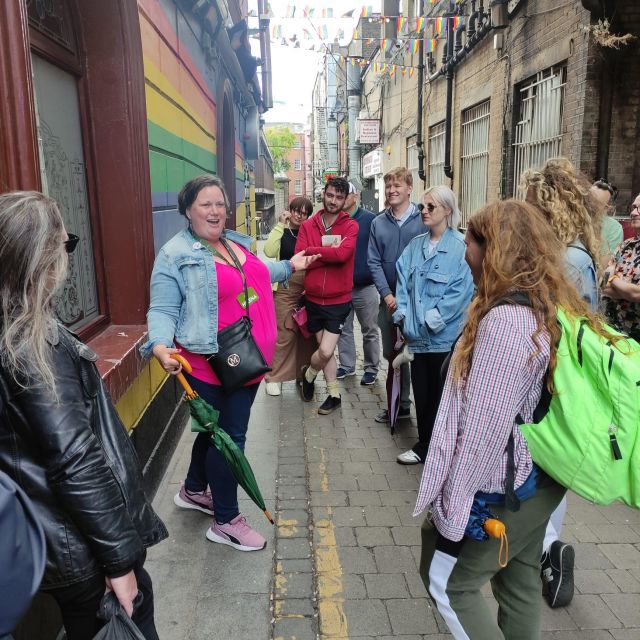
This is a straight-up walking tour, not a bus tour or a museum visit. You start right where locals would find a pint and a quick chat: outside the Old Storehouse Bar & Restaurant. If you’re searching for the group, you’re looking for someone carrying a green umbrella, which makes it easy to spot the start fast.
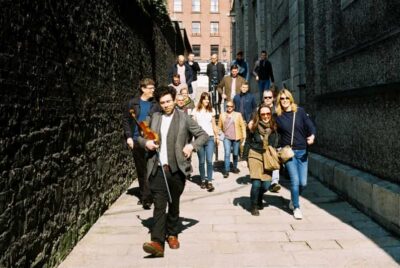
From there, the tour’s rhythm is simple: you walk through central Dublin while your guide ties each stop to a person or a turning point. The pacing matters. Two hours sounds short, but the tour packs in a lot of characters and ideas, and you’ll likely want to slow down mentally at each landmark to let the context land. In a city where history is everywhere, this format helps you connect the dots instead of just snapping photos.
You’ll also want to be comfortable standing and walking for the whole session. The tour is wheelchair accessible, but it still means you’ll spend a decent chunk of time on streets and sidewalks. If you’re nursing sore feet, wear supportive shoes even if the weather looks mild.
You can also read our reviews of more walking tours in Dublin


What you’ll learn: a practical guide to queer history in Ireland
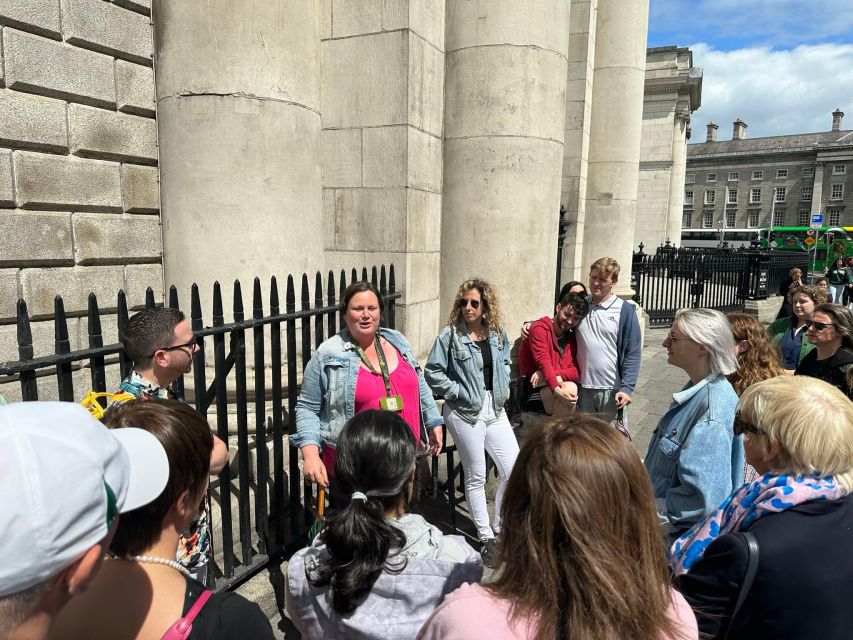
The best part of this tour is how it organizes Ireland’s LGBTQ+ story into moments you can actually picture on the map. You’re not just hearing about pride celebrations and famous names. You’re also hearing about the long road from exclusion and abuse toward legal recognition and equal rights.
The tour frames that journey through types of activism you can follow: Irish revolutionaries and civil rights agitators, pride march pioneers, and gender identity trailblazers. That matters because it shows queer history isn’t one isolated chapter—it’s connected to broader shifts in Irish society and culture over time.
You’ll hear how the story reaches into specific milestones too, including discussion of the Gender Recognition Act. And you’ll get named stories rather than vague timelines—so when you see places like the General Post Office or Liberty Hall, you understand what they mean in the queer-rights arc of the country.
If you like tours that mix human stories with clear political context, this one clicks. It treats the past as something you can walk to, not something locked behind glass.
Liberty Hall and the pride protest story: why these streets matter
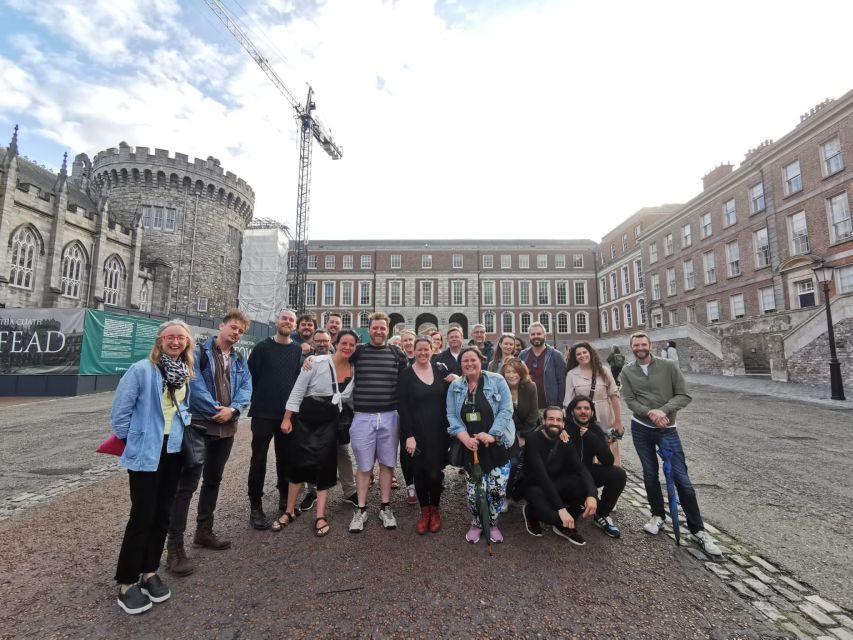
Liberty Hall is one of those places in Dublin that many visitors pass without realizing how much history is wrapped up in the walls and the address. On this tour, it’s tied to the idea of early pride protest activity in Ireland—specifically, the first pride protest at Liberty Hall.
That stop does a smart thing: it pushes you beyond the modern image of Pride as a festival and into Pride as a demand. You hear how public visibility was won through action, not handed out quietly. Even if you already know the basics of LGBTQ+ activism, hearing it anchored to a Dublin landmark makes it feel less abstract.
Liberty Hall also helps you understand the tour’s overall tone: inspiring, yes, but not sugar-coated. The story doesn’t float above real hardship. You’re guided through how people fought for recognition and safety, and how change took time.
The General Post Office and Panti Bliss: seeing a modern icon with deeper context
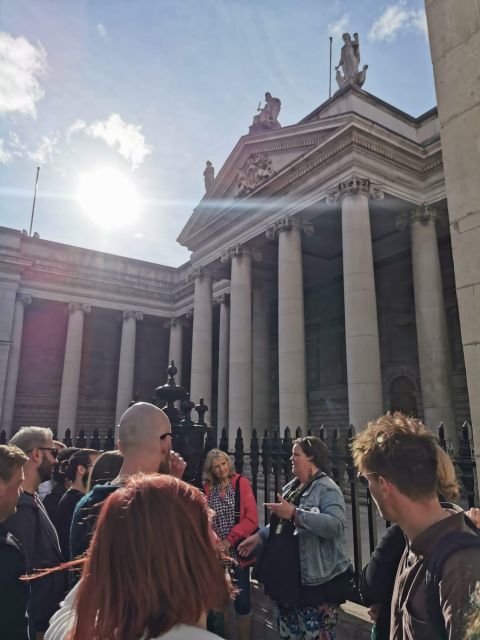
Next, the tour heads toward the General Post Office (GPO) and brings in stories about Panti Bliss. Panti Bliss is one of those names that many people recognize from modern Irish LGBTQ+ life, but here you’re given a fuller sense of why that visibility matters.
The value of this kind of connection is that it shows you how cultural figures and political moments often overlap. You’re not only learning about laws and protests; you’re learning about how public voices shape attitudes and support communities.
At the GPO stop, you also get a sense of how Dublin’s civic spaces become stages for identity and rights. It’s a useful reminder: queer history in Ireland doesn’t only live in community centers. It lives in mainstream places too—where challenging the status quo happens in the open.
Trinity College and the Sexual Liberation Movement: history in the middle of the city
Trinity College is a familiar Dublin sight, and that’s exactly why it works on this tour. You see it through a different lens than the usual one. Instead of focusing only on architecture or student life, you get the connection to the Sexual Liberation Movement and how social change grows around educated, public, and cultural spaces.
This stop is where the tour starts to feel like a map of shifting ideas. You might think of LGBTQ+ rights as a straight line, but the tour emphasizes how rights and recognition came through push-and-pull—people challenging norms while society argued back.
If you enjoy learning history with specific place markers, Trinity College is a great anchor point. It’s also one of the easiest places to visualize the friction between tradition and change. Even if you’ve never studied Irish LGBTQ+ history before, you’ll walk away with a clearer sense of how attitudes evolved.
You can also read our reviews of more historical tours in Dublin






Hirschfield Centre and Diceman’s Corner: community spaces you can actually find
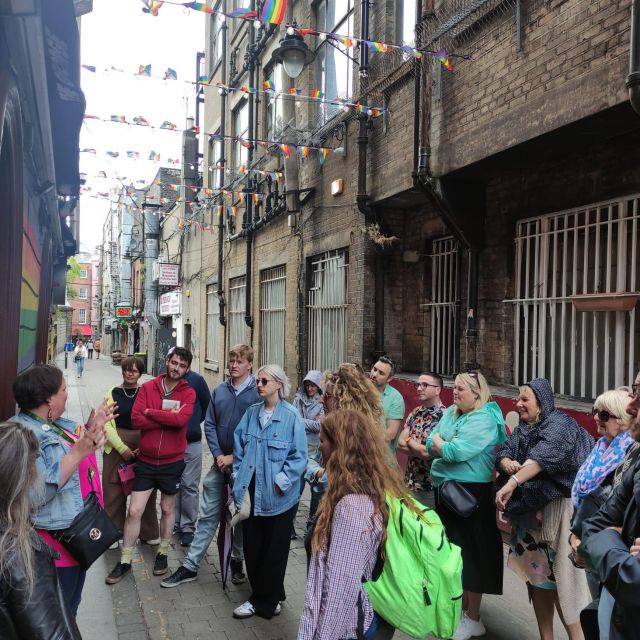
The tour continues with more than just famous buildings. You also pass the Hirschfield Centre and the Diceman’s Corner, both of which bring the story closer to daily life.
The Hirschfield Centre is relevant to queer history because it represents community presence—where information, support, and identity-building can happen in a visible way. And while you’re walking, the guide ties these stops into the wider arc of activism and recognition.
Then there’s Diceman’s Corner, a spot you might notice for its street character even if you didn’t know it had queer-history links. Here, the tour uses that local familiarity to make the narrative feel grounded. It’s not only about famous events; it’s also about where people gather, where they’re seen, and where culture forms in public.
These stops are a big reason I’d recommend this tour to anyone who wants Dublin to feel lived-in. You don’t just learn names—you learn place-based context.
The George: ending at an LGBTQ+ landmark and what to do afterward
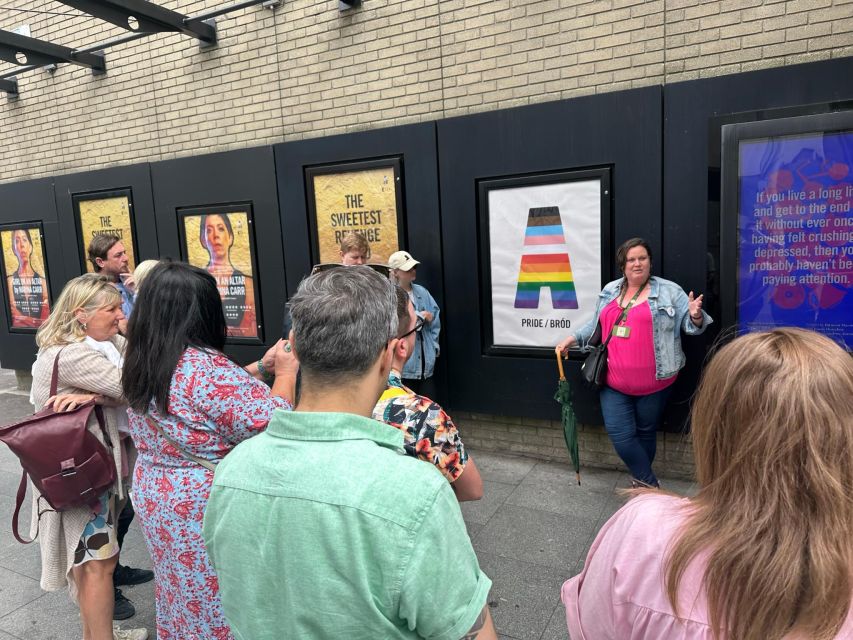
One of the tour’s key highlight stops is the George (often referred to as Ireland’s most iconic LGBTQ venue). On this walk, it isn’t treated like a random nightlife address. It’s presented as a visible landmark tied to LGBTQ community life.
What I like about including The George near the end is that it reframes the whole tour. You start with struggle and activism, then you reach a place that symbolizes community presence. It doesn’t erase the harder parts of the story. It adds perspective: people built spaces where they could exist openly, and those spaces became part of the larger journey toward equality.
When the tour finishes, you end back at the meeting point outside the Old Storehouse. If you want to keep the experience going, consider staying in the same area. You’ll already have the mental map, and you can look at the streets you just walked with more meaning.
Price and value: is $27 a smart buy?
At about $27 per person for a 2-hour guided walking tour, this isn’t a bargain deal in the sense of being extremely cheap. But it is strong value for what you get: a live guide, English narration, and a focused route through central Dublin landmarks tied to specific figures and events.
Here’s the practical way to think about value. You’re paying for:
- An organized route you might not build on your own
- A guide who can connect names like Dr Lydia Foy and Panti Bliss to real locations
- A story-led walkthrough rather than generic sightseeing
If your interest is queer history in Ireland and you want an efficient way to see multiple meaningful spots in one go, $27 for two hours is reasonable. If you only want casual background and you’d rather wander independently, then you might not get your money’s worth. But if you want context with your photos, this price feels fair.
Who should book this Dublin LGBT Pride walking tour
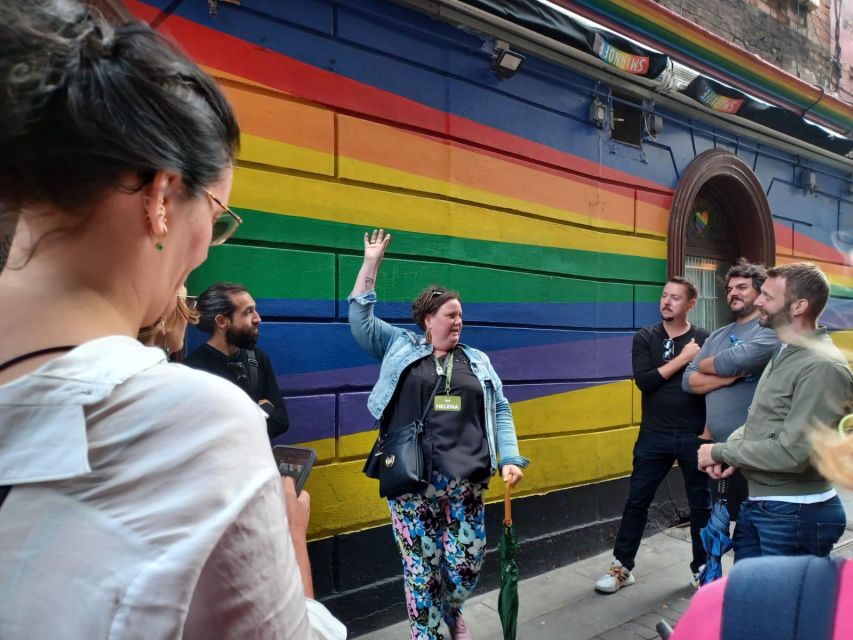
This tour is a great fit if you:
- Want queer history connected to real Dublin locations, not just general facts
- Like guides who can handle both inspiring and difficult topics
- Enjoy a small, on-foot route that feels personal and conversational
It might be less ideal if you:
- Want a mostly light or nightlife-focused Pride experience
- Don’t enjoy walking for the full 2 hours
- Prefer only broad timelines without stories tied to specific individuals and laws
The good news is that it’s wheelchair accessible, and it’s in English, so it’s set up for a wide range of visitors.
Should you book this tour?
Yes, I’d book it if you care about understanding Ireland’s LGBTQ+ story through the streets of Dublin. It’s not just Pride as a vibe—it’s Pride as a history of rights, public visibility, and recognition. With Helena leading and major landmarks like Liberty Hall, the GPO, Trinity College, the Hirschfield Centre, Diceman’s Corner, and The George in the mix, you’re getting a lot of meaning for your time.
If you’re on the fence, think about what you want most: quick sightseeing, or a guided thread that turns Dublin into a living lesson.
FAQ
How long is the Dublin LGBT Pride Walking Tour with Queer History?
The tour lasts 2 hours. Starting times vary, so you’ll need to check availability for the schedule.
Where does the tour start and how do I find the guide?
You meet directly outside the Old Storehouse Bar & Restaurant. Look for the guide carrying a green umbrella.
Where does the tour end?
The tour ends back at the meeting point.
Is the tour available in English?
Yes, the live tour guide provides the tour in English.
How much does it cost?
The price is $27 per person.
Is the tour wheelchair accessible?
Yes, the tour is listed as wheelchair accessible.
Should you book this Dublin LGBT Pride walking tour?
Book it if you want an organized, story-driven way to see central Dublin while learning LGBTQ+ history tied to real places. Skip it only if you want minimal walking or you’d rather avoid tours that include serious stories alongside the uplifting ones.