REVIEW · DUBLIN
Dublin: Macabre History Walking Tour
Book on GetYourGuide →Operated by Yellow Umbrella Tours Ltd · Bookable on GetYourGuide
Death walks beside you in Dublin. This 2-hour macabre history stroll keeps you moving through old back streets, crossing the city’s riverside and city-center lanes as the guide turns gruesome episodes into clear, well-paced storytelling. I especially loved the way the tour mixes legend and street reality, so the myths feel tied to actual Dublin locations, not just spooky talk.
Two things really made it work for me: the storytelling performance and the off-the-beaten-path routing. Guides like Peter and Rob (when you get them) use humor, character voices, and crisp details to explain everything from Cuchulainn’s aftermath to the trade around Dublin’s mortuary. I also liked that you don’t just stare at landmarks; you’re guided to look at lesser-known corners you’d usually walk past without noticing.
One consideration: this is macabre history, but it’s not built to be nonstop graphic horror. If you’re hoping for heavy gore at every turn, you may find the tone more “story-and-context” than “shock and blood.”
In This Review
- Key moments that make this tour worth your time
- Meeting at the Spire and why the route feels different
- What the 2-hour format gets right
- Cuchulainn’s death: myth that becomes city story
- Grave robbing near the mortuary: the business behind the fear
- Quarantines and public executions: punishment as a city event
- Mummified corpses, legless killers, and man-eating rats
- The brothel keeper ending: fire, rumor, and a final hit near the cathedral
- How to dress and what to do before you go
- Price and value: is $19 fair for two hours?
- Who should book this Dublin macabre walk
- Should you book this Macabre History Walking Tour
- FAQ
- Where does the tour meet?
- How long is the tour?
- How much is it?
- Is the tour wheelchair accessible?
- What language is the tour in?
- Is hotel pickup or drop-off included?
- Is there free cancellation?
- Can I reserve now and pay later?
- Is the tour suitable for children?
- Where does the tour end?
Key moments that make this tour worth your time
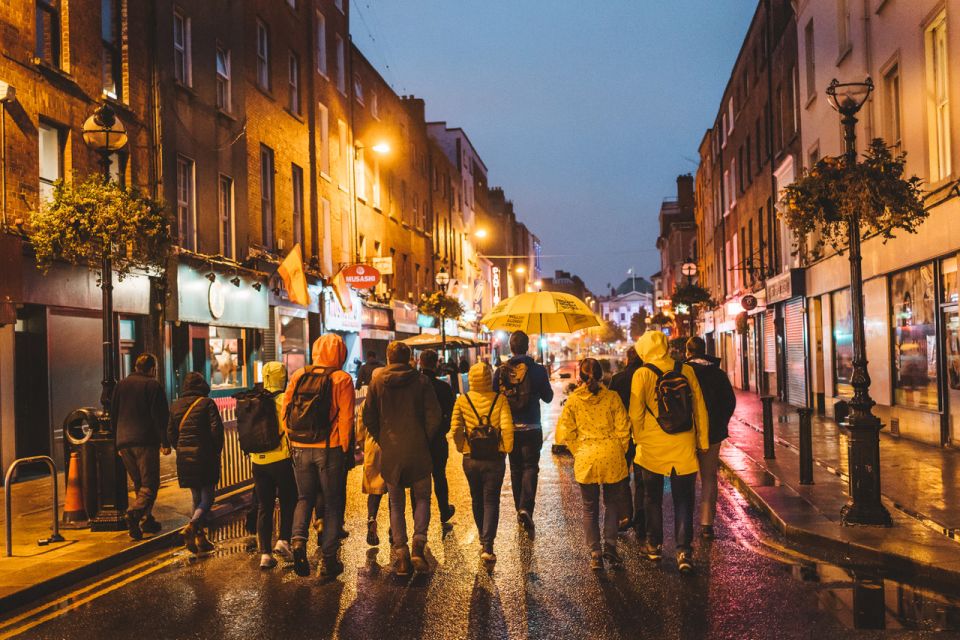
- The Spire meetup: easy starting point, plus that yellow umbrella signal
- Cuchulainn’s death story: mythic violence with a Dublin-flavored explanation
- Grave robbing by the mortuary: a dark 19th-century business thread that links sites
- Quarantines and public executions: fear-management and punishment, explained on foot
- Man-eating rats: grim city imagery that turns into a memorable walking moment
- Brothel keeper at the stake: a final stop that ties together crime, fire, and rumor
Meeting at the Spire and why the route feels different
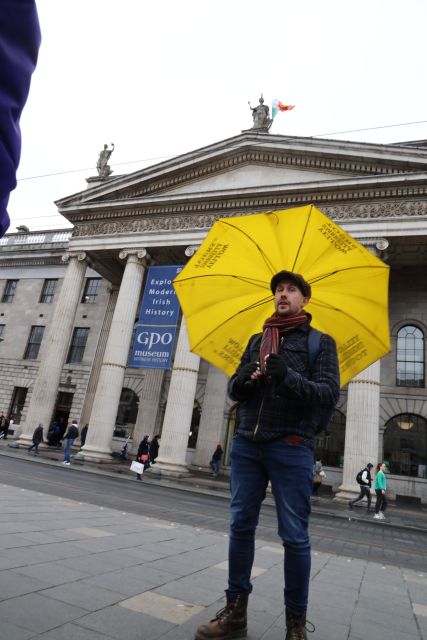
You start right in the middle of O’Connell Street, beside the Spire (the big needle). The instructions are simple: show up and look for the yellow umbrella. That matters more than it sounds, because this kind of walking tour only works if everyone groups up quickly and you don’t waste time hunting in crowds.
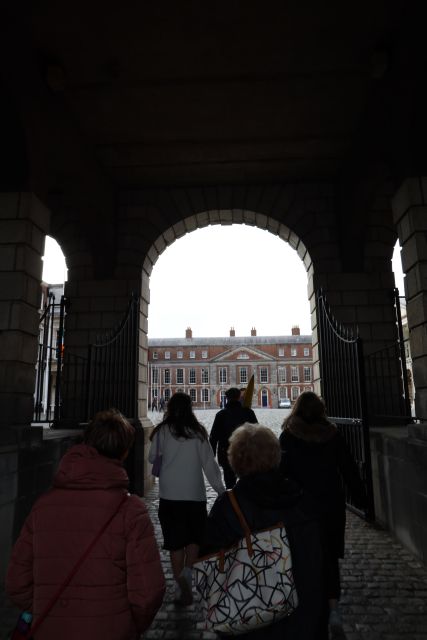
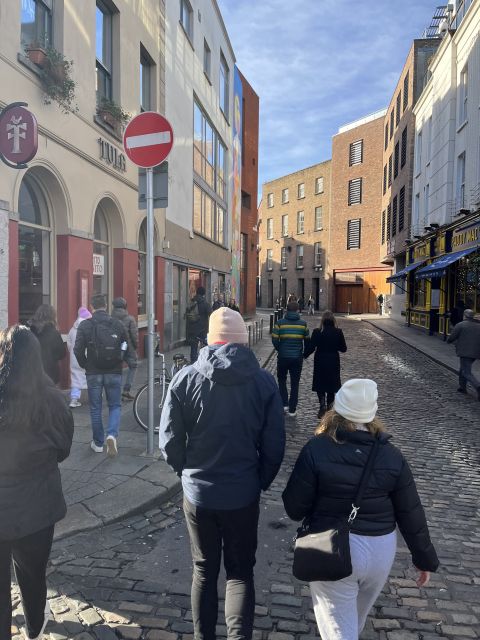
From there, the pace is city-friendly. You’re not doing a hike; you’re doing a guided walk through the old city center with frequent story landings. The best part is how the route is described: you’ll see both sides of the river, plus streets closer to the old city walls. That layout changes your perspective—Dublin stops feeling like a set of famous squares and starts feeling like a connected set of neighborhoods with different types of fear.
Also, the tour ends back at the meeting point. That’s great for planning the rest of your day. You’re done in about two hours, and you’re not left stranded far from transit.
You can also read our reviews of more walking tours in Dublin


What the 2-hour format gets right
A lot of tours have two problems: they drag, or they rush. Here, the structure is tight. The duration is 2 hours, and the tour is built around moving from one dark theme to the next—warrior tragedy, graveyard commerce, plague-era precautions, punishment in public, and the rumors people feared enough to pass along.
That timing is ideal if you want something more memorable than a quick bus loop, but you don’t want to lose half a day. It’s also a good way to get your bearings fast. By the time you finish, you’ll know how Dublin’s old center “connects”—the river edges, the tighter street feel near older wall lines, and the way the city’s big sights sit beside places that feel more hidden.
There’s also a practical comfort element: it’s a walking tour, and you’re told it’s wheelchair accessible. That doesn’t mean every street will be perfect under any conditions, but it does signal that the route is planned to accommodate more than the average “just handle the stairs” city walk.
Cuchulainn’s death: myth that becomes city story
One of the tour’s anchor stories is the Death of Cuchulainn. This is the kind of episode that could easily become vague, but it’s presented in a way that helps you picture what kind of violence the tale centers on—and why it sticks in Irish cultural memory.
In the tour description, Cuchulainn’s story includes the detail of his eyes being pecked out by the raven on his shoulder. That’s a vivid line, and it sets the tone: the tour isn’t afraid of grim imagery, but it uses it as a starting point. You’re not just hearing about a warrior—you’re learning how Dublin threads myth and meaning into the same streets where later, real people suffered real fear.
I like tours that start with something famous and then use it like a map marker. Here, the Cuchulainn story acts like that. It helps you understand the city’s storytelling mindset before you shift into the more documentary-feeling items like mortuary trading and quarantine measures.
Grave robbing near the mortuary: the business behind the fear
Another standout theme is the thriving 19th-century business of grave robbing beside the city mortuary. That’s a brutal idea, but the value here is the explanation of how the city functioned under pressure. In other words, you’re not only told what happened—you’re helped to understand why it happened and why it became something people talked about.
This is where the tour’s “old streets” approach pays off. You’ll walk close to the areas associated with the mortuary context, and the guide connects the grim trade to the physical neighborhood feel—what it would have meant for people living nearby, and why rumors would travel fast.
If you’re the type who wants the human side of history, this section tends to land well. Grave robbing isn’t just a spooky headline; it’s a window into how desperation, profit, and medical curiosity can collide. That collision is one reason the story stays stuck in your head after you leave the street.
Quarantines and public executions: punishment as a city event

The tour also highlights medieval quarantines and public executions. These topics change the kind of fear you’re hearing about. Instead of supernatural-sounding horror, you’re dealing with social control: how communities tried to prevent disease from spreading, and how authorities handled people they considered dangerous.
Why I like this part of the tour is simple: you see how fear shows up in systems, not just in legends. A quarantine tells you the city worried about contagion enough to restrict movement and enforce rules. A public execution tells you the city processed crime and punishment in front of crowds, with visibility built into the punishment.
As you walk, you’re not just hearing names and dates. You’re learning how the old city center shaped public life—where people would gather, where messages would spread, and how quickly an event could become a story retold by someone who saw it.
You can also read our reviews of more historical tours in Dublin






Mummified corpses, legless killers, and man-eating rats
Some tour themes sound like they were invented to scare you. Here, they’re presented as part of Dublin’s darker folklore and reputation—closer to the way a city’s stories evolve than a sanitized museum label.
The tour description mentions mummified corpses, the legless serial killer, and man-eating rats. I won’t pretend these are cheerful topics. The point, though, is how the guide frames them so they feel like part of a larger pattern: Dublin’s neighborhoods generated fear stories the way other cities generated ghost stories—because the unknown and the brutal leave a long imprint.
This part of the walk is also where the guide’s performance really matters. The best moments are when the guide turns the scene into something you can “see” in your head: the tension of narrow streets, the way rumors would travel, and how everyday life could feel close to danger. If your goal is to experience Dublin as a living story, not just a collection of sights, this is the zone where it happens.
One note: there’s a small caution in the overall tone. At least one person felt the tour wasn’t as macabre or bloody as they expected. So if you want maximum gore, don’t book this assuming it’s a horror-movie walkthrough. Expect gritty storytelling with grim themes and context, not constant explicit detail.
The brothel keeper ending: fire, rumor, and a final hit near the cathedral
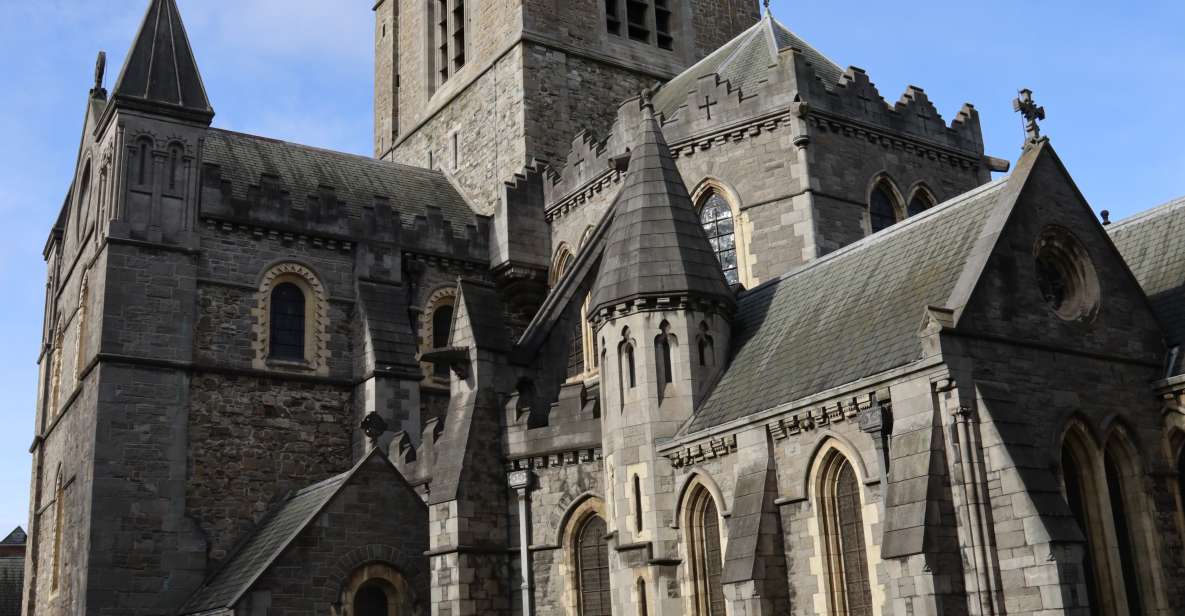
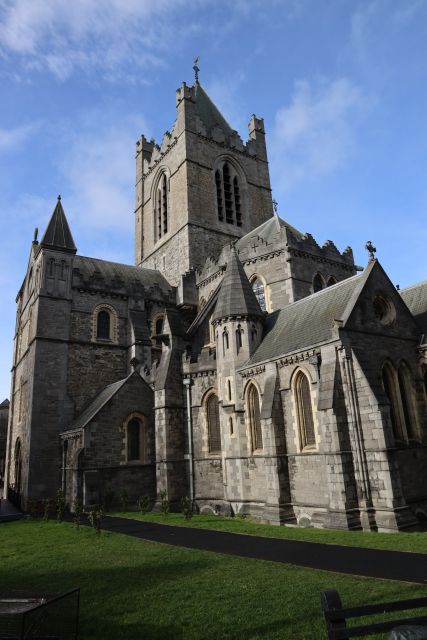
The tour’s finish comes beside the cathedral, and it leans into one of Dublin’s best-known crime-and-scandal stories: a famous brothel keeper, with an untimely death by fire at the stake. That’s a heavy ending. It also acts like a thematic wrap-up: you start with myth and personal violence, then move through fear economies (grave robbing), fear management (quarantines), public punishment (executions), and finally a story tied to vice and public spectacle.
I like tour endings that create a mental “afterimage.” You should leave remembering a specific scene. Here, the combination of a well-known Dublin-type figure and a dramatic death helps you do that. Plus, finishing near a cathedral gives you a sense of place—you can orient yourself afterward and decide where to go next for a drink or a meal.
How to dress and what to do before you go
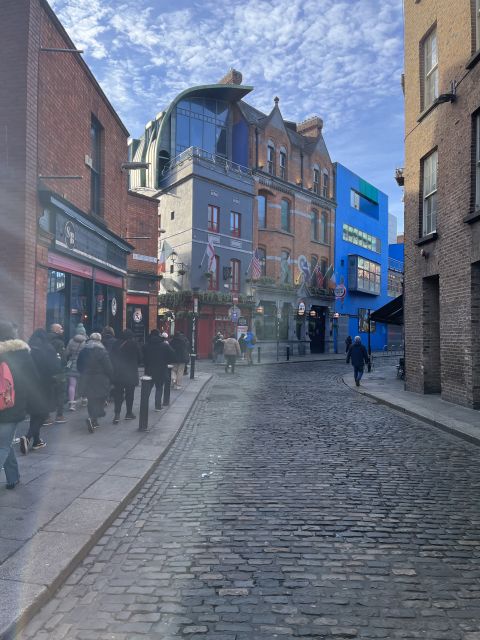
This is an all-on-foot experience, so treat it like a normal city walk with a darker theme. Wear comfortable shoes. Bring layers if the weather shifts, because Dublin weather can be moody without warning. And arrive a few minutes early so you can find the yellow umbrella without rushing.
One more practical tip: the meeting point is a famous landmark area, but there may be more than one yellow umbrella. That’s easy to fix. Just scan the group collecting at the Spire and wait for the guide signal.
If you’re sensitive to crime or death-themed content, know that the tour is not aimed at a family audience: it’s not suitable for children under 18. Adults who enjoy history with a dark edge should find the content aligned with the title.
Price and value: is $19 fair for two hours?
At $19 per person for a 2-hour guided walk, this is priced like a solid “experience per hour” deal. The value comes from more than time on the street. You’re paying for a guide who can connect stories to specific city locations—so you’re not just reading about macabre Dublin later. You’re hearing a narrative with direction: where to stand, what to notice, and how each story links to the next.
Also, the group style looks flexible. Some people describe small group sizes that felt close to a more personal experience, even down to very small numbers. You shouldn’t count on a private tour, but the chance of a smaller group is part of why the price feels reasonable.
If you only do one guided walk in Dublin, this works best when you want something that goes beyond the standard highlights. It’s not trying to replace a classic sightseeing tour. It complements one by showing you the darker street-level side of the city.
Who should book this Dublin macabre walk
You’ll probably love it if:
- You enjoy Dublin’s older streets and want more than the usual highlights.
- You like guided storytelling with a mix of humor and grim context.
- You want to hear how fear, rumor, and punishment shaped city life—on foot.
You might skip it if:
- You want a tour that’s heavy on explicit graphic detail at every stop.
- You’re looking for kid-friendly macabre fun (it’s not suitable under 18).
It’s also a strong choice for solo travelers who want conversation and motion, not a quiet museum visit. If you travel as a couple, it’s a fun shared experience because you both get the same story beats and locations in a short, memorable time window.
Should you book this Macabre History Walking Tour
If you’re the type who likes Dublin slightly off the usual track, I think you should book it. The tour’s best asset is that it turns a “darker theme” into an organized, two-hour city walk with clear stops—Spire start, stories through the old center and river edges, and a dramatic finish near the cathedral.
Just match expectations. This is macabre history as storytelling, not a nonstop horror set-piece. If that’s your kind of history, the $19 price feels like a fair bargain for a guide-led walk that gets you seeing parts of Dublin you’d miss on your own.
FAQ
Where does the tour meet?
You meet beside the Spire on O’Connell Street. Look for the yellow umbrella.
How long is the tour?
The tour lasts 2 hours.
How much is it?
The price is $19 per person.
Is the tour wheelchair accessible?
Yes, the tour is wheelchair accessible.
What language is the tour in?
The live tour guide speaks English.
Is hotel pickup or drop-off included?
No, hotel pickup and drop-off are not included.
Is there free cancellation?
Yes. You can cancel up to 24 hours in advance for a full refund.
Can I reserve now and pay later?
Yes. You can reserve now and pay later.
Is the tour suitable for children?
No. It is not suitable for children under 18.
Where does the tour end?
The tour ends back at the meeting point beside the Spire on O’Connell Street.