REVIEW · DUBLIN
Haunted Dublin Walking Tour
Book on Viator →Operated by Original Dublin · Bookable on Viator
Dublin at night feels different. This Haunted Dublin walking tour mixes spooky lore with real places tied to Bram Stoker, cathedrals, theatres, and the city’s darker streets. You’ll walk through the glow of Temple Bar and finish near St Stephen’s Green, with a guide steering the story as you go.
I love how the route hits big landmarks and small, eerie spots in one sweep. I also like the guide-led tone: expect humor + sharp storytelling, not just jump scares. One thing to consider: it’s more dark history with ghost talk than nonstop supernatural activity, and the pace is quick.
In This Review
- Key Takeaways Before You Go
- A 6:00 pm Haunted Walk Through Dublin’s Dark Corners
- What You Pay for: $29.02 and a 2-Hour Story Sprint
- Where You Start and Where You End (So You Can Plan Dinner)
- The Stop-by-Stop Route: Temple Bar to St Stephen’s Green
- Temple Bar: Meeting in the Pub Quarter
- Dublin Castle: Bram Stoker’s Gothic Shadow
- 3Olympia Theatre: Victorian Music Hall Energy
- Smock Alley Theatre 1662: Oldest Theatre in Ireland
- Christ Church Cathedral: The Neighborhood Called Hell
- St Patrick’s Cathedral: Liberties, Four Corners, and Marsh’s Library
- Marsh’s Library: Oldest Public Library in Ireland
- St Kevins Park: A Graveyard Hidden in a Laneway
- Royal College of Surgeons: 1916 Easter Rising Connections
- St Stephen’s Green: The Calm Finish Near Grafton Street
- Guides Who Tell the Story Like It Matters
- How Scary Is It, Really? What the Tone Feels Like
- Getting the Timing and Footwear Right
- Who This Haunted Dublin Walking Tour Fits Best
- Should You Book This Haunted Dublin Tour?
- FAQ
- What time does the Haunted Dublin Walking Tour start?
- How long is the tour?
- How much does it cost?
- Where do I meet the tour?
- Where does the tour end?
- Is the tour offered in English?
- Do I need a printed ticket?
- Are tickets or admissions included for the stops?
- Are snacks included?
- What’s the cancellation policy?
- Is the walking tour physically demanding?
Key Takeaways Before You Go
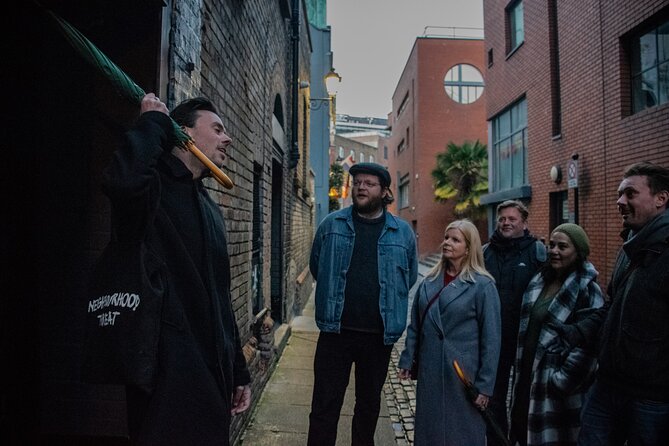
- Creepy meets concrete: you’ll hear allegations of hauntings tied to specific Dublin sites, not vague spooky talk
- Bram Stoker connection: Dublin Castle is linked to the gothic horror writer, which sets the mood early
- Theatre stops add variety: Victorian music hall and the oldest theatre in Ireland keep the night moving
- Cathedral-area legends: Christ Church and St Patrick’s come with stories of old neighborhoods and underworld reputations
- Bring good walking shoes: it’s a night walk with noticeable ground to cover
- Guides matter: multiple guides named in the tour’s standout feedback are praised for pacing, humor, and keeping groups together
A 6:00 pm Haunted Walk Through Dublin’s Dark Corners
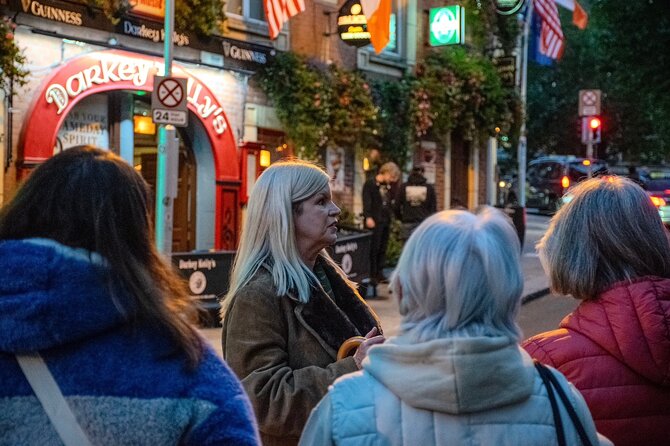
This tour starts in the heart of Temple Bar at 6:00 pm and runs for about 2 hours. That timing matters. Dublin’s central streets feel livelier and more atmospheric after dark, and you’ll get to see a side of the city you’d normally miss between pub crowds and daytime crowds.
You’re not just strolling past landmarks. The whole point is that each stop feeds the next story. You’ll hear about alleged hauntings, plus the kinds of people and events that made old Dublin notorious—grave-robbing, witchcraft, and gothic literature links that all fit the locations you pass.
If you like your scares with context, this is a strong match. If you want horror theatrics on every corner, you might find it toned more toward storytelling and dark history than nonstop paranormal action.
You can also read our reviews of more walking tours in Dublin


What You Pay for: $29.02 and a 2-Hour Story Sprint
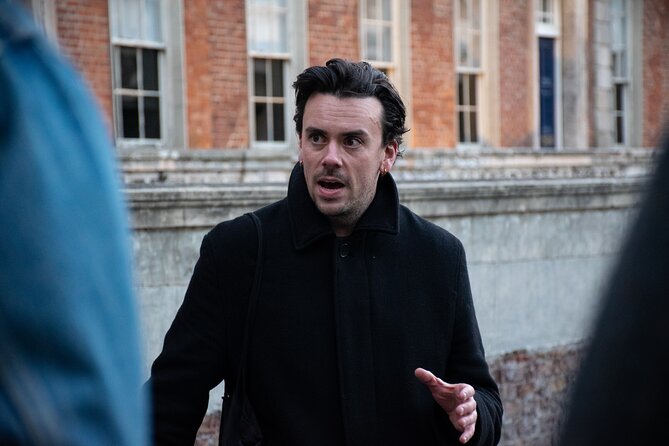
At $29.02 per person for roughly two hours, this is built for value in two ways: (1) you get a guide-led route that strings together multiple famous stops and (2) the content aims to keep you engaged the whole time instead of dumping information at one lecture stop.
The tour includes a nationally accredited tour guide and runs as a small group experience—maximum 30 travelers. In practice, that group size is big enough to feel sociable, but small enough that a good guide can manage attention and keep everyone together when the group needs to move.
Also note what you’re not paying for. Snacks aren’t included, so plan to eat before you go or grab something quick afterward.
Where You Start and Where You End (So You Can Plan Dinner)
You meet at 3 Crown Alley, Temple Bar (D02 CX67). That’s an easy area to find once you’re in the Temple Bar orbit—central, familiar, and very walkable for anyone staying nearby.
You finish at St Stephen’s Green, Dublin 2, right near Grafton Street. That’s a smart ending point because you’re close to shopping streets and plenty of restaurant and pub options. If you want a seamless night, you can time this as your anchor event and then eat right after without a long commute.
The tour also notes near public transportation, and that’s helpful if you’re bouncing between areas in Dublin that evening.
The Stop-by-Stop Route: Temple Bar to St Stephen’s Green
The itinerary is built like a night walk playlist: mood-setting early, heavier gothic themes mid-route, then a calmer landing near the Georgian square at the end. Here’s what you can expect from each stop—and what’s worth mentally bookmarking while you’re there.
Temple Bar: Meeting in the Pub Quarter
The first stop is Temple Bar. You meet there for a reason: it’s Dublin’s most recognizable nightlife zone, which helps the ghost stories feel local and current. Expect an opening setup from your guide—how the night will work, what themes you’ll follow, and which characters or legends might show up later.
Practical tip: this area can be busy, so arrive a few minutes early, and keep your group location in mind before you start weaving through side streets.






Dublin Castle: Bram Stoker’s Gothic Shadow
Next is Dublin Castle, with a focus on its long role in imperial rule. You also get a key storytelling pivot: this site is described as the workplace of Bram Stoker.
That Stoker connection is valuable because it turns the tour from generic spooky folklore into something tied to gothic horror literature. Even if you’re not a literature nerd, it helps you understand why Dublin’s gothic reputation stuck around.
Watch-out: access can be affected by closures. One review specifically flagged that Dublin Castle access was off limits at the time of a holiday period, and the guide had to pivot. So if you’re booking around big civic dates, keep flexibility in mind and trust the guide to adjust.
3Olympia Theatre: Victorian Music Hall Energy
You’ll stop at 3Olympia Theatre, described as a famous Victorian music hall and concert venue. This matters because theatres change the texture of the story. You’re in an old performance space vibe—perfect for ghost yarns about secrets, audiences, and the way entertainment hides darker sides.
Even for non-theatre people, it’s a nice visual break from cathedrals and castle stone. It also gives your feet a moment of “stand and listen” time.
Smock Alley Theatre 1662: Oldest Theatre in Ireland
Then comes Smock Alley Theatre 1662, described as the oldest theatre in Ireland. This is another smart choice for a haunted tour because theatre history naturally attracts legends. The building style alone can make stories feel plausible: old walls absorb old noise, and old spaces invite big claims.
If you like your hauntings grounded in place—who stood where, how old Dublin gathered, why certain stories got repeated—this stop does that job.
Christ Church Cathedral: The Neighborhood Called Hell
At Christ Church Cathedral, the tone gets sharper. The story here connects the cathedral area to a grim reputation: an older warren of streets locally known as Hell, with references to brothels and booze-houses. You’ll meet characters from that rough neighborhood—and hear about a ghoulish presence reputed to linger around the streets.
This stop is one of the best examples of what makes this tour feel worth it. Instead of only focusing on ghosts, it explains the social machinery around the ghosts: where people lived, what they did, and why certain areas got feared.
Practical note: cathedral-area streets can be darker and more enclosed. If you’re taking photos, keep an eye on your footing on uneven ground.
St Patrick’s Cathedral: Liberties, Four Corners, and Marsh’s Library
Next is St Patrick’s Cathedral. The tour frames it as named for Ireland’s patron saint, but then moves quickly into human reality—sinners, not saints. You’ll also hear links to ghostly goings-on connected to Marsh’s Library, plus stories involving the Liberties and the infamous four corners of Hell.
This stop blends spiritual place with underworld legend in a way that feels distinctly Dublin. It’s not just a creepy building; it’s a landmark that sits over a history people argued about, feared, and mythologized.
Marsh’s Library: Oldest Public Library in Ireland
Then you reach Marsh’s Library, described as the oldest public library in Ireland, tucked in the shadow of St Patrick’s Cathedral. Libraries are perfect haunted-tour material because they’re about time—old manuscripts, old rules, old secrets. Even when you’re not thinking about the supernatural, it’s easy to imagine why legends get attached to places like this.
If you like the tour when it shifts from street crime mood to bookish mystery, this is a strong middle stop.
St Kevins Park: A Graveyard Hidden in a Laneway
After that, you’ll walk to St Kevins Park, where you’ll find ruins of an old church graveyard hidden down a darker laneway in the city center.
This is one of those spots that can feel extra eerie even without the story layer—an enclosed walkway, a sense of distance from the main street, and a quiet pocket in the middle of a busy city. It’s also a good “breather moment” before the final stretch.
Royal College of Surgeons: 1916 Easter Rising Connections
You’ll stop at the Royal College of Surgeons, described as one of the garrisons of the 1916 Easter Rising, flanking the west side of St Stephen’s Green Park. This is where the tour connects hauntings to real conflict and political struggle, which makes the stories feel less like a theme park and more like a city that still remembers.
If you enjoy the fact that Dublin’s past keeps showing up in architecture, this stop will land.
St Stephen’s Green: The Calm Finish Near Grafton Street
Finally, you end at St Stephen’s Green, the famous Georgian square park. The tour places this near the end, and that makes sense: after a night of gothic sites and darker neighborhoods, a public park creates a calmer emotional landing.
You also finish near Grafton Street, which is great for a post-tour plan. If you want to keep the night moving, you can grab dinner within minutes.
Guides Who Tell the Story Like It Matters
A big reason this tour earns strong ratings is the guide style. Several guide names show up in the standout feedback—Ciarán, Deirdre, Ross, and Lee—and the recurring praise centers on storytelling with humor, plus the ability to keep the whole group together.
Here’s what to look for in your own guide, based on the patterns in the tour’s best notes:
- Clear pacing so the group doesn’t get lost mid-story
- Humor that fits the darker material instead of undercutting it
- Quick adaptability if a landmark is inaccessible (like Dublin Castle during closures)
Even if you’re new to ghost tours, this is where you’ll feel the difference between a scripted walk and a real guided experience. A strong guide makes the city do the acting.
How Scary Is It, Really? What the Tone Feels Like
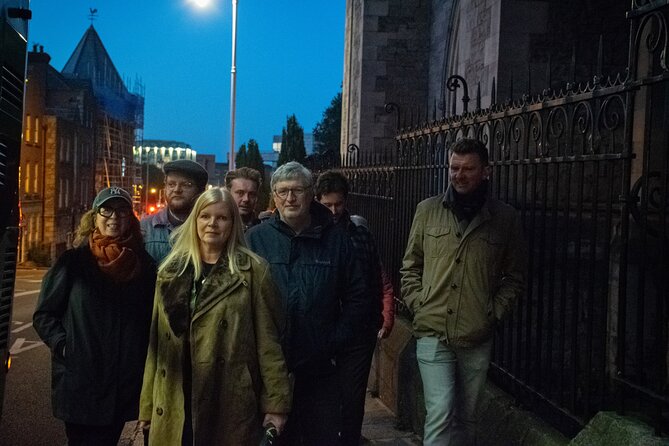
This tour is best described as a mix of ghost tales, folklore, and darker Dublin history. One caution from the tone: it can lean more toward storytelling than actual haunting effects. You won’t be waiting for a cold-spot finale.
That said, it does include spooky material. You’ll hear about alleged hauntings, with gothic themes like Bram Stoker, plus references to grave robbing and witchcraft. And the route through cathedrals, theatres, and hidden graveyard ruins naturally supports the atmosphere.
Expect it to feel fun if you’re game for creepy history. Expect it to feel less like horror-movie intensity if you’re hunting for fear. The sweet spot is curiosity—wanting to learn why these legends got attached to these places in the first place.
Getting the Timing and Footwear Right
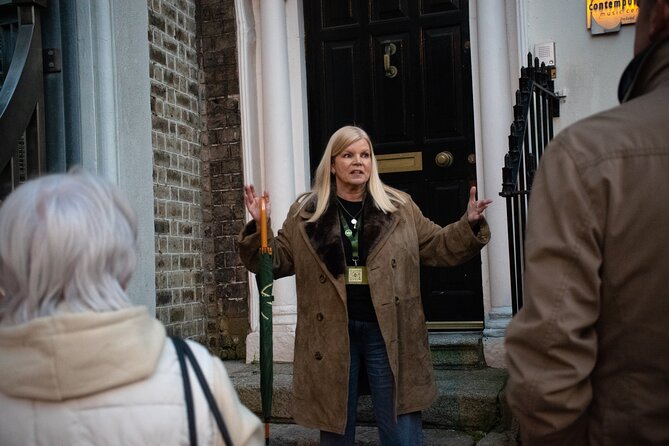
You cover a good chunk of the city center on foot. Many people note that it involves a lot of walking and that the guide can keep a fast pace. So plan like you’re doing a proper city walk, not a gentle stroll.
My practical advice:
- Wear comfortable, supportive shoes for cobblestones and uneven edges
- Dress for wet weather if you’re going in cooler months—this is an evening tour
- Bring a charged phone for the mobile ticket and for quick navigation if you step aside to read a sign
Since the tour duration is about two hours, you don’t want sore feet cutting your night short.
Who This Haunted Dublin Walking Tour Fits Best
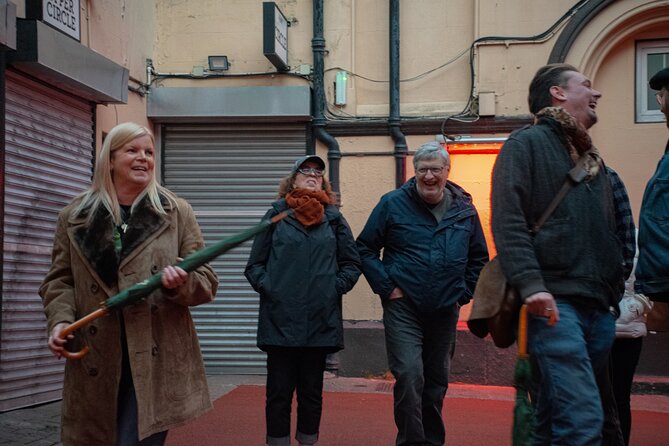
This tour is a great fit if you:
- Want Dublin at night with stories tied directly to landmarks
- Like tours that mix folklore with the real-world events that created a city’s reputation
- Enjoy gothic literature connections, especially the Bram Stoker angle
- Prefer dark and humorous storytelling over jump scares
It may be less ideal if you:
- Want heavy paranormal action with dramatic effects
- Are sensitive to dark themes linked to old neighborhoods and conflicts
- Expect access to every single site with no changes—closures can happen, and the guide may pivot
Should You Book This Haunted Dublin Tour?
If you’re choosing one “spooky but smart” activity in Dublin, I’d lean toward booking this. At $29.02 for a guided two-hour walk through Temple Bar, Dublin Castle, cathedrals, theatres, and finishing near St Stephen’s Green, you’re getting a lot of varied city texture for the money.
The best reason to go is the blend: ghost lore anchored to real Dublin locations, told with humor by a guide who knows how to keep a group moving. Just go in with the right expectations—this is dark history + alleged hauntings, not a full-on horror experience with special effects.
If that sounds like your kind of night, book it and plan to eat before you start. Then bring your walking shoes and a curious brain.
FAQ
What time does the Haunted Dublin Walking Tour start?
The tour start time is 6:00 pm.
How long is the tour?
The duration is about 2 hours.
How much does it cost?
The price is $29.02 per person.
Where do I meet the tour?
You meet at 3 Crown Alley, Temple Bar, Dublin (D02 CX67, Ireland).
Where does the tour end?
The tour ends at St Stephen’s Green, Dublin 2, near the top of Grafton Street.
Is the tour offered in English?
Yes, it’s offered in English.
Do I need a printed ticket?
No—this tour uses a mobile ticket.
Are tickets or admissions included for the stops?
The itinerary notes admission ticket free for the listed stops, and it’s described as a walking tour of Haunted Dublin with a guide.
Are snacks included?
No, snacks are not included.
What’s the cancellation policy?
You can cancel for a full refund up to 24 hours before the experience starts.
Is the walking tour physically demanding?
It’s listed for travelers with a moderate physical fitness level, and it involves walking.