REVIEW · DUBLIN
Dublin Private Highlights & History of 1916 Easter Rising Tour
Book on Viator →Operated by Withlocals · Bookable on Viator
History moves fast here. This private Dublin tour lets you skip the crowd, hear the city through a local’s eyes, and connect the big sights to the 1916 Easter Rising story as you walk. I like the private pacing so you’re not stuck with a march-and-stop schedule. One catch: there’s no hotel pickup, so you’ll need to make your own way to the start area and then walk between stops on foot.
What I really appreciate is the wrap-up value. On the 3-hour option, you get 1 local drink/tasting, and you’ll leave with tailored recommendations that help you build the rest of your Dublin day (food, pubs, and what to prioritize next).
In This Review
- Quick hits: what makes this tour work
- Why a private highlights walk beats the big-group scramble
- Dublin Castle: where power and story begin
- Trinity College Dublin in 10 minutes: quick, useful orientation
- Christ Church Cathedral: Dublin’s oldest working structure
- How the 1916 Easter Rising theme shapes your street-level view
- Optional stops: what your guide might add along the way
- Value check: is $135.50 worth it for 3 hours?
- Practical stuff that affects your comfort (and your photos)
- Choosing the right guide style for your Dublin day
- When this tour is a great fit (and when it’s not)
- FAQ
- FAQ
- How long is the tour?
- What major stops are included?
- Is admission included for those stops?
- Is the tour truly private?
- Do I get food or drinks during the tour?
- Where does the tour start and finish?
- What fitness level do I need?
- Should you book this private Dublin highlights and 1916 tour?
Quick hits: what makes this tour work
- Private for your group: only you and your local guide, with room to ask questions and adjust pace
- Dublin Castle first: the city’s power-center story starts at Dublin Castle, with free admission
- Trinity College Dublin stop: a short look at the campus feel and its Georgian setting
- Christ Church Cathedral in under an hour: Dublin’s oldest working structure, with free admission
- 1916 theme built into the walk: your guide frames what you see with the Rising era
- A local tasting included (on the 3h option): a simple, easy win for value
Why a private highlights walk beats the big-group scramble
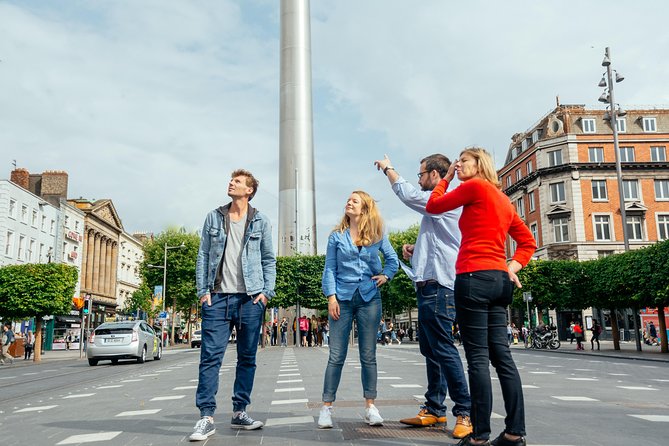
Dublin is compact, but big-group tours often force two extremes: either you feel rushed, or you waste time waiting. This format is different because it’s made for small-group flow. You’re not competing for the guide’s attention, and you’re not trapped behind ten other people while the whole line moves at one speed.
That matters most on a 3-hour timeline. You’ll cover major stops without turning the day into a marathon. And since the tour is explicitly framed around the 1916 Easter Rising context, your guide can point out what connects those stories to the locations you’re seeing—without you having to piece it together from an app while walking.
If you’re the kind of traveler who likes to stop for photos, ask one more question, or adjust based on weather and energy, private works better. And if you’re traveling with kids or you’re simply trying to stay comfortable, the flexibility is the whole point.
You can also read our reviews of more private tours in Dublin


Dublin Castle: where power and story begin
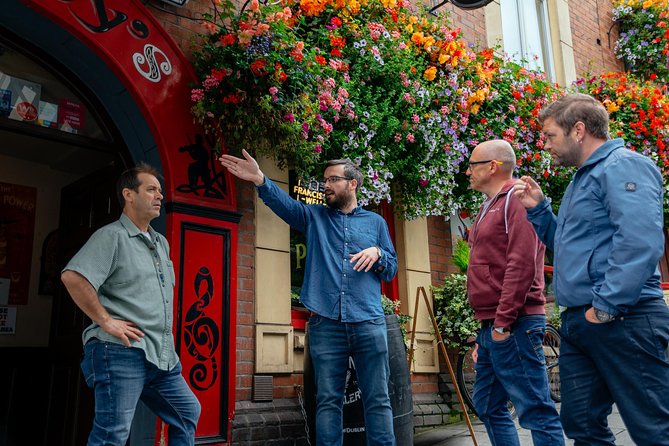
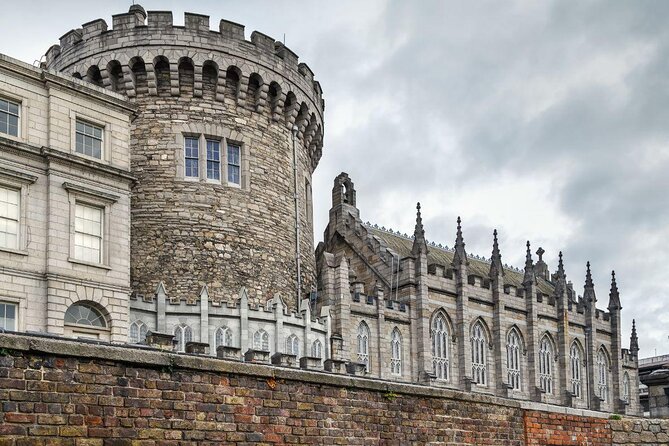
Your walk starts at Dublin Castle, with an easy 30-minute window. The site is famous for its long timeline, and the basics are a helpful way to anchor the rest of your visit: it was built in 1204 by King John and today it functions as a major Irish government complex, conference center, and tourist attraction.
Even if you only spend a half hour, Dublin Castle sets the tone. It’s the kind of place where the building itself feels like a “chapter opener.” The big practical plus is that admission is free as part of the stop plan, so you’re not trying to squeeze tickets into your schedule.
A smart way to use your time here: don’t just look for the postcard angles. Ask your guide what in the Castle area matters to the 1916-era story you’re hearing throughout the tour. That’s where a local host earns their fee—connecting the location to the narrative you came for.
Possible drawback: the Castle stop can feel like a lot of information in a short block, because it’s a major hub with many layers. If you’re sensitive to “too much at once,” tell your guide early on that you want a slower pace and fewer facts per minute.
Trinity College Dublin in 10 minutes: quick, useful orientation
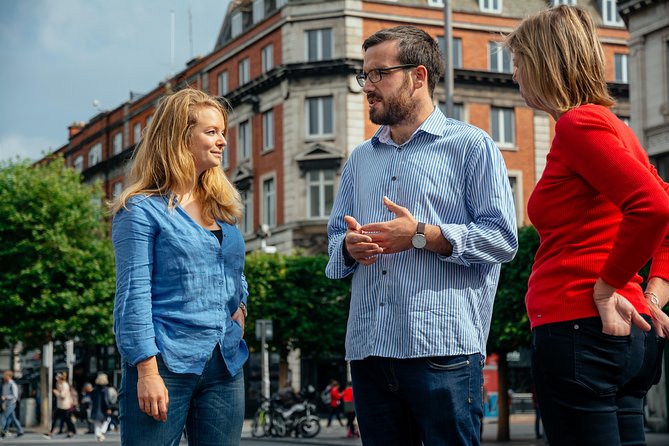
Next is Trinity College Dublin, scheduled at about 10 minutes. That’s short, but it’s not random. Trinity is an ideal orientation stop because the campus area instantly signals Dublin’s academic side, with Georgian buildings and strong programs across humanities, science, and medical fields.
In a 10-minute stop, you won’t see everything, and you shouldn’t try. Think of this as a “place recognition” moment. You’re learning where Trinity sits in the city’s layout and what kind of atmosphere surrounds it, so later, if you want more time, you know where to go.
Why it still feels worth it: Trinity’s appearance and setting help you understand Dublin beyond the “historic street corners” idea. It adds balance to the day—church, government, then academia.
Christ Church Cathedral: Dublin’s oldest working structure
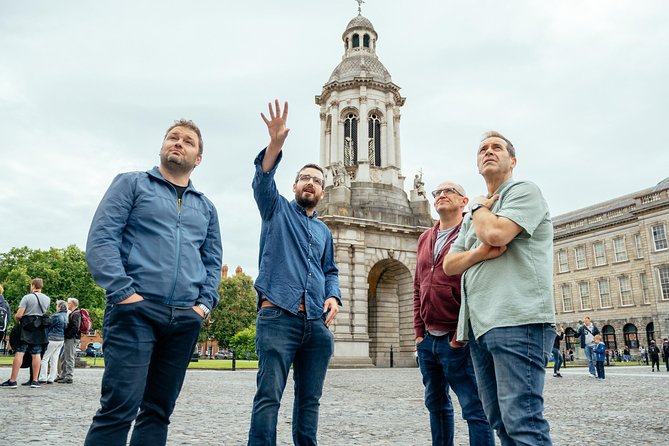
Your third fixed stop is Christ Church Cathedral, planned for about 20 minutes. Here’s the kind of fact that makes the stop feel real fast: it’s tied to Viking-era beginnings and dates back to around 1028, making it Dublin’s oldest working structure.
Free admission helps again, so you’re not paying to get inside for the core sights of the Cathedral experience. And in a 20-minute window, you can still do the important things: look around, take in the scale, and absorb a little of the timeline your guide explains as you move through.
One thing I like about this stop is contrast. You’re stepping from an academic campus feel into a medieval spiritual setting where history isn’t just in the stories—it’s in the structure and ongoing use.
Tip: if you’re visiting in colder or wetter weather, the Cathedral can become your “breather.” A short indoor pause with context often makes the whole tour feel less like walking for walking’s sake.
How the 1916 Easter Rising theme shapes your street-level view

The tour title promises the history of the 1916 Easter Rising, and the way it works best is as a framing device. Instead of learning in a classroom, you’re learning while moving between landmarks. Your guide can connect the narrative thread to what you see in front of you, then let the next stop add another piece.
The advantage for you is that this approach helps the Rising era stick. When you connect a story to a location, you remember it. When you only read names in a book, it’s easier to forget later.
I also like that your guide can keep it practical. A good local host won’t just recite facts. They’ll show you what to look for in the built environment and how the city’s power centers, institutions, and long-standing sites relate to the story they’re building.
Since the tour is private, this is also where you can steer. If you care more about political events, ask. If you care more about daily life in the era, ask that too. With a group tour, you rarely get that push-button control.
You can also read our reviews of more historical tours in Dublin





Optional stops: what your guide might add along the way
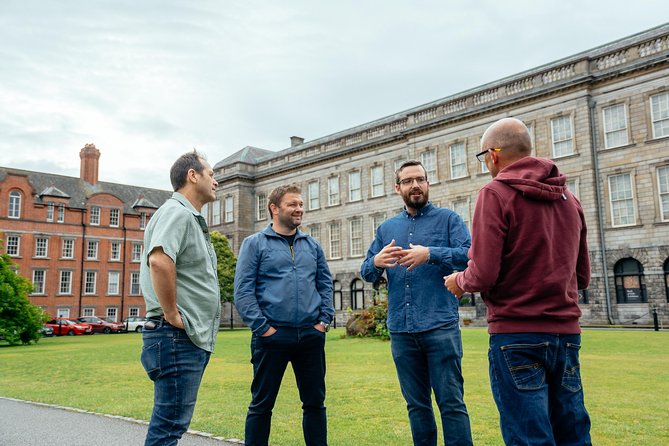
Some parts of the route can shift depending on your host, and that’s a real feature here, not a vague promise. On the walks I’ve seen people describe for this kind of private Dublin format, guides often add city-center texture beyond the three anchor stops.
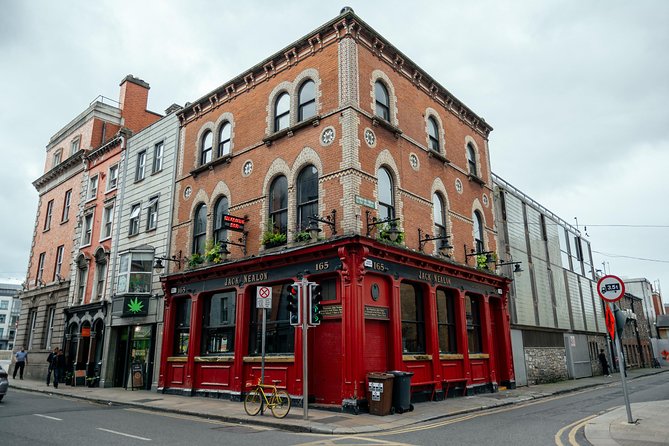
For example, you might see extra time near major shopping streets (like Grafton Street) or be routed through areas around the city’s classic attractions. Some routes also mention a Guinness Factory stop, plus a chance to experience an authentic Irish pub style visit. Sweet breaks have come up too, with mentions of stops like Murphy’s for ice cream.
Here’s how to use that uncertainty to your advantage: ask your guide what they plan to add before you start walking too far. If the weather is rough, request an extra indoor moment. If you’re food-motivated, ask for where you’ll likely get your best tastings or drinks.
If you’d rather keep the tour tightly focused on the core landmarks, you can also ask for fewer extras. Private tours let you decide how “highlights” you want the experience to be.
Value check: is $135.50 worth it for 3 hours?
At $135.50 per person, the price is not the cheapest way to see Dublin. But you’re not just buying entry fees. You’re buying time saved, attention saved, and a better day structure.
Here’s what makes the math feel more reasonable:
- Private for your group: you’re paying for direct guide attention, not shared time
- Free admission included at the main stops: Dublin Castle, Trinity, and Christ Church are handled as free-ticket stops
- A local drink/tasting included on the 3h option: that’s a small cost covered for you
- Tailored recommendations: this is the part people forget to price, but it can prevent expensive guesswork later (bad meal choices, wrong neighborhood, spending time where you won’t enjoy it)
What isn’t included is also clear: there’s no hotel pickup/drop-off, and you’ll still handle your own extra food and drinks. So if you want a full meal covered, you should plan that separately.
My practical advice: if you’re only in Dublin for a short window, or if you want a history-and-meaning tour rather than a photo checklist, private usually pays back quickly.
Practical stuff that affects your comfort (and your photos)
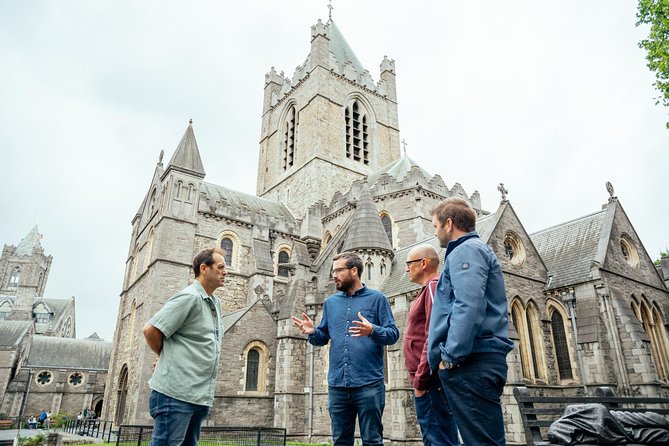
This is a walking tour, and the info calls for a moderate physical fitness level. That’s important. Even when stops are close, 3 hours of walking still adds up, especially on uneven sidewalks or cobblestones.
A few things to plan for:
- Bring walking shoes you trust.
- Expect weather to matter. Dublin can shift fast, so bring a light layer and a rain option.
- The tour is near public transportation, which is helpful for getting yourself to the start area since pickup isn’t included.
You’ll also want to know where the day ends. It finishes in the center of Dublin, which is great if you plan a post-tour meal or a follow-up visit nearby.
Since you’ll have a mobile ticket, have it ready before you meet. It saves time and keeps you from doing last-minute phone-fumbling in the cold.
One more note: the tour is marked CO2 neutral with carbon emissions offset. That’s a nice bonus if you care about travel impact, but you still get the main point: a human-guided day that doesn’t feel like a conveyor belt.
Choosing the right guide style for your Dublin day
Different local guides can change the tone a lot. Names people have credited in past experiences include Eamon, Keelan, Derek, Rauri, Ciaran, Brendan, and Marius (among others). Across those different hosts, a few themes show up repeatedly: fast momentum, storytelling that connects locations to meaning, and flexibility—especially when families need a pace that works for small legs.
If you’re traveling with kids, pay attention to whether your guide is comfortable tailoring the walk. Some guide styles are more playful and story-driven, and that can turn a history tour into something your kids will actually enjoy.
If you’re a solo traveler or a couple, focus on pace and Q&A. Ask early: do you have time for questions, or will this be a quick line-through?
When this tour is a great fit (and when it’s not)
Book this if:
- you want history connected to real places, not just names
- you prefer your own pace and a smaller, calmer experience
- you like getting practical recommendations after the tour (what to eat, where to go next)
- you’re working with a tight schedule and still want the main Dublin landmarks
You might choose something else if:
- you’re hoping for a taxi-style day with pickup and drop-off built in
- you want a very long deep-dive at just one site (this is a 3-hour overview format)
- you need fully detailed time at each location regardless of guide routing, since the plan can include route-based additions
One real caution: there have been rare cases where a guide didn’t show up or a last-minute cancellation happened. That’s not the usual pattern you should expect, but it’s worth having a backup plan—like knowing how you’ll independently reach the first stop if plans shift.
FAQ
FAQ
How long is the tour?
The tour is about 3 hours.
What major stops are included?
The plan includes Dublin Castle, Trinity College Dublin, and Christ Church Cathedral.
Is admission included for those stops?
Admission is listed as free for Dublin Castle, Trinity College Dublin, and Christ Church Cathedral.
Is the tour truly private?
Yes. It’s private and runs only for your group and your local guide.
Do I get food or drinks during the tour?
On the 3-hour option, you get 1 local drink/tasting. Extra food and drinks are not included.
Where does the tour start and finish?
It starts in Dublin, Ireland, and finishes in the center of Dublin. You’ll meet at the provided meeting point in Dublin.
What fitness level do I need?
The tour calls for moderate physical fitness since it’s a walking experience.
Should you book this private Dublin highlights and 1916 tour?
If you want Dublin history to make sense fast, this is a strong pick. The private format helps you move at your pace, and the anchor stops (Dublin Castle, Trinity, Christ Church) give you a clean “big picture” base. Add the local drink/tasting and the Rising-era framing, and you get a tour that’s more than a sightseeing loop.
I’d book it when you’re short on time or when you care about understanding the story behind the streets. If you hate walking, want hotel pickup, or need a slow, site-by-site experience that lasts much longer than 3 hours, you may prefer a different style of tour.