REVIEW · DUBLIN
Private (Nearly!) All of Dublin in 5 hours (Walking Tour)
Book on Viator →Operated by Dublin Tour Guide · Bookable on Viator
Dublin clicks into place fast on foot. This private walk strings together the city’s key landmarks and Irish political history in a route you can adjust as you go, so it feels less like checkboxes and more like a guided story of Dublin. I especially like the Irish guide energy that turns stone, street names, and monuments into plain talk you can remember.
I also like the built-in flexibility. You can steer your day toward the Book of Kells at Trinity, or swap in the National Museum of Ireland when timing allows, and you still hit major sights like Dublin Castle and Christ Church Cathedral. The itinerary gives you enough time at each stop to look around, ask questions, and keep moving.
One tradeoff: five hours means real walking, and most major places are seen from courtyards or the outside. If you want lots of interiors, you’ll usually need extra tickets or an official guided add-on.
In This Review
- Key points that make this tour worth your time
- How this 5-hour Dublin walk covers a lot without feeling rushed
- Starting at the National Museum and ending near Dublin Castle
- Trinity College Dublin and the real choice: campus first or Book of Kells timing
- Book of Kells: how to plan the paid stop without derailing the day
- Temple Bar, but with the volume turned down
- Dublin Castle courtyards: the best parts without needing interior tickets
- Christ Church Cathedral (and the crypt story you don’t forget)
- Ha’penny Bridge: short walk, big Dublin feel
- National Museum of Ireland archaeology vs Book of Kells: your second main decision
- Leinster House, the O’Connell Monument, and a street-name history lesson
- St Stephen’s Green, Grafton Street, and the café stop people remember
- The GPO and City Hall: where Irish independence story lands in your feet
- What makes the best guides here: storytelling, pacing, and real Dublin tips
- Price and value: is $296.60 per person fair for a private walking day?
- Tips to help you enjoy the walking (and get the most from optional tickets)
- Should you book this tour?
- FAQ
- What is the duration of the tour?
- Is the Book of Kells included in the price?
- Does the tour include entry tickets for sights?
- Is the National Museum of Ireland archaeology stop always available?
- Where does the tour start and end?
- What is the cancellation policy?
Key points that make this tour worth your time
- Private and tailorable: you control the pace and can shift time between the big hitters
- Trinity College + optional Book of Kells: the Trinity/Old Library access rules matter, and your guide helps plan around them
- A political-history route: castles, parliaments, and 1916 sites get connected in a way that makes Dublin make sense
- Outside cathedrals, with the crypt spotlight: you get architecture context even without paying for interiors
- River views built in: Ha’penny Bridge is short on time but strong on payoff
- High guide scores: multiple reviewers call out storytelling, pacing, and asking-and-answering time
How this 5-hour Dublin walk covers a lot without feeling rushed
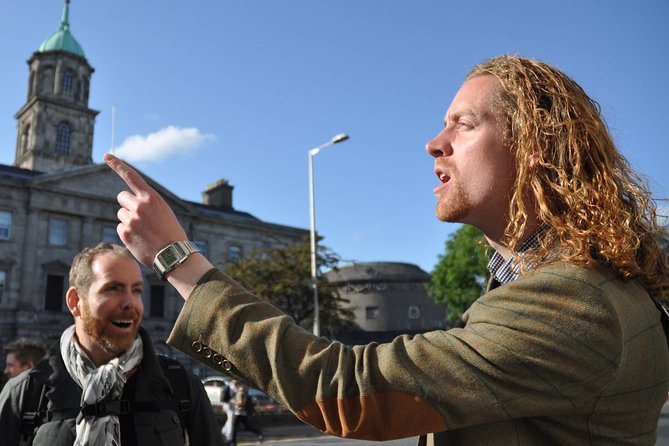
This is a private walking tour designed to get you oriented fast. In about five hours, you’ll move through Dublin’s historic core with a guide who explains what you’re seeing and why it matters, from the long arc of religious politics to the push for independence and the Easter Rising era.
For me, the best part is that it’s not just monument photography. You’re walking past the places where decisions were made, and your guide stitches the events together so the city feels less random. If you like learning in short, human-sized chunks, this format works.
The pace is usually smooth, but it is still walking. One reviewer noted their attention flagged around hour three and the group adjusted, cutting the day down while still seeing most highlights. That’s the advantage of private: if you need a slower tempo, you can ask.
You can also read our reviews of more walking tours in Dublin

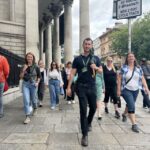

Starting at the National Museum and ending near Dublin Castle
Your day starts at the National Museum of Ireland (Kildare Street), at 35A Kildare St, Dublin 2. It’s a solid meeting point for central Dublin, and it also sets up the day with a museum-goers’ vibe before you step into the older political and religious heart of the city.
Pickup is available at a centrally located hotel. If you’re not in the center, Olympia Theatre is listed as the default pickup point. Your tour ends at Dublin Castle (Dame St). Depending on the day and preferences, the meeting may also be near the Castle or GPO on O’Connell St, so it’s worth confirming your exact start and finish with your guide ahead of time.
Trinity College Dublin and the real choice: campus first or Book of Kells timing
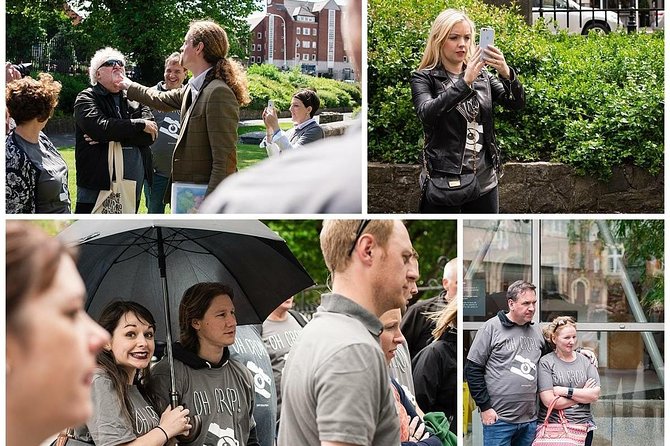
Trinity College Dublin is the first major stop, and it’s a smart opener because it anchors the day. You’ll visit the campus and get context for why it mattered to Ireland’s tense religious and political history.
Here’s what your guide is likely to highlight:
- Trinity began in 1592 as a university for Protestants.
- It remained a source of resentment for Ireland’s Catholic majority for centuries, at least into the late 20th century.
- The university educated famous writers like Oscar Wilde, Jonathan Swift, Bram Stoker, and Samuel Beckett.
You also have the big Trinity-related decision: the Book of Kells. If you want to see it, this tour can point you there, but the ticketing matters. Trinity’s rule is that access to the Old Library is limited to groups of 8 or fewer unless Old Library tickets are purchased in advance. Your guide can help you coordinate this, but you’ll want to plan ahead.
What you get out of it: Trinity isn’t just a pretty campus. It’s a lens on Dublin’s power struggles, and it gives your guide a thread to follow as you move through the rest of the city.
What to watch: if you’re traveling with a larger group, the Old Library access rule could affect what’s possible without advance Old Library tickets.
Book of Kells: how to plan the paid stop without derailing the day
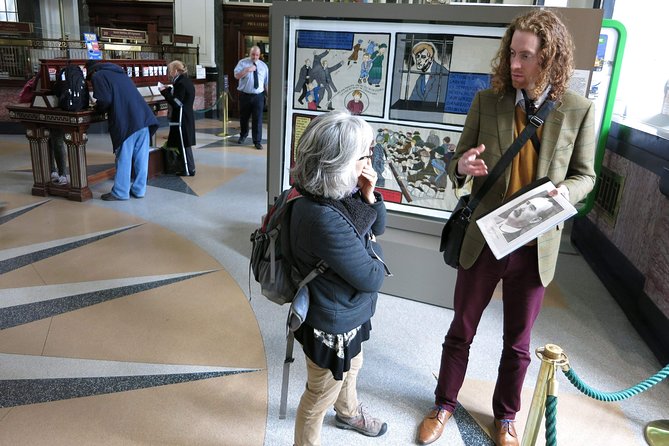
The Book of Kells Experience is its own stop with about 40 minutes allocated, but the entry is not included. The good news is that the tour’s flexibility lets you coordinate around your day.
Your guide can help you book tickets in advance, and the tour gives you a second decision point later too: you might either do the National Museum of Ireland (free) or do the Book of Kells (paid). That means you’re not locked into one option from the start.
In practical terms, this is how you’ll get the most value:
- If Book of Kells is a top priority, make sure your tickets line up early enough for your preferred time slot.
- If you’re museum-leaning instead, consider swapping Kells for the National Museum time later on, then revisit Trinity for the campus atmosphere only.
Temple Bar, but with the volume turned down
Next comes Temple Bar. You’ll stroll the cobbled lanes with your guide pointing out what to notice and where to step aside from the most tourist-loaded corners.
This stop is only about 15 minutes, so the goal is not deep bar-hopping. Instead, your guide helps you read the area:
- street art
- bohemian shops
- and the smaller local spots that don’t feel like they’re there just for visitors
One reviewer also said their guide gave an introduction to Irish pubs, including why pubs are laid out the way they are and what snugs are. That doesn’t mean every pub stop is guaranteed in this tour, since food and drink aren’t included, but it does fit the overall style: practical, real Dublin observations, not just history slides.
You can also read our reviews of more private tours in Dublin




Dublin Castle courtyards: the best parts without needing interior tickets
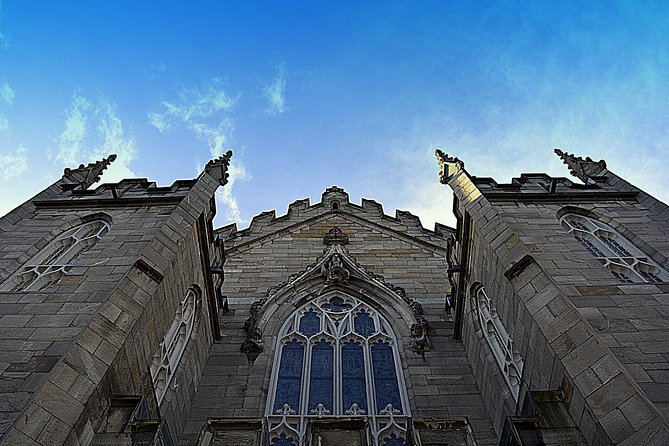
Dublin Castle is one of those places where you can still enjoy a lot even if you skip interior tours. Here you’ll explore the grounds, including upper and lower courtyards, Chapel Royal, and Dubh Linn Gardens.
The key detail: you won’t be doing paid interiors, unless you choose an official Dublin Castle tour separately. That’s not a deal-breaker, though. Courtyards and gardens let you understand the layout and the political weight of the site without spending time in lines.
Why it’s valuable: castles in Dublin aren’t just architecture. They’re the stage where long periods of rule and administration played out, and your guide uses this to keep the story moving.
Drawback to note: if you were hoping for a lot of indoor rooms, this tour is more about the outside and courtyards.
Christ Church Cathedral (and the crypt story you don’t forget)
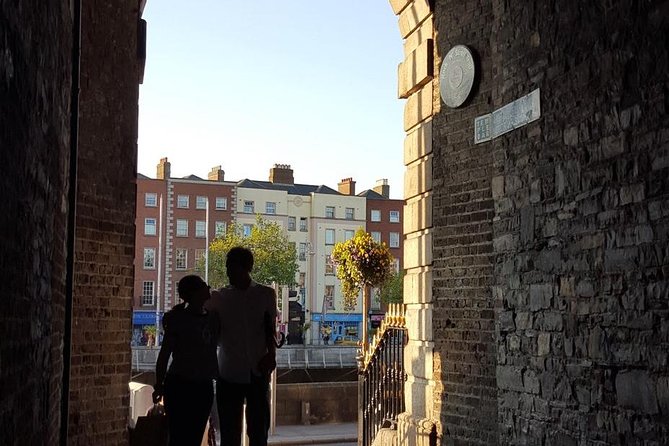
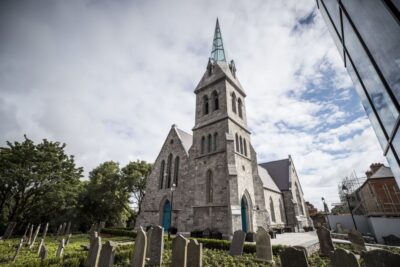
At Christ Church Cathedral, you’ll visit outside, and your guide may include Christ Church and/or St Patrick’s Cathedral. The tour’s focus is exterior viewing with a strong emphasis on what makes this complex special.
You’ll hear the timeline:
- a wooden church likely existed around 1030
- the stone structure began in the 1180s
- it has been restored and changed over the centuries
The neo-gothic architecture is often described as the most beautiful cathedral complex in Dublin, and there’s a reason it gets that reputation. You’ll also get a standout detail about the crypt: it’s huge, and in the 18th century it hosted a pub, distillery, and even a brothel. It’s the kind of fact that changes how you see old places, because it reminds you Dublin wasn’t always formal and tidy.
What to watch: you’re mainly outside here, and crypt access depends on what the day allows and what tickets (if any) you choose to add separately.
Ha’penny Bridge: short walk, big Dublin feel
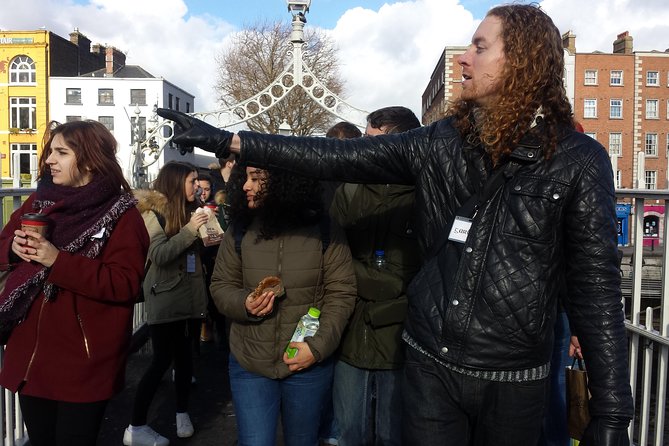
Ha’penny Bridge is brief, about five minutes, but it’s one of the city icons for a reason. You’ll cross it and your guide will encourage you to look:
- up the river toward the Guinness Brewery area
- downriver toward the Custom House and modern Docklands
You might also stop to notice the lovers’ locks, if they’re present that day. Even if you’re not sentimental, the bridge gives you a quick Dublin vibe check: river life, old waterfront history, and the Guinness-adjacent skyline energy all in one glance.
National Museum of Ireland archaeology vs Book of Kells: your second main decision
Later in the walk, you hit National Museum of Ireland – Archaeology. This is time-boxed to about 30 minutes, free entry, but there’s one important scheduling reality: it’s closed on Mondays.
On the tour, you’ll choose between:
- National Museum (free), or
- Book of Kells (paid)
Because this is a private tour, your guide can shift the order to match your priorities, but you do need to be aware of the Monday closure. If you’re visiting on a Monday and Book of Kells is the must-see, plan around the museum being off the table that day.
Value in choosing the museum: if you enjoy objects and timelines you can actually look at, archaeology can add depth to the “how Dublin got here” story that complements all the political sites.
Leinster House, the O’Connell Monument, and a street-name history lesson
Then the tour turns into a politics-and-people section of Dublin. You’ll pass Leinster House (about 10 minutes) and spend time near the O’Connell Monument.
Daniel O’Connell is described as a key figure who helped prove civil disobedience and peaceful resistance could work. He’s nicknamed The Liberator for securing Catholic Emancipation, and O’Connell’s legacy shows up in the city map too: the main street of Dublin is named after him.
You’ll also take in the Old Parliament Building area. Dublin was the second city of the British Empire in the 18th century, and that era leaves architectural fingerprints around you. Your guide uses these buildings to show how politics shaped what you see on streets today.
What I like about this portion: it’s not abstract history. You can point at a building and your guide tells you what it meant in its era.
St Stephen’s Green, Grafton Street, and the café stop people remember
St Stephen’s Green is about 10 minutes. You’ll stroll along the curved walkways in this central park area. It’s a nice breather after more stone-and-government stops, and it also gives you a human-sized Dublin moment.
Then you head toward Grafton Street for about five minutes. This is one of the last bastions of old Dublin in the middle of brand-heavy streets. You’ll get:
- the flower ladies
- street musicians
- and the general “people passing time” energy of Grafton
Your guide may also point out Bewleys Café, which is described as Ireland’s oldest and biggest café, built in 1927. Even if you don’t stop for coffee, it’s a good landmark because it marks where old and modern Dublin overlap.
The GPO and City Hall: where Irish independence story lands in your feet
The General Post Office (GPO) stop is about 15 minutes and it’s one of those places that feels important even when you’re not a history buff. Outside the building on Easter Monday, Pádraig Pearse read the Declaration of Irish Independence, leading a rebellion with 1,600 comrades.
It’s one of the most under-rated stops if you only skim Dublin’s top lists, but it’s powerful because Dubliners and Irish visitors treat it like living memory, not museum glass.
City Hall is next for around 10 minutes. It’s a key location of the 1916 Easter Rising, and the building shows Dublin’s 18th-century architectural side. You can enter if there isn’t a private event going on that day, so if entry matters to you, it’s smart to ask your guide on the spot.
What makes the best guides here: storytelling, pacing, and real Dublin tips
The guide quality is the heart of this tour. Several guides named in feedback show up repeatedly with the same strengths: strong storytelling, patient Q&A, and a willingness to adjust when your group has different needs.
Examples from guide styles you can look for:
- Eamon is praised for tying Irish history to each stop and keeping explanations engaging even in bad weather.
- John and John Caffrey are described as having encyclopedic knowledge and making independence-era complexity understandable.
- Austin is noted for accommodating a non-English-speaking guest by taking extra time to explain and translate.
- Mark gets credit for adding laughs while covering the city’s history.
- Brendan and Garvan are praised for customizing to families and keeping the walk enjoyable for kids as well as adults.
- A few reviewers also mention practical pub knowledge, like explaining how pubs work and even how to enjoy Guinness properly.
Also, because it’s private, you can usually ask for small pivots. One reviewer mentioned their guide arranged seating in a private room at a local pub after the walking portion ended, which shows the guide is thinking beyond the checklist.
Price and value: is $296.60 per person fair for a private walking day?
At $296.60 per person for about five hours, this isn’t a budget bargain. But it’s also not trying to be a mass-market bus tour.
The value comes from three things you actually feel:
- You get a private guide, not a rotating cast, and the route can match your interests.
- You cover major sights efficiently: Trinity, castles, cathedrals, the river crossing, and major independence-era landmarks.
- You get planning support for the paid optional stop, especially the Book of Kells timing and Trinity’s access limits.
When a tour costs this much, the question is usually simple: will you learn enough and see enough to justify skipping solo planning? In this case, the consistent praise for guide storytelling and pacing suggests yes, especially if you want context rather than just photos.
If you’re traveling as a couple or family and you’d otherwise hire a guide for a day, the private structure can feel like the sensible option.
Tips to help you enjoy the walking (and get the most from optional tickets)
A few practical pointers based on what usually matters on this kind of route:
- Wear shoes that handle cobblestones. Dublin’s older streets can be uneven, and you’ll be out for most of the five hours.
- Bring a light rain layer. Reviews mention soggy weather, and guides handled it by keeping things moving and offering indoor breaks when time allowed.
- If Book of Kells is high on your list, plan ahead for tickets. Trinity’s Old Library access limits can affect what’s possible.
- Decide early what you want more: archaeology museum time (free) or the paid Book of Kells experience. The tour gives you a swap later in the day, but your Monday schedule can force your hand.
- If you want extra indoor access at Dublin Castle or the cathedrals, know this walk mainly covers courtyards and exteriors. You may need a separate official tour.
Should you book this tour?
Book it if you want a fast, accurate introduction to Dublin with real context. It’s a strong choice for first-timers, history-minded travelers, and families who want structure without feeling dragged around.
Skip it or consider a different option if you strongly prefer indoor ticketed attractions as the core of your day, because this walk mostly prioritizes courtyards, outside viewing, and flexible time rather than stacking paid interiors.
If you’re on the fence, a good rule is this: if you’d enjoy learning why Dublin looks the way it does, and not just what it looks like, you’ll likely appreciate this tour.
FAQ
What is the duration of the tour?
It runs for about 5 hours.
Is the Book of Kells included in the price?
No. The Book of Kells Experience stop is listed as not included, and you can coordinate with your guide to book tickets in advance.
Does the tour include entry tickets for sights?
No. Entry tickets are listed as not included. The tour includes some free entry stops, but paid sites require additional tickets.
Is the National Museum of Ireland archaeology stop always available?
It’s closed on Mondays, so on Monday you would need to plan your day around the alternative option.
Where does the tour start and end?
It starts at the National Museum of Ireland on Kildare Street (35A Kildare St, Dublin 2) and ends at Dublin Castle (Dame St, Dublin 2). The exact meeting point can vary between Dublin Castle and the GPO on O’Connell St depending on preferences.
What is the cancellation policy?
You can cancel for a full refund up to 24 hours before the experience starts. If you cancel less than 24 hours before, you won’t get a refund.