REVIEW · DUBLIN
Historical Walking Tour of Dublin
Book on Viator →Operated by My Journey Ireland · Bookable on Viator
History is on the street here. This small-group Dublin historical walking tour connects the 1916 Rising to three of the city’s biggest landmarks in about 1 hour 45 minutes. You’ll start at The Spire and finish by the Ha’penny Bridge Inn, with quick stops that help you understand what you’re seeing rather than just passing it.
Two things I really like: the meeting and ending points are easy to find, so you spend less time hunting and more time looking around. And the tour is led in a way that keeps the pace friendly for questions—plus the guide’s humor and storytelling style (including bits like Guinness-pour practice and even poetry in at least some groups) make the facts stick.
One thing to plan for: admission tickets aren’t included for all the places you’ll visit. If you want to go inside Trinity’s areas tied to the Book of Kells or other ticketed spots, bring extra cash so you’re not stuck deciding on the spot.
In This Review
- Key highlights in quick form
- A Small-Group Dublin Walk That Starts at The Spire and Ends at Ha’penny Bridge
- Price and What You Actually Get for $32.44
- Stop 1 at the An Post General Post Office: The Heart of 1916
- Trinity College Dublin on College Green: Book of Kells Long-Room Orientation
- Dublin Castle and the 1916 Rebellion Connections
- How the Walk Feels: Timing, Pace, and Group Dynamics
- Practical Tips: Cash for Tickets, Good Shoes, and Weather
- Who This Tour Suits Best in Dublin
- Should You Book This Dublin Historical Walking Tour?
- FAQ
- How long is the Historical Walking Tour of Dublin?
- What is the meeting point for the tour?
- Where does the tour end?
- What time does the tour start?
- Is the tour in English?
- How many people are in the group?
- Are admission tickets included?
- Will I get a mobile ticket?
- What happens if the weather is bad?
- Are service animals allowed?
Key highlights in quick form
- The Spire start and Ha’penny Bridge Inn finish makes your day simple to stitch into the rest of your Dublin plans
- Max 15 people keeps it conversational instead of a lecture in a crowd
- 1916 Rising focus at Dublin’s most symbolic sites, especially the GPO
- Trinity College landmarks outside the gates with a smart orientation to what you’ll see inside (if you pay entry)
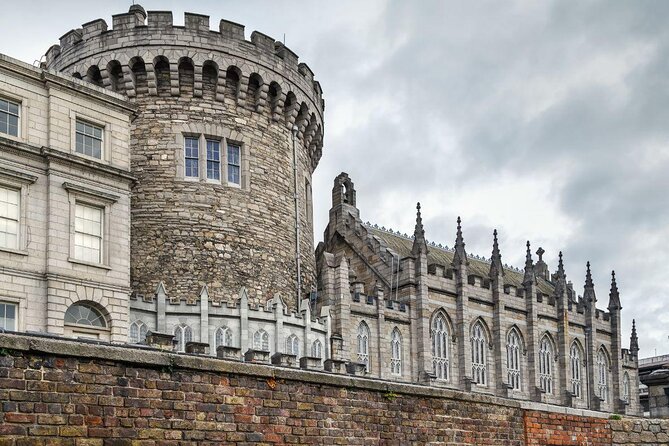
- Dublin Castle stop ties political power to the rebellion without making it feel academic
- Mobile ticket in English means you can move straight to the meet point
A Small-Group Dublin Walk That Starts at The Spire and Ends at Ha’penny Bridge
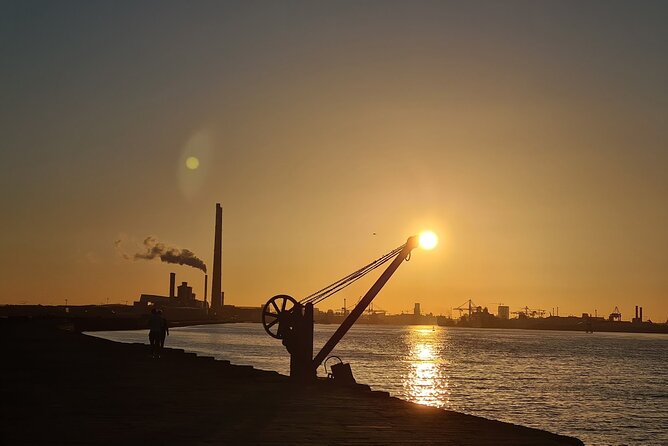
This is a classic central-Dublin format: walk, stop, listen, look, then keep moving. The tour starts at The Spire on O’Connell Street Upper (North City) at 1:00 pm, and it ends right by the Ha’penny Bridge Inn near Temple Bar. That end point is handy. You’ll already be in the part of town where it’s easy to keep exploring on foot afterward.
What makes the logistics feel low-stress is that both endpoints are landmarks most people can recognize without GPS gymnastics. You’re not starting in a random side street or a hidden courtyard. And because it’s a maximum of 15 travelers, you’re more likely to get personal attention—especially if you have questions about what’s happening in Dublin’s public spaces.
Expect a steady walking pace with short orientation-style stops. Each major stop is around 10 minutes, so the guide is aiming to give you the “why this matters” version of the city rather than a long sit-down tour of any one building. If you prefer a slow day where you linger inside every site, you may want to pair this with longer standalone visits later.
You can also read our reviews of more walking tours in Dublin



Price and What You Actually Get for $32.44
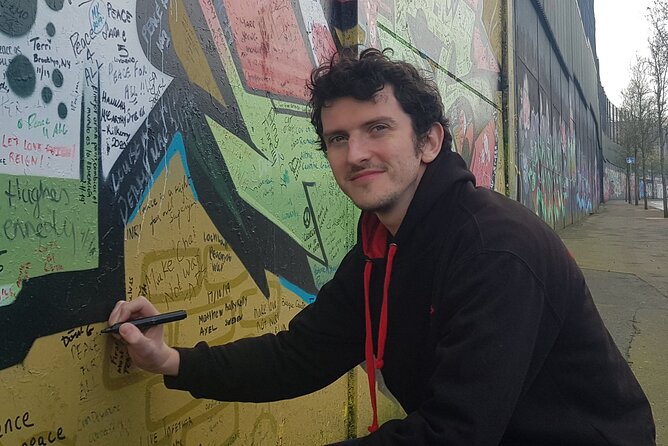
At $32.44 per person for roughly 1 hour 45 minutes, you’re paying for three things:
- a focused route through the city center
- a guide to explain what you’re seeing (especially the connections to the 1916 Rising)
- a small-group experience that keeps the tone relaxed enough for questions
The value is strongest if you’re the type who wants context. Dublin can look like a postcard—until you learn what each building, square, and government site meant during key turning points. This tour is designed to give you that context fast.
The big budget note is that admission tickets are not included for all stops. You’ll likely be standing outside major places and learning what matters, and then you’ll have the option to pay for entry where it’s tied to the big-ticket attractions—Trinity’s famous areas are the one to think about first. So yes, you should still budget the tour price, but also plan for extra spending if you decide to go in.
If you’re trying to do Dublin efficiently—especially if you only have one afternoon for history—this price feels fair for the amount of meaning you’ll pull from a short walk.
Stop 1 at the An Post General Post Office: The Heart of 1916
Your first stop is the An Post General Post Office, often referred to as the GPO. This is where the 1916 Easter Rising took hold in a big, public way. The guide focuses on why republicans chose this site and what it symbolized in the rebellion against British rule.
Here’s what this stop helps you understand: the Easter Rising wasn’t just about clashes in the streets. It was about taking visible power, making a statement, and using a major civic building to project legitimacy. At the GPO, you learn about leaders like Patrick Pearse and James Connolly, the proclamation of an Irish Republic, and why the uprising ultimately failed—due to a mix of limited public support and British military strength.
Why this is a smart first stop: it gives you a framework for the whole tour. After the GPO, Dublin’s other “important” buildings start to make more sense. You’ll hear how political decisions and public spaces connect, and you won’t feel lost when you move on to the government and university landmarks.
A consideration: since an admission ticket is not included at this stop, you’ll need to decide on the fly whether you want to pay to go in. If you do, bring extra cash ahead of time.
Trinity College Dublin on College Green: Book of Kells Long-Room Orientation
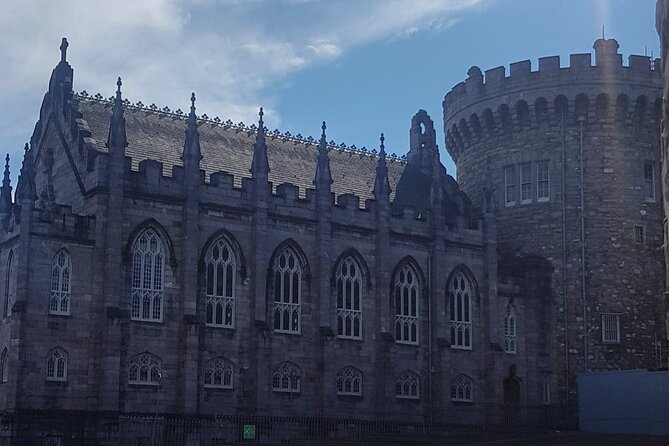
Next you move to Trinity College Dublin, specifically the area around College Green. This stop is shorter—about 10 minutes—and it’s more about orientation than a full inside visit.
Trinity was founded in 1592, and the tour uses that background to explain why it’s such a big deal in Ireland’s academic story. The highlight is that you’ll connect the campus to two heavyweight attractions people travel for: the Book of Kells housed in the Long Room of the Old Library.
Even if you don’t go inside during the tour, this stop is valuable because it tells you what you’re looking for. A lot of visitors arrive at Trinity and feel the building is impressive but don’t know the bigger reasons it’s famous. This helps you leave with a mental map: where the Old Library experience fits, what the Long Room represents, and why the Book of Kells is tied to Trinity’s identity.
One practical note: admission tickets are not included here either. The tour can point you toward the big indoor experiences, but you’ll likely need to purchase entry separately if you want to see the Long Room and related displays. So if your priority is the Book of Kells, plan for that extra cost and give yourself time elsewhere that day too.
Dublin Castle and the 1916 Rebellion Connections
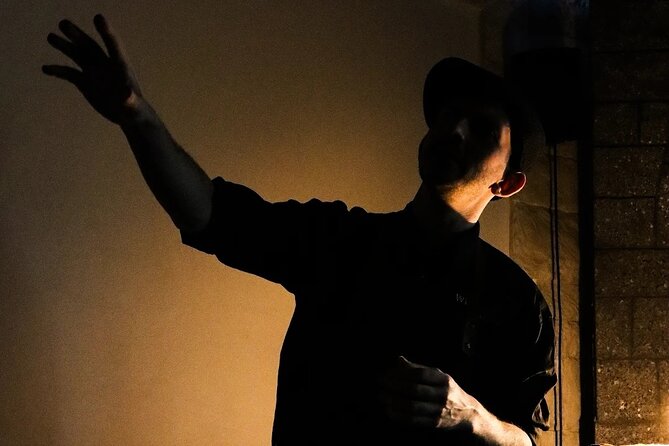
The third major stop is Dublin Castle, another site strongly tied to the political machinery of the time. Like the rest of the route, the focus is on the story behind the stone—how control of key institutions mattered during the 1916 rebellion.
This stop works well if you want the middle-layer context. The GPO gives you the rebellion’s dramatic public moment. Dublin Castle helps you understand the government side: who held power, how that power was organized, and why taking aim at central authority was part of the uprising’s logic.
It’s also a good pacing moment. By the time you reach Dublin Castle, you’ve usually built your understanding of the theme and you’re ready to connect it to a broader picture of governance in the era.
As with the other stops, the tour indicates an admission ticket is not included. You’ll likely learn from the outside and the guide’s explanation, then decide whether you want ticketed entry for more time in the buildings.
You can also read our reviews of more historical tours in Dublin





How the Walk Feels: Timing, Pace, and Group Dynamics
This is built for focus, not for lingering. With a total duration of about 1 hour 45 minutes and roughly 10 minutes at each named stop, you’ll move at a pace that keeps the story coherent from start to finish.
That pace is a plus for most people because it helps you see three major “must-know” parts of Dublin without eating your whole day. It’s also easier to fit into a trip schedule than a full half-day museum plan.
The small-group size (max 15) is what really changes the feel. In a bigger tour, you often get swept along. Here, you’re more likely to hear personal explanations and to be able to ask questions when something clicks or confuses you. Based on what the guide style has been praised for, you can also expect a lighter tone—humor, stories, and bits that make the city feel human rather than just historical.
If you’re traveling with kids or you have someone who needs to move around, the short stop durations help. You can keep everyone together without forcing a long indoor wait.
The main drawback tied to pacing is that you won’t have hours to wander inside each site. If you’re the kind of traveler who wants to linger in Trinity libraries or spend time in castle rooms, treat this as your “connect the dots” tour, then plan a second visit on your own.
Practical Tips: Cash for Tickets, Good Shoes, and Weather
The tour is straightforward, but Dublin throws one wildcard at you: weather. This experience requires good weather, and if it’s canceled due to poor weather you’ll be offered a different date or a full refund. So if you’re booking during a season with quick rain, keep flexibility in your afternoon.
Bring extra cash. The tour specifically notes that not all admission tickets are included, even though it points you toward major indoor experiences like the Book of Kells/Long Room area at Trinity. Even if you end up skipping some paid entry, having money on hand keeps your options open.
Wear shoes you can walk in. The route is short per stop, but you’re still doing a real city-center walk. Dublin’s streets are uneven in spots, and you’ll be moving between major landmarks on foot.
One more small practical win: you’ll use a mobile ticket, and it’s offered in English. That means less hassle at check-in and a smoother start once you find The Spire.
Who This Tour Suits Best in Dublin
I’d aim for this tour if you want:
- a focused historical walking tour of Dublin tied to the 1916 Rising
- a short afternoon plan that doesn’t lock up your entire day
- context at key landmarks like the GPO, Trinity College, and Dublin Castle
- a guide who mixes facts with humor, so the walk doesn’t feel stiff
It’s also a good fit if you like the idea of ending near Temple Bar. Even if you don’t plan a full night out, the Ha’penny Bridge Inn finish point makes it easy to reset, grab a drink, and keep exploring nearby streets.
This may not be ideal if you want to spend most of the time inside the buildings. The tour is built for outside-orientation and brief stops, then optional paid entry where you choose. If indoor time is your priority, use this as the starter plan and plan longer follow-ups.
Should You Book This Dublin Historical Walking Tour?
Yes—if you’re visiting Dublin for the first time or you want a tight, high-impact history route in one afternoon. The biggest reason to book is that the tour gives you a clear story line: start at the GPO for the Easter Rising, then connect that to the political center at Dublin Castle, and finish with a Trinity stop that ties the city’s identity to learning and major cultural artifacts like the Book of Kells.
Before you book, do two quick checks:
1) Are you willing to add budget for admission tickets where needed?
2) Can you count on at least decent weather for a walking tour?
If you say yes to both, this is a strong value way to get bearings fast and turn Dublin’s landmarks into something you actually understand.
FAQ
How long is the Historical Walking Tour of Dublin?
The tour lasts about 1 hour 45 minutes.
What is the meeting point for the tour?
The tour starts at The Spire, O’Connell Street Upper, North City, Dublin.
Where does the tour end?
It ends at or in the Ha’penny Bridge Inn, right next to Ha’penny Bridge.
What time does the tour start?
The start time listed is 1:00 pm.
Is the tour in English?
Yes, the tour is offered in English.
How many people are in the group?
It has a maximum of 15 travelers, so it’s small-group by design.
Are admission tickets included?
Not all admission tickets are included. The tour notes you should bring some extra cash for ticketed entry.
Will I get a mobile ticket?
Yes, the tour uses a mobile ticket.
What happens if the weather is bad?
If the experience is canceled due to poor weather, you’ll be offered a different date or a full refund.
Are service animals allowed?
Yes, service animals are allowed.